UNSC Showdown: A Fierce Battle Over Sovereignty and Self-Defense — Speech Highlights from the United States and Venezuela - Part II
Executive Summary
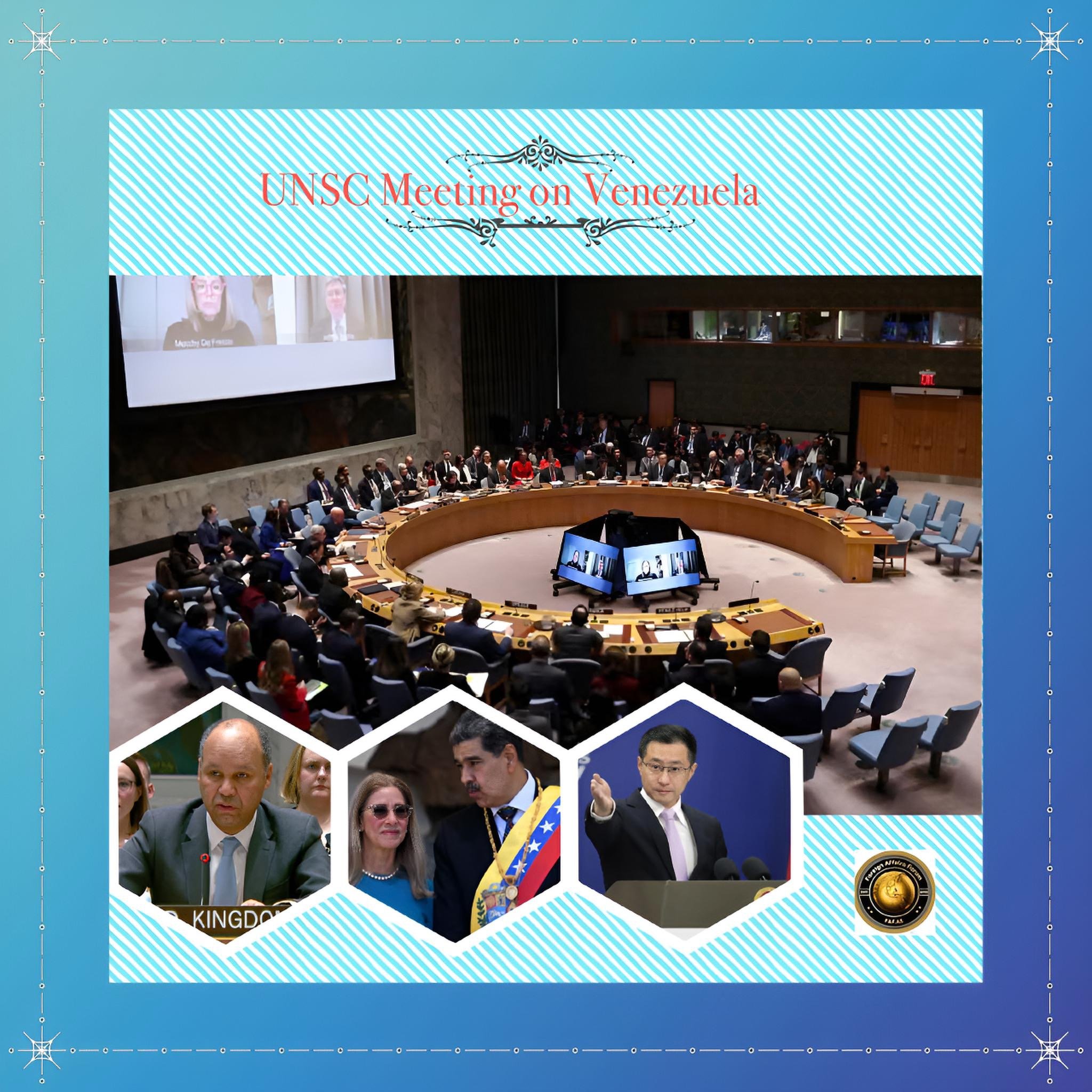
On January 4 and 5, 2026, the United Nations Security Council (UNSC) convened for one of the most contentious emergency sessions in its eighty-year history.
Following the United States’ military extraction of Venezuelan President Nicolás Maduro in Operation Southern Spear, the Council became the theater for a fundamental collision between two pillars of international law: the sanctity of state sovereignty (Article 2(4)) and the inherent right to self-defense (Article 51).
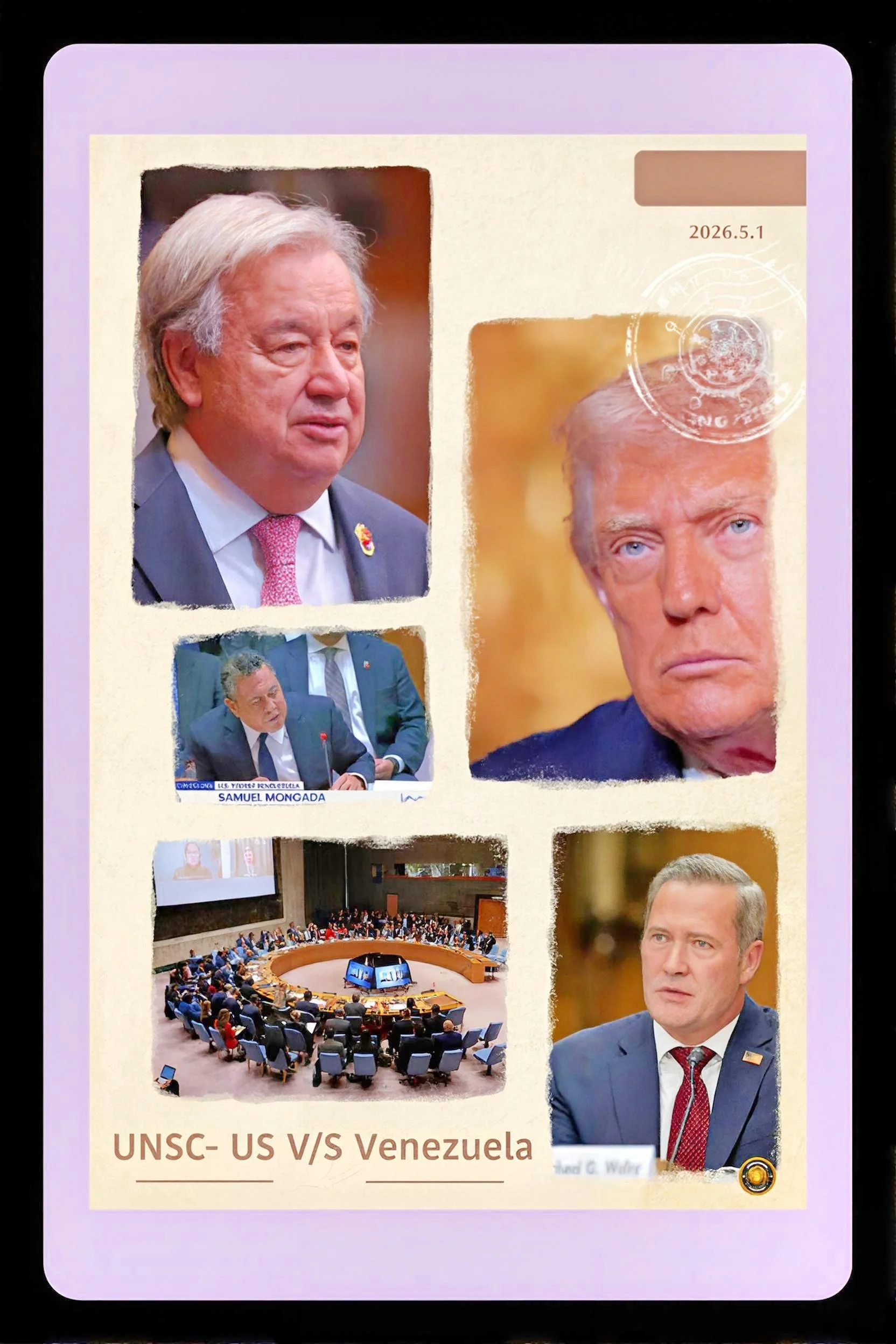
The session ended in a predictable deadlock, with the United States exercising its veto to block a resolution condemning the operation. However, the speeches delivered by US Ambassador Mike Waltz and Venezuelan Permanent Representative Samuel Moncada offered a stark, verbatim insight into the irreconcilable worldviews driving this conflict.
FAF report analyzes the exact rhetoric employed, the legal arguments marshaled, and the immediate geopolitical consequences of this diplomatic rupture.
Introduction
The atmosphere at the UN Headquarters in New York was electric as diplomats gathered under the shadow of the previous day’s events in Caracas.
The capture of a sitting head of state by a foreign power—an act without clear precedent in modern statecraft—forced the Security Council to address the definition of a “state” versus a “criminal enterprise.”
The emergency meeting, requested by Venezuela and supported by Russia and China, aimed to censure the United States.
Instead, it provided a platform for Washington to articulate a new doctrine of interventionism, one that prioritizes national security against “narco-terrorism” over traditional Westphalian sovereignty.
History and Current Status
The road to this confrontation began with the disputed 2024 Venezuelan elections and solidified with the 2025 designation of the Maduro government as a Foreign Terrorist Organization (FTO) by the US Department of State.
The culmination was Operation Southern Spear on January 3, 2026, a “lethal kinetic” campaign that neutralized Venezuelan air defenses and extracted President Maduro.
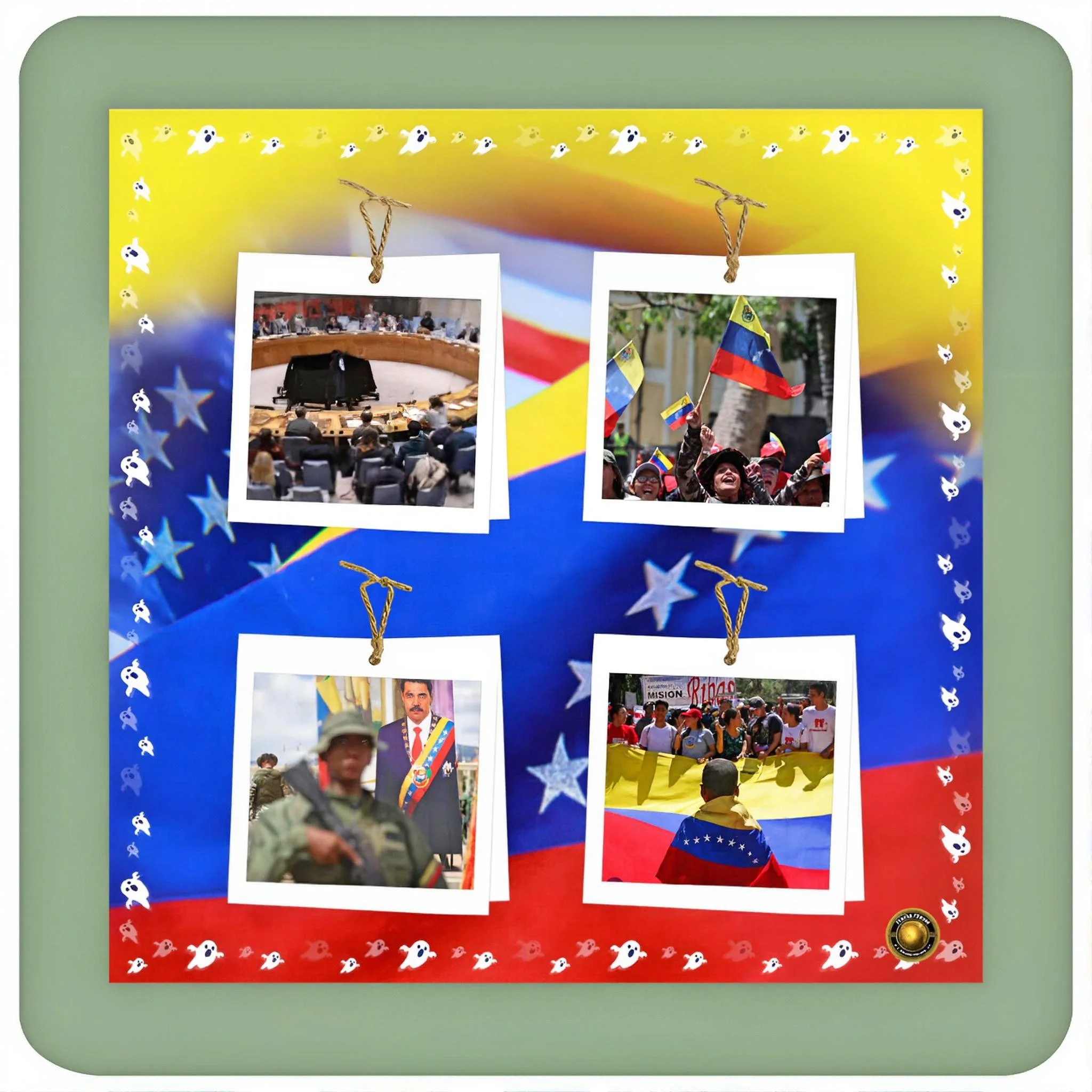
Currently, the seat of government in Caracas is contested. While the US has announced a transitional authority, the Venezuelan representative at the UN, Samuel Moncada, continues to hold his credentials, creating a diplomatic paradox where the representative of a deposed government is still recognized by the UN body as the legitimate voice of his nation.
Key Developments: The Duel of Speeches
The core of the session was the exchange between the Venezuelan and American delegations. The rhetoric was raw, stripping away the usual diplomatic euphemisms.
Venezuela’s Denunciation: “A Colonial War”
Ambassador Samuel Moncada delivered a blistering indictment of the United States, framing the operation as an imperial conquest rather than a legal intervention.
“This is not a law enforcement operation,” Moncada stated, holding up images of the strikes on Caracas. “This is a colonial war aimed at destroying our republican form of government, freely chosen by our people, and at imposing a puppet government that allows the plundering of our natural resources, including the world’s largest oil reserves.”
Moncada’s argument centered on the violation of Article 2(4) of the UN Charter. He argued that the US had “turned back the clock 200 years” to an era where might makes right. “The United States President,” he declared, “has confessed to a crime of aggression. He demands our land, our oil, and our dignity. When we refused, he sent his bombers. This Council must decide: are we nations of laws, or are we subjects of an empire?”
United States’ Defense: “Article 51 and the End of the Status Quo”
US Ambassador Mike Waltz rejected the premise of the Venezuelan complaint entirely. He did not apologize for the operation; he championed it as a necessary act of national survival.
“You are going to hear a lot of hand-wringing today about Article 2 of the UN Charter,” Waltz told the chamber. “But I will remind everyone of Article 51, which enshrines a nation’s inherent right to self-defense.”
Waltz characterized the Maduro administration not as a government, but as a “transnational criminal cartel” occupying a seat of power. “We are not dealing with a sovereign state,” he argued. “We are dealing with a drug kingpin, an illegitimate leader indicted in the United States, who is coordinating with China, Russia, and terrorist groups like Hezbollah to pump drugs, thugs, and weapons into the United States of America.”
His conclusion was blunt: “Was President Trump just going to let that status quo continue? Absolutely not. He gave diplomacy a chance. He gave Maduro a chance. But when the threat became imminent, he took decisive action. We will not apologize for protecting our citizens.”
Latest Facts and Concerns
Global Fracture
The session revealed a fractured international community. Russia and China echoed Moncada’s language, calling the operation a “gangster-style kidnapping” and warning that no leader is safe if the US can unilaterally redefine sovereignty.
The European Union, usually aligned with the US, issued a cautious statement calling for “restraint” and “respect for international law,” signaling deep unease with the method of regime change.
Operational Reality
On the ground, the US announcement that it intends to “run Venezuela” until a transition is “safely arranged” has raised practical and legal alarms.
There is no UN mandate for such an administration, and the “responsibility to protect” (R2P) doctrine was not invoked, leaving the US occupation in a legal gray zone.
Humanitarian Fallout
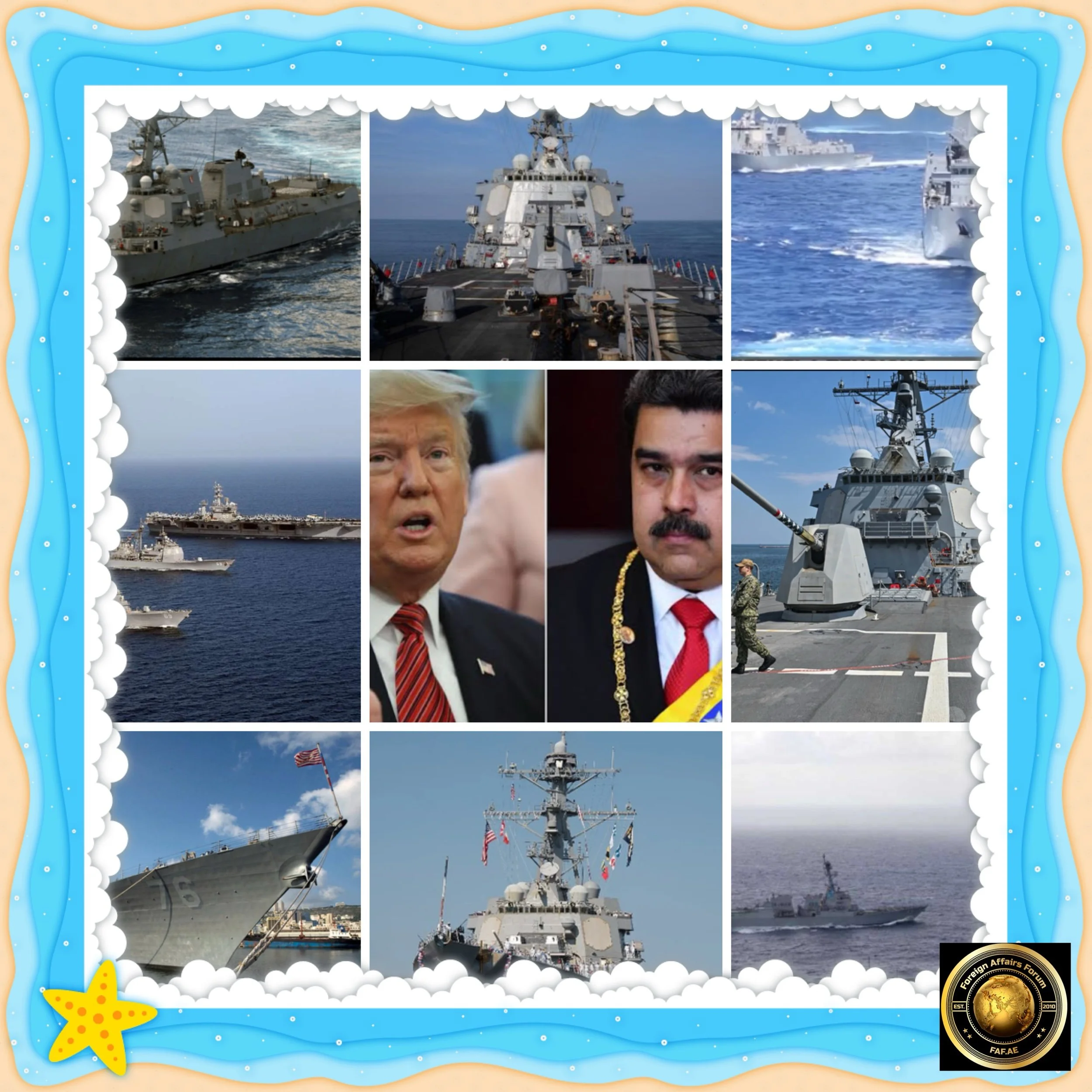
Aid agencies report that the uncertainty has frozen food imports, and the US naval blockade—maintained to prevent “counter-attacks”—is strangling an already weak supply chain.
Cause-and-Effect Analysis
Cause
The immediate catalyst was the failure of the “maximum pressure” sanctions regime to dislodge Maduro and the subsequent intelligence reports—cited by Waltz—alleging an imminent “invasion” of the US by state-sponsored actors.
The deeper cause is the shift in US strategic thinking, which now views failed states in the Western Hemisphere as intolerable security voids.
Effect
The most significant effect is the erosion of the principle of sovereign immunity. By treating a head of state as a common fugitive, the US has set a precedent that could be weaponized by other powers.
Diplomaticaly, the UN Security Council is now effectively paralyzed regarding the Western Hemisphere, as any future resolution will be vetoed by the US (to protect its operation) or by Russia/China (to deny US legitimacy).
Future Steps
The Trial of the Century
The US Department of Justice will proceed with the prosecution of Nicolás Maduro. This will likely be a public spectacle intended to justify the operation retroactively by presenting evidence of his “narco-terrorist” activities.
The Insurgency Question
The “paramilitary” elements mentioned by Waltz—colectivos and cartel enforcers—are likely to launch an asymmetric insurgency against US forces in Caracas, complicating the “clean” transition Washington envisions.
Diplomatic War of Attrition
Venezuela’s seat at the UN will become a battleground. The US will likely move to strip the Moncada delegation of credentials and seat a representative of the new transitional authority, a move that will face fierce procedural resistance from the Global South.
Conclusion
The January 2026 Security Council meeting will be remembered as the moment the facade of a unified international legal order finally cracked. The United States and Venezuela did not just disagree on facts; they spoke from entirely different legal realities. For Moncada, sovereignty is absolute and inviolable.
For Waltz, sovereignty is conditional and forfeited by criminal behavior. With the US military now firmly entrenched in Caracas, the argument has been settled by force, but the precedent set threatens to destabilize the rules-based order for decades to come.
The “Midnight Raid” on Caracas has ended one regime, but it has begun a new, perilous chapter in the history of the Americas.