Why Peace Talks May Help Kyiv But Cannot Solve Everything
Introduction
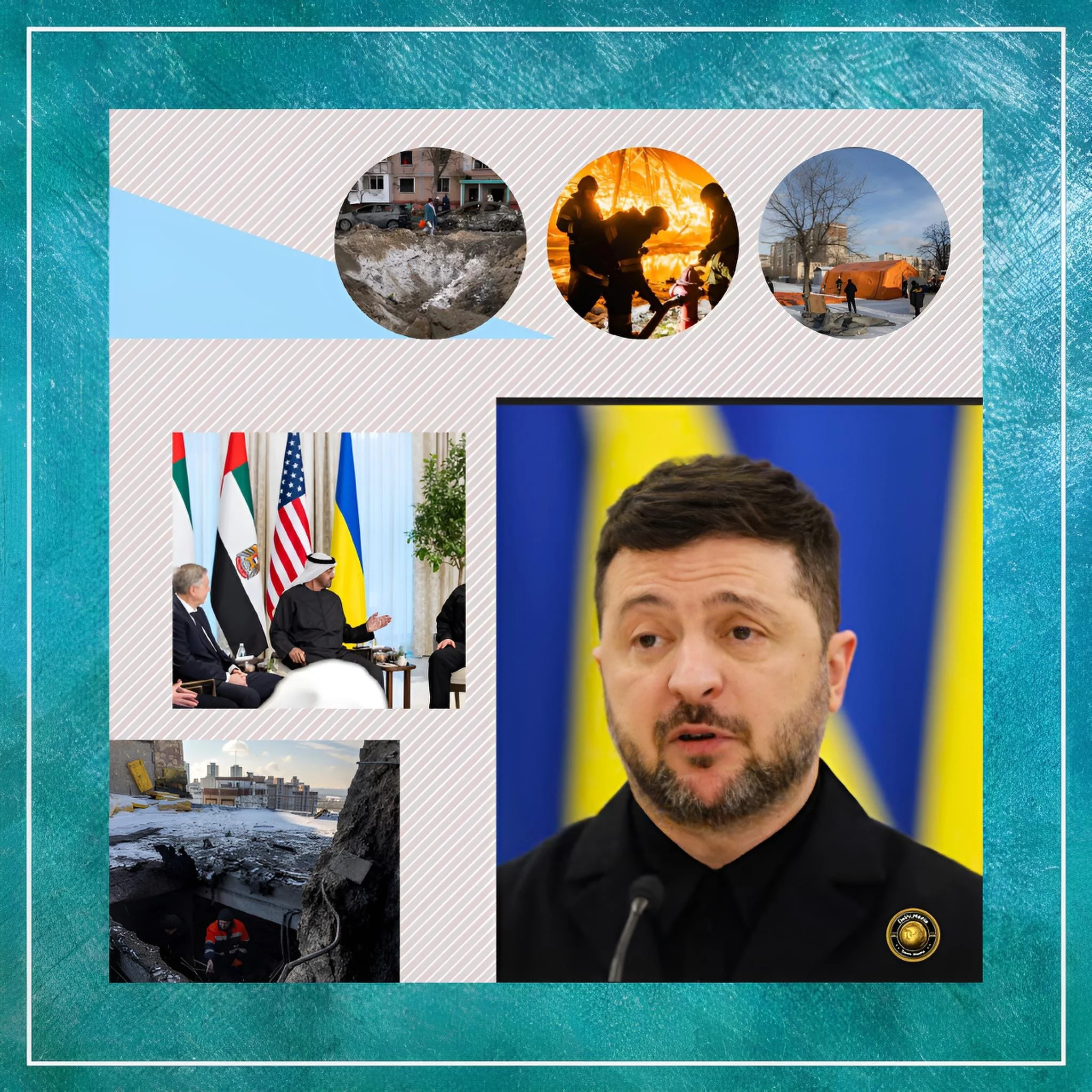
Peace Talks Begin in Abu Dhabi
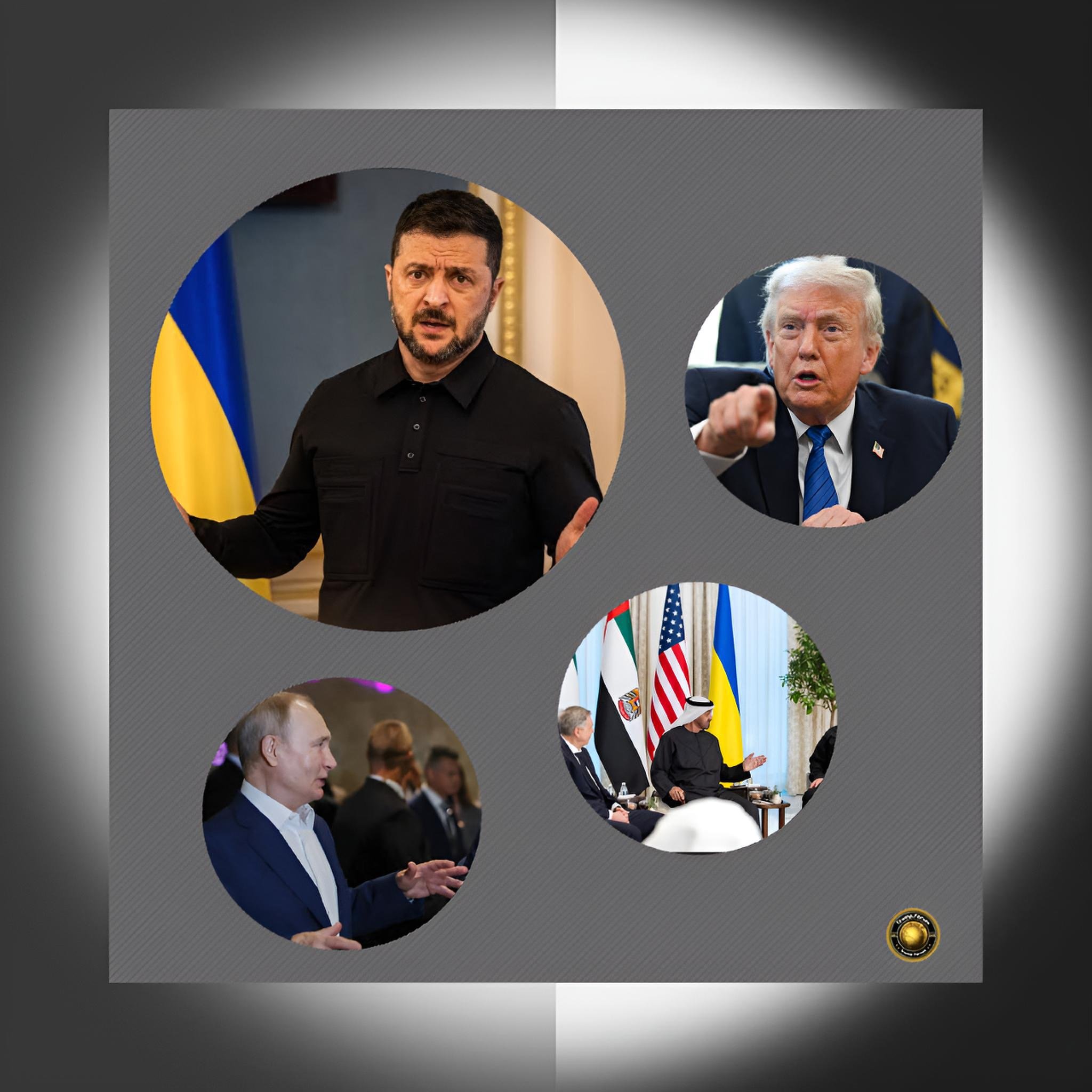
In January 2026, something important happened. For the first time in 8 months, Russia, Ukraine, and America sat down together in Abu Dhabi to talk about ending the war. The talks happened on January 23 and 24. They brought together diplomats from 3 countries to discuss how to stop the fighting.
President Zelensky said the talks were "productive." He meant that people talked seriously and made some progress. Steve Witkoff, who represents President Trump, said the talks were "very constructive." He said more talks would happen on February 1.
But these talks happened at a very bad time. While diplomats were talking in Abu Dhabi, people in Kyiv were freezing. Their homes had no heat. Their city had no electricity. This made the situation very complicated.
The Freezing of Kyiv: A Crisis Like No Other
Kyiv, the capital of Ukraine, is one of the biggest cities in Europe. It has 3 million people. In January 2026, Russia attacked Kyiv's energy system over and over again. On January 9 alone, Russia fired 242 drones and 36 missiles at energy facilities.
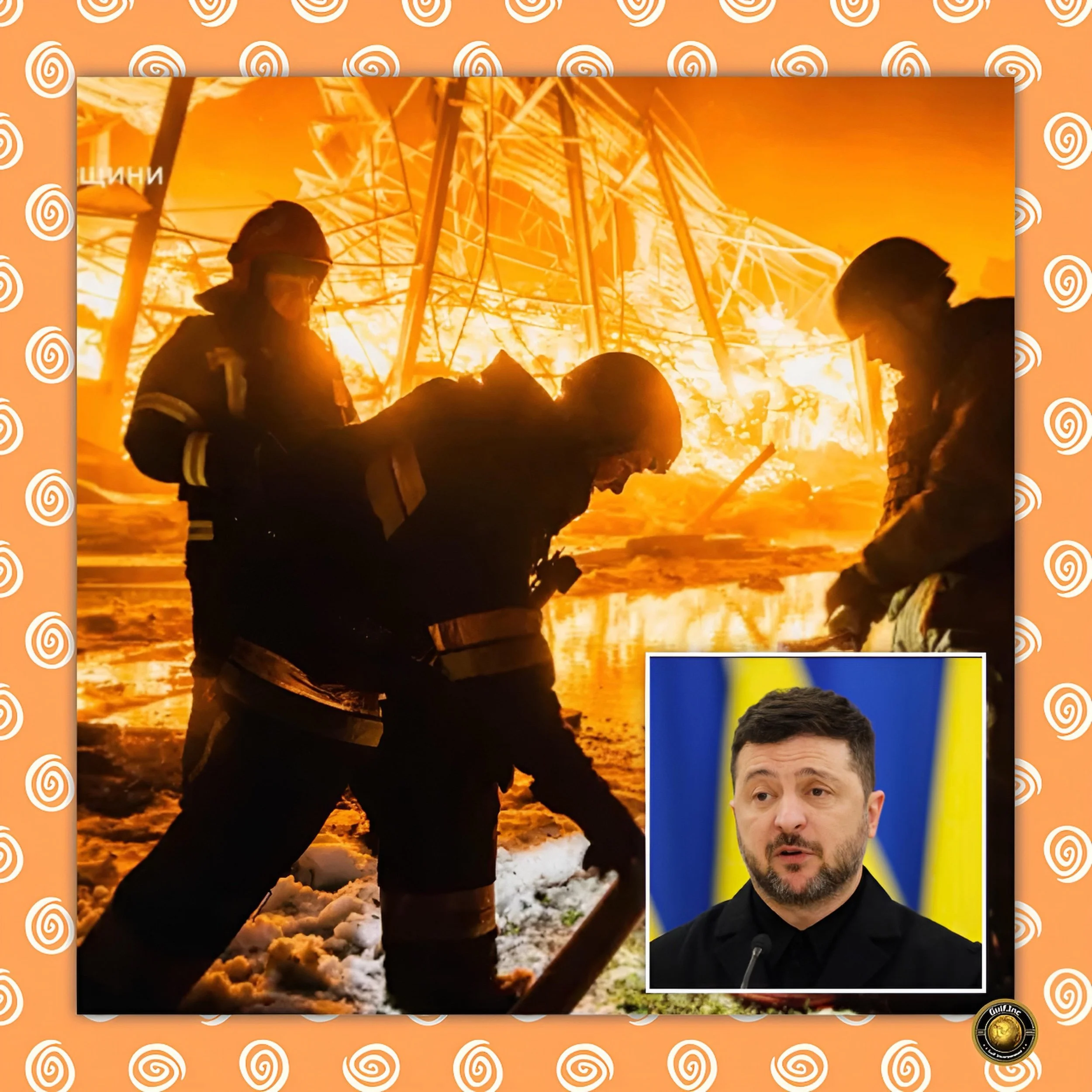
What happened was terrible. The power plants that provide electricity and heat were destroyed. The generators that make electricity could not work. The system that delivers hot water to homes broke down.
By January 29, over 600 buildings had no heat. That means 600 buildings full of families were in apartments where the temperature outside was -15 degrees Celsius (5 degrees Fahrenheit) and it was just as cold inside. People put on all the clothes they owned. Children wore coats inside the house. Old people got very sick.
The electricity situation was worse. Kyiv normally uses 2,000 megawatts of electricity every day. In January, it had only 200 megawatts available. That means the city had only 10% of the power it needed. Lights did not work. Refrigerators did not work. Heaters did not work. Water pumps did not work because they need electricity.
What did people do? They went to special warm places. The city opened 1,200 places where people could go to get warm. Schools became warming centers. Community buildings became warming centers. People sat together to stay warm.
About 600,000 people left Kyiv. That is 17% of the city. They went to other cities that had heat and electricity.
The Negotiations: What They Want
Russia wants 3 things:
First, Russia wants all of the Donetsk region. This is in eastern Ukraine. Russia controls most of it, but Ukraine still controls some cities there. Russia says Ukraine must leave these cities and give them to Russia.
Second, Russia wants Ukraine to promise never to join NATO (the military alliance with America and Europe).
Third, Russia wants Ukraine to reduce the size of its army.
Ukraine wants 3 different things:
First, Ukraine will not give Russia any territory.
The Ukrainian president, Volodymyr Zelensky, says Ukraine's constitution does not allow any president to give away land. Also, Zelensky says Russia has captured less than 1% of Ukraine in 4 years of fighting. He thinks it is unfair to demand he give Russia land Russia did not capture yet.
Second, Ukraine wants protection from America and Europe. If peace comes, Ukraine will be next to Russia with no army to protect itself.
So Ukraine wants European soldiers to stay in Ukraine to make sure Russia does not attack again. Ukraine also wants America to promise to help if Russia attacks again.
Third, Ukraine wants its freedom. Ukraine does not want to lose its independence. Ukraine wants to decide its own future without Russia telling it what to do.
America has a middle idea. America says: let Russia keep the land it has now. Let Ukraine keep the land it has now. Put international soldiers between them to watch and make sure neither side attacks.
Eventually, maybe in 5 years or 10 years, have a vote to decide who owns the land. America calls this the "Kosovo model" because a similar thing happened in the Balkans country of Kosovo.
Trump's Ceasefire: Is It Real?
On January 29, Trump said something important. He said: "I personally asked Putin not to attack Kyiv for a week, and he agreed."
Trump said Putin agreed because of the terrible cold in Kyiv. He said Putin would stop attacking Kyiv until February 1.
Is this true? Maybe. The Kremlin said yes, Putin agreed. But there is a problem. Russia has broken promises about ceasefires before.
In March 2025, Russia agreed to stop attacking energy infrastructure for 30 days. But Russia broke that promise after just a few days. Russia said some of its soldiers did not know about the agreement.
During the Abu Dhabi talks in January, Russia broke its promise about ceasefire again. While talks were happening, Russia attacked a city called Odesa and a passenger train. Russia said that different parts of the military did not know about the ceasefire. But that sounds like an excuse.
Also, Zelensky was not sure about Trump's announcement. Zelensky said it was a "gentlemen's agreement," not a real ceasefire. He said he and Putin did not talk directly about it. He said America came up with the idea, and maybe Russia will follow it, and maybe it will not.
Why Kyiv's Crisis Could Force a Bad Deal
This is the most important part: Russia destroyed Kyiv's energy system on purpose. Russia wanted to freeze the people and make them suffer. Russia wanted the suffering to force Ukraine to accept a bad peace deal.
And it might work. Why? Because Zelensky is responsible for the people of Kyiv. When 600,000 people leave the city and 600 buildings have no heat and schools are closed, Zelensky has a problem. He can say "I will not give Russia any land," but his people are freezing. His people are sick. His people are dying.
So maybe Zelensky will have to accept a deal. Maybe he will have to give Russia some land to stop the suffering. This is exactly what Russia wanted.
This is the danger of peace talks. The person negotiating for Ukraine is not comfortable. He is thinking about freezing families. He is thinking about sick old people. He is thinking about children who have no school. This makes him willing to accept things he would normally refuse.
What Comes Next?
Three things could happen:
First, Russia could pretend to negotiate but really just want to buy time. Russia could say yes to peace talks but then break promises and start fighting again. This has happened before with Russia and Ukraine.
Second, Russia could accept some kind of deal. Maybe Russia keeps the land it has. Maybe Ukraine stays independent but can never join NATO. Maybe European soldiers stay in Ukraine as protection.
Third, Zelensky could get so much pressure from the freezing and suffering that he accepts a very bad deal. He might give Russia land that Ukraine still controls. He might agree to things that hurt Ukraine's future.
The next talks are February 1. That is very soon. The weather will be worse by then. Temperatures might go down to -25 degrees.
Why This Matters to the World
If Russia wins, then Russia can invade other countries too. Russia could attack Poland or Moldova or Georgia. If the world sees that Russia can win by attacking civilian electricity and freezing families, then other leaders might try this too.
Also, millions of people will be hurt. If peace comes through Ukraine giving up land, then millions of Ukrainians lost their homes and their country. If peace does not come, then millions more will freeze and suffer.
For America and Europe, this matters too. If Russia wins by using winter as a weapon, this shows that military invasion still works in the modern world. This would be very bad for world peace.
Conclusion
The talks in Abu Dhabi show that maybe peace is possible. The Trump ceasefire shows that maybe Russia and Ukraine can talk. But the freezing of Kyiv shows that Russia is willing to hurt millions of people to force Ukraine to accept bad terms.
Real peace cannot come from suffering. Real peace must come from real compromise where both sides give up things they want. Right now, that is not happening. Russia wants all of Donetsk. Ukraine wants no territory lost. These are not compatible.
The suffering in Kyiv could force a deal. But it will be a deal made under coercion. And deals made under coercion usually do not last. They usually just lead to more fighting later.
The people of Kyiv are hoping for peace. They are also hoping for heat. These hopes might contradict each other. That is the tragedy of war.