How the Kurds Lost Their Autonomy: Why Syria's New Deal Could Repeat Iraq's Mistakes and Create New Conflicts
Executive Summary
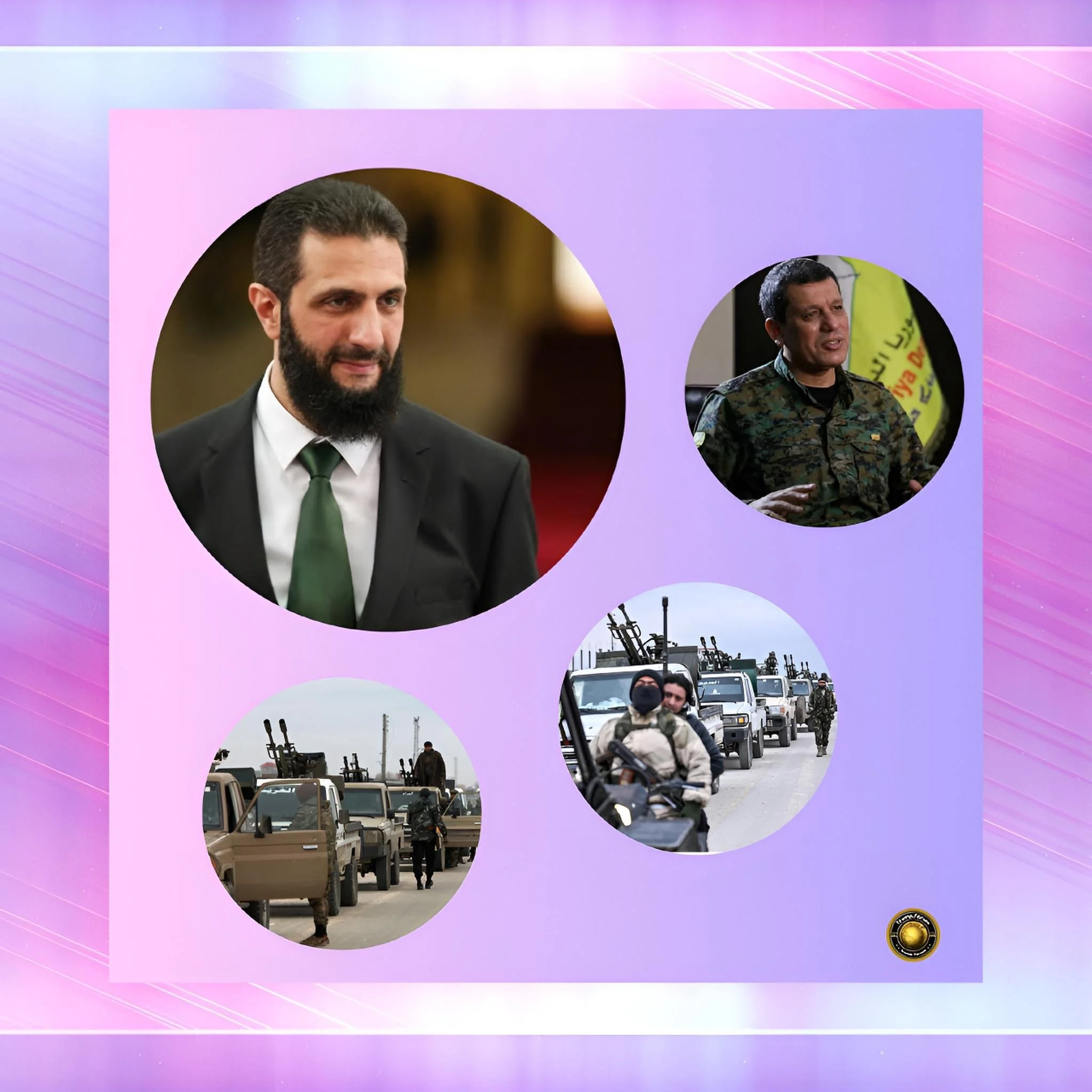
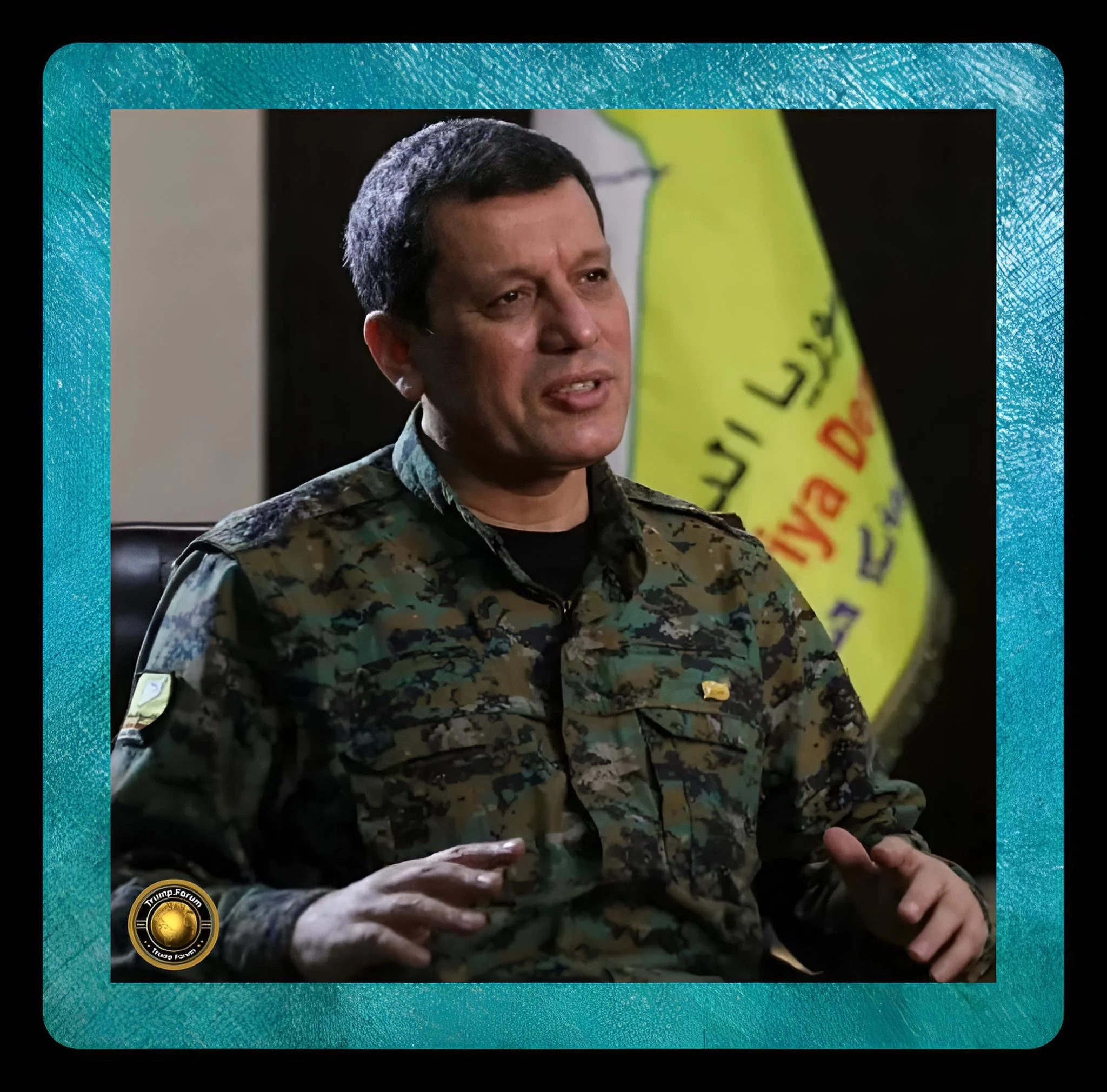
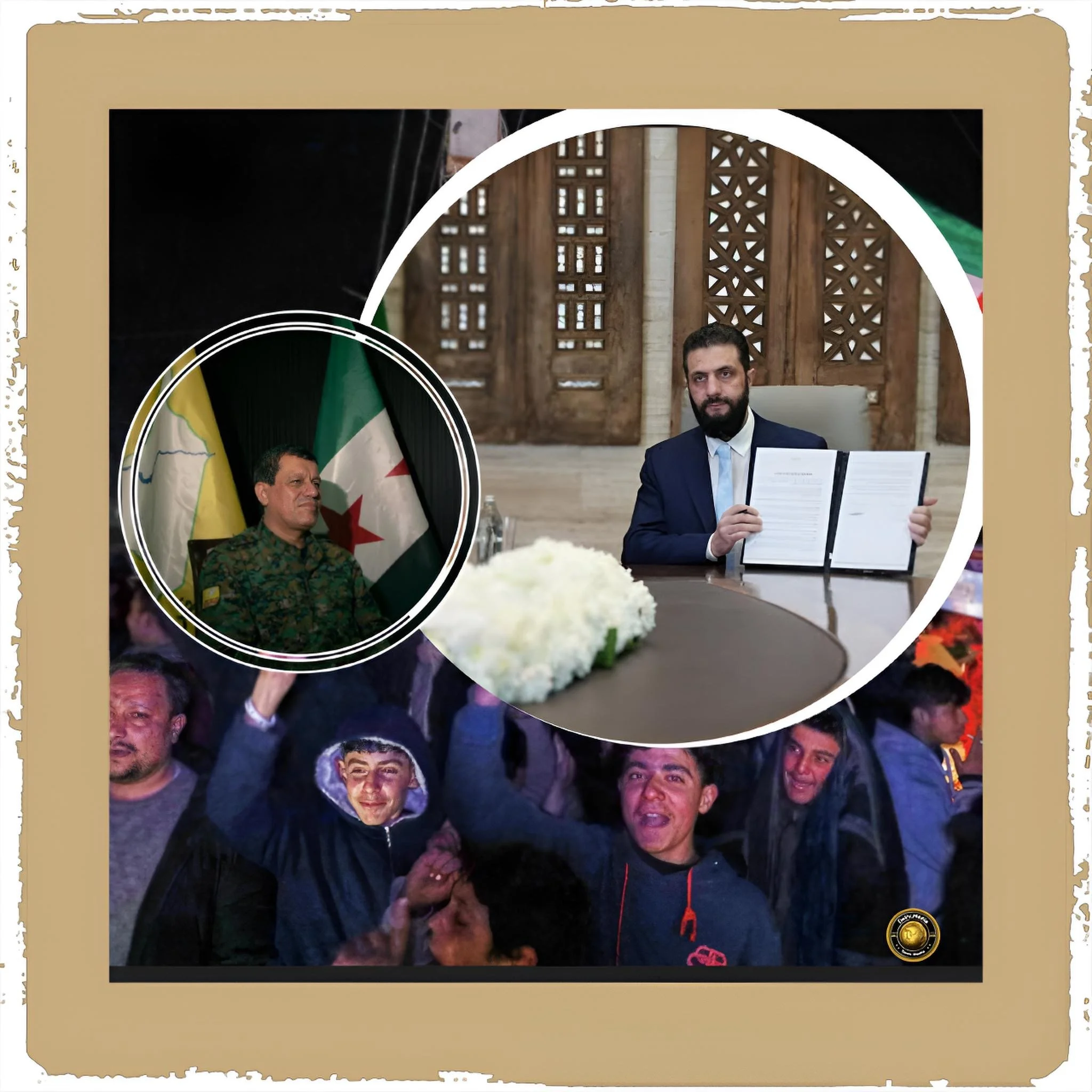
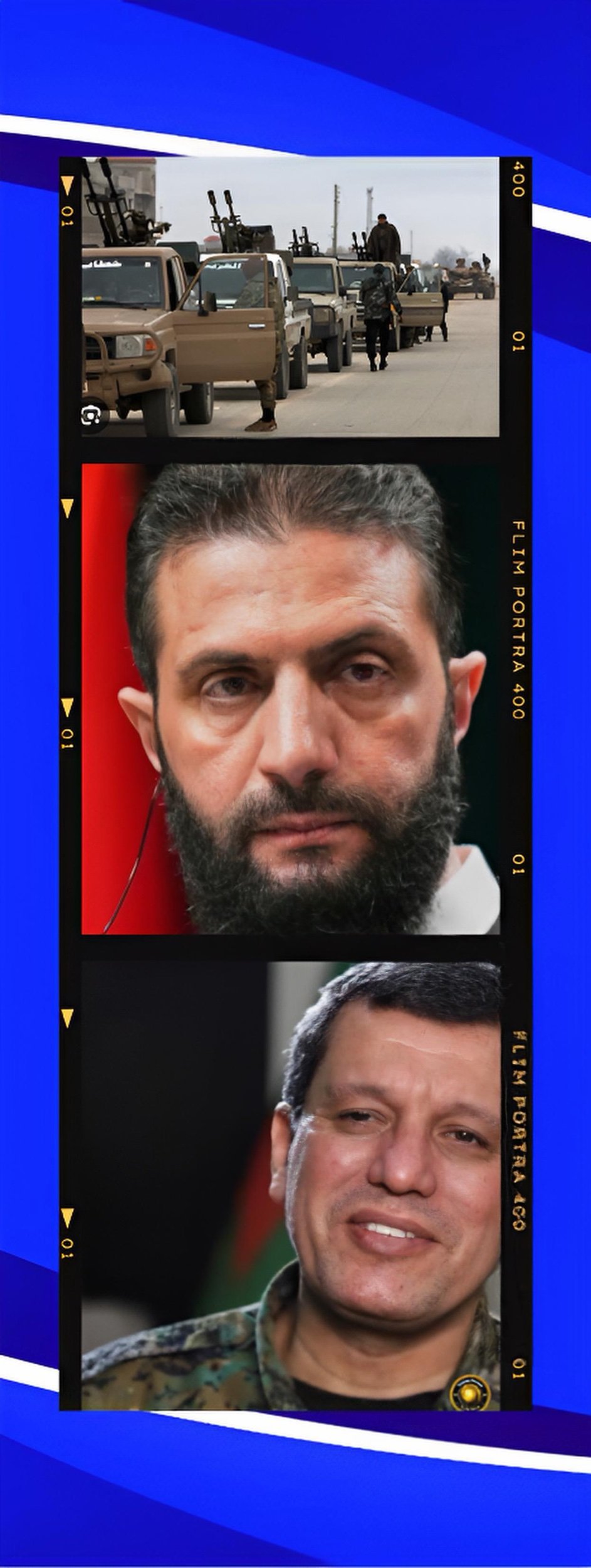
On January 30, 2026, the Syrian government and the Kurdish-led Syrian Democratic Forces signed an agreement to integrate the SDF into the central government.
On the surface, this sounds like peace and unity. In reality, it represents the end of Kurdish self-governance in Syria that had developed over 14 years.
The Kurds gave up nearly everything they wanted: their independent military forces, their oil revenues, and their autonomous administration. In exchange, they received vague promises of cultural rights with no legal enforcement.
This deal is dangerous because it repeats the mistakes Iraq made in the past, concentrates power in a government led by Islamists with no proven commitment to minority rights, and gives Turkey exactly what it wanted—the elimination of Kurdish power.
Worse, the Syrian National Army that will help enforce this deal contains many foreign fighters, not Syrian citizens, raising questions about whose interests it truly serves.
Syria risks repeating Iraq's sectarian violence or triggering a new round of Kurdish resistance. The solution requires federal arrangements protecting Kurdish autonomy, but the current deal moves in the opposite direction.
Introduction
How Kurds Built Something Real in Syria
Between 2012 and today, Syrian Kurds built something remarkable. When the Syrian civil war collapsed the central government's authority, Kurds in the northeast established their own autonomous administration. Think of it like this: imagine your federal government collapses into chaos.
Local communities in certain regions organize their own schools, police, courts, and local government. Over 14 years, the Kurdish autonomous administration developed functioning institutions that provided basic services to millions of people.
The Kurdish region, called Rojava in Kurdish, controlled about 30% of Syrian territory. More importantly, it contained the vast majority of Syria's remaining oil and gas reserves—estimated at 150,000 to 200,000 barrels per day worth of petroleum.
These oil fields could generate billions of dollars annually if properly developed. The Kurds also controlled important dams and agricultural land along the Euphrates River. Demographically, the region was approximately 60% Kurdish and 40% Arab, with smaller populations of other groups.
The Kurdish autonomous administration developed its own systems for nearly everything. They ran schools teaching in the Kurdish language—something the Assad regime had prohibited for 50 years.
They established courts and police forces. They created municipal councils. They organized healthcare services and maintained basic infrastructure.
The Kurdish military force, the Syrian Democratic Forces, grew to approximately 50,000 fighters—the most organized and capable military force in Syria besides the government itself.
The SDF was approximately 40% Kurdish and 60% Arab, making it more representative of the region's actual population than many other Syrian armed groups.
This autonomous administration had real problems. The economy was fragile because Turkey sealed the borders and prevented normal trade. International sanctions on Syria made it difficult to rebuild.
But the basic system functioned. Kurds pointed to Rojava as proof that they could govern themselves effectively. It became a living example of Kurdish capability for self-administration.
What Changed
The Collapse of American Support and Turkish Pressure
Everything changed suddenly in December 2024. The Assad regime fell. A new Syrian government under Ahmad al-Sharaa took power.
Al-Sharaa immediately declared that Syria must be unified under central government control with no autonomous regions, no federal structures, no special arrangements for minorities.
He said Kurdish autonomy was separatism—a national security threat. He also said the oil reserves belonged to the Syrian state and would be controlled from Damascus.
At the same time, the United States government signaled that it was abandoning the Kurds. The American military had approximately 900 troops in Syria working with the SDF to fight the Islamic State terror group.
The US had supported the Kurds for years, seeing them as effective partners against terrorism. In January 2026, the US Special Envoy Tom Barr announced that the "original purpose of partnership with SDF has largely expired" and that the US now supports al-Sharaa's government instead.
The US essentially told the Kurds
we are no longer your protector
At the same moment, Turkey intensified pressure. Turkey views the Kurds as a security threat because of the PKK (Kurdistan Workers Party), a militant group that has fought Turkey for decades.
Turkish officials stated they would not accept "any separatist structure along our southern borders." Turkey had already occupied Afrin, a Kurdish region northwest of Syria, in 2018.
Now Turkey threatened to use military force against the SDF if they did not accept integration. Turkish drones began striking SDF positions. Turkish military intelligence coordinated with Syrian government forces attacking Kurdish territories.
The Kurds faced an impossible situation. The United States, their primary military backer, had withdrawn support.
Turkey, their powerful neighbor, was actively helping Syrian forces attack them. The Syrian government was advancing militarily on Kurdish positions. The SDF could not defend all its territories against these combined enemies.
What the Deal Actually Says—and What It Means
Between January 18 and January 30, 2026, negotiations occurred. The Kurds asked for reasonable protections for their interests:
They wanted 30% representation in government, including 28 ambassadorships, because 30% of the Syrian population is Kurdish.
They wanted 3 Kurdish-majority provinces with elected governors so Kurds could control their own regions.
They wanted to retain 25-30% of oil revenues generated from Kurdish territories for Kurdish development.
They wanted constitutional guarantees protecting the Kurdish language and cultural rights.
The Syrian government rejected all these demands. President al-Sharaa said the demands were "suicidal" for his government. He refused any federal structure or special autonomous status. He insisted on 100% central control.
Faced with military overwhelming odds, the Kurds capitulated. Here is what the final agreement says:
First, SDF fighters will be integrated individually into Syrian military brigades. This means the SDF as an organization disappears.
Instead of 50,000 Kurdish soldiers controlled by Kurdish commanders, you have 50,000 individual fighters scattered throughout the Syrian army under the command of central government officers. This destroys the military coherence that made the SDF an effective force.
Second, all oil and gas revenues go to Damascus. The Kurds requested that some portion of oil revenues from Kurdish territories finance Kurdish development. The final agreement provides nothing of the sort. All oil revenue is transferred to "state control," meaning the central government decides how to allocate it. The Kurds gave up control of their primary economic resource.
Third, Kurdish civil institutions—schools, courts, police forces, administrative offices—will be merged into central government structures. Kurdish institutions do not disappear entirely but become subordinate to Damascus authority. This ends Kurdish self-governance.
Fourth, prisons holding ISIS detainees will be transferred to central government control. The SDF had been managing detention camps containing thousands of ISIS fighters and their families. Now Damascus takes control of these security risks.
Fifth, the agreement promises "civil and educational rights for the Kurdish populace." This language sounds protective, but here is the critical problem: it is not legally binding.
There is no constitutional requirement that these rights be protected. If the Syrian government decides tomorrow to ban Kurdish language education or suppress Kurdish cultural expression, the Kurds have no legal recourse. The promise is voluntary—the government can keep it or break it at will.
Why the Oil Revenue Issue Matters—A Lot
The transfer of oil revenues deserves special attention because it reveals the deal's true character. Before Syria's civil war, oil provided substantial government revenue.
After 14 years of conflict, oil is one of the few valuable resources Syria possesses. The northeast oil fields produce about 150,000 to 200,000 barrels daily—essentially all of Syria's remaining oil production.
The Kurds originally demanded 25-30% of these revenues for autonomous development. This was reasonable because:
The oil comes from Kurdish territories. Kurds extracted it, managed it, lived with its environmental costs.
For 50 years under Assad, the Kurdish region received minimal state investment despite possessing oil wealth. Schools, hospitals, and infrastructure were neglected.
If oil revenues go entirely to Damascus with no revenue-sharing mechanism, the historical pattern of Kurdish marginalization will repeat.
Here is a concrete example: Imagine you own a property with valuable minerals underground. A neighbor takes control of your property and all mineral extraction.
They promise to spend some money improving your neighborhood "voluntarily." That is what this deal does. The Kurds have no guaranteed share of the oil wealth generated from their territory.
This matters for Syria's future because oil revenues could finance Syria's reconstruction. Estimates suggest Syria needs $250 billion to $400 billion for rebuilding.
Oil revenues could generate billions annually. If those revenues are controlled from Damascus without revenue-sharing guarantees, you can predict two outcomes:
First, oil revenues will likely be used for priorities favored by the central government (military, security forces, Damascus-area development) rather than for Kurdish region development.
Second, corruption—which remains endemic in Syrian state institutions—means some portion will simply disappear into officials' pockets rather than funding reconstruction.
The Syrian National Army Problem
Who Are These Soldiers?
Your concern about the Syrian National Army's composition is legitimate. Here is what the SNA actually is:
The SNA is Turkey's proxy force in Syria. It operates under Turkish military control even though it nominally reports to a Syrian Interim Government Ministry of Defence. Turkey finances it, equips it, and directs its operations. It comprises approximately 80,000 fighters from various backgrounds.
The composition is revealing. The SNA includes: former Free Syrian Army units (some from Syria, some not), nationalist Islamist groups, Turkmen militias, Salafi-jihadist contingents, and foreign fighters. A significant portion are not Syrian citizens:
Uyghur fighters from Xinjiang (China) who previously fought under the Turkistan Islamic Party
Chechen fighters from Russia organized under groups like Ajnad al-Qawqaz
Balkan fighters organized under the so-called Balkan Battalion
Various jihadist foreign fighters from al-Qaeda-linked groups
By contrast, the SDF comprises approximately 50,000 fighters, 40% of whom are Kurdish and 60% Arab—mostly local populations recruited from the regions they fight in.
Compare the legitimacy
The SDF is staffed primarily by local people fighting for their communities. The SNA is dominated by foreign fighters and Turkish proxies fighting for Turkish interests.
The integration agreement shifts power toward the SNA and away from the SDF. This is backward if the goal is establishing legitimate governance based on local constituencies.
Turkey's Real Goal
Preventing Kurdish Success Anywhere
Here is what many people misunderstand about Turkey's position: Turkey is not just concerned about Kurdish military threats. Turkey is concerned about Kurdish self-governance success anywhere in the region.
Why? Because if Kurds in Syria successfully govern themselves, it provides an example and an inspiration for Turkey's own large Kurdish population (approximately 20% of Turkey's population, roughly 15 million people).
Turkey has fought a war against the PKK for decades. In February 2025, the PKK leader, Abdullah Öcalan, called for the group to disarm and lay down its weapons.
But Turkey did not accept peace even with this concession. Turkey continues military operations because for Ankara, complete victory and total elimination of Kurdish independence aspirations is the goal—not negotiated settlement.
Turkish Foreign Minister Hakan Fidan has made clear he demands unconditional Kurdish surrender. He says the Kurds are behaving deceptively and must submit completely. If they resist, he warns, Turkey will use force.
Turkish drones have already struck SDF positions multiple times in January 2026.
This creates an impossible situation: genuine Kurdish autonomy requires Turkish acceptance, but Turkey refuses to accept any Kurdish autonomy. Turkey's veto power means the Kurds cannot establish federal arrangements protecting self-governance—Turkey will oppose them militarily.
The integration agreement essentially serves Turkish interests by eliminating the Kurdish autonomous alternative.
Learning from Iraq
Why Federal Systems Work Better
Fourteen years ago, Iraq faced a similar situation after Saddam Hussein fell. Iraq established a federal system explicitly protecting Kurdish autonomy through the constitution. Here is what happened:
The Kurdistan Region of Iraq became the most stable and prosperous region in the country. It developed functioning civil institutions, maintained security, and achieved economic development.
Yes, there are tensions between Baghdad and the Kurdish region over oil revenues and disputed territories. But the basic framework works—Kurds govern themselves in most matters while remaining part of Iraq.
Compare that to Syria's new deal: No federal protection. No constitutional safeguards. Only vague, unenforceable promises of cultural rights. This sets up exactly the conditions that generated the original Syrian civil war.
Syria contains multiple ethnic and religious groups: Sunni Arabs (majority), Alawites, Druze, Kurds, Turkmen, Circassians, and others. Concentrating all power in a central government controlled by one faction (the Islamist al-Sharaa government aligned with Sunni interests) without constitutional protections for minorities creates the potential for:
Majoritarian political pressures discriminating against minorities
Security force repression of minority populations
Renewed sectarian violence
Armed resistance by marginalized groups
This is precisely what generated Syria's original civil war when the Assad regime concentrated power without minority protections.
What Could Happen Next
Three Possible Futures
Scenario 1
The Optimistic Outcome (Probability: 20%)
The Syrian government demonstrates unexpected restraint. Despite lacking legal obligations, al-Sharaa's government permits local autonomy in Kurdish regions. Oil revenues are allocated equitably. Kurds retain effective control over education and culture.
Minority rights are respected even without constitutional guarantees. Syria stabilizes. This scenario requires fundamental trust between Damascus and Kurds after 50 years of historical hostility and marginalization. Historical precedent does not support optimism here.
Scenario 2
Gradual Reassertion of Control (Probability: 60%)
The central government systematically reasserts control over Kurdish regions. Cultural and linguistic rights are nominated but not enforced. Kurdish schools are pressured to teach Arab nationalism.
Kurdish language education is gradually restricted. State security forces suppress Kurdish political expression. Oil revenues are allocated to non-Kurdish priorities. The situation replicates pre-2011 patterns of Kurdish marginalization. Frustrated Kurds eventually organize resistance. Tensions escalate into renewed conflict within 3-5 years.
Scenario 3
Sectarian Fragmentation and Civil War (Probability: 20%)
The integration process fails completely. Various Syrian factions—Kurds, Druze, Alawites, other groups—perceive the central government as hostile or discriminatory. Armed conflict erupts.
The abundance of weapons distributed among various factions accelerates escalation. Syria descends into communal violence worse than the original civil war. International intervention may be required. This scenario repeats the Iraq nightmare.
Why Oil Matters for Syria's Future
Oil revenues are central because they determine whether Syria can rebuild. Consider the numbers:
At 150,000 barrels daily at approximately $75 per barrel, oil revenues could generate approximately $4 billion annually.
Syria needs approximately $250 billion to $400 billion for complete reconstruction.
Even at maximum capacity, it would take 60-100 years to finance full reconstruction from oil revenues alone. But those revenues are essential nonetheless.
If oil revenues are misappropriated by corrupt central government officials, Syria cannot rebuild. If oil revenues are used for military spending and security apparatus rather than civil reconstruction, Syrian citizens will not experience improvement in their lives.
If revenues are not fairly distributed between Damascus and the regions producing the oil, Kurdish areas will remain underdeveloped.
The integration agreement's transfer of all oil control to Damascus, without revenue-sharing mechanisms or constitutional guarantees regarding allocation, creates conditions for continued Kurdish marginalization and economic stagnation in Kurdish regions.
What Solution Would Actually Work?
The optimal solution involves either:
Federal Option 1
A federal Syrian structure where Kurdish regions govern themselves internally (education, local administration, police, culture) while Damascus controls defense, foreign policy, and central matters. Oil revenues are shared through a constitutional formula ensuring Kurdish regions retain a proportional share for development.
This follows the Iraqi model and would allow Kurdish self-governance while respecting Syrian sovereignty.
Centralized Option 2
If a unified Syria is preferred, then a constitution must explicitly protect minority rights including Kurdish language, education, and cultural expression.
Kurdish representation in government must be guaranteed proportionally. Oil revenue-sharing must be constitutionalized. International monitoring mechanisms must enforce these protections since the historical record shows voluntaristic commitments prove unreliable.
Enforcement
Neither option works without enforcement. The international community must condition support for al-Sharaa's government on demonstrated respect for these protections. The United States should use its leverage to ensure meaningful guarantees rather than vague promises.
Why the US Shift Was a Mistake
The United States had supported the SDF for years as an effective counter-terrorism partner against ISIS. The SDF actually defeated ISIS as a territorial organization—an enormous achievement. In January 2026, the US suddenly switched support to al-Sharaa's government.
This creates several problems
First, it signals indifference to minority rights and democratic governance. The US claims to support democracy globally, but abandoning the more representative SDF in favor of an Islamist-aligned centralized government contradicts that claim.
Second, it weakens American leverage. By fully switching support to al-Sharaa, the US loses the ability to pressure him to protect minority rights. The US should maintain relationships with both the Syrian government and the Kurds, using its support as leverage to ensure inclusive governance.
Third, it undermines American credibility in the region. Other groups now see that American partnership offers no long-term protection. This weakens future American ability to build anti-terrorism partnerships.
The intelligent approach would have been conditional support: "We will support your government, Mr. al-Sharaa, but only if you implement federal arrangements protecting Kurdish autonomy and minority rights." Instead, the US simply switched sides.
Conclusion
Syria's Crossroads
The integration agreement signed on January 30, 2026, represents a fundamental failure to learn from Iraq's experience. Iraq created federal arrangements protecting Kurdish autonomy and achieved relative stability.
Syria's agreement concentrates power without constitutional minority protections and thus replicates the conditions that generated the original Syrian civil war.
The deal eliminates Kurdish autonomy, transfers all oil revenues to central control, subordinates Kurdish military forces to individual integration, and provides unenforceable promises of cultural rights.
It privileges the Turkish-aligned Syrian National Army over the more locally-representative SDF. It creates structural conditions for renewed sectarian conflict within 3-5 years.
Syria stands at a crossroads.
The path the current agreement follows leads toward repeated marginalization of Kurds and eventually renewed conflict. The path not taken—federal arrangements protecting Kurdish self-governance—would respect both Kurdish aspirations and Syrian sovereignty while creating genuine stability.
The international community, and particularly the United States, must recognize that supporting centralized authority without constitutional minority protections generates instability rather than stability.
Sustainable peace in Syria requires arrangements respecting Kurdish self-determination, constitutional protection of minority rights, and fair allocation of oil revenues toward regional development.
Anything less will likely generate the very instability that military integration allegedly prevents.