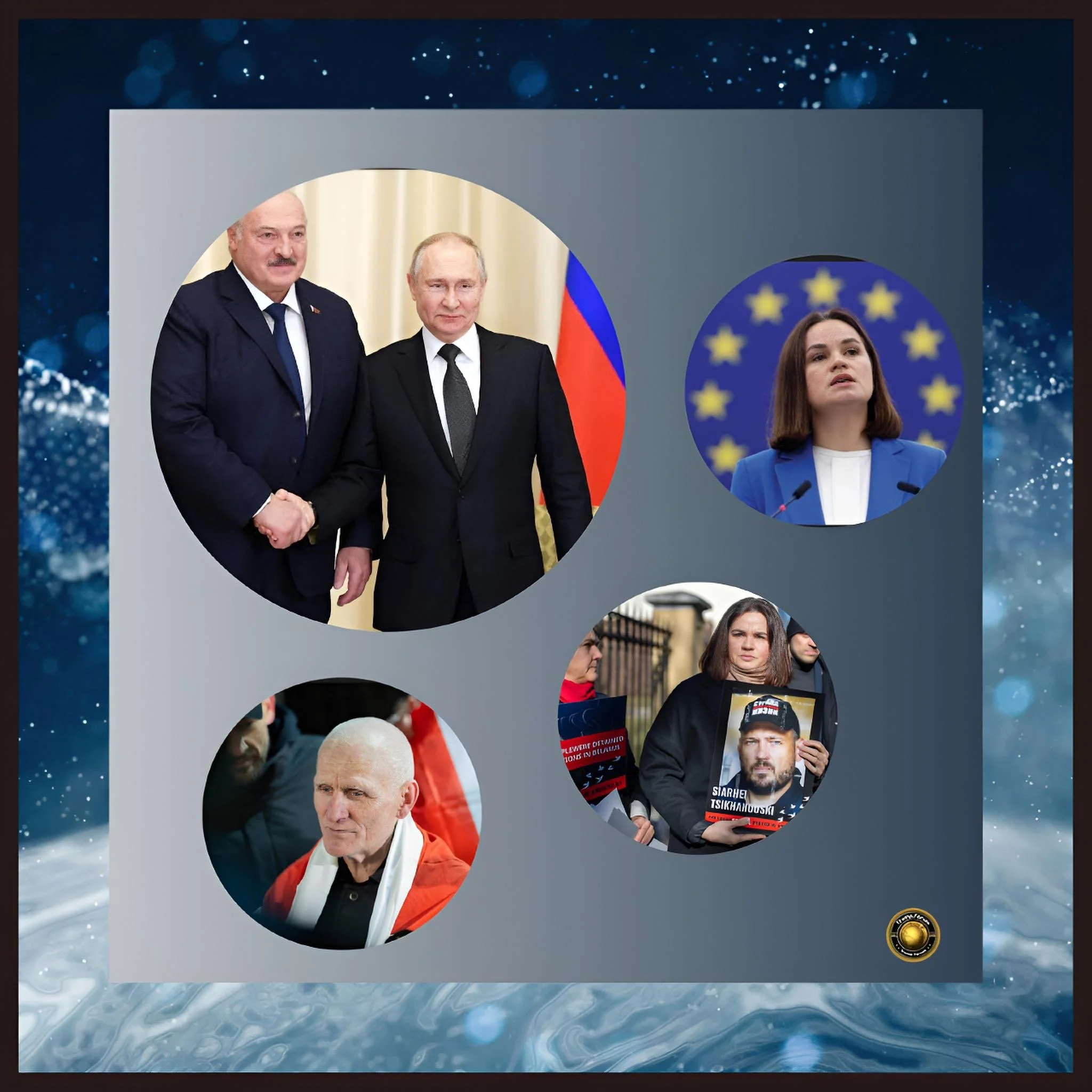
Should Europe Engage with Belarus? A Clear-Eyed Look at the Choices
Summary
The United States has taken a new approach to Belarus.
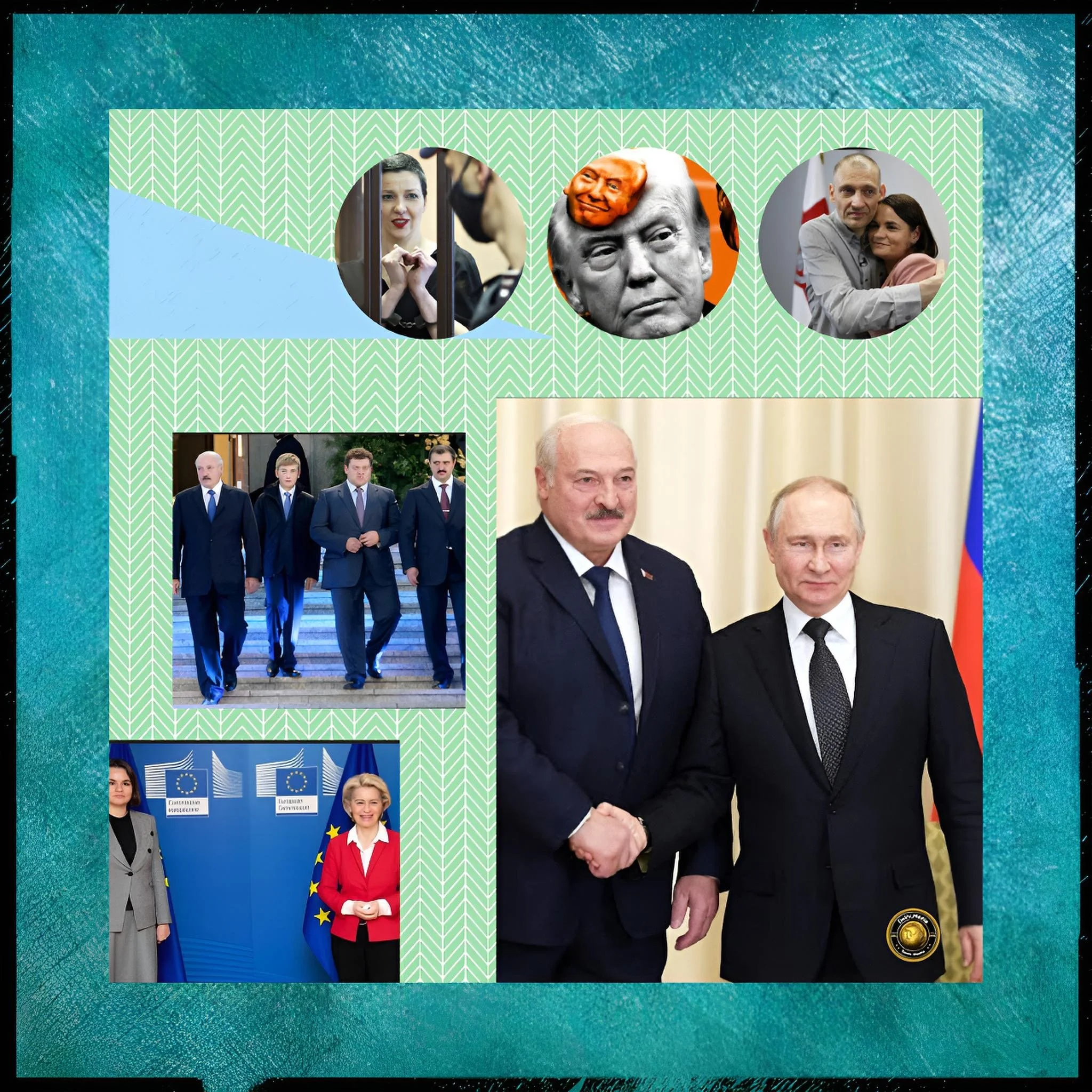
In recent months, the Trump administration negotiated the release of over 150 political prisoners from Belarusian jails. In return, the United States lifted sanctions on Belarus's potash industry and eased restrictions on its national airline.
This move surprised many observers and created a split between American and European policy. Europe must now decide: should it follow the American lead and begin engaging with the Lukashenko regime, or maintain its current policy of sanctions and isolation?
The answer is yes, but only if Europe does this carefully and strategically. The European Union has more powerful bargaining tools than the United States, and Europe can use these tools to extract real concessions from Belarus without strengthening Russia's war effort in Ukraine.
Understanding the Stakes: Why Belarus Matters
To understand this political move, we first need to understand why Belarus matters so much.
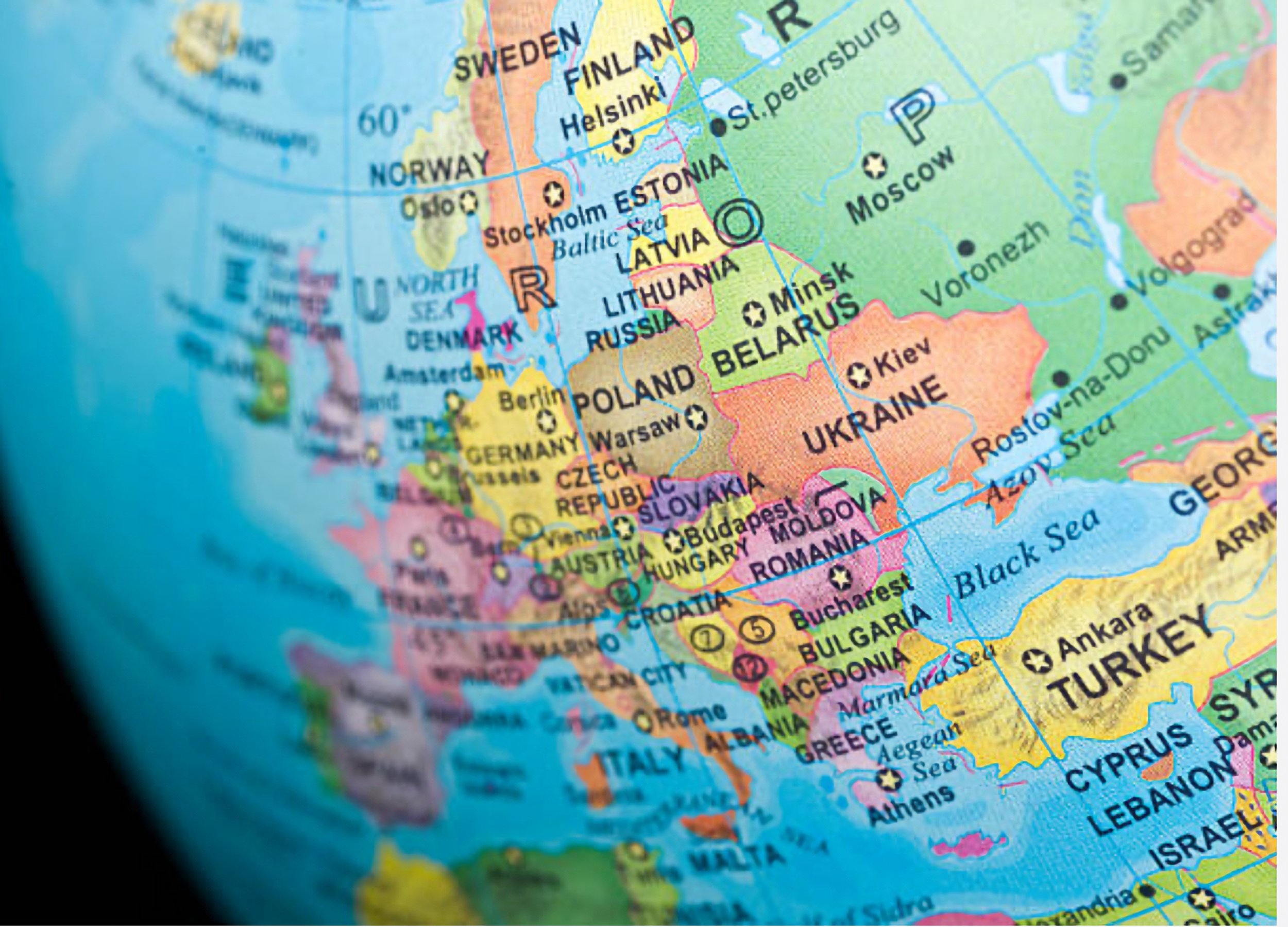
Belarus is a country of about 9.5 million people in Eastern Europe, bordered by Russia, Ukraine, Poland, and Lithuania. Its leader, Alexander Lukashenko, has ruled since 1994. He is Europe's longest-serving authoritarian leader.
Belarus matters for several critical reasons.
First, Russia uses Belarus as a military springboard. During the 2022 invasion of Ukraine, Russian troops launched attacks from Belarusian territory. Russian missiles have been fired from Belarus at Ukrainian cities. Today, about 9,000 Russian soldiers are permanently stationed in Belarus, and Russia has deployed nuclear weapons there.
Second, Belarus sits on the European Union's border, making it a key security concern for EU member states like Poland, Lithuania, and Latvia. These countries have built physical barriers and devoted enormous resources to defending their borders against Belarusian-sponsored migration and information warfare.
Third, Belarus's role will be crucial in any future settlement of the Ukraine war. Lukashenko may position himself as a mediator, and this power could increase if the West engages with him diplomatically.
The Current Human Rights Crisis
To assess whether reengagement makes sense, we must confront a difficult reality: Belarus remains an extremely repressive state.
More than 1,100 people are imprisoned on political charges. These are people who opposed Lukashenko, participated in protests, or advocated for democracy. Many more—possibly several hundred—are imprisoned but not officially recognized as political prisoners.
The regime continues to arrest new detainees regularly. Even as the Trump administration negotiated the release of 52 political prisoners in September 2025, the regime was simultaneously imprisoning 131 new detainees.
In November 2025 alone, human rights organizations identified 33 new political prisoners.
These prisoners face harsh conditions. Some spend years in solitary confinement, are denied family visits, and cannot receive money sent by relatives.
The most prominent prisoners, like Nobel Peace Prize winner Ales Bialiatski and opposition figure Maria Kalesnikava, were held incommunicado for months, isolated from lawyers and family members.
The Western Policy Split
The United States and Europe have adopted sharply different strategies.
The United States is pursuing what some call "engagement through incentives."
American negotiators offer limited rewards—mainly sanctions relief on specific sectors like potash and aviation—in exchange for prisoner releases.
This approach is flexible and focused on achieving concrete humanitarian results. Between September and December 2025, this strategy produced the release of over 150 prisoners.
Europe has chosen a different path.
The European Union expanded its sanctions in October 2025 with the 19th sanctions package. Rather than easing restrictions, Europe tightened them. The EU continues to ban imports of potash, timber, petroleum products, and many other Belarusian goods. It blocks Belarusian companies from accessing European financial systems. These sectoral sanctions strike at the heart of the regime's revenue.
Potash alone accounts for roughly 9% of Belarus's export income and represents 18% of global supply.
When the EU and international community imposed potash sanctions, production dropped dramatically. Before sanctions, Belarus exported over 10 million tonnes annually. Now it exports about 5 million tonnes, and more than half of potash mines have closed.
The argument for European caution is straightforward: Europe holds more powerful bargaining chips than the United States. By maintaining these sectoral sanctions, Europe preserves its leverage. If the EU surrenders this leverage without genuine systemic change in Belarus, it loses the ability to influence Lukashenko's behavior.
The Case for Cautious Engagement
Despite these human rights concerns, there are good reasons for Europe to consider limited reengagement.
The strongest argument comes from Chatham House and other strategic analysts: Europe has unique leverage precisely because of its comprehensive sanctions. This leverage should be used strategically, not abandoned.
The key insight is that Europe can structure engagement differently than the United States.
Rather than immediately offering major sanctions relief like potash access, Europe could begin with smaller steps that have enormous symbolic importance to Lukashenko.
Reestablishing diplomatic visits, unfreezing official contacts, allowing Belarusian athletes to compete in European sporting events, and easing visa restrictions for civil society figures—these measures cost Europe very little but matter greatly to a regime starved for international legitimacy.
Lukashenko desperately wants recognition from the West. He feels isolated. These symbolic gestures provide that recognition without compromising Europe's strategic position.
Each gesture should be conditional and reversible. If the regime continues mass arrests or violates agreed conditions, Europe can reimpose restrictions.
This approach also serves a longer-term strategic purpose. If the Ukraine war eventually ends and the Lukashenko regime eventually falls—which many analysts believe is likely—Europe will want relationships in place with Belarusian society and potential future democratic leaders.
Permanent isolation from Belarus weakens Europe's ability to shape the country's future direction.
The argument for engagement also emphasizes that Europe cannot genuinely "pull" Belarus away from Russia through sanctions alone.
Russia's economic and military grip on Belarus is too strong. Belarus imports 55 to 60% of its goods from Russia. Approximately 65 % of Belarus's external debt is owed to Russia.
Russian troops occupy Belarusian territory. Russia has stationed nuclear weapons there. No amount of European sanctions can compete with Russia's ability to offer economic assistance, energy supplies, and security guarantees.
Therefore, Europe's goal should not be unrealistic: transforming Belarus into a pro-Western ally. Instead, the goal should be more modest and achievable: increasing Belarus's independence from Russia and diversifying its foreign relationships.
The Serious Concerns About Engagement
Critics of reengagement raise important objections. They argue that prisoner releases do not indicate genuine reform. Instead, they represent what Ales Bialiatski himself warned about: a bargaining mechanism where the regime uses political prisoners as commodities to extract sanctions relief.
The pattern is clear and troubling. Each time the West negotiates prisoner releases, the regime learns that imprisonment is profitable. This creates terrible incentives.
Why would Lukashenko stop arresting people if he can simply release them later in exchange for sanctions relief?
Poland, Lithuania, and Latvia—the EU members closest to Belarus—strongly oppose engagement. These countries host hundreds of thousands of Belarusian exiles and opposition figures. They experience Belarusian hybrid warfare directly through migrant flows that Lukashenko deliberately pushes toward their borders. They view Lukashenko not as a potentially reformable partner but as a Russian proxy engaged in active warfare against NATO.
From their perspective, rewarding this behavior with sanctions relief sends the wrong message.
A Practical Path Forward
The optimal European strategy combines elements of both approaches.
Europe should offer measured, graduated engagement but strictly condition major concessions on verifiable behavioral change. Here is what this could look like:
Phase One (Immediate)
Europe could restore diplomatic contacts, organize official visits, and allow limited visa relief for civil society figures. These measures are largely symbolic but psychologically important to Lukashenko. They signal that Europe is willing to engage without committing to anything substantive.
Phase Two (Conditional)
If the regime halts new political arrests for a defined period—say, 6 to 12 months—Europe could lift sanctions on less critical sectors like timber. This creates incentives for better behavior while remaining relatively cost-free for Europe.
Phase Three (Strategic and Conditional)
The most valuable sanctions relief—particularly on potash and banking—should remain off the table until the Ukraine war conclusively ends.
This ensures that European engagement does not inadvertently strengthen Russia's war effort. Once the war ends, Europe can reassess whether serious sanctions relief is warranted based on the regime's behavior.
Throughout all phases, Europe should maintain absolute flexibility. Any sanctions relief should be explicitly reversible. The moment the regime increases arrests or commits new human rights violations, Europe should reimpose sanctions automatically. This approach makes clear that engagement is conditional and that repression has consequences.
Conclusion
Precision Over Ideology
The debate over Belarus reengagement is not about ideology but about strategy.
Europe should avoid both naive idealism—the belief that engagement will somehow democratize Belarus—and frozen isolation that forecloses future options. Instead, Europe should adopt surgical engagement: offering carefully calibrated incentives while preserving its most powerful leverage for truly consequential negotiations.
This approach respects human rights concerns by conditioning engagement on verifiable behavioral change. It preserves Europe's strategic flexibility by maintaining critical sanctions tools. It serves long-term European interests by keeping diplomatic channels open with Belarus's society and potential future leaders. And it acknowledges the difficult reality that Europe cannot compete with Russia for Belarus's loyalty but can work to diversify and modestly constrain Russian influence.
The measure of success should not be whether Belarus becomes a Western ally—that fantasy should be abandoned.
Rather, success means: prisoner releases continue without new arrests replacing them, the regime ceases using migration as a weapon, Belarus maintains some degree of independence from Russian demands, and Europe preserves options for supporting democratic change whenever it becomes possible.
This is a realistic objective that careful, strategic engagement can potentially achieve.