Year of Reckoning: Trump’s Second Term Meets Its Limits
Summary
Trump’s second year in office is emerging as a year of reckoning in which the full reach of his presidential power confronts the limits of domestic patience and global tolerance. Having constructed an administration explicitly designed to execute his will—with loyalists in key national security, economic, and legal posts—Trump now discovers that even a disciplined inner circle cannot easily bend complex wars, markets, and elections to his preferred script.
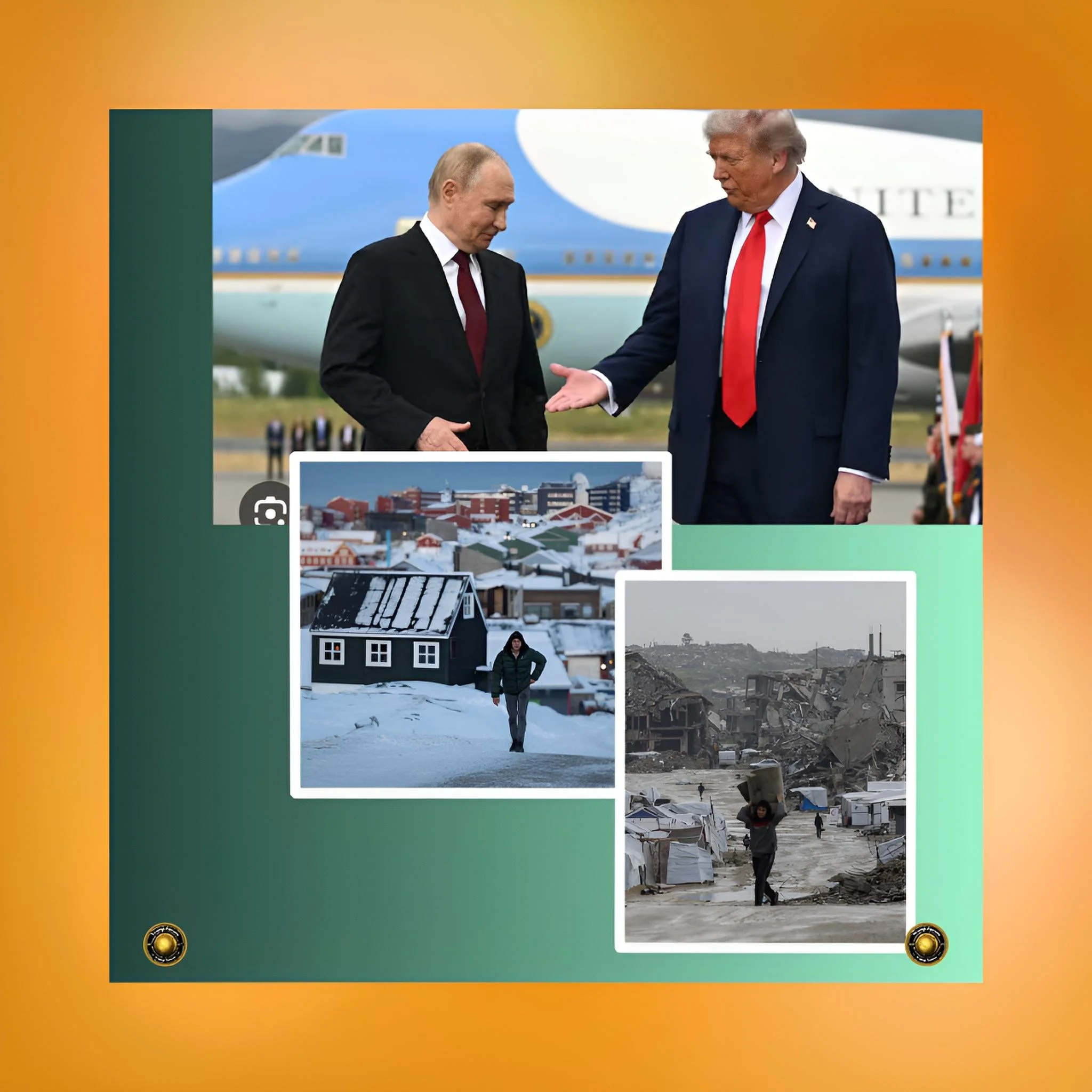
Nowhere is this clearer than in Ukraine. Trump swept back into office promising to end the war within a day, insisting that his unique blend of pressure and personal diplomacy would force both Moscow and Kyiv into a negotiated settlement.
Instead, after a year of intense shuttle diplomacy, elevated sanctions on Russian energy exports, and threats to penalize countries purchasing Russian crude, the conflict remains stubbornly unresolved. Russia continues to pound Ukrainian infrastructure and refuses any arrangement that involves Western forces or ironclad guarantees for Kyiv, while Ukraine rejects the idea of surrendering territory or freezing lines under fire.
The result is a stalemate that exposes the limits of Trump’s transactional approach when neither side is prepared to concede existential stakes.
The Middle East presents a parallel drama. Trump’s long‑advertised 20‑point plan for Gaza, designed to showcase his dealmaking prowess, has stalled at its second phase, as political realities overwhelm diplomatic choreography. The mix of humanitarian catastrophe, entrenched mistrust, and intra‑Palestinian divisions makes implementation extraordinarily difficult, while Israeli domestic politics constrain any meaningful moves toward political horizon for Palestinians. At the same time, settler violence in the West Bank has spiked, undermining the credibility of U.S. assurances that calm and gradual normalization are on the horizon.
Countries such as Saudi Arabia have responded with conditionality: no further integration into a Trump‑led regional order without a credible pathway toward Palestinian statehood.
Iran hovers over this landscape as both antagonist and barometer. Years of sanctions, mismanagement, and international isolation have taken a severe toll on Iran’s economy, provoking waves of protests that the regime has crushed with disturbing brutality. U.S. pressure—ranging from attacks on Iranian‑linked assets to renewed restrictions on its nuclear and missile activities—has exacerbated Tehran’s sense of encirclement but has not produced the kind of strategic capitulation that hawks imagined.
Instead, Iran has leaned more heavily on its network of regional partners and proxies, complicating U.S. calculations in Iraq, Syria, Lebanon, and the Gulf. The administration’s challenge is to avoid the worst of both worlds: a climate of permanent brinkmanship that neither topples the regime nor stabilizes the region.
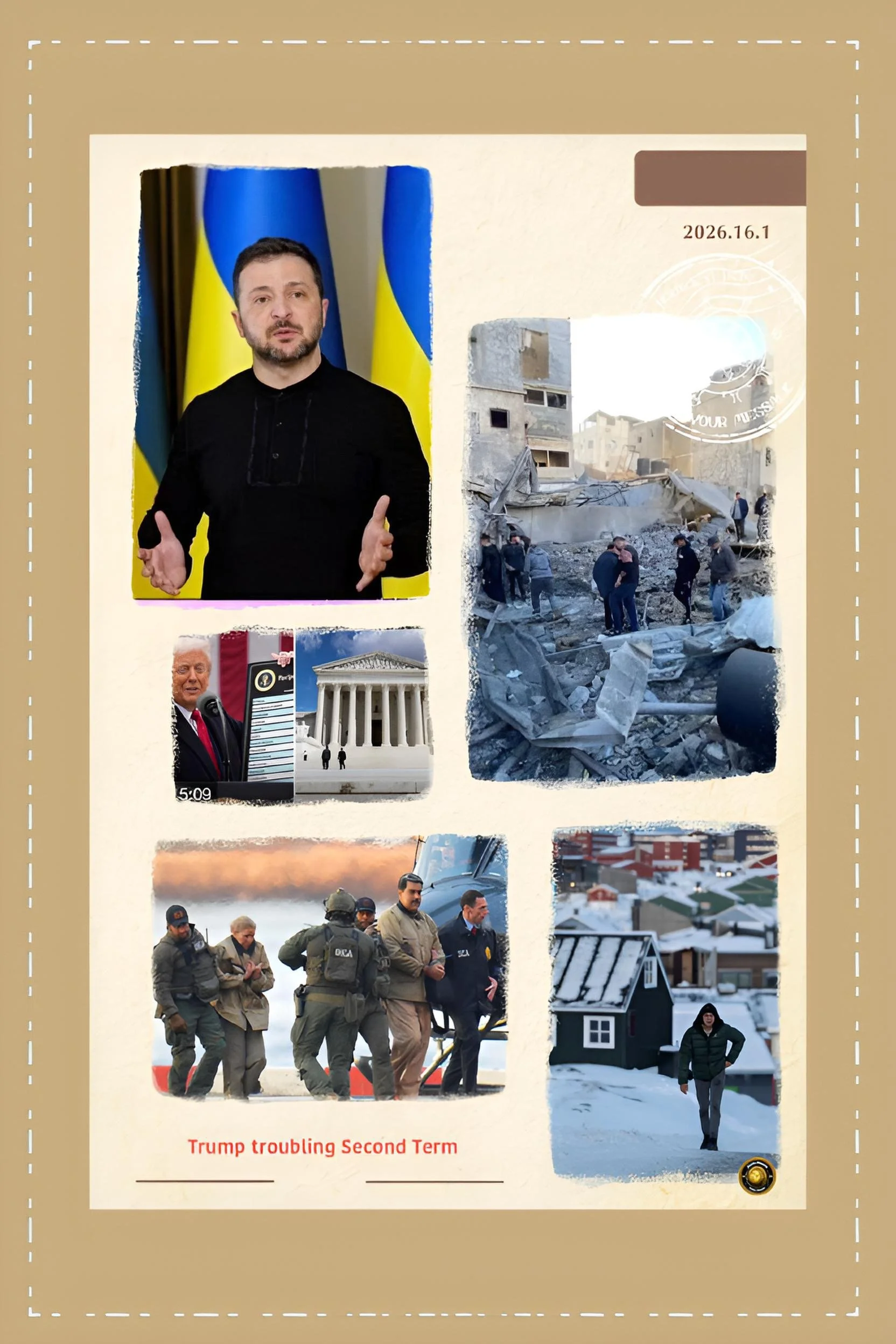
Further afield, the intervention in Venezuela and the campaign to tighten control over Greenland dramatize the more imperial side of Trump’s “America First” doctrine. In Venezuela, a combination of covert operations, naval blockade, and targeted strikes culminated in the capture of key figures from Nicolás Maduro’s circle, reshaping the regional balance and disrupting a vital outlet for Russian oil.
While some in Washington hail this as a restoration of Monroe Doctrine‑style primacy, strategists in Moscow view it as a direct challenge to Russia’s economic lifelines and global shadow fleet. That perception raises the risk of retaliatory action in other theatres where U.S. interests are vulnerable, from cyber domains to proxy conflicts.
The Greenland question, by contrast, has inflamed U.S. allies rather than adversaries. Trump’s push to secure privileged access—or even quasi‑sovereign leverage—over Greenland’s territory and mineral resources has triggered outrage in European capitals, who see in it both a breach of norms and a potential fracture in the transatlantic alliance. As NATO simultaneously tries to expand its deterrent posture against Russia and manage emerging challenges in the Arctic, these tensions risk contaminating broader security cooperation.
All these foreign policy gambits feed back into a fraught domestic environment. One year into the new term, polling shows that a majority of Americans believe Trump’s policies have worsened the national economic situation, undercutting the sense of competence that once insulated him from some controversies.
While Republicans remain broadly supportive, with particular approval of his hard‑line stance on immigration and border security, independents and many moderate voters express growing fatigue with perpetual turbulence. For them, the spectacle of high‑stakes diplomacy is less impressive when wages stagnate, prices remain high, and institutions feel exhausted.
Heading into the 2026 midterms, Trump faces structural disadvantages compounded by his personal polarizing effect. Historically, the president’s party tends to lose House seats in midterm elections, and the current map contains a significant number of competitive Republican‑held districts that Democrats are aggressively targeting.
Redistricting disputes add further uncertainty, as courts and state legislatures reshape boundaries in ways that could either lock in a fragile Republican majority or open new opportunities for Democratic gains. If Trump’s approval numbers remain stuck around forty percent, his capacity to defy historical trends will be severely constrained.
The deeper issue, however, is not any single election or foreign policy theatre, but the sustainability of Trump’s governing style under conditions of accumulated fatigue.
The president’s method relies on permanent confrontation, rapid shifts of attention, and grandiose claims about imminent breakthroughs. This style can work, temporarily, when institutions are robust, allies are patient, and adversaries are disoriented. Over time, though, allies learn to hedge, adversaries adapt, and domestic audiences begin to discount the rhetoric as noise.
In such a context, year two becomes a crucible. The administration must decide whether to double down on maximalist tactics—escalating sanctions, heightening military risks, and framing midterms as an existential plebiscite—or to pivot toward a more disciplined, coalition‑oriented approach. The first path may energize core supporters but will likely deepen international isolation and increase the volatility of crises; the second promises fewer theatrical moments but offers a better chance of turning fragile openings into durable arrangements.
If Trump chooses recalibration, it will mean accepting that some of his signature promises—ending wars overnight, forcing adversaries into humiliating concessions, reshaping alliances on his terms—cannot be fulfilled without inflicting unacceptable costs on the United States itself. If he refuses that adjustment, the second year of this second presidency may be remembered not for the deals it closed but for the opportunities it squandered and the damage it made harder to repair.