Why Europe’s farmers are furious about the MERCOSUR TRADE DEAL - Part II
Introduction
The Basic Story
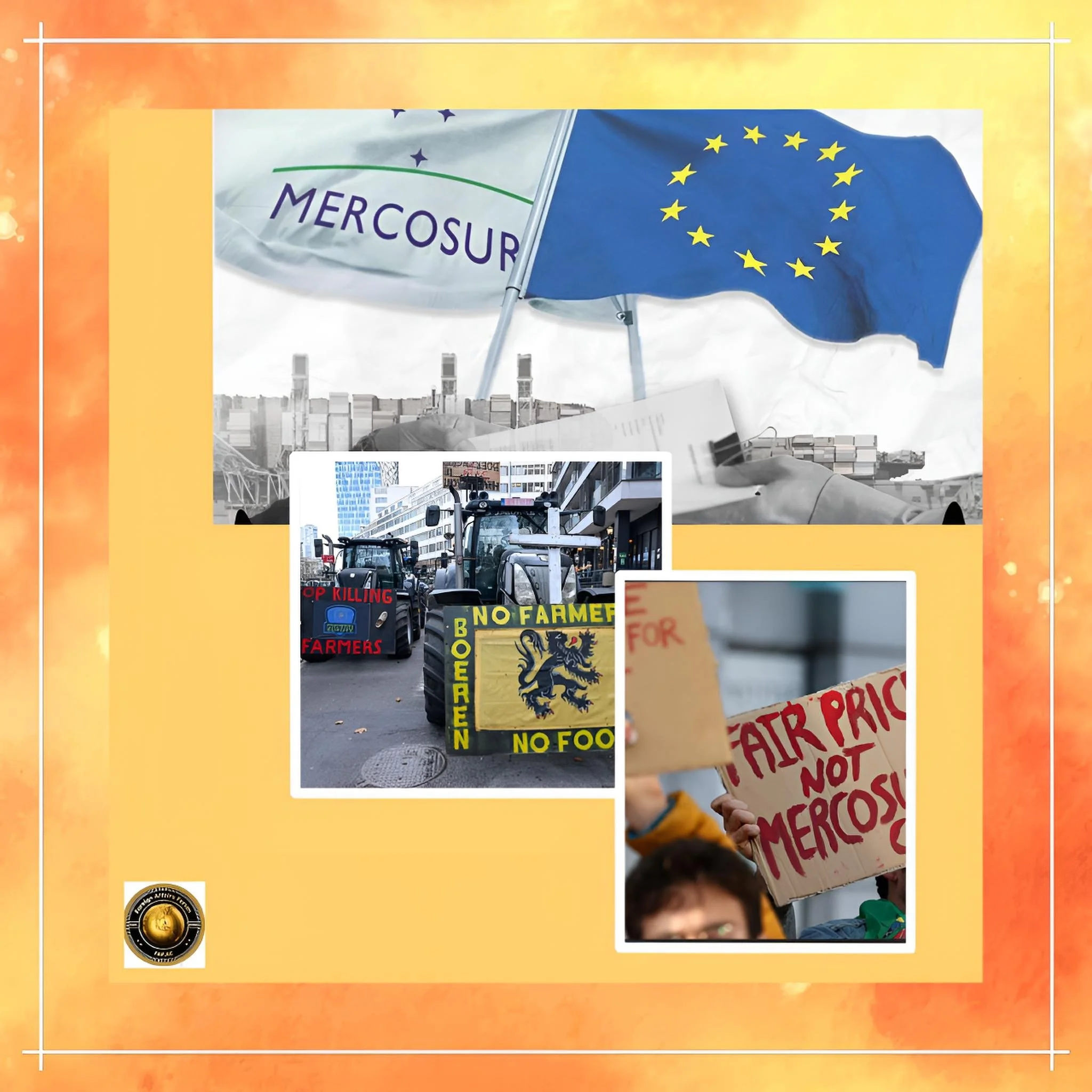
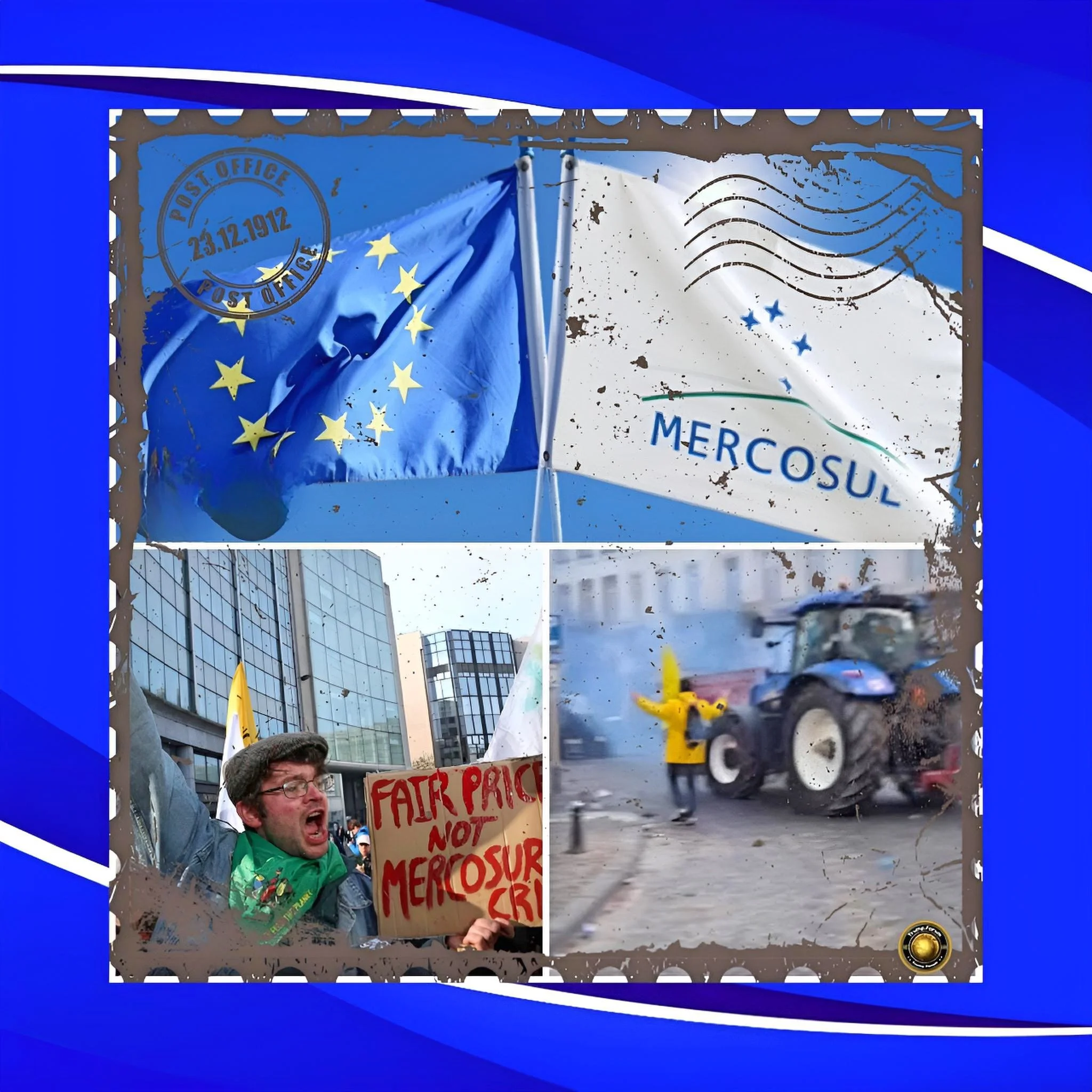
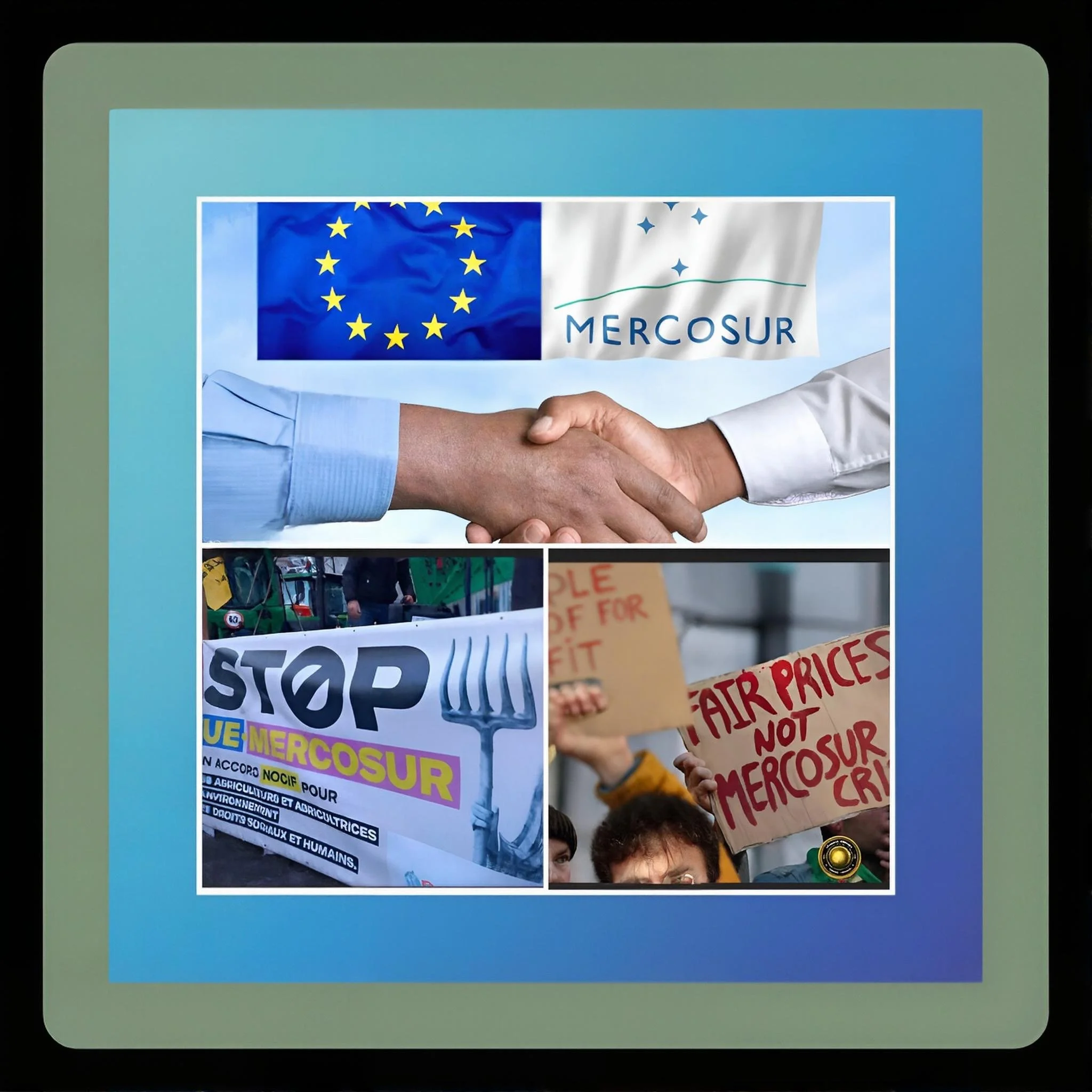
Europe just approved a huge trade deal with South America. On January 9, 2026, European Union countries voted yes to the Mercosur agreement—a trade partnership with Brazil, Argentina, Paraguay, and Uruguay. But farmers across Europe are angry about it.
Why? They believe the deal will flood European markets with cheap meat and farm products, destroying their livelihoods. Let me explain what's happening and why it matters.
What Is Mercosur?
Mercosur is the South American equivalent of the European Union. It includes Brazil, Argentina, Paraguay, and Uruguay—the four largest agricultural producers in South America. Brazil alone produces millions of tonnes of beef, chicken, soybeans, and sugar every year.
For 25 years, Europe and Mercosur countries have been negotiating a trade agreement. They wanted to remove tariffs (taxes on imported goods) to increase trade between the regions. Finally, in December 2024, negotiators announced they had a deal. On January 9, 2026, European governments officially approved it.
Why Are Farmers Protesting?
Picture this: A Polish dairy farmer producing milk under strict European environmental standards. The Polish farmer follows regulations about how many cows per farm, what antibiotics they can use, and how to protect the environment. All these rules cost money.
Now, Brazilian dairy producers can export to Europe with much lower tariffs. Many Brazilian producers don't follow the same strict rules. They produce cheaper milk. The Polish farmer cannot compete on price.
This is the core farmer complaint: they cannot compete fairly against producers operating under lower standards.
Irish farmers are particularly upset about beef. Ireland's farming economy depends heavily on beef production. But Brazil produces massive quantities of beef and can now export to Europe under preferential tariffs. Irish farmers fear this will crash European beef prices.
What Does the Deal Actually Allow?
The agreement removes tariffs on most products. But for the most sensitive agricultural products, the EU negotiated quotas—limits on how much can be imported.
Here's what's allowed
Beef
99,000 tonnes annually can enter the EU with a reduced tariff of 7.5% instead of the normal 40-45%. This represents about 1.5% of total European beef production. However, 55% of this quota is fresh or chilled meat—the most valuable cuts that directly compete with European premium beef.
Chicken
180,000 tonnes can enter duty-free. European Commission officials claim this merely covers rising consumption. But chicken producers worry that cheap South American poultry will undercut European producers.
Dairy
The agreement eliminates 28% tariffs on many dairy products and 18% tariffs on infant formula. Cheese exports from Europe will improve, but imports of cheap butter, milk powder, and other dairy products will increase.
Sugar
Brazil won't get new sugar quota, but other tariff reductions make Brazilian sugar more competitive.
The Protective Mechanism That Probably Won't Protect Anyone
The EU negotiated a "safeguard clause" designed to protect farmers if imports cause serious damage. Here's how it supposedly works:
If Mercosur imports increase by more than 10% in one year, or if prices drop by 10%, the EU can launch an investigation. If the investigation confirms serious injury, the EU can temporarily restore tariffs.
Sounds good, right? But there are problems.
First, agricultural prices naturally fluctuate by 10-15% every year based on weather, global supply, and other factors. The 10% threshold might be reached frequently, but not necessarily due to the trade deal.
Second, by the time the investigation concludes (taking months), damage is already done. A restaurant chain might have switched to Brazilian beef, for example. Restoring tariffs won't bring that customer back.
Third, critics argue even these modest thresholds are too high. Italy pushed for a 5% threshold, but many farmers wanted much stricter protections.
The Money (Doesn't) Make It Better
The European Commission offered compensation to soothe farmer anger.
They promised:
€45 billion in accelerated Common Agricultural Policy funding starting 2028
€6.3 billion crisis fund specifically for farmers if imports cause unexpected damage
Lower tariffs on fertilisers (which farmers say have become too expensive)
Farmers say this is not enough. Money compensates for lost income but doesn't prevent the underlying competitive destruction. A farmer compensated €10,000 might still go out of business because their market disappeared.
The Environmental Problem
Here's where it gets more complicated. The deal allows more agricultural imports from South America, especially beef and soybeans. But these products are produced through forest destruction.
Brazil produces beef by raising cattle on pasture. Much of that pasture comes from converting Amazon rainforest into grazing land. The Amazon is already losing massive forest coverage each year. Scientists warn that if we lose 20-25% of the Amazon, we could trigger irreversible climate collapse.
The trade deal creates economic incentive for exactly this destruction. By giving Brazilian beef preferential access to European markets, the deal makes deforestation more profitable. Brazilian ranchers have more reason to convert forest into pasture.
Europe is supposed to be fighting climate change. The EU adopted strict rules saying products sold in Europe must come from deforestation-free supply chains. But the Mercosur deal potentially conflicts with these rules.
Additionally, Brazilian chicken might be washed with chlorine—banned in Europe. Irish authorities recently discovered Brazilian beef containing banned hormones in the Irish food supply. This raises questions about whether food safety standards will actually be maintained.
The Labour Rights Problem
Mercosur countries don't enforce labour standards as strictly as Europe. Brazil rescues thousands of workers from forced labour in agriculture every year. Workers in Mercosur countries often lack the right to strike or join unions—rights European workers take for granted.
The trade deal includes language about respecting labour rights, but there's no enforcement mechanism. A company can import products from producers using exploited labour, and there's no penalty.
Why Did Europe Approve It Anyway?
Two reasons
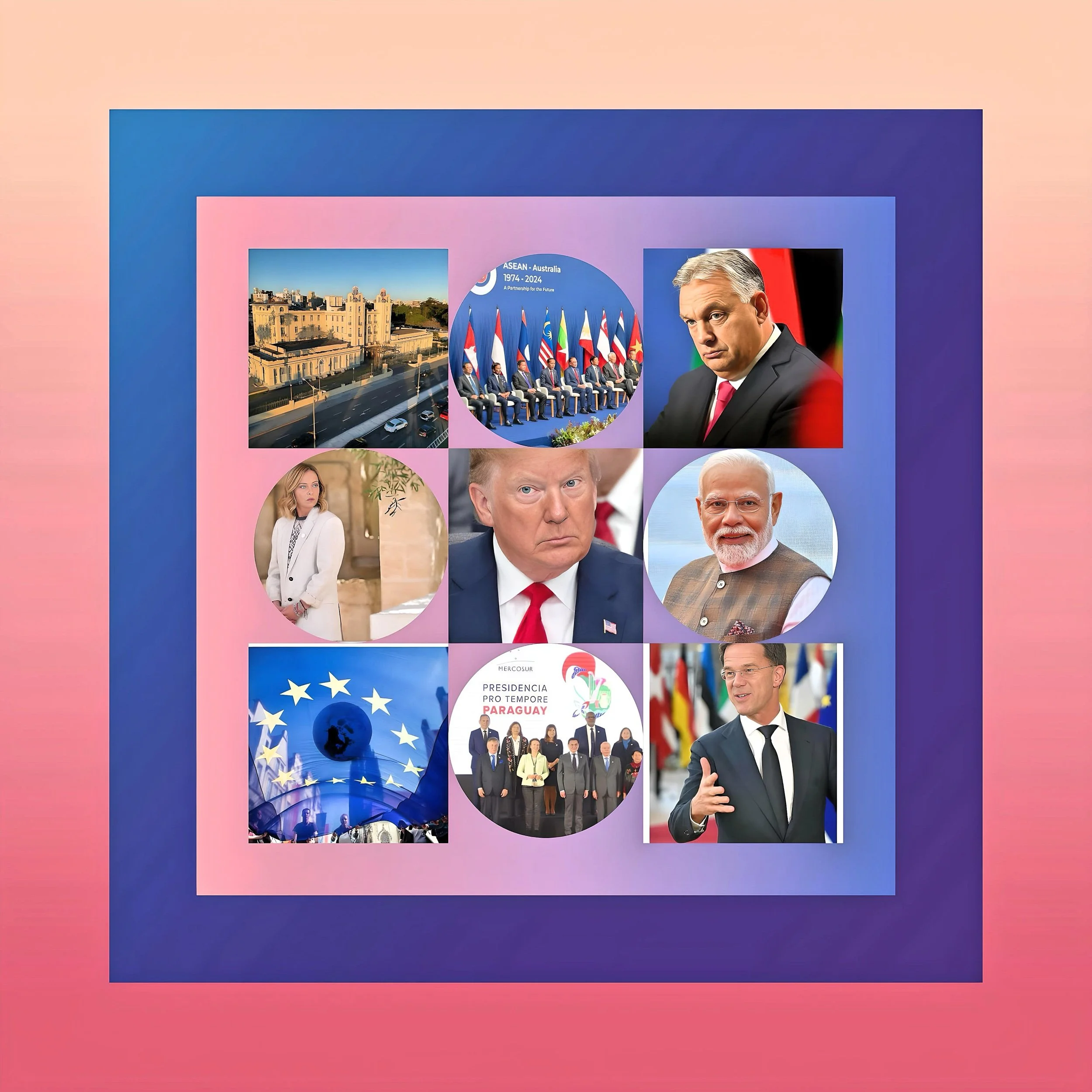
First, Germany and Spain wanted it. These countries see the deal as economically beneficial. German car manufacturers want to export more vehicles to Mercosur countries. Spanish companies see market opportunities. They argued the deal helps Europe compete against China and American tariffs imposed by Trump.
Second, American geopolitical pressure. Trump's new administration signalled that Latin America is strategically important. When America captured Venezuela's president on January 3, 2026, European leaders panicked about American dominance over Latin America. They rushed to approve Mercosur to show they still have influence in the region.
What Happens Now?
The deal was approved by EU governments on January 9. The European Commission is expected to formally sign it on January 17 in Paraguay.
But the European Parliament still must vote. Parliament ratification is expected in April or May 2026. Interestingly, the Commission plans to provisionally implement the trade provisions immediately—even before Parliament votes.
Parliament is deeply divided. Some MEPs support the deal; many oppose it. Votes could be extremely close—within 15-20 votes of the required 361-vote majority.
This is significant because if Parliament says no, the entire deal could be rejected.
Conclusion
The Bigger Picture
This deal represents a contradiction at the heart of European policy. Europe claims to fight climate change and protect farmers. But this deal creates incentives for deforestation and agricultural displacement.
European farmers face genuine competition from producers operating under lower standards. The safeguards won't prevent market transformation. The compensation money won't restore lost livelihoods.
For European consumers, it means food produced under lower environmental and labour standards will enter European supermarkets. For the Amazon rainforest, it means economic incentive for further deforestation.
The deal also signals that European governments prioritise geopolitical competition with America over substantive environmental and social protection. That's concerning for what other trade agreements might look like.
For Irish, Polish, French, and German farmers, the deal means next several years will determine whether they can survive in an increasingly competitive agricultural market. For the Amazon, it means the pressure to deforest will intensify.
That's why farmers across Europe filled the streets with tractors, blocking roads, and demanding that their governments reject the deal.
They understand that this agreement signals that their livelihoods are less important than geopolitical strategy and corporate profits.