Gen Z’s Superhero Aspirations to be The Gen-V Amid Geopolitical Disillusionment
Executive Summary
The Aspirations of Generation Z: Becoming The Gen-V in an Era of Geopolitical Disillusionment
In a world marked by political uncertainty and global unrest, Generation Z finds itself grappling with a unique set of challenges and ambitions.
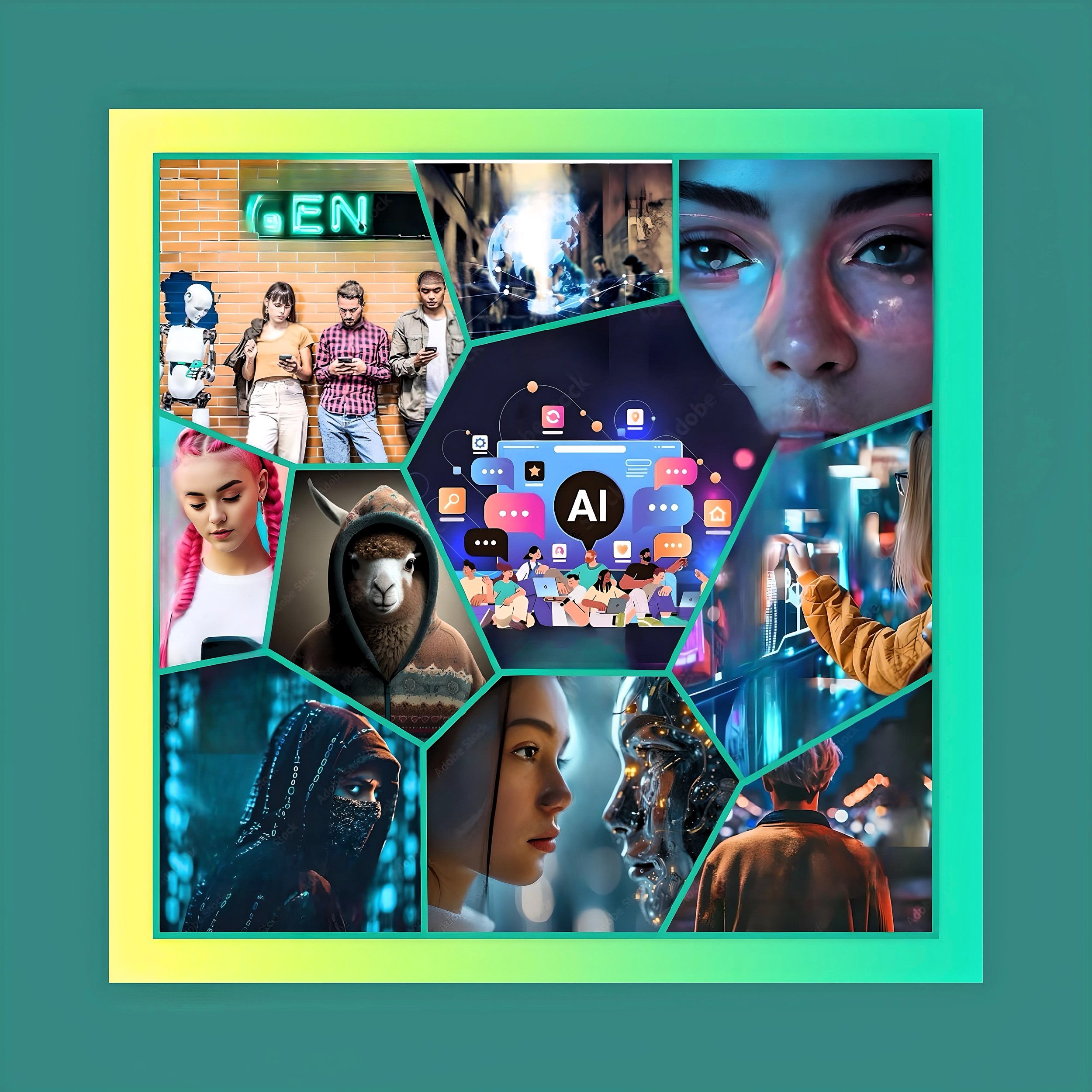
As Gen-Z navigate the complexities of contemporary society, many young individuals are inspired to embrace superhero-like aspirations, pioneering a new identity as "The Gen-V."
This term symbolizes their desire to be vocal advocates for change, embodying resilience and courage amidst the backdrop of geopolitical turmoil.
Coming of age during a time of widespread disillusionment characterized by environmental crises, social justice movements, and turbulent international relations, Gen Z is determined to rise above the chaos.
They envision themselves as defenders of equity, climate action, and mental health awareness—qualities reminiscent of the superheroes they idolize in popular culture.
With a sense of urgency propelling them, members of this generation are using digital platforms not only to express their views but also to mobilize communities and spark conversations that matter.
Their aspirations as "The Gen-V" reflect a profound commitment to building a sustainable future, fostering inclusivity, and mitigating the pervasive feelings of hopelessness that often accompany their experiences in an unpredictable world.
Through grassroots activism, creative expression, and collaborative efforts, Generation Z aims to reclaim power from the forces that contribute to their discontent, proving that they are not just passive observers but active participants in shaping a world that aligns with their ideals for justice and progress.
Introduction
Analyzing the Impact of Contemporary Storytelling on Generation Z's Political Consciousness
In examining contemporary storytelling, we uncover how it molds the beliefs and attitudes of a generation that navigates the dichotomy of empowerment and powerlessness in an increasingly complex geopolitical landscape.
Generation Z displays a notable affinity for fantastical narratives, particularly those represented by the “Gen V” archetype, where characters possess extraordinary capabilities.
This trend can be interpreted as a psychological response to the widespread political impotence prevalent in today’s turbulent climate.
This cultural consumption shift signifies a convergence of entertainment preferences, political disenchantment, and an intrinsic longing for escapism, all of which resonate with deeper apprehensions about the effectiveness of democratic processes and the agency afforded to younger generations.
Theoretical Framework: Intersecting Political Disillusionment and Fantasy Compensation
The Powerlessness Paradox
Research indicates that Generation Z is encountering a significant dynamic termed the “powerlessness paradox.”
While an impressive 88% of young individuals affirm a belief in their generation's potential to catalyze meaningful change, this optimism is often undermined by a pervasive sense of fatalism regarding their actual influence within established political structures.
Findings from the Berkeley Institute for Young Americans illustrate that, irrespective of political affiliations, young voters harbor a collective desire for proactive governmental intervention.
However, skepticism regarding the ability of a fragmented and inefficient political system to address crucial challenges leads to widespread disillusionment.
This context facilitates what scholars identify as “learned helplessness,” where, despite notable activism, the path to significant systemic change appears elusive.
Media Influence on Political Attitudes
Significant research conducted by Cole underscores the influential role of superhero-themed media in shaping political attitudes.
The study demonstrates that participant perspectives on critical issues—such as torture, government surveillance, military interventions, and broader foreign policy dynamics—shifted notably after engaging with films like *The Dark Knight*, *Iron Man 3*, and *Captain America: Civil War*.
This body of evidence bolsters the hypothesis that superhero narratives transcend mere entertainment; they serve as active shapers of political consciousness, particularly among demographics like Generation Z that are intensive consumers of these narratives.
By scrutinizing these influential media forms, we enhance our understanding of how contemporary storytelling actively influences the beliefs and attitudes of a generation that grapples with both empowerment and powerlessness within a multifaceted global framework.
Empirical Evidence of the Gen V Aspiration
Patterns of Media Consumption Among Superhero Narratives
Recent empirical research highlights significant generational divergences in the consumption of superhero media, particularly among individuals aged 18 to 29, who exhibit the highest engagement levels with this genre.
This demographic approaches superhero narratives not solely as escapist fiction but as "identity parables," using these stories to explore intricate themes such as power dynamics, the ramifications of responsibility, and the potential for sociocultural transformation.
Data indicates that approximately 47% of the American populace prefers Marvel content, a trend predominantly driven by younger cohorts who actively shape the contemporary cultural landscape.
Literary and Cultural Dimensions of Dystopian Fiction
The escalating interest of Generation Z in dystopian literature exemplifies what scholars refer to as “political involvement through genre resistance.”
This narrative form allows young readers to maintain a “critical distance,” facilitating engagement with complex sociopolitical issues in a manner that is both creative and imaginative.
Notably, young adult dystopian fiction often features adolescent protagonists endowed with extraordinary capabilities who confront oppressive systems and challenge societal injustices.
This theme resonates deeply with Gen Z's aspirations for political and social reform.
Geopolitical Influences Shaping Superhero Fantasies
Existential Threats and Institutional Disillusionment
The contemporary landscape presents Gen Z with unparalleled challenges, including existential threats like climate change, pervasive socioeconomic disparity, and housing shortages, alongside a disconcerting trend of democratic regression.
Research from the Harvard Youth Poll reveals a significant decline in confidence towards essential democratic institutions: trust in Congress, the presidency, and mass media has diminished, reflected by a decrease in the percentage of young individuals intending to vote—only 46% express certainty about participating in the 2025 elections, down from 57% in 2020.
This erosion of institutional trust produces a phenomenon identified as “ontological insecurity,” characterized by pervasive anxieties regarding the stability of the social fabric.
Such sentiments often drive individuals toward fantasy narratives, as they seek both escapism and a sense of empowerment through the lens of superhero narratives.
Digital Activism as a Manifestation of Virtual Superheroism
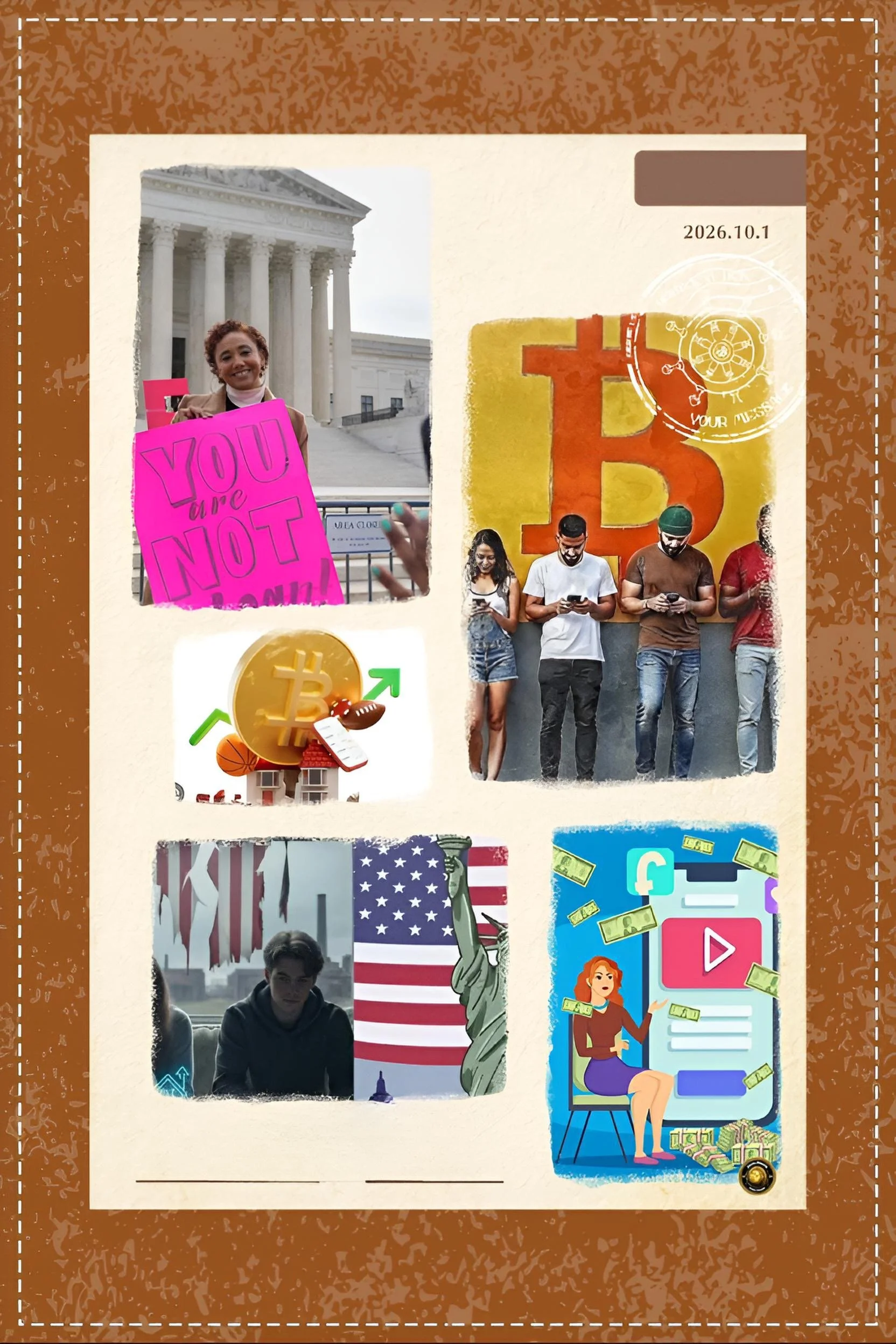
In an era where traditional modes of activism often seem inadequate, approximately 66% of Gen Z’s activism now transpires within digital frameworks, leading to a phenomenon referred to by scholars as “virtual superpowers.”
Social media platforms facilitate the illusion of substantial influence, enabling young activists to orchestrate viral campaigns and engage in extensive online mobilization.
However, this apparent digital efficacy often falls short in terms of tangible political outcomes.
The dissonance between perceived online impact and actual political efficacy fosters a profound desire for genuine superhero-like capacities—powers that would empower these young activists to drive meaningful change in their communities and beyond.
This gap raises questions about the effectiveness of digital activism and highlights the need for strategies that bridge the divide between online engagement and real-world impact.
FAF Analysis: From Fantasy to Political Action
The “Superhero Generation” Paradigm: An Analytical Overview
Recent academic research positions Generation Z as “The Superhero Generation,” a term that captures their exceptional courage, moral rectitude, and propensity to mobilize, protest, articulate beliefs, and challenge the status quo in innovative and unprecedented ways.
This generational identity, as analyzed through the lens of philosopher Michel Foucault’s concept of disciplinary power, reveals how specific spatial and temporal constraints—exemplified by campus activism, designated protest areas, and digital communication platforms—shape their political identities while simultaneously constraining their capacity for transformative change.
Violence, Power Dynamics, and the American Political Imagination
Cambridge scholarship on superhero narratives uncovers a significant connection between these tales of heroism and the perpetuation of a myth of “privileged violence” within the American cultural context.
In these narratives, the justification of violent actions by heroes is situated within complex gendered and racialized frameworks.
This critique invites a deeper exploration of whether Generation Z’s aspirations to adopt superhero characteristics may inadvertently reinforce existing power hierarchies, despite an appearance of challenging such structures.
Understanding these underlying psychological dynamics is essential for interrogating their political engagement.
Contemporary Manifestations and Empirical Evidence
Political Iconography and Superhero Symbolism
In the contemporary political landscape, the appropriation of superhero imagery by political figures has become increasingly prevalent.
A notable instance of this trend is former President Donald Trump’s digital trading cards, portraying him as a caped superhero.
This phenomenon exemplifies the convergence of political messaging with superhero aesthetics, highlighting the deep entrenchment of these narrative frameworks within mainstream political discourse.
It reflects a broader cultural resonance with notions of power and heroism typically associated with superhero narratives.
Institutional Power Aspirations
Beyond the realm of fantasy, Generation Z is actively pursuing tangible institutional power. Youth-led movements are advocating for significant representation—targeting 10% to 15%—in governmental structures and seeking roles in policymaking processes.
This marks a pivotal shift wherein the figurative superhero ideals permeating media are being operationalized into concrete political action. Generation Z is not merely idolizing heroic figures but is striving to embody the transformative agents they envision themselves to be.
Implications and Future Trajectories
Crisis of Democratic Participation
A disconcerting trend emerges from the findings of the Harvard Youth Poll, indicating that Generation Z exhibits a sense of “dismissive detachment” toward traditional democratic institutions, even as they maintain a belief in their potential for transformative change.
This creates a precarious political scenario: if established democratic pathways fail to address their concerns effectively, their superhero fantasies may transition from cultural engagement to radical political activism.
Global Patterns and Comparative Context
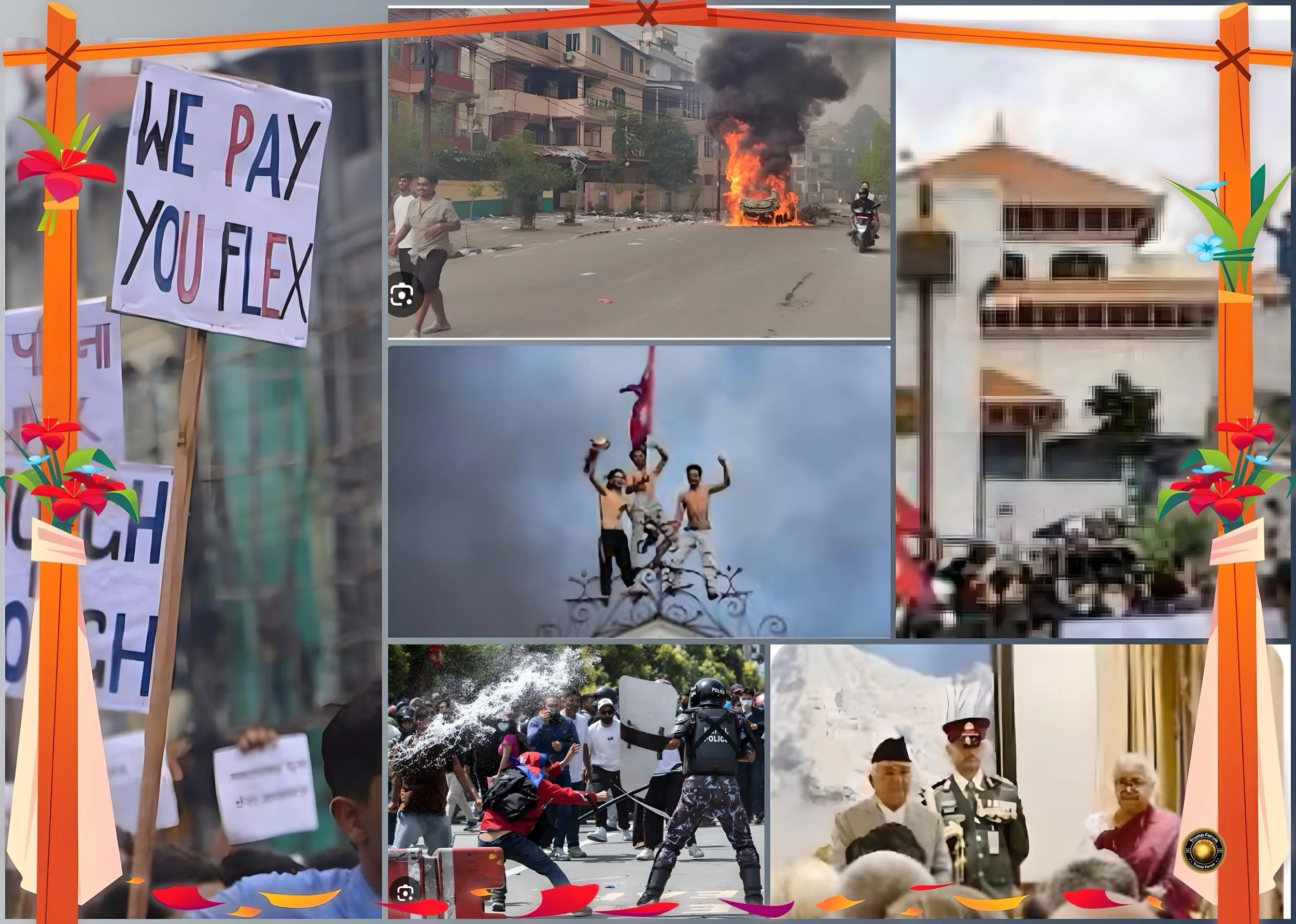
This phenomenon extends beyond the United States, resonating globally with youth movements in countries like Nepal, where increased political representation is being demanded.
The international scope of this trend indicates that underlying structural issues—more than cultural elements—are driving Generation Z’s superhero aspirations, reflecting a collective demand for meaningful representation and transformative change across diverse political contexts.
Conclusion
From Gen Z to Gen V
The convergence of Gen Z’s superhero cultural consumption, acute awareness of global problems, and frustration with traditional political powerlessness creates what can be termed the “Gen V aspiration”—a generational desire for extraordinary power to address seemingly insurmountable geopolitical challenges.
This represents not merely escapist fantasy but a rational psychological response to institutional failure and existential threats.
Academic research demonstrates that superhero media actively shapes political attitudes, dystopian literature provides frameworks for political resistance, and digital activism creates virtual power experiences that may insufficient substitutes for real influence.
As traditional democratic institutions prove increasingly unresponsive to generational concerns, the “Gen V” fantasy may evolve from cultural phenomenon to political program, with potentially transformative—or disruptive—consequences for contemporary geopolitics.
The question is not whether Gen Z aspires to become Gen V, but whether existing political systems can adapt to accommodate their transformative ambitions before they seek more radical alternatives to achieve the extraordinary power they believe necessary to address the crises of their time.