The Qatar Summit: Geopolitical Realignment After Israel’s Unprecedented Strike
Executive Summary
The Qatar Summit: A Turning Point in Global Geopolitics Following Israel’s Historic Military Action
In the wake of Israel’s unprecedented military strike, the geopolitical landscape is undergoing significant changes, prompting leaders from various nations to converge at the Qatar Summit.
This pivotal gathering aims to address the ramifications of the recent conflict and explore avenues for cooperation and stability in a rapidly shifting global environment.
As tensions rise and alliances are re-evaluated, participants will engage in discussions centered on security, energy resources, and the dynamics of Middle Eastern politics, all of which are intricately connected to Israel’s recent actions.
The summit stands as a crucial moment for diplomatic engagement and strategic realignment among nations grappling with the evolving crisis.
Introduction
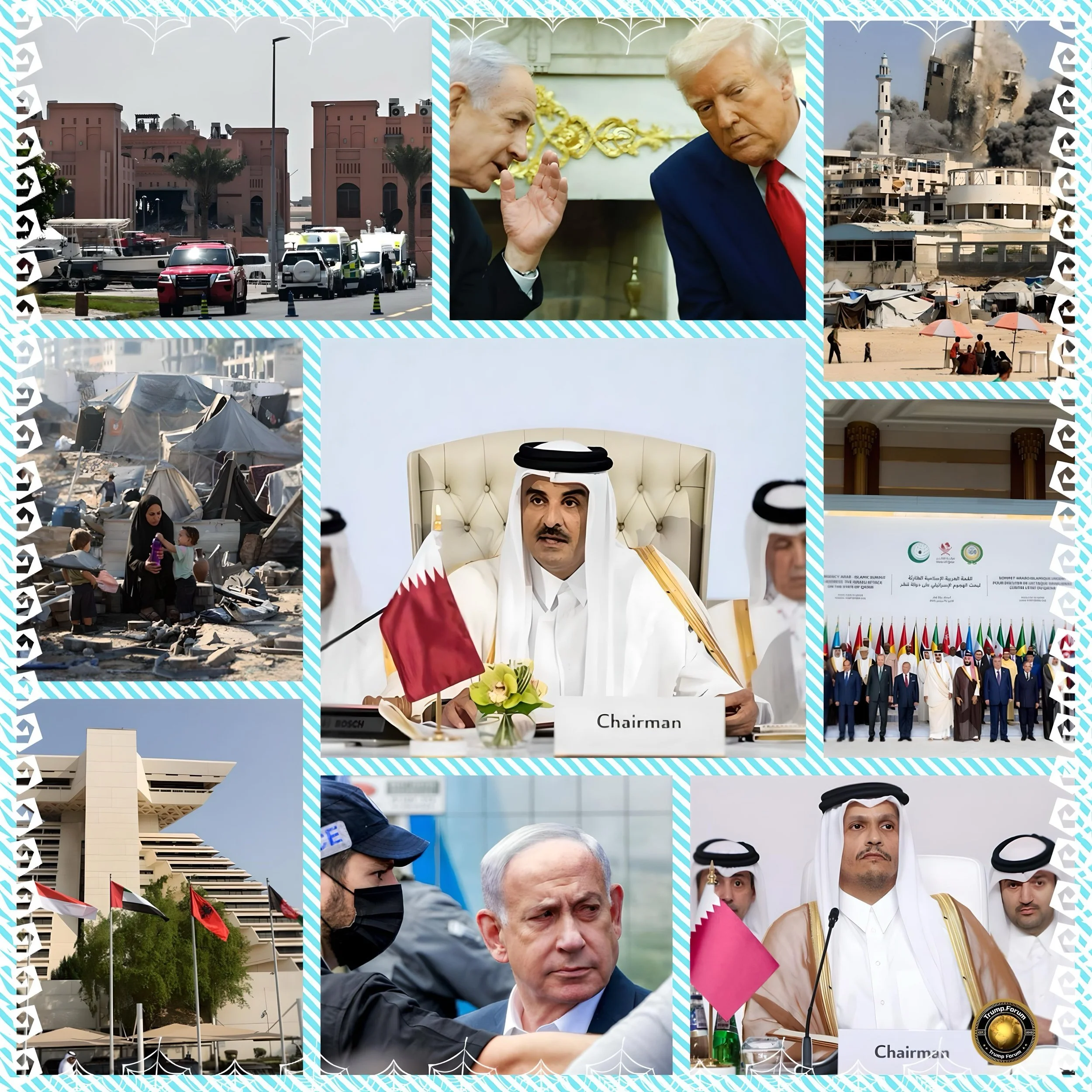
The September 15, 2025 Arab-Islamic extraordinary summit in Doha represents a pivotal moment in Middle Eastern geopolitics, convened in direct response to Israel’s September 9 airstrike targeting Hamas political leadership on Qatari soil.
This unprecedented attack on a major US ally has triggered a comprehensive reassessment of regional security arrangements, American credibility, and the future of peace mediation efforts, with profound implications for global energy markets and international relations.
The Qatar Strike: A Diplomatic Earthquake
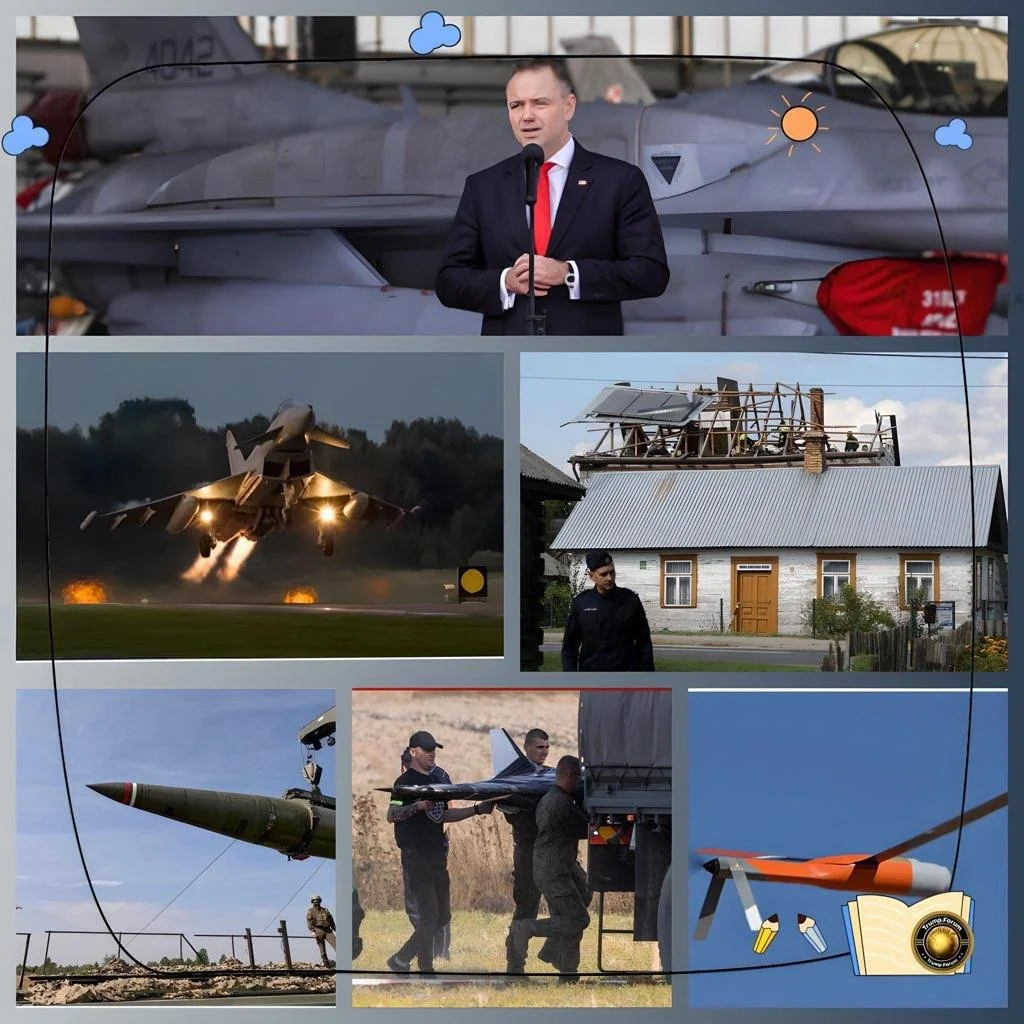
Israel's military operation, termed “Operation Summit of Fire,” involved the deployment of 15 fighter jets executing strikes with over 10 precision-guided munitions aimed at residential structures in Doha.
The primary objective was to disrupt a critical meeting of Hamas officials who were assessing a ceasefire proposal mediated by the United States.
The operation tragically resulted in six fatalities, including a Qatari security officer and the son of Khalil al-Hayya, a senior Hamas negotiator.
Despite extensive military engagement, the mission failed to eliminate its key targets, further escalating tensions in the region.
The timing of the operation was particularly provocative, coinciding with a significant convening of Hamas leadership focused on peace negotiations proposed by the Trump administration. This assault's implications were significant, occurring amid fragile ceasefire discussions.
In reaction to the airstrike, Qatar swiftly condemned the Israeli actions, denouncing them as “state terrorism” and a “flagrant violation of international law.”
Qatari officials criticized Israeli Prime Minister Benjamin Netanyahu's strategy as one based on “dangerous illusions” regarding regional hegemony through military means.
Summit Responses and Unified Condemnation
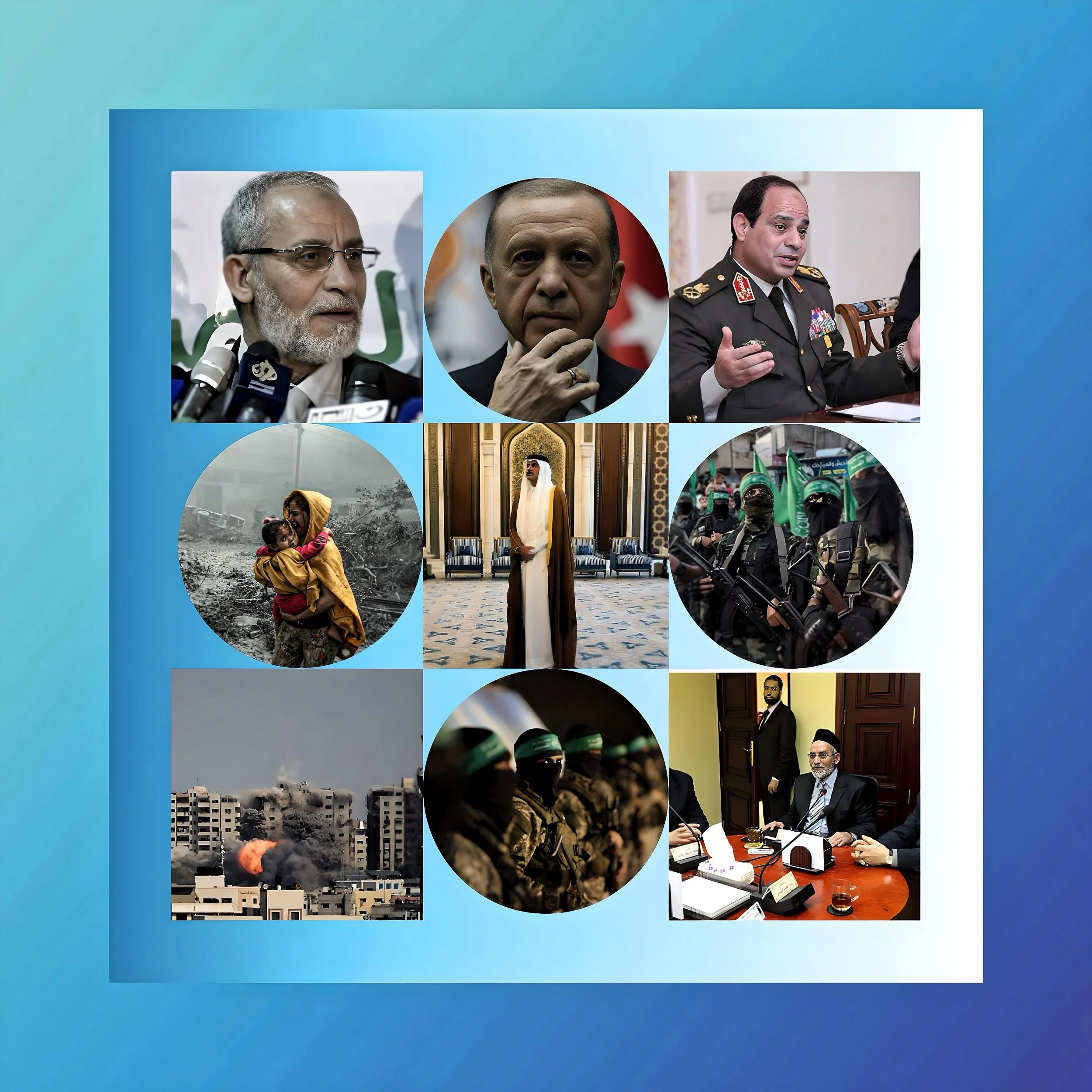
Subsequently, an emergency summit was convened in Doha, bringing together leaders from 57 Arab and Islamic nations.
This gathering culminated in a collective and robust final statement that denounced the Israeli strike as “a flagrant act of aggression,” highlighting violations of Qatar’s sovereignty and its adverse implications for regional stability.
Key resolutions from the summit included calls for international solidarity and a cohesive response against such military incursions.
Gulf Cooperation Council’s Stance
In a landmark decision, the Gulf Cooperation Council (GCC) invoked its joint defense mechanism, asserting that “an attack on one member is an attack on all.”
The GCC announced plans to convene a meeting to establish a Unified Military Command in Doha, marking the first activation of its collective defense clause since the organization's founding, underscoring regional unity in confronting external military actions.
Economic Actions
Although the strong statements made by summit participants conveyed a unified position, the proposals for specific economic repercussions were less defined.
Attendees called for international sanctions against Israel, including arms embargoes and reevaluation of diplomatic and economic ties with the Israeli state.
However, no immediate or specific punitive measures were implemented.
Solidarity with Qatar
Throughout the summit, leaders reaffirmed their “unwavering solidarity” with Qatar, fully backing any retaliatory measures the nation may pursue in response to the Israeli attack.
This displayed unprecedented regional cohesion in support of Qatar's defensive stance, bolstering collective resolve against threats to national sovereignty.
The Trump Administration’s Contradictory Narratives
The ongoing crisis poses a significant challenge to the framework of international conflict resolution, potentially discouraging future mediator states from facilitating sensitive negotiations amid active hostilities.
The crux of the diplomatic fallout centers on divergent narratives regarding the U.S. administration's knowledge of the Israeli military operation.
Initially, the White House maintained that President Trump was informed about the impending strike only after missile launch, leaving no opportunity to avert the escalation.
In contrast, reports from multiple Israeli officials to Axios indicate that Prime Minister Netanyahu briefed Trump on the impending airstrike around 8:00 AM Washington time—approximately 50 minutes before the first detonations occurred in Doha, Qatar's capital.
These Israeli sources further suggested that Trump had the capacity to intervene but opted against doing so, implying an abdication of responsibility.
This situation draws parallels with previous military operations in Damascus, where advance notifications were issued yet deemed inadequate for preemptive action.
Trump's efforts to dissociate himself from the operation have severely undermined U.S. credibility with Gulf allies.
The disparity between official statements and what likely transpired in private meetings points to a deliberate strategy to maintain plausible deniability while facilitating Israeli military objectives.
Marco Rubio’s Diplomatic Initiative
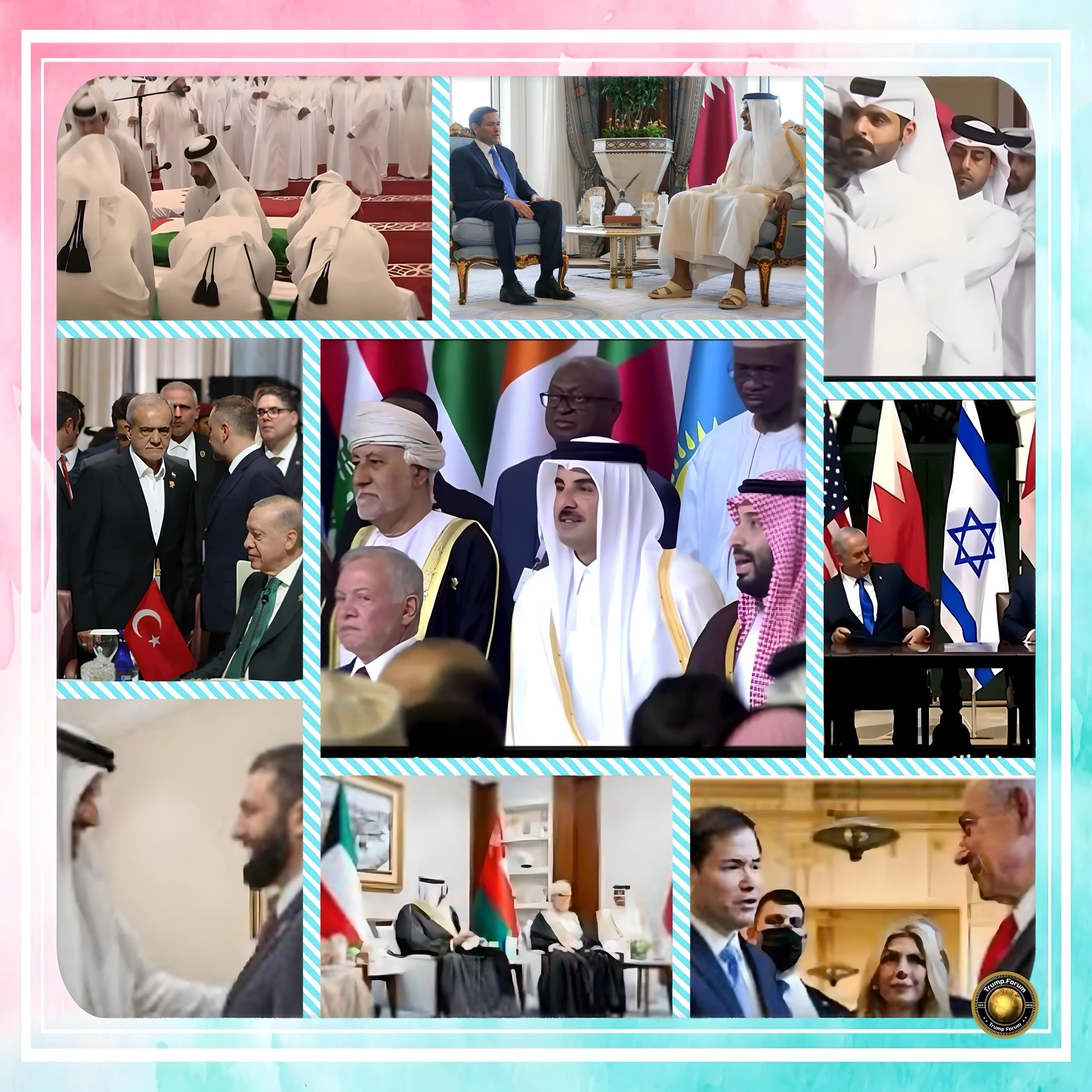
In a bid to mitigate the diplomatic damage, Secretary of State Marco Rubio initiated a vital diplomatic visit to Qatar on September 16, coinciding with a wave of Qatari discontent over the airstrike and alleged American complicity. Key elements of this mission included:
Strengthened Defense Pact
Rubio announced that the U.S. and Qatar are nearing the finalization of an enhanced defense cooperation agreement, a significant upgrade to existing security assurances.
This arrangement is strategically aimed at reaffirming American commitment to Qatar in the wake of shaken trust and security.
Mediation Advocacy
Despite prevailing tensions, Rubio highlighted Qatar's unique position as "the only country in the world" capable of mediating between Israel and Hamas, emphasizing the necessity of continued engagement while acknowledging a "very short window" for reaching a consensus.
Simultaneously, he reiterated support for Israel's hardline stance, insisting on the eradication of Hamas, which complicates mediation efforts.
Regional Stabilization Efforts
Rubio’s discussions with Qatari Emir Sheikh Tamim bin Hamad Al-Thani were pivotal, focusing on devising "future diplomatic initiatives" and addressing the serious "repercussions of the Israeli strike."
Qatar’s Mediation Dilemma
Following these developments, initial reports suggested that Qatar might suspend its mediation activities entirely.
However, Qatari Prime Minister Mohammed bin Abdulrahman Al-Thani clarified that, notwithstanding their condemnation of the Israeli attack, "nothing will deter us from continuing this mediation role."
This statement reflects a significant level of diplomatic restraint in the face of severe provocation.
Yet, Qatar's mediation efforts are fraught with contradictions. The emirate has hosted Hamas’s political bureau since 2012 at the explicit request of the United States, aiming to facilitate negotiations.
However, the ongoing Israeli military actions now threaten the viability of these diplomatic efforts.
Netanyahu’s declarations of further strikes against Hamas officials "wherever they are" directly undermine Qatar’s ability to ensure the safety of negotiators.
The recent military intervention has fundamentally altered the mediation landscape by designating formerly neutral venues, such as Qatar, as legitimate military targets.
This unsettling precedent threatens the integrity of international conflict resolution frameworks, potentially dissuading future mediator states from hosting sensitive negotiations during periods of active hostilities.
Regional Security Realignment
The potential for leveraging energy as a strategic weapon in geopolitical conflicts is constrained, primarily due to entrenched economic interdependencies both within the Gulf region and with global markets.
The ongoing crisis has expedited a critical evaluation of American security guarantees among Gulf states, prompting a discreet yet strategic exploration of alternative partnerships.
Several key developments are unfolding within this evolving geopolitical context.
Augmented Chinese Engagement
Recent intelligence reports indicate heightened participation from China and Turkey in preparatory meetings for the upcoming Doha summit.
This development underscores a burgeoning interest from these nations in cultivating security arrangements that diverge from traditional Western alliances.
Particularly, China’s Belt and Road Initiative is reemerging as a strategic framework within the Gulf, generating dialogue regarding its viability as a hedging strategy against the unpredictability of U.S. military support.
Diversification of Defense Initiatives
Amid declining confidence in U.S. protective assurances, Gulf states are seriously contemplating reinvigorating and potentially expanding the Peninsula Shield Force, originally established in the 1980s.
This initiative aims to enhance regional defense capabilities and mitigate reliance on American military assistance.
Proposals may include integrating advanced air defense systems and developing autonomous military technologies to strengthen collective defense operations.
Economic Rebalancing Frameworks
The current crisis has catalyzed robust discussions regarding the Gulf states' dependency on American military hardware. Several nations are contemplating a pivot towards defense collaboration with European and Asian suppliers.
Yet, this strategic shift faces significant hurdles, including the existing technological gap that constrains the effectiveness of these new partnerships compared to American capabilities.
Impacts on Energy Markets and the Broader Economy
Despite the geopolitical ramifications of the crisis, energy markets have shown a muted response.
On September 9, oil prices saw a slight uptick, with Brent crude rising by 0.56% to $66.39 per barrel; however, these gains were fleeting as U.S. reassurances mitigated fears of supply disruptions.
Key factors contributing to this restrained market reaction include
Supply Security
Qatar’s energy infrastructure remains secure, with no immediate threats to its liquefied natural gas (LNG) exports or overall oil production capabilities.
The military actions taken were directed at political entities rather than economic targets, alleviating immediate supply fears.
U.S. Reassurances
President Trump’s prompt assurances that further attacks would be curtailed served to stabilize markets and contain risk premiums.
Nevertheless, there is skepticism regarding the reliability of these assurances, particularly given controversies surrounding prior notifications of potential attacks.
Regional Containment
The measured responses from neighboring Gulf states, coupled with a preference for diplomatic resolutions over punitive economic measures, have been pivotal in preventing market destabilization during the crisis.
Coordination Challenges within OPEC
While OPEC as an organization has not issued formal statements regarding the recent attack on Qatar, the individual reactions from member states reveal potential coordination challenges.
For instance, Saudi Arabia, the UAE, and other Gulf OPEC members have collectively denounced Israeli actions while simultaneously ensuring the stability of their energy production.
This illustrates the delicate balancing act faced by energy-producing states as they navigate the intersection of geopolitical considerations and market stability.
Qatar, as the world’s leading LNG exporter, wields considerable leverage in the energy sector.
However, the capacity for using energy as a geopolitical weapon remains limited due to the intricate economic interdependencies characterizing both the regional and global landscape.
Conclusion
Strategic Assessment: A New Middle Eastern Order
The Qatar crisis represents a fundamental inflection point in Middle Eastern geopolitics, with implications extending far beyond the immediate diplomatic fallout.
American Hegemony Under Question
The apparent coordination between Washington and Tel Aviv on the Qatar attack, despite public denials, has severely undermined US credibility as an impartial mediator and reliable security partner. Gulf states are increasingly viewing American security guarantees as conditional and potentially hollow.
Regional Autonomous Capabilities
The crisis has accelerated Gulf states’ pursuit of strategic autonomy, including enhanced defense cooperation, alternative partnerships, and reduced dependence on US security architecture.
The activation of GCC collective defense mechanisms represents the most significant step toward regional self-reliance since the organization’s founding.
Mediation Architecture at Risk: Israel’s willingness to attack neutral mediation venues fundamentally challenges the international conflict resolution framework.
Future peace efforts may require more robust security guarantees for mediating parties, potentially involving international peacekeeping forces or guaranteed safe passage agreements.
Iranian Calculations
Remarkably, Iran participated in the Doha summit despite having attacked Qatar itself in June 2025.
This pragmatic alignment against Israeli actions suggests shifting regional dynamics where traditional rivalries may be subordinated to collective resistance against perceived Israeli expansionism.
Energy Geopolitics
While immediate market impacts were limited, the crisis demonstrates how quickly geopolitical tensions can threaten energy security. Qatar’s position as a critical LNG supplier provides leverage, but also creates vulnerabilities that rivals may seek to exploit.
The Qatar summit and its aftermath reveal a Middle East increasingly skeptical of American leadership and willing to pursue autonomous security arrangements.
Whether this represents a temporary adjustment or fundamental realignment will depend largely on the Trump administration’s ability to restore credibility through concrete actions rather than rhetorical reassurances.
The failure to prevent the Qatar attack, combined with apparent advance coordination, has created a crisis of confidence that may prove irreversible, potentially ushering in a new era of multipollar Middle Eastern geopolitics where American influence competes with Chinese, Russian, and indigenous regional power centers.
The ultimate test will be whether Qatar continues its mediation role despite the security breach, and whether other Gulf states maintain their strategic partnerships with Washington or accelerate their search for alternative security guarantors.
The answers to these questions will shape Middle Eastern stability and global energy security for the coming decade.