The Global Landscape in 2025: Ten Critical Challenges That Will Define the International Agenda and Influence Global Community Strategies.
Introduction
In 2025, the global community continues to confront complex, interrelated challenges that necessitate a unified international approach across various domains.
The ten critical issues identified a year earlier pose significant threats to global stability and development.
Yet, governments, international organizations, and civil society are responding with comprehensive strategies, leveraging multilateral initiatives, institutional reforms, and innovative partnerships.
Significant Global Responses and Initiatives
Climate Action and COP30 Preparations
As the global climate response gains traction, preparations for COP30 in Belém, Brazil, are in full swing.
This conference was pivotal for accelerating climate action via the "Baku to Belém Roadmap," which targets increasing climate financing from $300 billion to $1.3 trillion annually by 2035.
Brazil's COP30 presidency has introduced innovative governance frameworks, including Circles of Ministers from 35 nations to enhance access to climate finance and reform multilateral banking institutions.
Notable initiatives include the WHO Global Conference on Climate and Health in Brasília, culminating in the Belém Health Action Plan, which seeks to embed health considerations into climate policy.
Additionally, the Tropical Forest Forever Facility has been established, earmarking $125 billion for forest conservation incentives in tropical nations, with disbursement commencing in 2026.
Strengthened Multilateralism and Global Governance Reform
The 2024 Summit of the Future represented a pivotal moment for multilateral engagement, resulting in the adoption of the Pact for the Future, the Global Digital Compact, and the Declaration on Future Generations.
These accords obligate nations to undertake 56 specific actions, encompassing the acceleration of the Sustainable Development Goals (SDGs), initiatives for peace-building, and the transformation of global governance frameworks.
Leaders from Brazil, South Africa, and Spain have spearheaded a joint initiative underscoring that “multilateralism can and must deliver.”
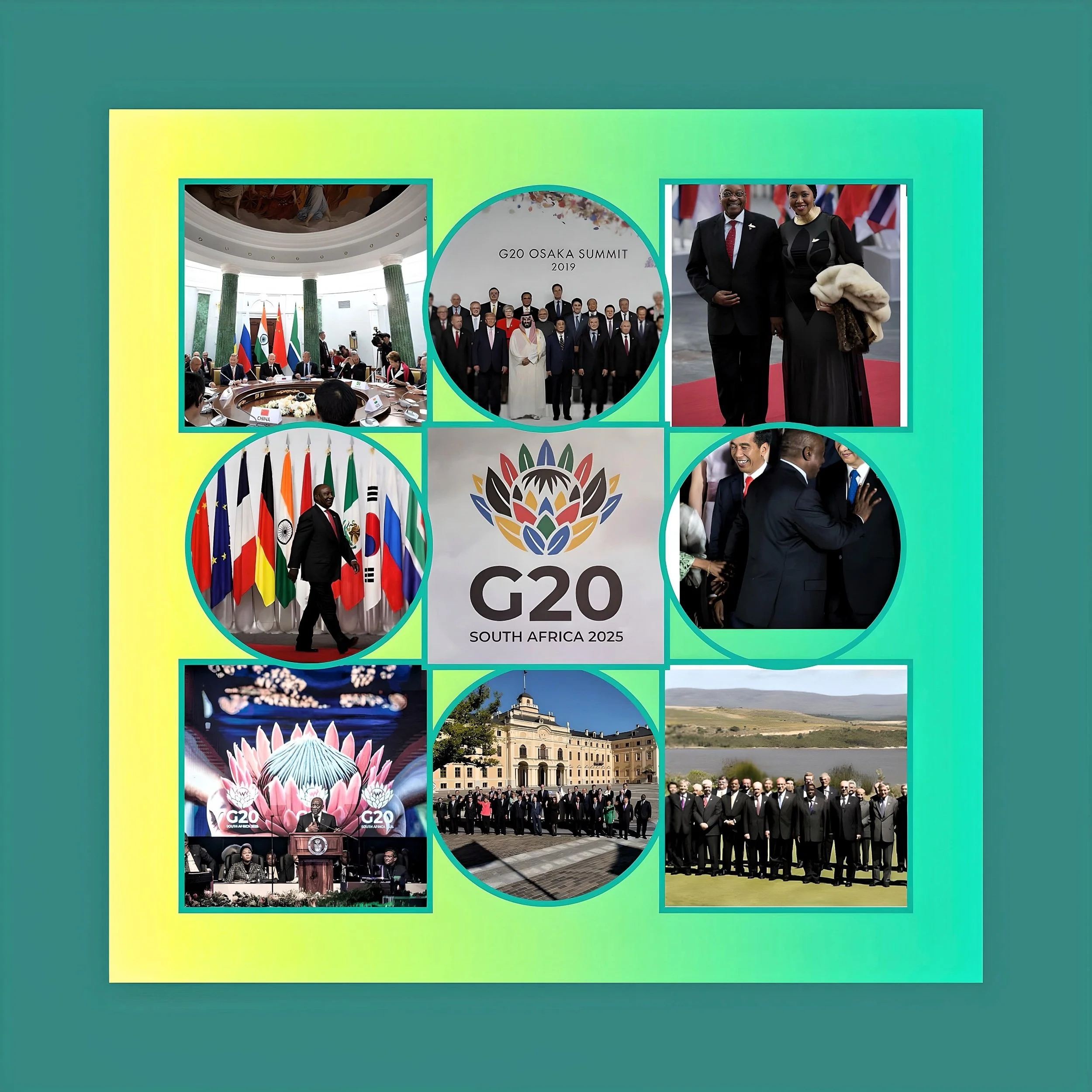
They have highlighted three crucial gatherings in 2025: the Fourth International Conference on Financing for Development in Seville, COP30 in Belém, and the G20 Summit in Johannesburg.
These are all designed to mobilize financing for sustainable development while reinforcing international cooperation.
Defense and Security Cooperation
The NATO summit in The Hague 2025 achieved a historic consensus on defense spending. Member states committed to elevating their defense budgets to 5% of GDP by 2035, more than doubling the previous 2% target.
This allocation is segmented into 3.5% for core defense requirements and 1.5% for defense-related initiatives, including aid to Ukraine.
The alliance reaffirmed the collective defense provisions under Article 5 and recognized Russia as a persistent long-term threat, demonstrating a united front in addressing contemporary security challenges.
This agreement potentially allows the United States to reallocate military forces to other strategic theaters, particularly in efforts to contain China.
Pandemic Preparedness and Global Health Security
In May 2025, the World Health Organization achieved a significant milestone by having 124 member states adopt the Pandemic Agreement.
This landmark legal framework, resulting from three years of negotiations, establishes equitable access to vaccines, diagnostics, and treatments while enhancing international coordination for pandemic prevention and response.
The agreement activates the Coordinating Financial Mechanism to bolster pandemic preparedness, particularly in developing nations, and creates the Global Supply Chain and Logistics Network for swift access to health resources during emergencies.
Moreover, the Pathogen Access and Benefit Sharing system aims to ensure transparent sharing of pandemic-related materials while facilitating equitable distribution.
Financial Architecture Reform and Debt Relief
Substantial reforms are being undertaken by Multilateral Development Banks (MDBs) to enhance their lending capacity and operational efficacy.
Notably, the G20 Roadmap for Better, Bigger, and More Effective MDBs has already enhanced lending capacity by over $650 billion over the coming decade through reforms to capital adequacy frameworks.
The World Bank is implementing comprehensive enhancements, including a minimum 50% quality weighting for international procurement, increased market engagement for contracts exceeding $10 million, and improved support for borrowing countries.
These reforms aim to deliver superior development outcomes while ensuring financial sustainability.
The IDA21 replenishment successfully mobilized $100 billion for the World Bank’s low-income country lending arm. However, civil society organizations continue to advocate for greater advancements in climate finance, gender equity, and public service funding.
Regional Integration and South-South Cooperation
The expansion of BRICS represents a significant paradigm shift in Global South cooperation. It now incorporates 10 full members and 10 partner countries.
BRICS countries account for 44% of the global GDP and 56% of the world’s population.
Indonesia's inclusion as the bloc's first Southeast Asian member highlights its growing regional relevance.
Moreover, ASEAN has progressed in regional integration efforts, complementing the broader dynamics of South-South cooperation.
Technological Innovation and Digital Governance
The Global Digital Compact, initiated alongside the Pact for the Future, sets forth the first universal framework for artificial intelligence (AI) governance and digital collaboration.
This agreement delineates principles for developing safe, secure, and trustworthy AI while advocating for digital inclusivity and addressing technological disparities.
European strategic autonomy is progressing through the ReArm Europe Plan, which aims to invest €800 billion in defense and mitigate reliance on foreign entities for critical technologies.
The EU’s Open Strategic Autonomy strategy aligns industrial policy with free trade and supply chain resilience while upholding international cooperative alliances.
Democracy and Governance Support
The Global Democracy Coalition has established regional forums worldwide to enhance democratic resilience and disseminate best practices.
These initiatives gather civil society representatives, policymakers, and youth leaders to confront democratic backsliding and foster inclusive governance frameworks.
At the Wilton Park conference on Democratic Governance, strategies for international cooperation were identified, including the formation of coalitions of like-minded democracies, implementation of regular high-level dialogues in the Global South, and development of innovative financing mechanisms for democracy enhancement.
Food Security and Agricultural Transformation
The Global Report on Food Crises 2025 has galvanized international efforts to tackle acute food insecurity impacting 673 million individuals globally.
The State of Food Security and Nutrition in the World report provides a framework for coordinated efforts to meet Sustainable Development Goal 2 (Zero Hunger) by 2030.
Regional initiatives include G20 agricultural cooperation principles and the Millet Research Initiative, which advocate sustainable farming methods and crop diversification.
The Global Biofuel Alliance, initiated by G20 members, aims to promote renewable energy alternatives within the agricultural sector.
Social Protection and Inequality Reduction
The World Social Report 2025 has spurred policy debates on mitigating inequality and reinforcing social cohesion.
FAF argues for a new policy consensus addressing the root causes of social crises, encompassing insecurity, inequality, and institutional distrust.
The G20’s agenda under South Africa’s presidency highlights “Solidarity, Equality, Sustainability,” emphasizing inclusive economic growth, debt sustainability for low-income nations, and equitable energy transitions.
Three dedicated task forces are tackling issues related to inclusive growth, food security, and AI governance in the context of sustainable development.
Challenges and Limitations
Despite the breadth of these initiatives, substantial challenges persist in actualizing commitments.
Political fragmentation continues to hinder consensus-building in pivotal forums.
This is exemplified by the G20’s inability to issue a joint communiqué during the 2025 Spring Meetings, which were marred by internal divisions. Similar discord has impeded decision-making in the IMF and World Bank governance structures.
Moreover, the financing needed to address these global challenges significantly surpasses current commitments.
WWhile the climate finance target is set at $1.3 trillion, the gap between remaining commitments and actual delivery remains alarmingly wide.
Despite ongoing implementation, the “billions to trillions” strategy continues to encounter implementation hurdles.
Geopolitical tensions further complicate multilateral collaboration, as great power competition undermines the efficacy of international institutions.
The resurgence of protectionist policies and economic nationalism poses a threat to the open trading system crucial for addressing transnational challenges.
Emerging Opportunities
Conversely, several positive developments offer a basis for optimism. The growth of South-South cooperation through BRICS and regional organizations is forging alternative pathways for international coordination.
Global youth mobilization, with 65% advocating for enhanced international collaboration on climate initiatives, highlights a proactive demographic engagement.
Technological advancements present novel resources for mitigating global challenges, ranging from AI-enabled climate monitoring tools to digital platforms that facilitate direct democratic engagement.
Increasing private sector involvement in sustainability issues, while necessitating greater systematic alignment with public initiatives, reflects a growing commitment to addressing these challenges.
Conclusion
The year 2025 signifies a pivotal moment wherein the convergence of global challenges necessitates unprecedented coordination and innovative solutions.
While international frameworks for action have been established across key domains, the success of these efforts hinges on the translation of high-level commitments into actionable outcomes.
The interconnected nature of contemporary challenges demands integrated responses that tackle underlying causes rather than merely addressing their symptoms.
Effective climate action must incorporate principles of social justice, economic development must prioritize sustainability, and technological progress should ultimately serve human welfare.
Crucially, the leadership and perspectives of those most impacted by these challenges—particularly from the Global South—must be prioritized in the formulation of solutions.