South Africa’s Historic G20 Summit: U.S. Absence and the Shifting Global Order
Introduction
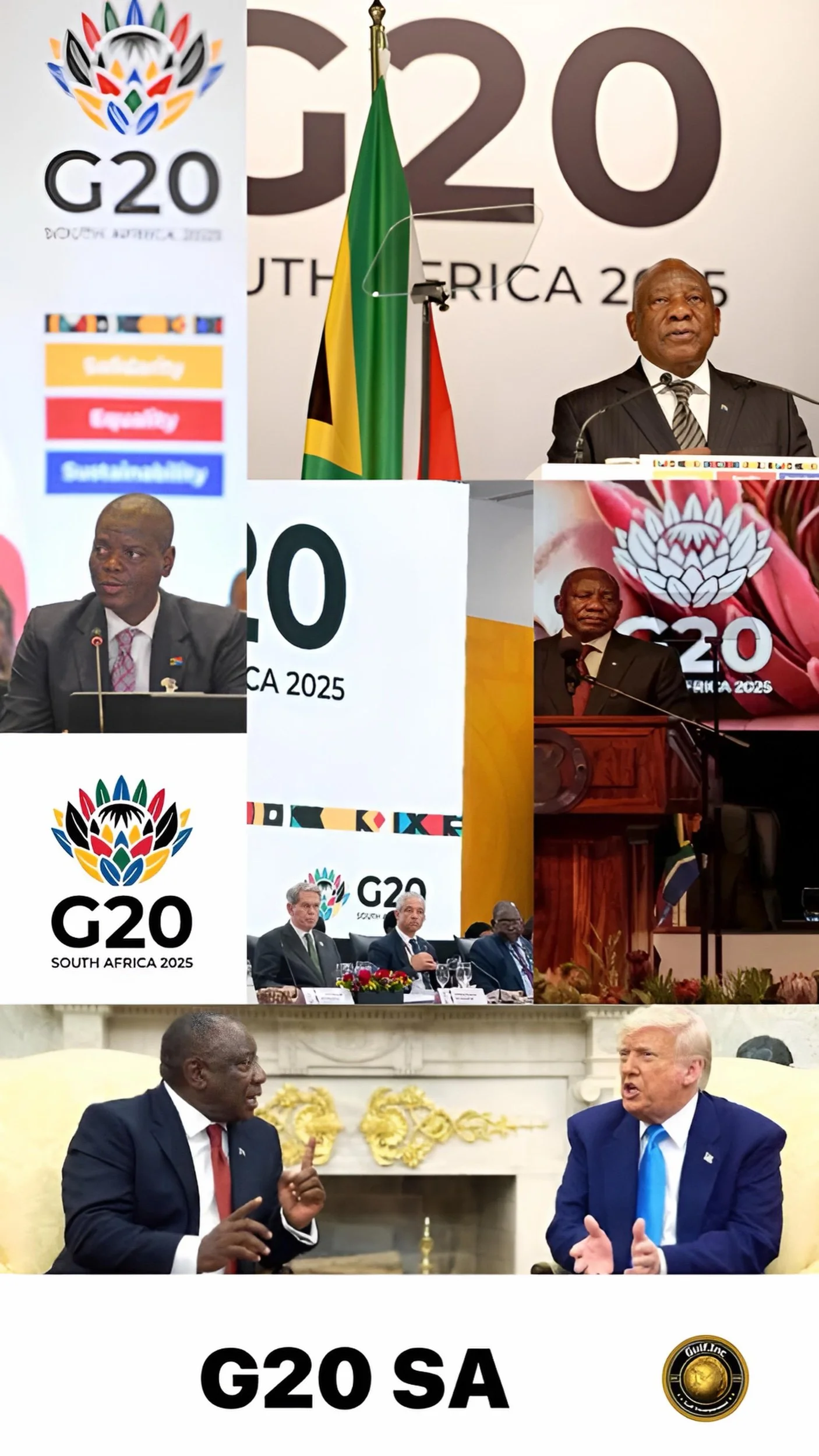
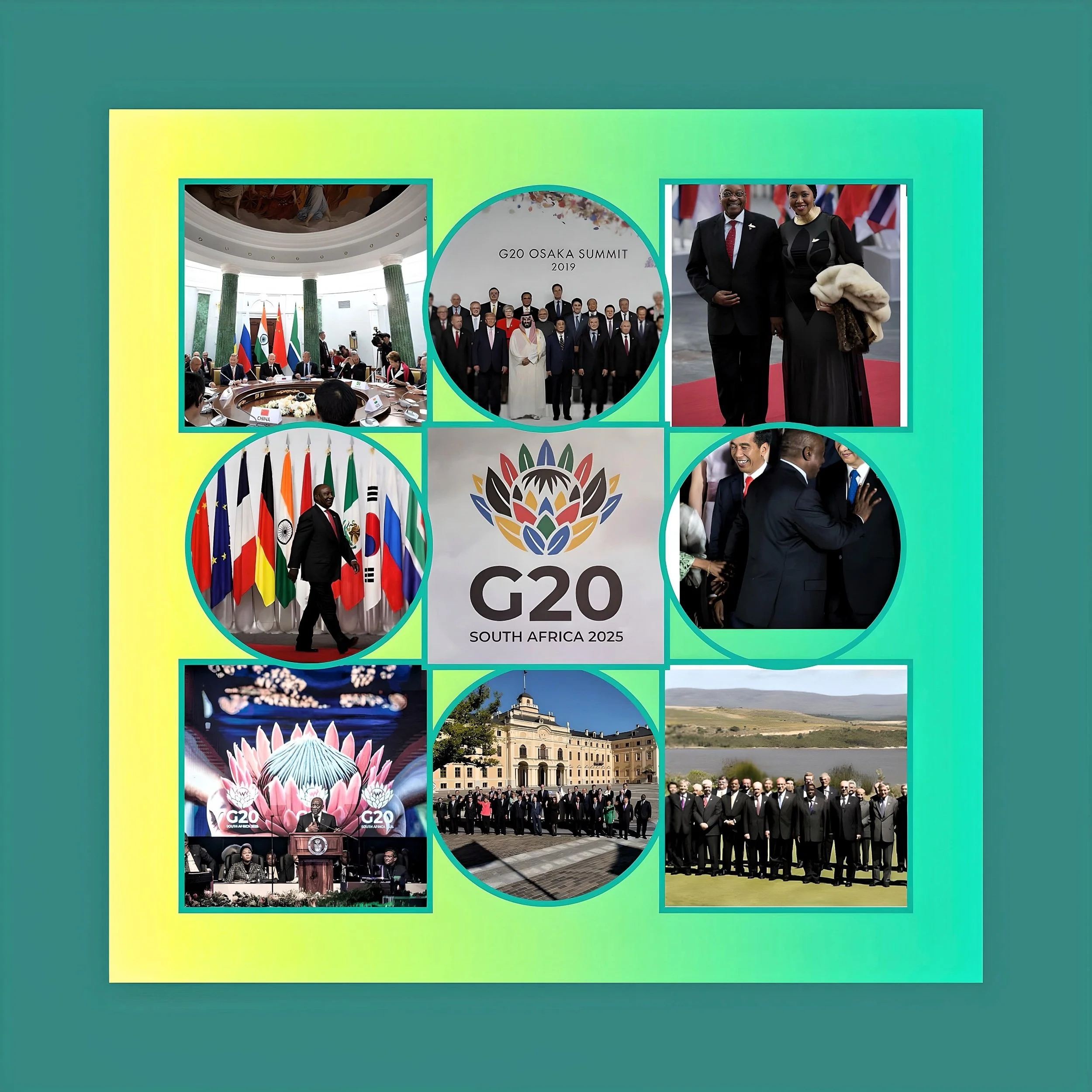
As South Africa hosts the first G20 summit on African soil from February 20–21, 2025, the conspicuous absence of U.S. Secretary of State Marco Rubio has cast a shadow over the event, signaling deepening fractures in multilateral cooperation under the Trump administration.
President Cyril Ramaphosa’s government has framed the summit under the theme “Solidarity, Equality, and Sustainability,” aiming to champion Global South priorities like debt relief, climate finance, and equitable energy transitions.
However, the U.S. decision to withdraw high-level participation—coupled with halted aid and diplomatic friction—has transformed the summit into a litmus test for the future of multilateralism in an era of geopolitical polarization.
The Significance of South Africa’s G20 Presidency
A First for Africa
South Africa’s presidency marks the first time the G20 convenes in Africa, offering a platform to address systemic inequities facing developing nations. Key priorities include:
Debt sustainability
Advocating for restructuring mechanisms to alleviate $500 billion in debt burdens across low-income countries.
Climate resilience
Mobilizing funds for renewable energy transitions and critical mineral development, particularly for nations disproportionately impacted by climate change.
Multilateral reform
Pushing for greater African representation in institutions like the IMF and World Bank, which currently allocate only 5% of voting shares to African nations despite the continent comprising 17% of the global population.
The African Union’s recent admission to the G20 has amplified this agenda, though South Africa remains pivotal as the group’s sole African founding member.
Domestic and Regional Stakes
Domestically, Ramaphosa faces mounting pressure to leverage the summit amid economic stagnation, with GDP contracting 0.3% in 2023 and unemployment at 32%.
Regionally, South Africa seeks to counterbalance Nigeria’s growing U.S. ties by positioning itself as a gateway for BRICS+ engagement in Africa.
The U.S. Absence
Causes and Implications
Trump’s Transactional Diplomacy
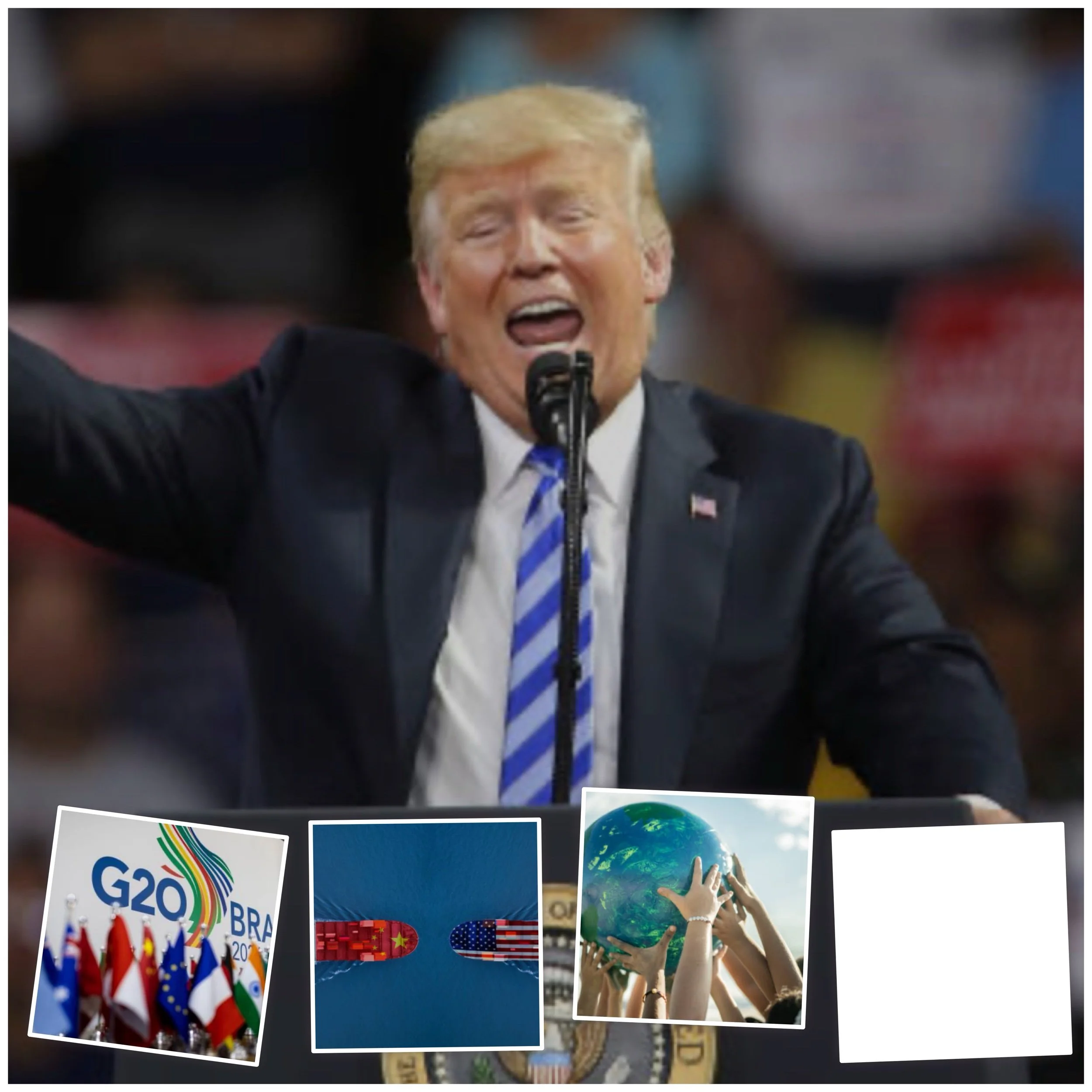
Secretary Rubio’s boycott reflects the Trump administration’s broader rejection of multilateral frameworks.
The State Department cited South Africa’s “anti-American” policies as justification, specifically:
Land reform
A 2024 law enabling expropriation without compensation, which Trump claims discriminates against white landowners.
Israel-Gaza case
South Africa’s International Court of Justice (ICJ) case accusing Israel of genocide, which drew U.S. condemnation.
BRICS alignment
Perceived closeness to China and Russia, including joint naval exercises and advocacy for de-dollarization.
The U.S. suspended $700 million in aid and threatened tariffs under the South Africa Bilateral Relations Review Act, escalating tensions.
Strategic Disengagement
Rubio’s absence is part of a pattern:
No-show cascade
Treasury Secretary Scott Bessent also skipped the concurrent G20 finance ministers’ meeting, leaving the U.S. represented by mid-level envoys.
Rhetorical dismissal
Rubio derided the summit’s focus on “DEI and climate change” as antithetical to U.S. interests, vowing to prioritize bilateral deals over “woke multilateralism”.
Institutional neglect
The Trump administration has defunded the U.S. AI Safety Institute and rejected Biden-era AI regulations, mirroring its G20 disengagement.
International Reactions: Diverging Alliances
China and BRICS Consolidation
China seized the vacuum, with Foreign Minister Wang Yi endorsing South Africa’s agenda as “vital for developing nations”.
BRICS members—notably Russia and Iran—amplified calls for alternative financial architectures, including expanded use of local currencies in trade.
European Union’s Balancing Act
EU foreign policy chief Kaja Kallas affirmed support for multilateralism but acknowledged fractures: “The rules-based order may not just be broken—it may cease to exist”.
While backing South Africa’s climate goals, Europe remains wary of BRICS encroachment on Ukraine-related sanctions.
African Unity Tested
Nigeria’s absence from high-level discussions highlighted intra-African rivalries, as Trump courts Abuja for security partnerships in the Sahel. The AU, despite its G20 seat, struggled to present a unified front, with only 15 heads of state confirming attendance.
Implications for Global Governance
Erosion of G20 Relevance
The summit risks becoming a talking shop rather than a decision-making body. Key outcomes likely limited to:
Symbolic declarations on climate finance, lacking binding commitments.
Vague nods to UN Sustainable Development Goals, undermined by the U.S. withdrawal.
BRICS-centric side deals on critical minerals and vaccine production, excluding Western firms.
Rise of Parallel Institutions
With the U.S. disengaged, BRICS+ nations are accelerating alternatives:
New Development Bank
Approved $2.1 billion in loans for African infrastructure, bypassing IMF conditionality.
Contingent Reserve Arrangement
Expanded to $200 billion as a dollar alternative for liquidity crises.
AI Governance Alliance
China and South Africa proposed a BRICS-led framework to counter U.S. tech dominance.
Conclusion
A Fork in the Road
South Africa’s G20 summit epitomizes the unraveling of post-Cold War multilateralism.
While Ramaphosa frames the event as a triumph of Global South agency, the U.S. absence has exposed structural vulnerabilities: without Washington’s economic heft, binding agreements on debt or climate remain elusive.
Yet the vacuum also offers opportunities—for BRICS to institutionalize parallel frameworks and for Africa to recalibrate its role in a fragmenting order.
As EU officials privately concede, “The G20 may soon resemble the League of Nations: well-intentioned, but toothless”. The question now is whether new coalitions can forge a credible path forward, or if the world is entering an era of competing blocs with no shared rules at all.