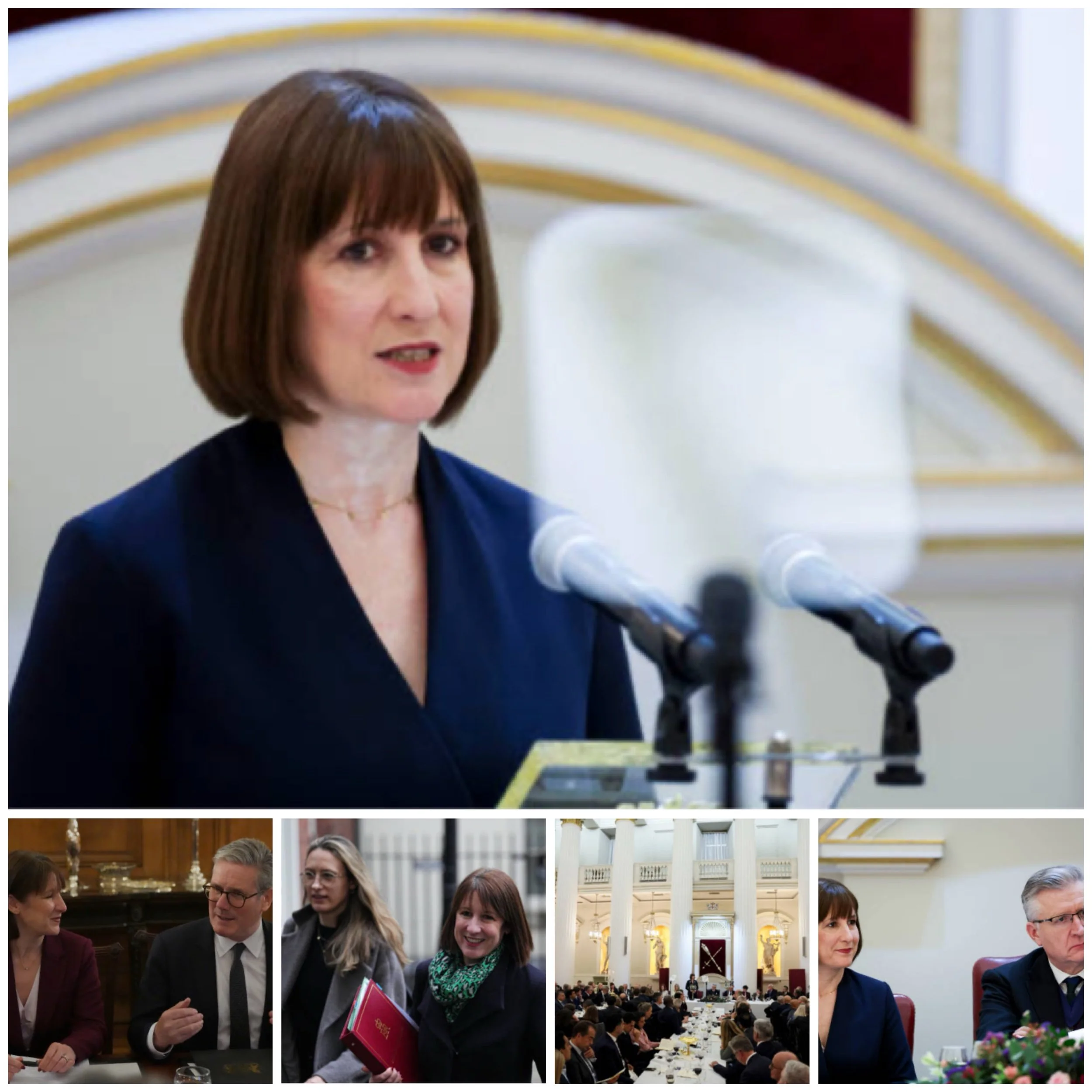
Rachel Reeves - Chancellor of the Exchequer : UK controversy
Introduction
Political Relationship and Party Affiliation
Rachel Reeves is indeed a Keir Starmer Labour Party member and has been a close political ally.
She joined the Labour Party at age 16 and has been the MP for Leeds West since 2010.
Reeves and Starmer present themselves as a “double act” and have moved “in lockstep” on economic policy. However, their relationship has faced strain recently.
Rapport with Starmer
While they have historically worked closely together, recent events suggest tension.
When Reeves appeared emotional in Parliament following welfare reform U-turns, Starmer initially hesitated to confirm she would remain Chancellor until the next election.
He later provided “full backing,” but observers noted this lukewarm initial response.
Some analysts suggest Starmer may be “distancing himself” from Reeves amid economic turmoil.
Impact on UK, EU, and US Relations
UK Impact: Reeves’ policies have created significant domestic challenges:
The UK budget deficit reached £151.9 billion in March 2025, the third-highest since records began
Public debt stands at 96.3% of GDP, levels not seen since the early 1960s
Economic growth forecasts have been repeatedly downgraded to 1% for 2025
EU Relations
Reeves has signaled a “wider reset” of post-Brexit relations, meeting with European finance ministers to negotiate closer ties.
She’s pursuing veterinary agreements and considering “dynamic alignment” with EU export regulations.
US Relations
She’s balancing EU engagement with US trade discussions.
She met with Treasury Secretary Scott Bessent about a potential trade deal while warning that Trump’s tariffs will have “profound impacts” even if the UK secures exemptions.
Effectiveness in Handling Budget Issues
Reeves’ effectiveness as Chancellor has been mixed at best
Negative Indicators
Her approval rating has plummeted to just 19% doing a good job, vs. 51% saying bad job
Her net approval (-32) approaches levels of Kwasi Kwarteng (-37) after his disastrous mini-budget
The OBR consistently forecasts that the government will miss fiscal targets without additional measures
Limited Positive Steps
Successfully passed central tax increases worth £40 billion in October 2024
Maintained fiscal discipline despite political pressure
Increased defense spending toward 2.5% of GDP target
Concrete Steps Taken to Fix Budget
Reeves has implemented several measures, though their effectiveness remains questionable:
Tax and Revenue Measures
£40 billion in tax rises, the largest since 1993
Crackdown on tax evasion projected to raise £1 billion annually
Suspended tariffs on 89 products for two years
Spending Controls
£5 billion in public spending cuts announced
£4.8 billion in welfare reforms and cuts
15% reduction in civil service costs, saving £2 billion by 2030
Investment Focus
£2 billion annually for growth-focused capital investment
£39 billion housing package over the next decade
£16.7 billion commitment to nuclear power including Sizewell C
Current Assessment
Has Reeves been helpful? The evidence suggests limited effectiveness:
Despite her efforts, the UK budget deficit continues growing, reaching £74.6 billion in March 2025
Economic growth remains anemic at 1%
Public confidence has collapsed, with 57% more concerned about the economy after her Spring Statement
The think tank NIESR warns she’ll need to raise taxes further or cut spending to meet her own fiscal rules
Key Challenges
Global economic headwinds and trade tensions limit policy effectiveness
Self-imposed fiscal rules create constraints that may require painful adjustments
Political rebellion within Labour over welfare cuts undermines her authority
Conclusion
Reeves has taken concrete steps to address budget issues, the results have been largely disappointing.
Her relationship with Starmer remains functional but strained, and her effectiveness as Chancellor is increasingly questioned both by markets and the public.
The combination of global economic challenges and domestic political constraints has limited her ability to deliver the economic growth and fiscal stability that Labour promised.