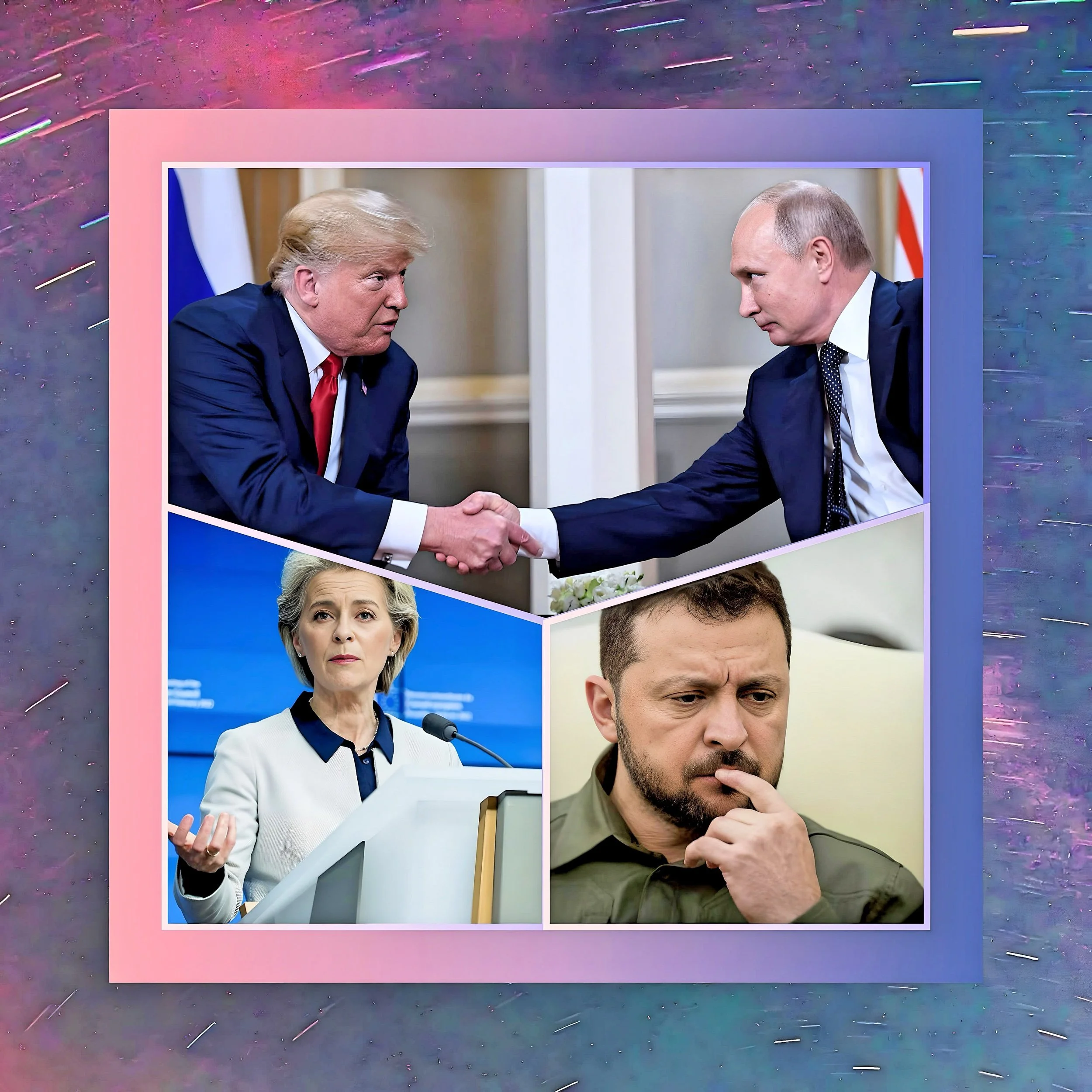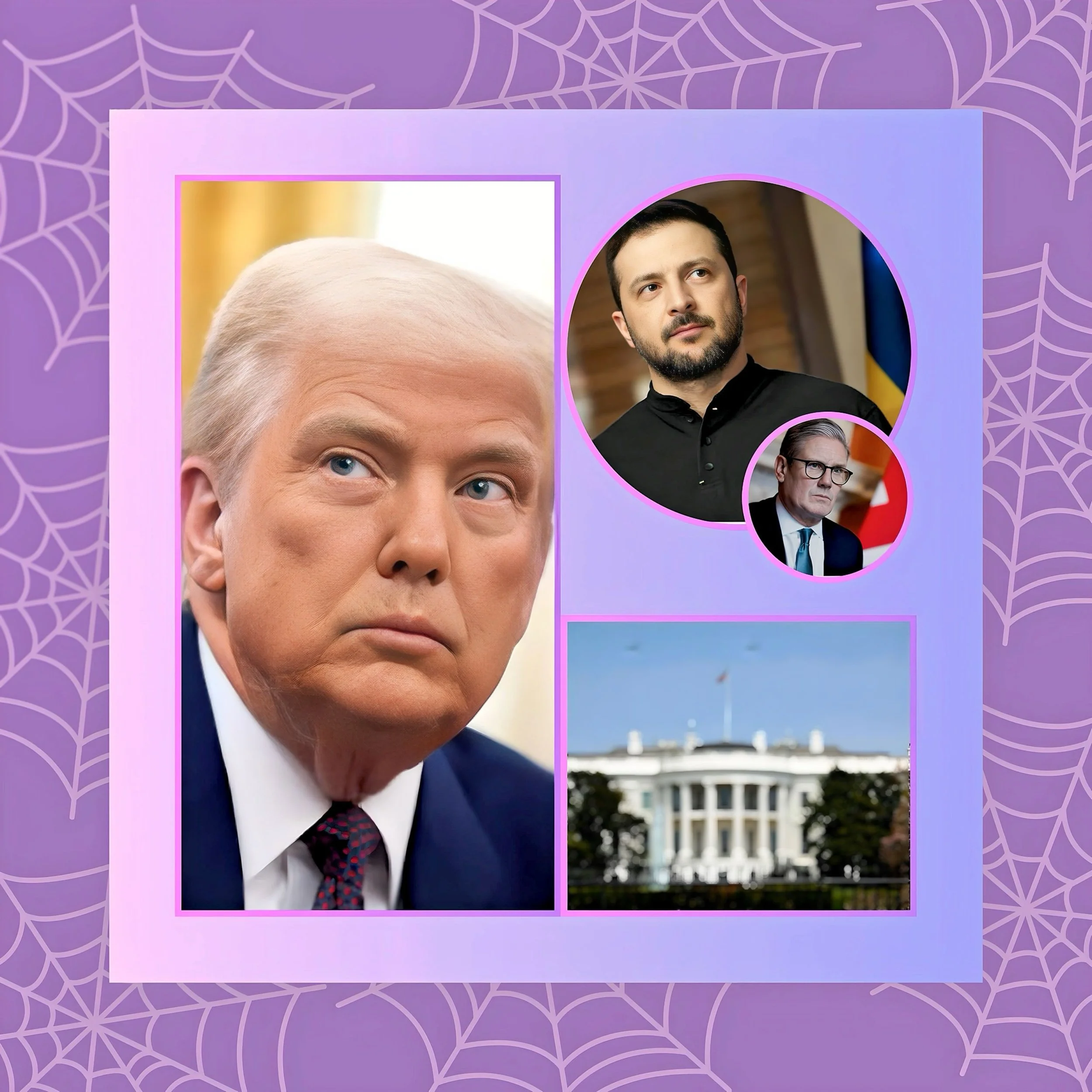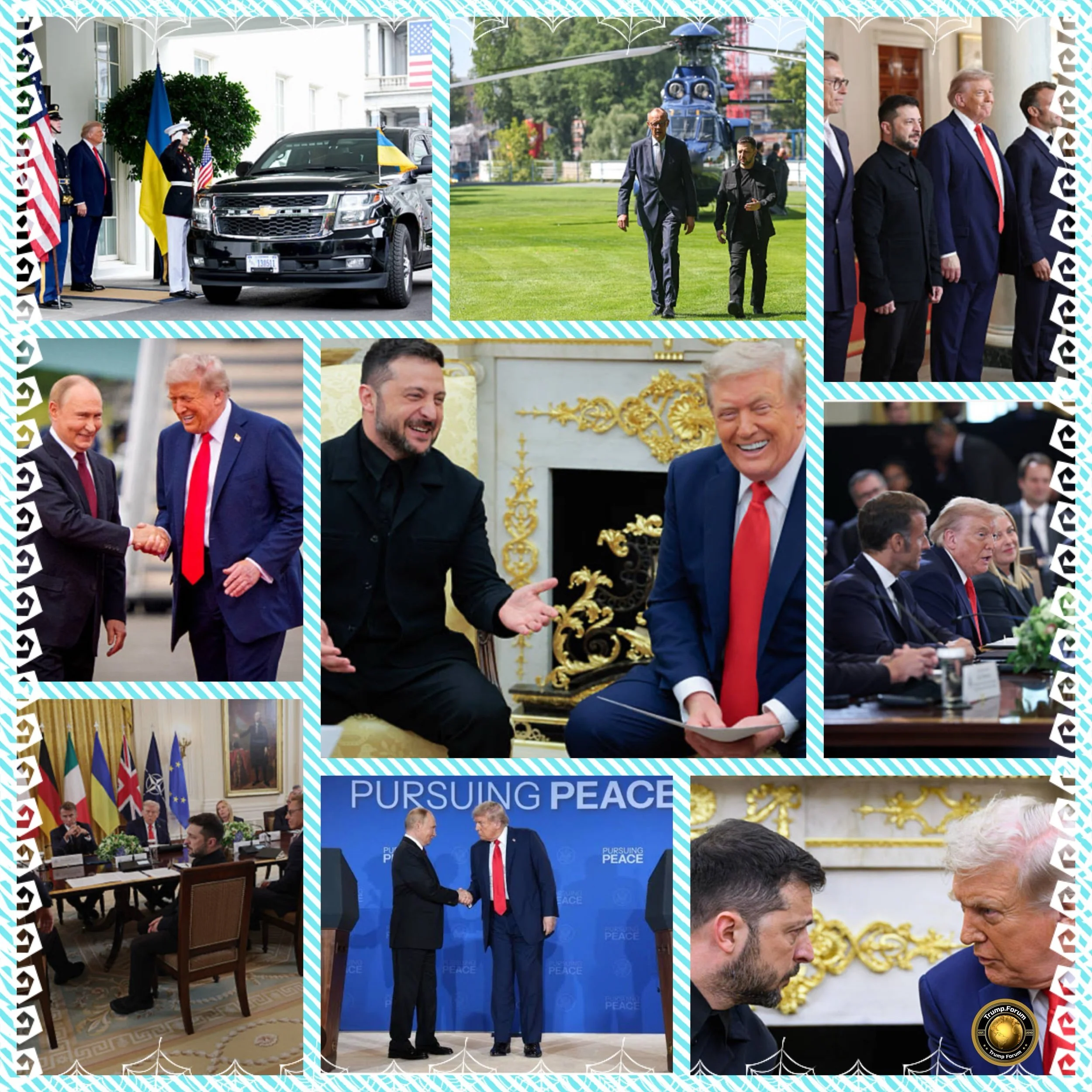
The Trump-Zelenskyy Summit in Washington, D.C. - a high-stakes meeting filled with intrigue and ambiguity.
Executive Summary
The recent meeting in Washington, D.C. between former President Donald Trump and Ukrainian President Volodymyr Zelenskyy emerged as a strategic maneuver, stirring extensive analysis regarding its geopolitical ramifications.
This summit positioned itself as a pivotal moment in U.S.-Ukraine relations, particularly in light of the evolving global landscape.
The discussions encompassed critical dimensions such as military assistance, economic backing, and regional stability, fostering an atmosphere charged with anticipation and speculation.
Analysts emphasize that this summit has the potential to redefine international alliances; however, the ambiguity surrounding Trump’s objectives and the expected outcomes has generated significant intrigue and uncertainty within policymaking circles and the broader public.
Introduction
Following a series of high-stakes diplomatic engagements in August 2025—including discussions with Russian President Vladimir Putin in Alaska, followed by meetings with Zelenskyy and European leaders in Washington—key uncertainties regarding the cessation of the Russo-Ukrainian War remain prominent.
The French-American Foundation (FAF) has delineated several fundamental questions arising from these unprecedented summits.
What security guarantees is Trump actually offering Ukraine?
The particulars of the security guarantees extended to Ukraine constitute the most contentious and unclear facet of the ongoing peace negotiations.
Trump has proposed that the U.S. would facilitate security guarantees as part of a potential settlement with Russia; however, specifics remain deliberately ambiguous.
Current U.S. commitments are as follows
European NATO allies are expected to contribute the “lion’s share” of any security force.
The U.S. is poised to provide command and coordination, alongside potential air support.
Notably excluded from consideration are American ground troops in Ukraine.
The possible roles for the U.S. in this dynamic include:
Command-and-control oversight
Airpower deployment
Supplementary air defense systems
Trump has likened these guarantees to “Article 5-like” protections, referencing NATO’s collective defense principle, albeit without Ukraine’s inclusion in NATO.
A key paradox persists: If these guarantees are robust enough to deter Russian aggression, why would Moscow consent to them?
Conversely, if they are diluted to secure Russian acquiescence, can they effectively safeguard Ukraine?
European leaders are actively pursuing military options, with defense ministers from the U.S., Finland, France, Germany, Italy, the UK, and Ukraine convening in Washington to strategize.
Approximately ten countries, including France, the UK, Belgium, Lithuania, and Estonia, have signaled their readiness to contribute troops as part of a “reassurance nations” initiative.
Will Putin and Zelenskyy actually meet?
Despite Trump’s assertions regarding the facilitation of a bilateral meeting between Putin and Zelenskyy, noteworthy obstacles remain.
The projected timeline suggests such a meeting could occur within two weeks; however, Russia has displayed reluctance to affirm participation.
Potential venues for this meeting include
Budapest, Hungary
While a preference of the White House, Zelenskyy finds it challenging due to Viktor Orbán’s ties with Putin.
Geneva, Switzerland
Supported by French President Macron, it offers a neutral ground for discussions.
Istanbul, Turkey
Previously served as a negotiation site for Ukraine-Russia talks.
Vienna, Austria
Also deemed acceptable by Zelenskyy.
Russian Foreign Minister Sergey Lavrov has insisted that any meeting must progress gradually, starting at the expert level, while Ukraine contends that substantive security assurances must precede such discussions.
What territorial concessions are on the table?
The Alaska summit between Trump and Putin did not yield a concrete ceasefire agreement, yet territorial disputes loom prominently.
Trump has notably stated that territorial issues “fall under Ukraine’s authority” and should be negotiated solely by the Ukrainian president. In reality, the situation is considerably more intricate.
Key territorial considerations include
Russia currently occupies approximately 18% of Ukrainian territory.
Putin demands recognition of all occupied territories as Russian, seeking control over entire regions that are claimed but not fully governed.
Ukraine asserts that any territorial concessions would necessitate a constitutional referendum.
Behind-the-scenes discussions indicate that territorial compromises may be unavoidable, with strategic maps displaying Russian advancements featured prominently in White House consultations.
Nevertheless, significant public resistance in Ukraine against territorial concessions persists, with citizens vocally expressing a preference for resistance over yielding to Russian control.
How committed is Russia to genuine peace negotiations?
Despite Trump’s optimistic stance regarding Putin’s readiness to negotiate, Russian conduct and rhetoric reflect an underlying skepticism toward peace talks. Following the summits, Russia has:
Continued extensive assaults against Ukraine, targeting both military and civilian infrastructure, including U.S. entities.
Insisted on Ukraine's demilitarization and a commitment to neutrality.
The trajectory of future negotiations remains under scrutiny as the international community closely monitors these developments.
The Role of European Allies in Ukraine's Security Landscape
European involvement has emerged as a crucial element in shaping a potential resolution to the Ukraine conflict, particularly with Trump explicitly shifting the security responsibility onto European nations.
The formation of a “Coalition of the Willing,” encompassing roughly 30 countries, indicates an organized approach toward peacekeeping operations.
Commitments from European Nations
United Kingdom
Prepared to deploy troops for training initiatives, air defense integration, and maritime security operations.
France
Proactive in advocating for direct troop deployments and spearheading discussions regarding security guarantees.
Germany
Exhibits cautious support, emphasizing that any substantial commitment would likely require tens of thousands of troops.
Baltic States
Both Lithuania and Estonia have signaled readiness to contribute forces to collective defense efforts.
However, pressing challenges related to European military capacity, coordination mechanisms, and the willingness to uphold long-term commitments amid potential Russian provocations persist.
Evaluating Trump’s Timeline for Peace Negotiations
Trump has articulated an ambitious timeline, asserting that he will ascertain the feasibility of a peace agreement “within two weeks.”
This urgency is underscored by the ongoing humanitarian crisis, as Trump highlighted that “another 40,000 people” could perish in the next few months, compounding his dissatisfaction with protracted negotiations.
Current Timeline Considerations
Establishment of a security guarantees framework within 7-10 days.
A potential meeting between Putin and Zelenskyy occurring within a fortnight.
A trilateral summit anticipated to follow subsequent bilateral dialogues.
Military contingency planning by European allies is currently in progress.
Nevertheless, this accelerated timeline is in stark contrast to the intricate nature of the involved issues and Russia's preference for a more measured, incremental negotiation approach.
Conclusion
Consequences of Stalled Negotiations
Trump has suggested alternative strategies should peace discussions falter, hinting that a “different tack” could be necessary.
The ramifications of a negotiation collapse could be significant.
Escalation of the conflict, leading to increased casualties.
A potential decrease in U.S. support for Ukraine.
Heightened pressure on European nations to manage the crisis independently.
Risk of a broader conflict if effective security arrangements are not established.
Opportunities for Putin to solidify territorial gains while negotiations remain stagnant.
At the core of this dilemma lies the fundamental tension between Ukraine’s pursuit of authentic security assurances and territorial sovereignty against Russia’s ambition for territorial expansion and constraints on Ukrainian autonomy.
Trump's mediating role is challenged by the necessity to reconcile these divergent positions while navigating the competing pressures from both domestic and international fronts.
The scenario encompasses a complex web of diplomatic maneuvering and optimistic rhetoric; however, the path toward resolving Europe’s most significant conflict since World War II remains marred by uncertainty and conflicting interests, making reconciliation particularly elusive.