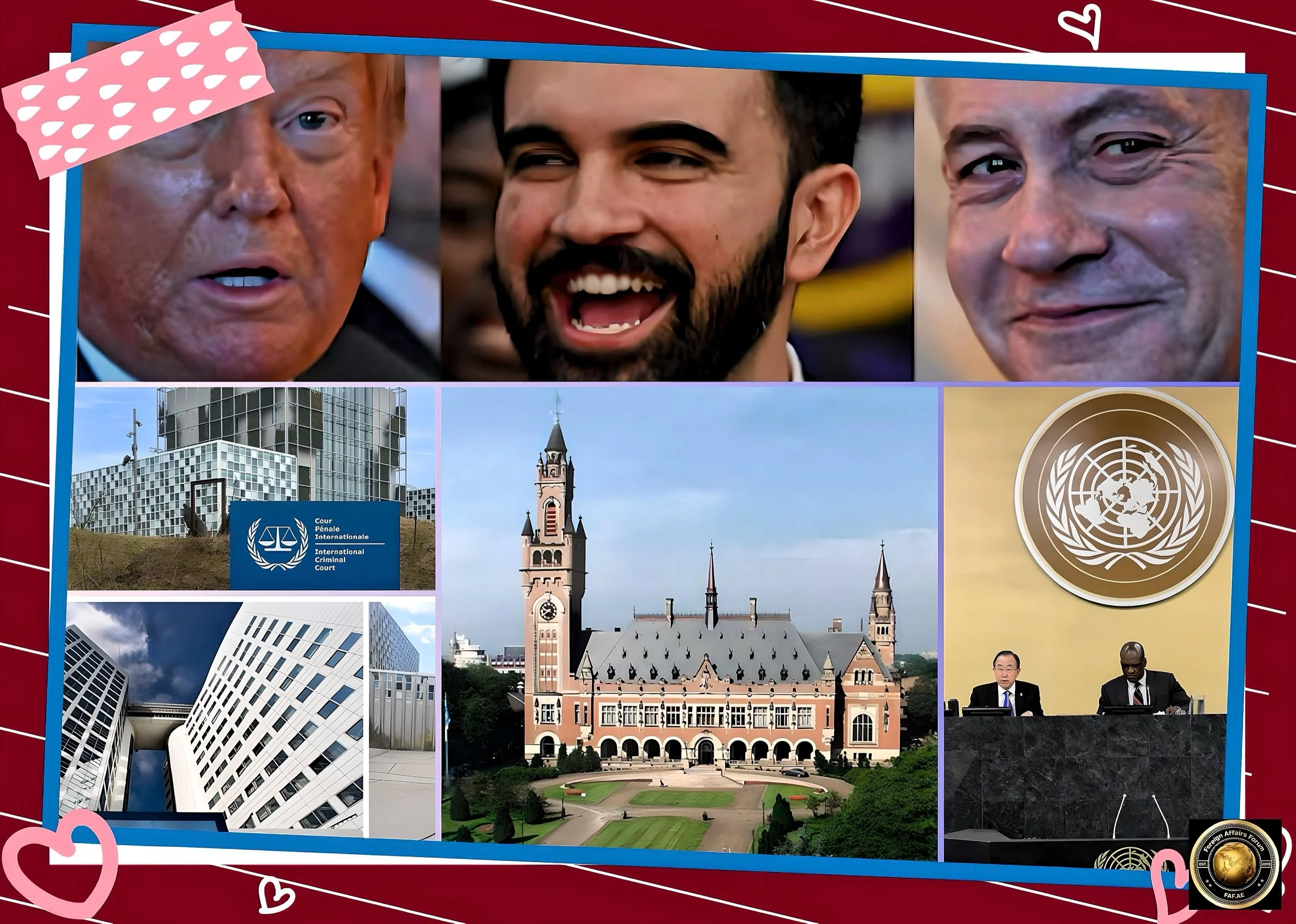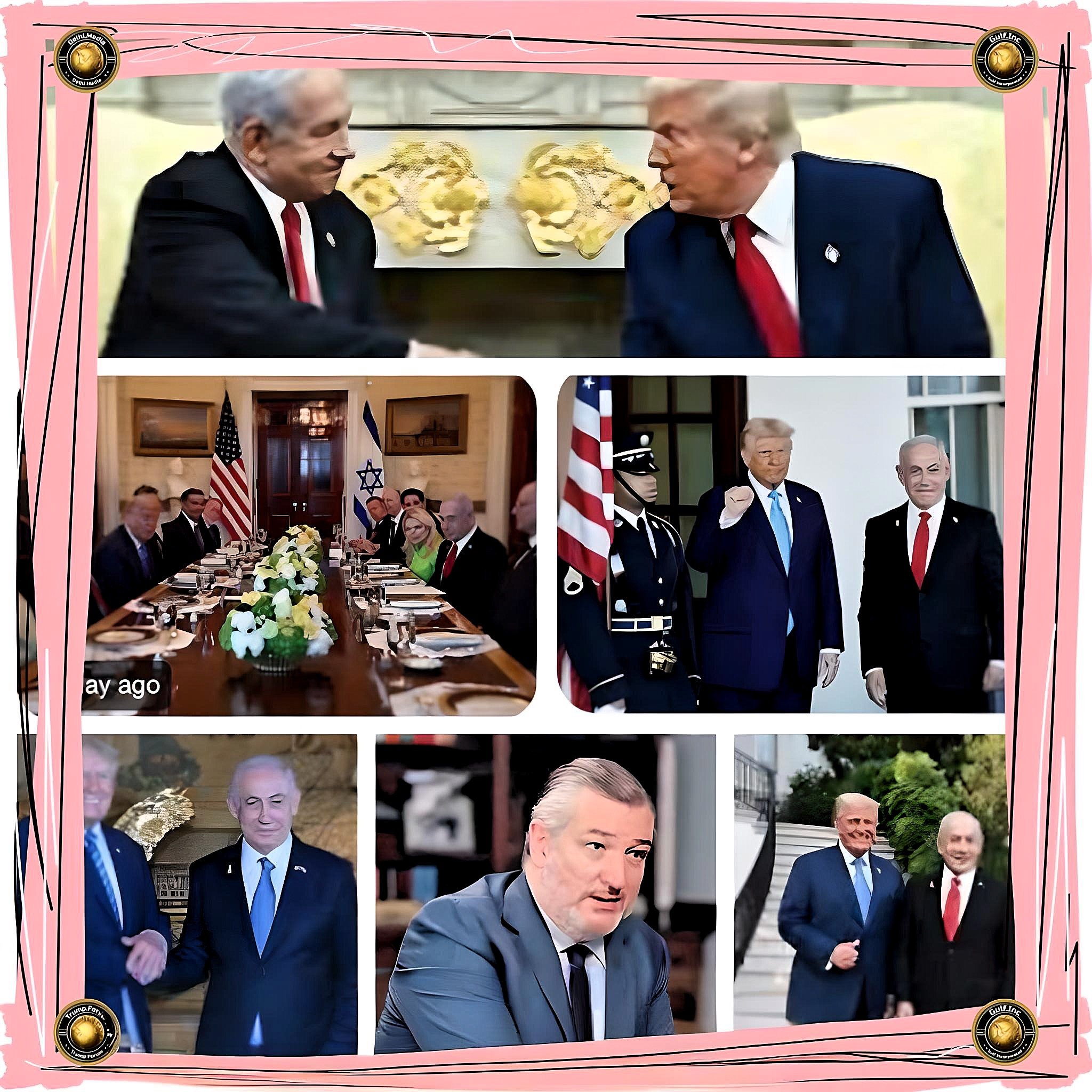
Trump's Discourse on Gaza Ceasefire and Netanyahu's Nomination for the Nobel Prize: An Analysis within the Context of Nuanced Geopolitical Dynamics.
Introduction
The current diplomatic landscape surrounding the Gaza conflict is a tangled web of rhetoric, power plays, and stark realities. President Trump, with his characteristic bravado, has periodically expressed an unyielding optimism about brokering a ceasefire in Gaza.
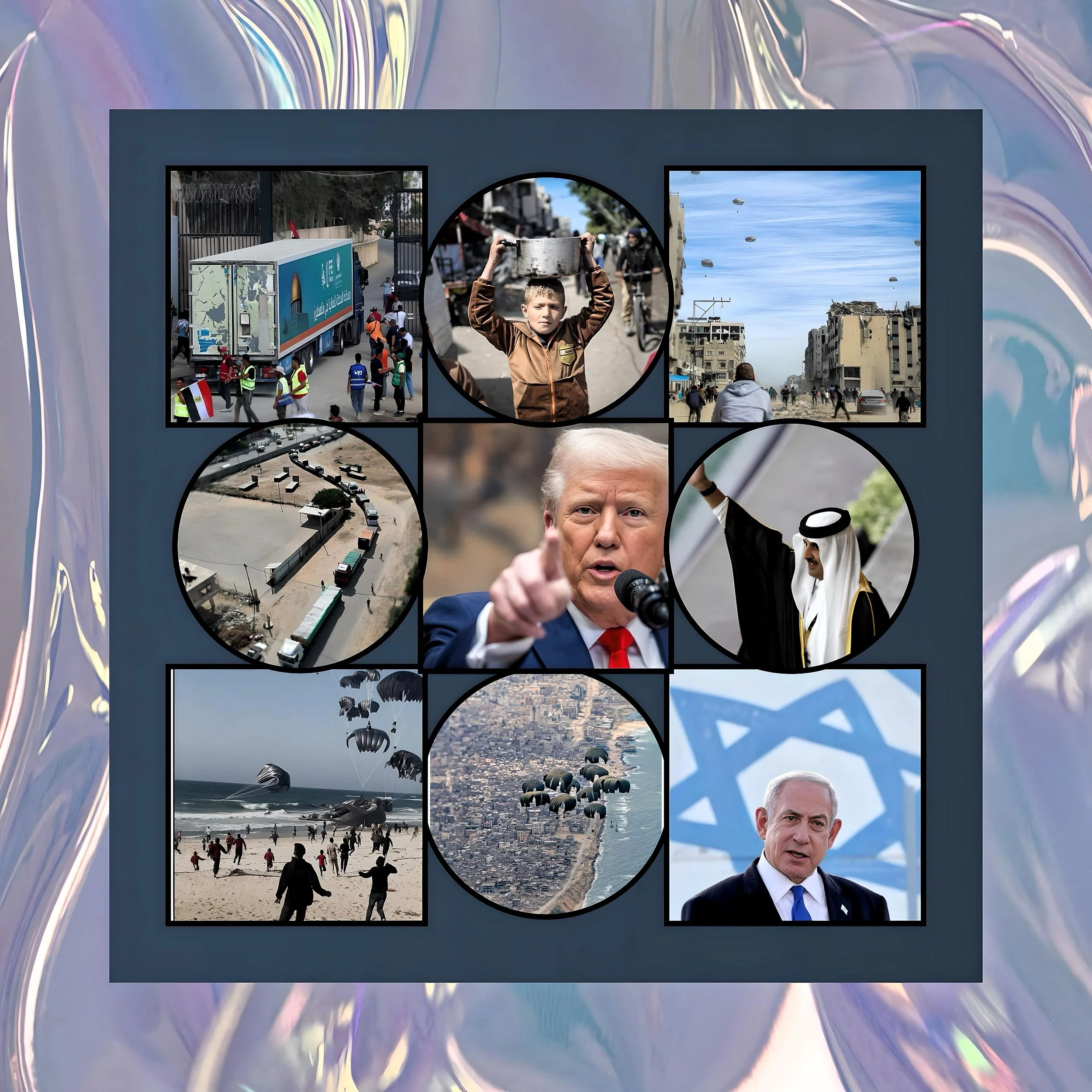
He boldly claims that Israel has acquiesced to a 60-day ceasefire proposal, urging Hamas to accept this olive branch.
Yet, beneath this public bravado lies a contrasting truth: the latest round of proximity talks in Qatar has ended without meaningful advancements, leaving Palestinian officials lamenting a state of stagnation.
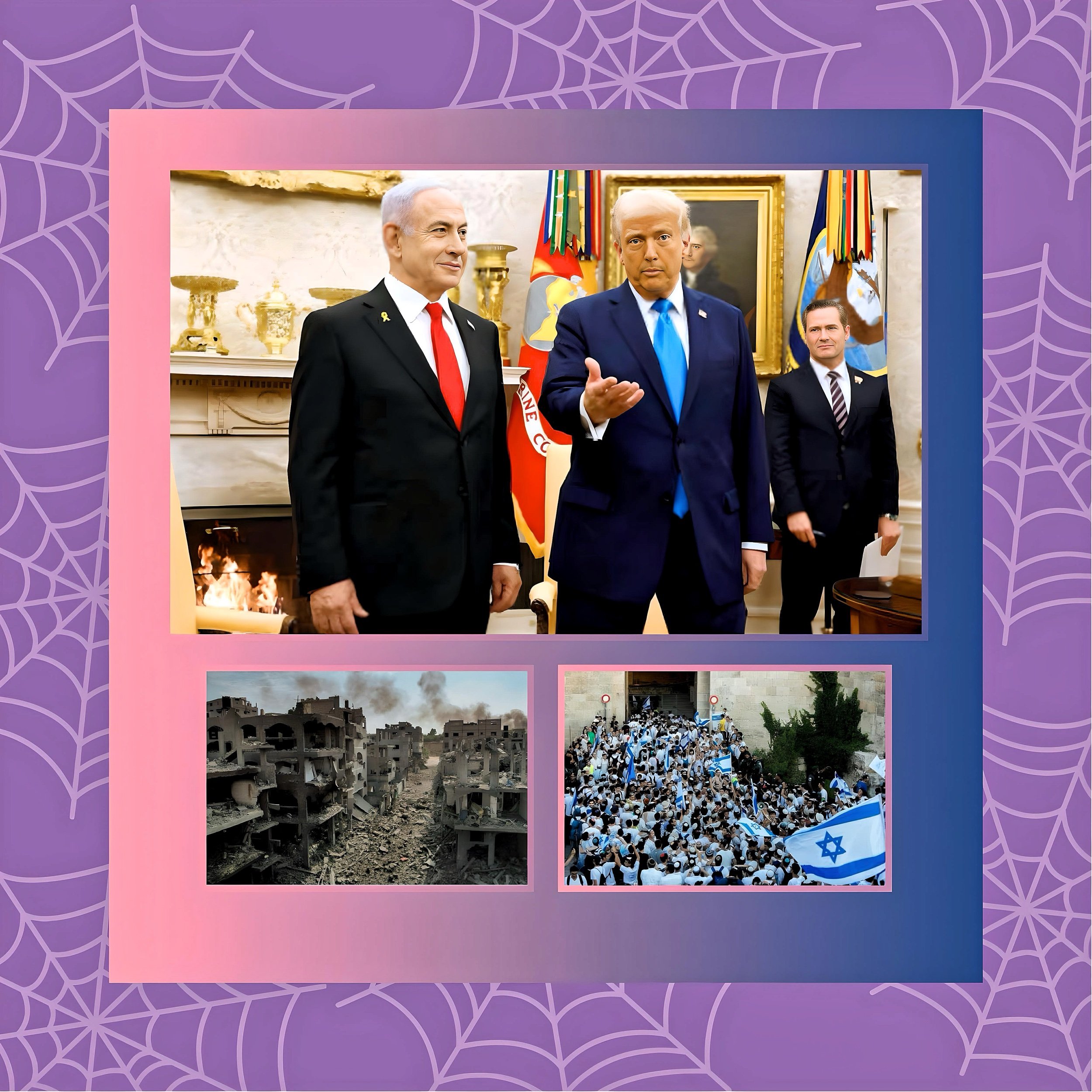
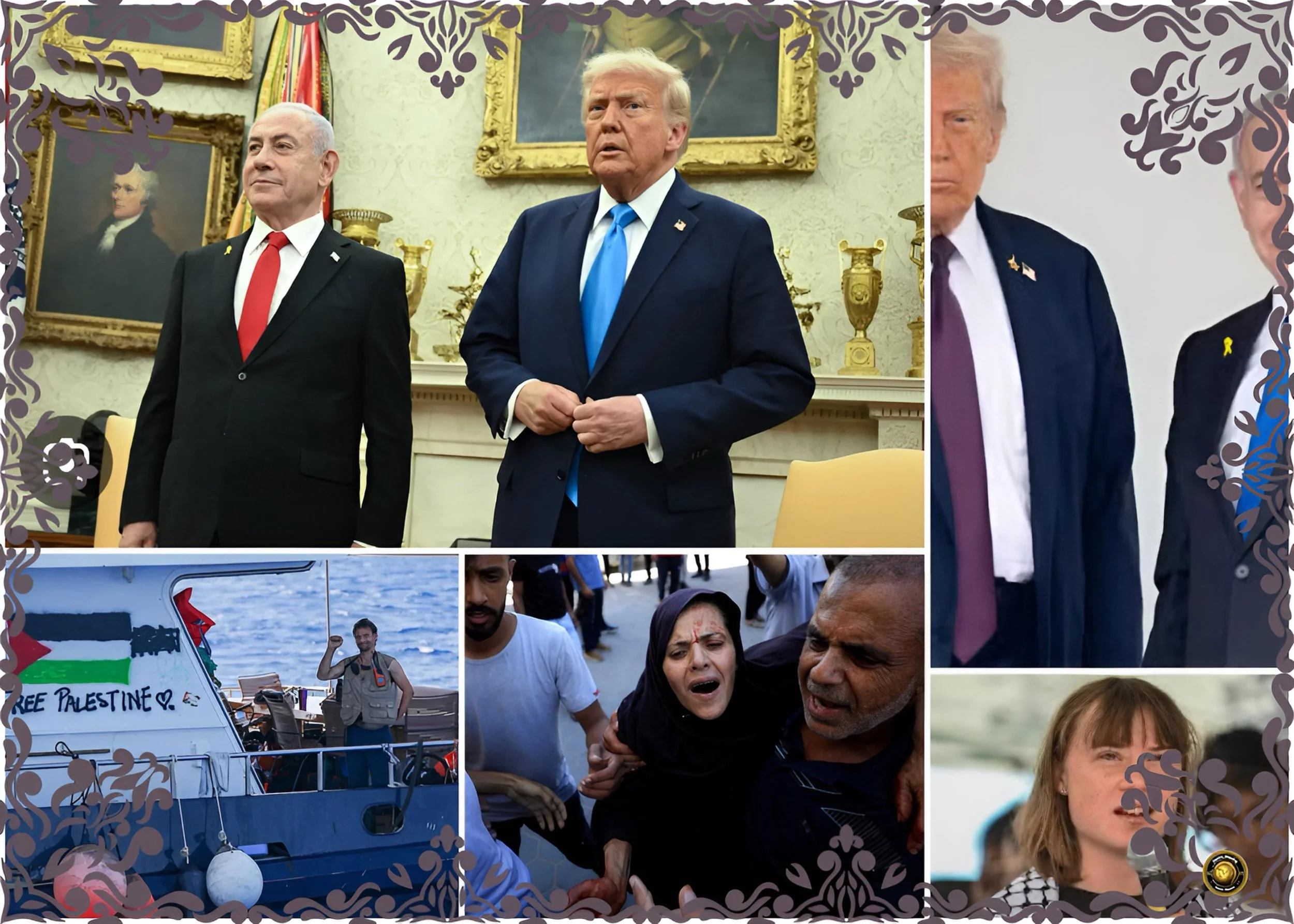
During Netanyahu’s recent visit to the White House, the Israeli Prime Minister presented Trump with a nomination letter for a Nobel Peace Prize, proclaiming that Trump is “forging peace as we speak, one country and one region after the other.”
This gesture, laden with irony, unfolded amidst fervent discussions about the Gaza conflict, where Netanyahu underscored Israel’s unwavering commitment to “achieve all of our goals,” notably the “elimination of Hamas's military and governing capabilities,” a chilling reminder of the persistent tension.
Intensified Israeli Operations and Allegations of Ethnic Cleansing
As the situation unfolds, an ominous portrayal of “dark clouds looming over Gaza” starkly reflects the brutal reality of intensified military operations.
In a harrowing turn of events, recent reports indicate that at least 105 Palestinians, including innocent aid seekers, were tragically killed within a mere 24-hour span.
The Israeli military’s relentless bombardment across Gaza has claimed the lives of at least 26 Palestinians, including children, in strikes that have ruthlessly targeted residential homes and displacement camps.
International organizations have raised alarm bells about Israel’s conduct.
Former Israeli Defense Minister Moshe Yaalon has made grave accusations, labeling Israel's actions as war crimes and ethnic cleansing, particularly in the northern regions, where he claimed “the land is being cleared of Arabs.”
Amnesty International takes this further, asserting that Israel is perpetrating genocide against Palestinians in Gaza, meticulously documenting “acts prohibited under the Genocide Convention, with the chilling intent to destroy Palestinians in Gaza.”
The UN Human Rights Office has issued stark warnings that Israel’s actions could lead to the “destruction of the Palestinian population in Gaza’s northernmost governorate through death and displacement.”
Supporting these harrowing allegations are accounts revealing that Israel has systematically obstructed essential supplies from entering Gaza for countless months, fostering conditions that Human Rights Watch describes as “inches closer to extermination.”
Netanyahu’s Commitment to “Eradicate Hamas”
Netanyahu remains defiantly resolute, consistently vowing to “destroy Hamas down to their very foundation.” His declarations echo with finality as he asserts, “We will free all our hostages, and we will eliminate Hamas. It will be no more.”
Such commitments are reiterated against the backdrop of ongoing ceasefire talks, where Netanyahu emphasizes that fulfilling this mission means “defeating Hamas” and “destroying Hamas.”
The Israeli leadership’s steadfast resolve suggests that these objectives are integral to any proposed ceasefire agreement, framing any temporary cessation of hostilities as a mere stepping stone towards their broader strategic ambitions, rather than a genuine peace initiative.
The Question of Conspiracy and American Diplomacy
The idea of a “deep conspiracy” between Trump and Netanyahu demands scrutiny, particularly within their established rapport and shared strategic interests.
The evidence aligns more with a convergence of political agendas than a conspiratorial agreement, revealing a partnership from which both leaders derive mutual benefits.
Trump’s unprecedented interventions into Israeli domestic affairs, including calls for the immediate cancellation of Netanyahu’s corruption trial and linking U.S. aid to Israel’s handling of its prime minister, raise profound questions about the limits of diplomatic norms.
This level of interference in a sovereign nation’s judicial processes challenges the essence of traditional diplomatic boundaries.
American Diplomatic Priorities
Scholarly analysis exposes what experts characterize as the “insecurity of a declining superpower,” an ethos that has shaped American diplomacy throughout the Middle East.
The unwavering support the U.S. has provided to Israel—amounting to an astonishing $18 billion in arms during the ongoing Gaza conflict—persists despite mounting international condemnation.
Additionally, Ted Cruz, a prominent U.S. senator from Texas, is pledging a staggering monetary support in additional aid to Israel, a gesture that some speculate is intended to placate Trump.
Cruz’s claims of biblical motivation, citing Genesis 12:3 in impassioned interviews, further complicate the rationale behind American support.
Critics contend that this unwavering policy is more swayed by domestic political considerations than by genuine strategic interests, with the relationship depicted as one where “American ‘ironclad’ support for Israel has much to do with the insecurity of a declining superpower.”
Some analysts posit that the U.S. has effectively relinquished its role as a neutral mediator, embracing an unqualified endorsement of Israeli military actions.
Historical Context and Future Implications
The current turmoil is not a departure from history but a continuation of entrenched patterns in U.S.-Middle East policy.
Academic assessments reveal that American endeavors to democratize the region have faltered mainly because policies often resulted in destabilization rather than the desired stability.
The Trump administration's approach undoubtedly represents a pivotal moment in the ongoing saga, illuminating the complexities and intricacies that continue to define the relationship between the U.S., Israel, and the broader Middle East.
Conclusion
The current diplomatic landscape is far from a straightforward conspiracy; instead, it resembles an intricate tapestry woven from the complex interests of two leaders grappling with mounting domestic and international pressures.
Trump's rhetoric surrounding a ceasefire reflects his urgent longing for diplomatic victories. At the same time, Netanyahu’s nomination for a Nobel Prize bolsters the legitimacy of Trump’s regional policies, intertwining their fates in unexpected ways.
In stark contrast to these political maneuvers, the intensifying Israeli operations in Gaza unfold against a harrowing backdrop of international accusations of ethnic cleansing. This volatile atmosphere casts a shadow over diplomatic overtures, underscoring the precarious nature of these efforts.
The evidence at hand suggests that any potential ceasefire agreement would likely act as a temporary bandage rather than a proper solution to the enduring conflict, especially in light of Netanyahu’s steadfast determination to eradicate Hamas
The Approach seems to elevate Israeli strategic objectives above all else. It raises significant concerns about the long-term viability of this diplomatic strategy and its far-reaching implications for American credibility in the region.
Scholarly consensus warns that such a trajectory may, in the end, jeopardize American interests and diminish the prospects for enduring peace in the tumultuous landscape of the Middle East.