The Nvidia Chip Deal: Trading Away America’s AI Advantage
Executive Summary
The Trump administration’s decision to allow Nvidia to resume H20 chip sales to China represents a fundamental shift in US technology strategy, transforming export controls from absolute barriers into negotiating tools.
This move, part of a broader trade deal involving Chinese rare earth minerals, reveals how both superpowers have weaponized their technological advantages while exposing critical vulnerabilities in America’s approach to maintaining AI dominance.
The Strategic Reversal
From Export Controls to Trade Leverage
The lifting of the H20 chip ban in July 2025 marks a dramatic reversal from the Trump administration’s April policy, which prohibited these sales over national security concerns.
Commerce Secretary Howard Lutnick explicitly linked this decision to trade negotiations, stating “We put that in the trade deal with the magnets”, referring to China’s rare earth exports that are essential for everything from fighter jets to smartphones.
This quid pro quo arrangement emerged after China retaliated against Trump’s tariffs by restricting exports of rare earth materials, which China controls over 80% globally.
The restriction severely disrupted US manufacturers, particularly in the automotive, robotics, and defense sectors. Only an estimated 25% of export license applications were approved.
The H20 Chip: A Calculated Compromise
The H20 chip is central to this controversy because it represents technological constraints and strategic enablement.
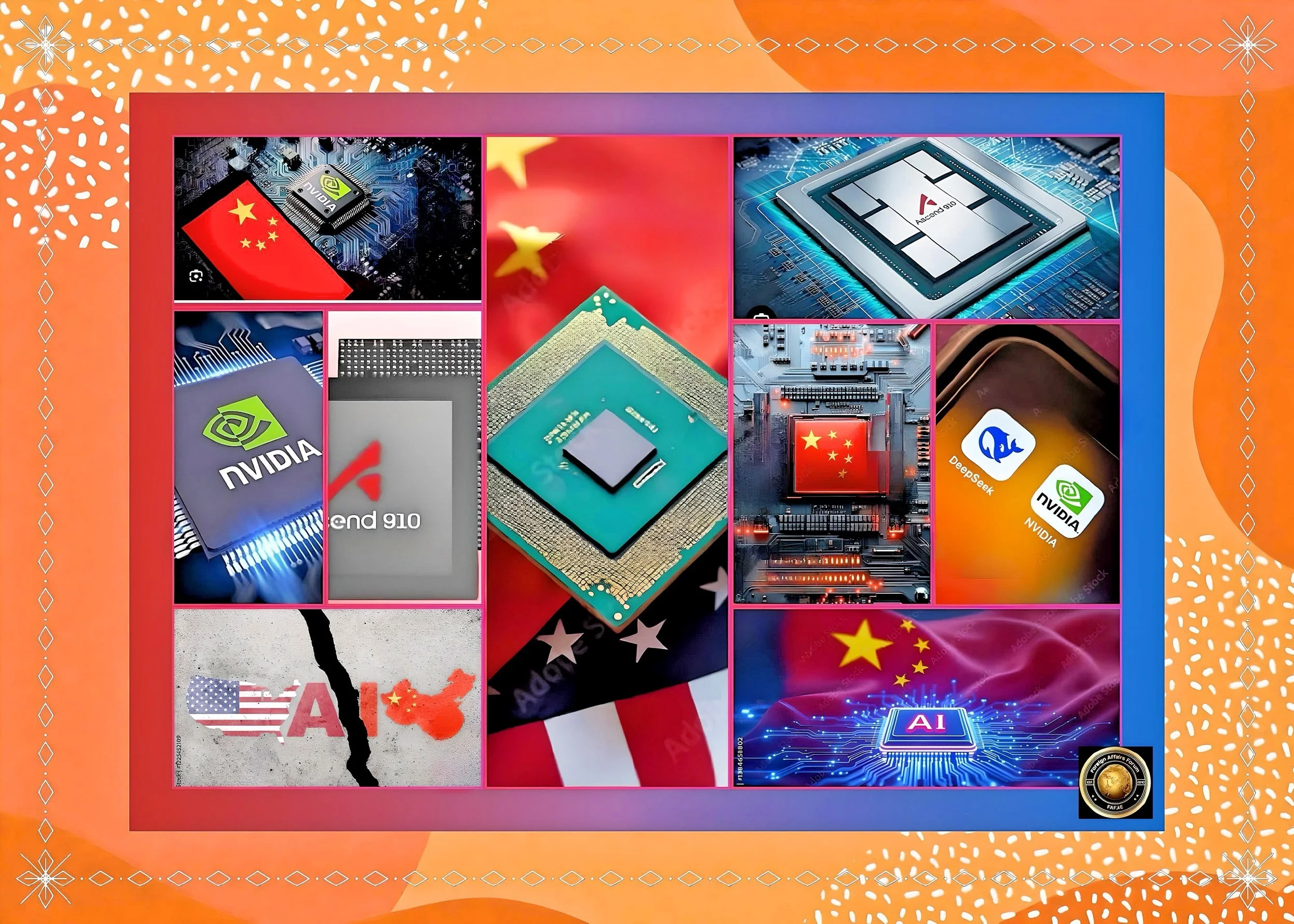
Designed explicitly for AI inference rather than training, the H20 possesses only 15% of the H100’s FP16 computing power but is 20% faster at inference tasks.
This design distinction is crucial: while the chip cannot effectively train large AI models, it excels at running pre-trained models—precisely what’s needed for deploying AI systems at scale.
Some Chinese commentators have described the H20 as “poisoned wine,” arguing that accepting these downgraded chips creates dependency while limiting China’s ability to develop cutting-edge AI capabilities.
However, the chip’s inference optimization aligns with the current shift in AI development, where inference workloads will require nearly five times more computing power than training by 2026.
China’s Technological Resilience
The DeepSeek Breakthrough
DeepSeek’s breakthrough models exemplify China’s AI advancement despite chip restrictions.
The company’s R1 model, released in January 2025, reportedly cost only $6 million compared to OpenAI’s estimated $80-100 million for GPT-4.
This achievement demonstrates that algorithmic innovation can partially offset hardware constraints.
DeepSeek uses older H800 chips (not even the more advanced H20) to create competitive AI systems.
The success of DeepSeek and similar Chinese AI companies has prompted what some observers call an “AI Sputnik moment,” raising fundamental questions about the effectiveness of US export controls.
Microsoft CEO Satya Nadella acknowledged the significance, stating, “We should take the developments out of China very seriously”.
Circumventing Export Controls
Despite official restrictions, evidence suggests widespread circumvention of US export controls. Reports indicate that over 100,000 Nvidia H100 chips have been smuggled into China, with some estimates suggesting Chinese companies have found the process “straightforward”.
These smuggling operations use tactics ranging from shell companies to relabeling shipments as consumer goods, undermining the intended impact of export restrictions.
Socio-Economic Implications
For the United States
The chip deal reveals several concerning trends for American technological leadership:
Economic Vulnerabilities
The decision to trade AI chips for rare earth access exposes America’s dependence on Chinese-controlled supply chains for critical materials. This dependency forced the US to compromise on technology restrictions that were previously considered to be national security matters.
Corporate Pressure
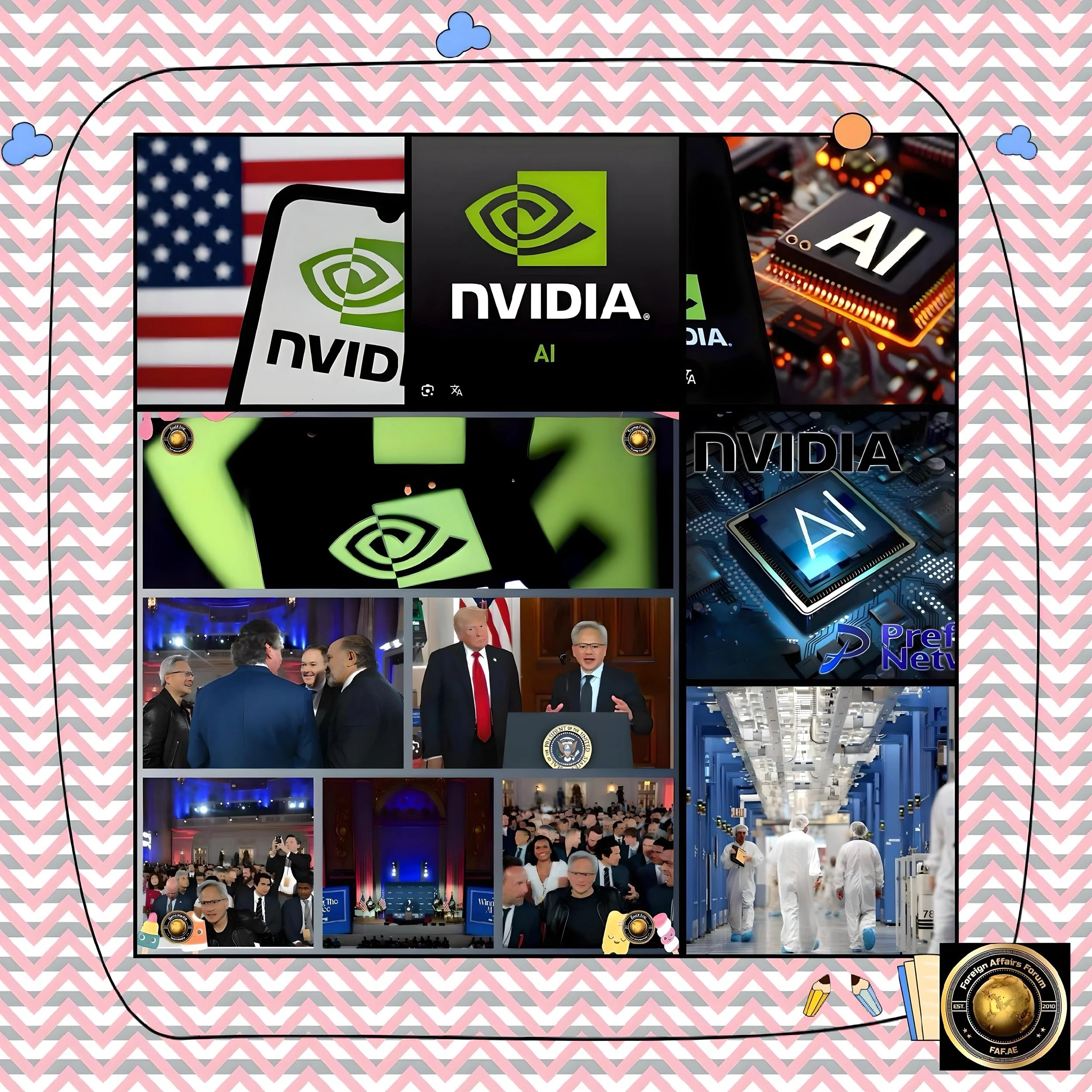
Nvidia CEO Jensen Huang’s successful lobbying effort, including personal meetings with Trump and Chinese officials, demonstrates how corporate interests can influence national security policy.
Huang’s argument that restricting chip sales would accelerate China’s domestic chip development ultimately prevailed over security hawks’ concerns.
Innovation Ecosystem Impact: US companies in China report record-low investment plans and declining confidence, with 40% experiencing adverse effects from export control measures.
This suggests that technology restrictions may harm American businesses more than expected while accelerating China’s push for technological independence.
For China
The arrangement provides both immediate benefits and long-term strategic implications:
Short-term AI Capabilities: Access to H20 chips could boost Chinese AI deployment significantly, particularly for inference-heavy applications like reasoning models and automated AI research.
This aligns with China’s focus on practical AI applications rather than frontier model development.
Technological Independence Drive
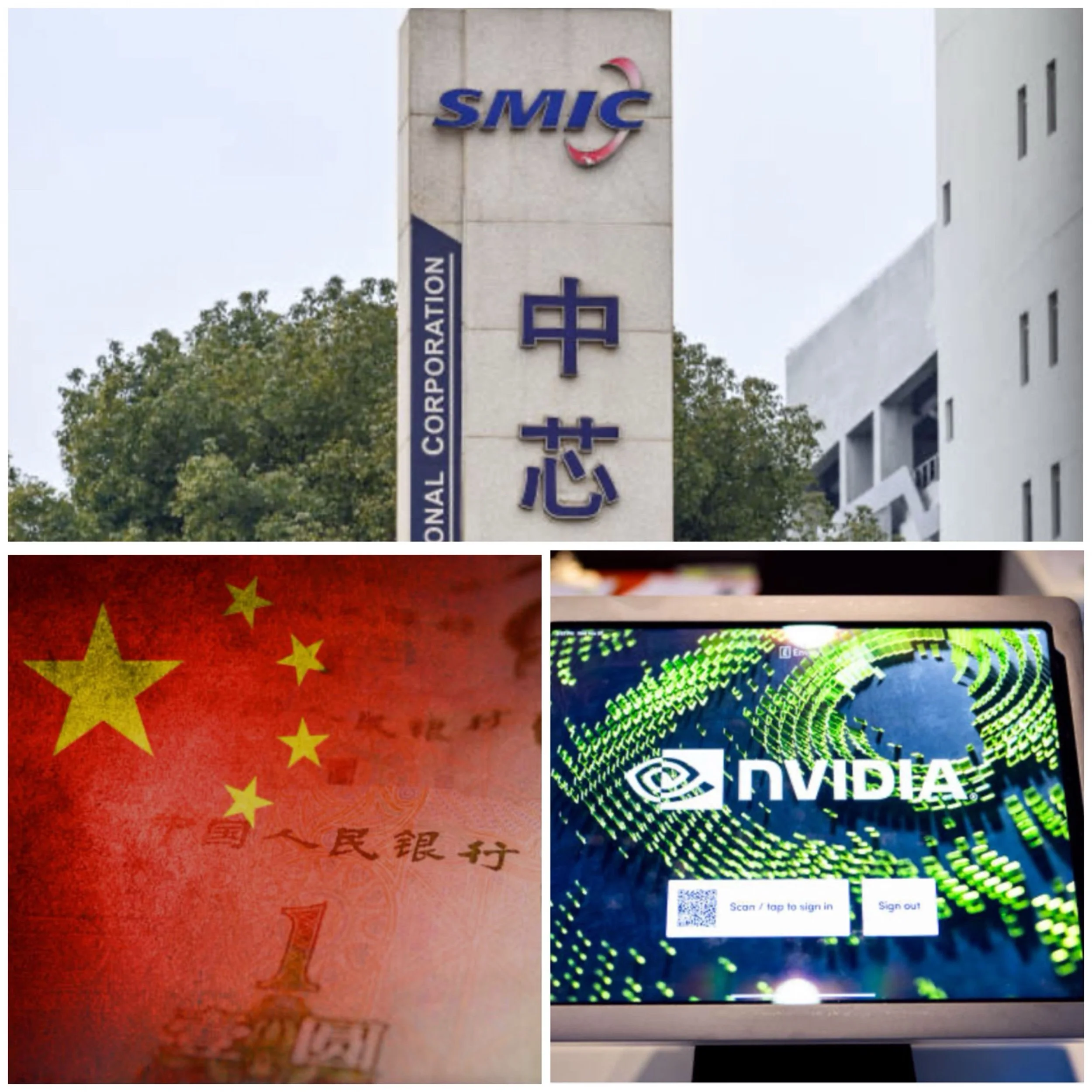
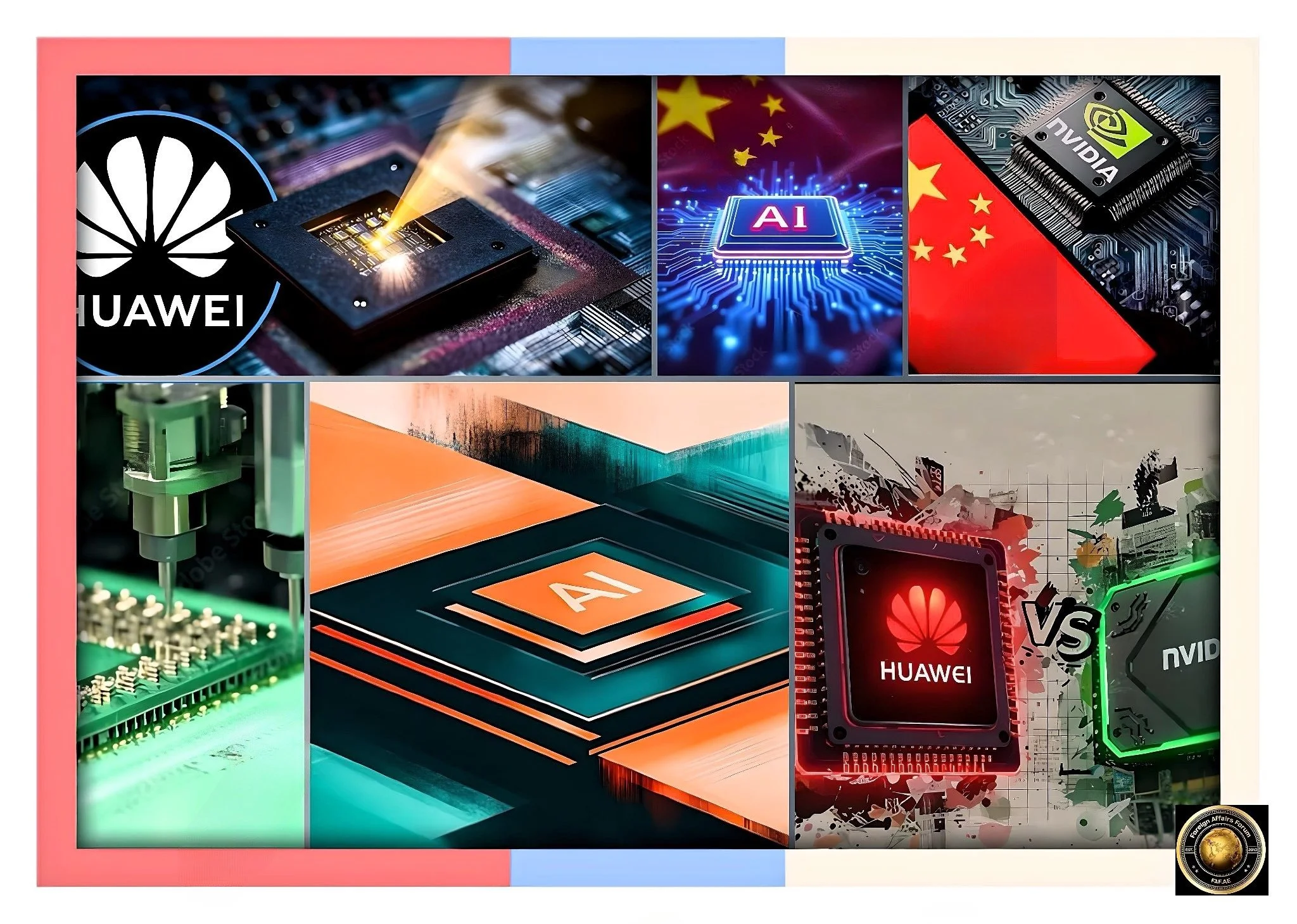
The experience of export restrictions has accelerated China’s domestic semiconductor innovation. Companies like Huawei, SMIC, and Cambricon have intensified efforts to develop indigenous alternatives, supported by an estimated $48 billion in government subsidies in 2024 alone.
Geopolitical Leverage
China’s control over rare earth materials has effectively countered US technology restrictions, demonstrating how resource control can offset technological disadvantages in great power competition.
Political Ramifications
Domestic US Politics
The chip deal has drawn bipartisan criticism from Congress, with Republican and Democratic lawmakers expressing concern about national security implications.
Representative John Moolenaar warned that even the downgraded H20 chips could help China advance in military systems and surveillance technologies, calling for updated performance-based export controls.
This criticism reflects a broader tension in US policy between economic interests and security concerns.
The Trump administration’s approach of treating export controls as negotiating chips rather than absolute barriers represents a significant departure from the more restrictive stance of the Biden era.
U.S.-China Relations
The deal signals a potential shift from confrontation to managed competition in the technology sphere.
Rather than attempting to decouple from China completely, the arrangement suggests both sides recognize their mutual interdependence in critical supply chains.
However, this approach carries risks. The US may have weakened its credibility in future technology restrictions by demonstrating that national security policies are negotiable.
Chinese officials now understand that sustained economic pressure can force American policy reversals.
Global Technology Governance
The chip deal has broader implications for international technology governance:
Allied Relationships
The decision may complicate coordination with allies like Japan and the Netherlands, who have imposed their own semiconductor restrictions on China.
These countries may question US commitment to technology controls if they’re subject to trade negotiations.
Precedent Setting
Other countries may view this arrangement as validation for using their own resource advantages to circumvent US technology restrictions, potentially fragmenting global technology governance.
Strategic Assessment
The Effectiveness Question
The fundamental question raised by this arrangement is whether US export controls have achieved their strategic objectives. Evidence suggests mixed results:
Successes
Export controls have demonstrably slowed China’s advanced chip production, with Commerce Secretary Howard Lutnick noting that Huawei will produce only 200,000 AI chips in 2025 compared to China’s legal imports of around 1 million downgraded Nvidia chips in 2024.
Limitations
However, Chinese companies have proven remarkably adaptive, developing more efficient AI techniques that require fewer chips while maintaining competitive performance.
This suggests that technological innovation may ultimately matter more than hardware access.
Long-term Strategic Implications
The chip deal reflects deeper structural challenges in US-China competition:
Technology vs. Resources
The arrangement highlights how China’s control over physical resources can counter US technological advantages. This dynamic may encourage other countries to weaponize their own resource advantages in future conflicts.
Innovation Incentives
By providing China with limited but functional AI capabilities through H20 chips, the US may inadvertently be supporting Chinese AI development while constraining American companies from fully benefiting from the Chinese market.
Alliance Coordination
Future effectiveness of US technology policy will depend heavily on maintaining allied cooperation. If other countries perceive US restrictions as negotiable, multilateral coordination may weaken.
Conclusion
The Nvidia chip deal represents more than a simple trade arrangement—it signals a fundamental recalibration of US strategy in the face of China’s technological resilience and resource leverage.
While the immediate terms may appear favorable to both sides, the long-term implications raise serious questions about America’s ability to maintain technological superiority through export controls alone.
The deal exposes critical vulnerabilities in US supply chains while demonstrating China’s capacity to innovate around technological constraints.
Most concerningly, it establishes a precedent that national security policies are subject to economic negotiation, potentially undermining the credibility of future US technology restrictions.
For policymakers, this episode underscores the need for a more comprehensive strategy that addresses both technological competition and resource dependencies.
QThe era of using semiconductor exports as a singular tool of technological statecraft may be ending, replaced by more complex arrangements that reflect the interconnected nature of global technology and resource systems.
The ultimate test of this approach will be whether it successfully manages US-China competition while preserving American technological leadership, or whether it accelerates China’s march toward technological independence at America’s expense.