Analysis of “They Called Me a Lioness” and “Rethinking Islamist Politics” in Today’s Geopolitical Environment
Foreward
‘They Called me a lioness’ - The works references represent significant scholarly and autobiographical contributions to understanding contemporary Middle Eastern politics, resistance movements, and the intersection of personal narrative with broader geopolitical dynamics.
FAF analysis examines their historical significance, key arguments, and relevance to current global developments.
Core Works and Authors
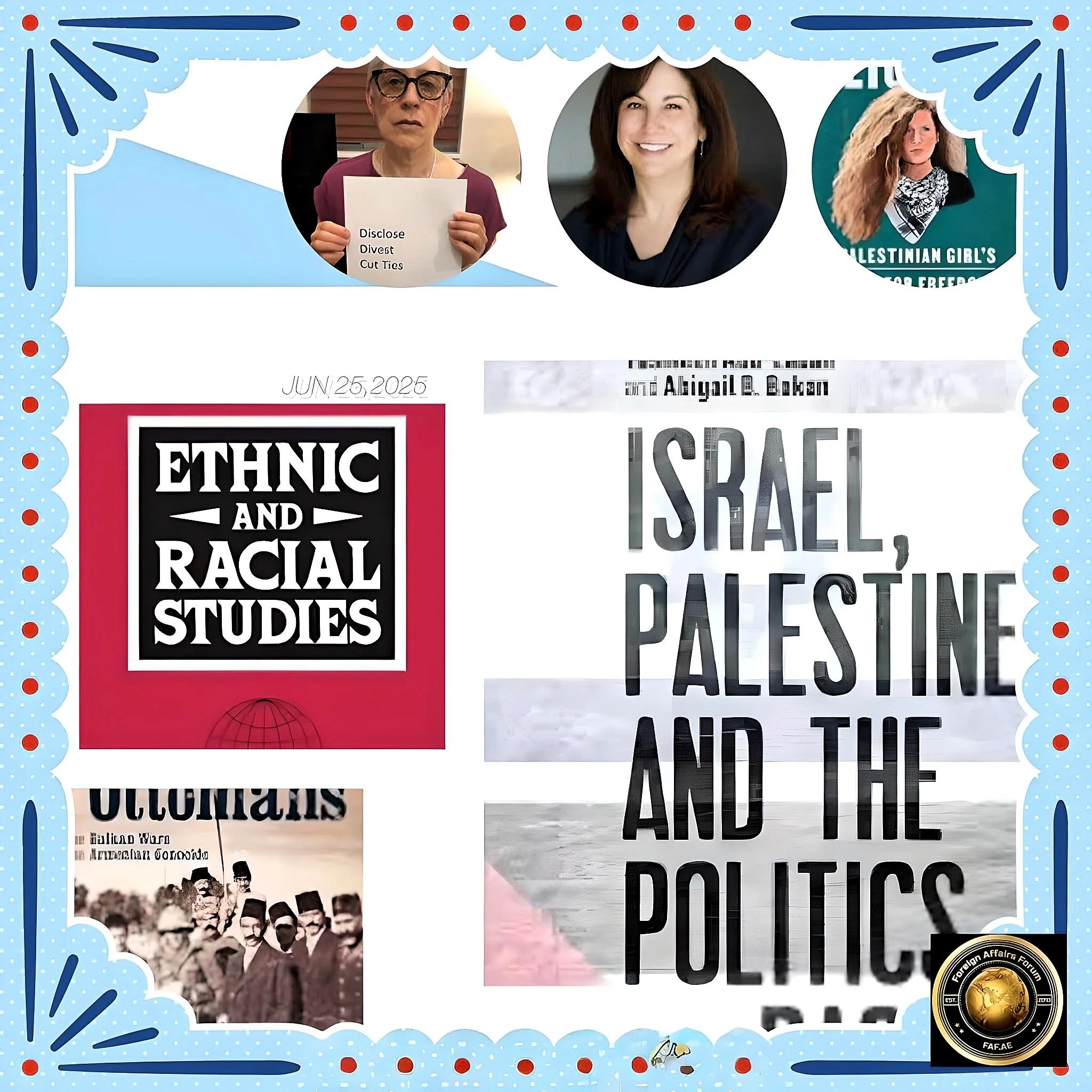
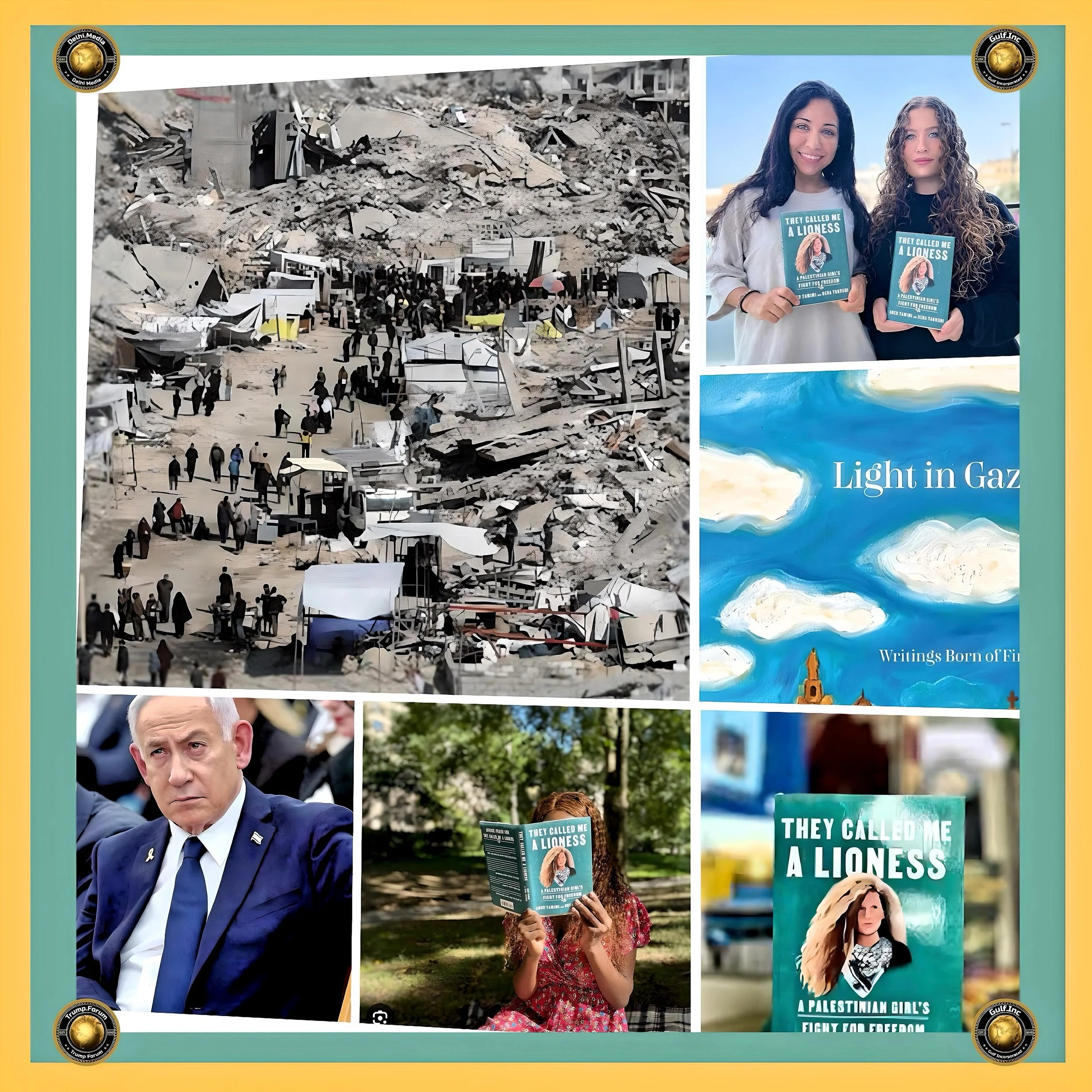
“They Called Me a Lioness: A Palestinian Girl’s Fight for Freedom” by Ahed Tamimi and Dena Takruri stands as a powerful memoir that transcends traditional activist narratives.
Published in 2022 by One World/Penguin Random House, this collaboration between Palestinian activist Ahed Tamimi and award-winning Al Jazeera journalist Dena Takruri offers an intimate portrayal of life under Israeli occupation.
The book emerged from Tamimi’s rise to international prominence in 2017 when, at age 16, she was filmed slapping an Israeli soldier in her village of Nabi Saleh, leading to her eight-month imprisonment.
“Rethinking Islamist Politics: Culture, the State and Islamism” by Salwa Ismail represents a foundational academic work in understanding political Islam.
Published in 2006 by I.B. Tauris, Ismail’s analysis challenges conventional Western interpretations of Islamist movements by examining both macro-level political structures and micro-level social dynamics.
As a Professor of Politics at SOAS University of London, Ismail brings extensive fieldwork experience from Egypt and Syria to her analysis of how Islamist movements operate as forms of contestation politics.
Scholarly Contributions and Key Arguments
Tamimi and Takruri’s memoir fundamentally challenges the “conflict” framing of the Israeli-Palestinian situation, instead presenting it as a systematic colonial occupation.
The narrative demonstrates how political subjectivity forms under oppressive conditions, showing how ordinary Palestinian children develop resistance consciousness through daily encounters with military violence.
The book’s power lies in its ability to humanize the Palestinian experience while maintaining analytical clarity about structural oppression.
Ismail’s academic work provides theoretical frameworks for understanding how Islamist movements function as political actors rather than merely religious phenomena.
Her analysis demonstrates that Islamist politics emerges from specific socio-economic conditions, particularly the retreat of welfare states across the Middle East and the expansion of informal political networks in urban areas.
Crucially, Ismail argues that Islamist movements are characterized by their diversity rather than monolithic ideology, capable of both mobilization and democratic participation.
Ahed Tamimi emphasis- nonviolent resistance despite her activism?
Ahed Tamimi emphasizes nonviolent resistance as a deliberate and strategic choice shaped by her family’s philosophy, the realities of occupation, and the pursuit of international solidarity.
Despite her confrontational activism, her approach is grounded in a nuanced understanding of what nonviolence means under military occupation.
Family Philosophy and Strategic Shift
Family Influence
Ahed’s commitment to nonviolent resistance is rooted in her family’s evolution away from armed struggle.
Her father, Bassem Tamimi, shifted strategies after the Second Intifada, concluding that nonviolent, popular resistance was more effective and morally defensible than armed conflict against a militarily superior opponent.
Learning from Others
The Tamimi family drew inspiration from neighboring villages like Budrus, where sustained peaceful demonstrations led to tangible changes, such as rerouting the Israeli separation barrier.
Redefining Nonviolence in Context
Symbolic Actions
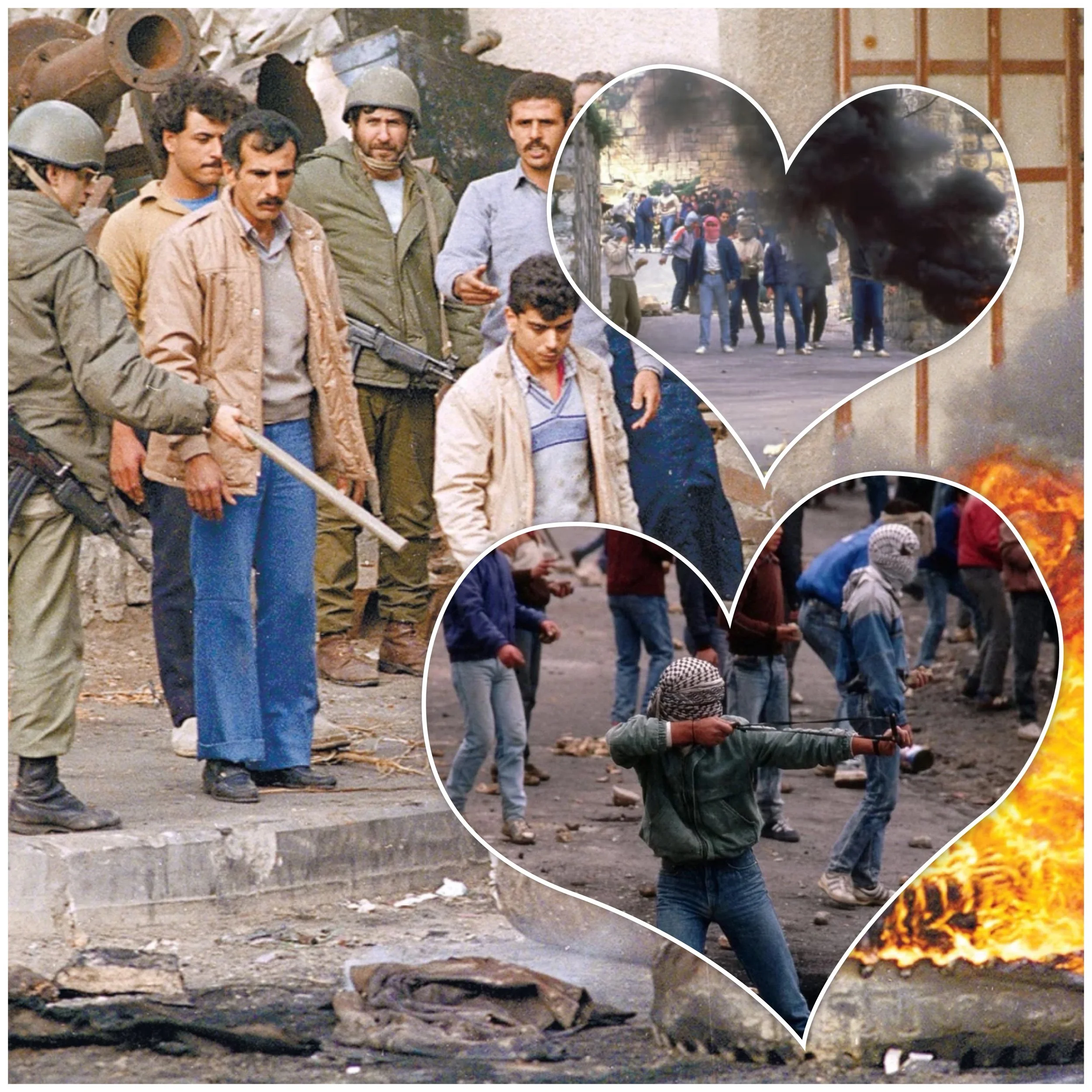
Ahed and her family define nonviolent resistance as unarmed struggle, even if it includes actions like stone-throwing.
For them, stones are symbolic acts of defiance against occupation, not intended to cause serious harm, especially when directed at heavily armored soldiers.
Challenging Western Binaries
She critiques simplistic Western distinctions between violence and nonviolence, arguing that under occupation, even nonviolent protest is often met with severe repression.
This highlights the double standard Palestinians face: punished for both violent and nonviolent resistance.
Collective Resistance Over Individual Heroism
Community Focus
Ahed’s activism emphasizes collective action rather than individual heroism.
Her memoir and public statements highlight the role of the entire community—families, women, children, and elders—in weekly peaceful demonstrations.
Sustained Commitment
The ongoing, community-based protests in Nabi Saleh demonstrate a long-term, collective commitment to nonviolent resistance, despite the risks of arrest, injury, or worse.
International Solidarity and Image
Strategic Internationalism
The Tamimi family’s nonviolent approach is partly designed to garner international support and solidarity.
By maintaining a commitment to unarmed protest, they seek to counter narratives that would label Palestinians as terrorists and instead present their struggle as one for justice and human rights.
Model for Others
Their activism aims to provide a model of resistance that can attract support from Palestinians, diaspora communities, and international allies, including sympathetic Israelis and global activists.
Personal Experience and Reinforcement
Prison as Education
Ahed’s imprisonment further reinforced her commitment to nonviolent resistance.
Witnessing the collective suffering of Palestinian women and children in Israeli prisons deepened her resolve to continue resisting occupation through nonlethal means.
Moral Legitimacy
She maintains that nonviolent resistance preserves the moral legitimacy of the Palestinian cause and prevents the struggle from being delegitimized by accusations of terrorism or indiscriminate violence.
Ahed Tamimi’s emphasis on nonviolent resistance is a strategic, philosophical, and moral stance.
It reflects her family’s evolution, the realities of life under occupation, and the necessity of maintaining both ethical standards and international support.
Her activism demonstrates that nonviolent resistance, even when confrontational, is a powerful tool for challenging oppression and inspiring global solidarity.
Contemporary Geopolitical Relevance
Palestinian Resistance and Global Solidarity
The October 7, 2023 Hamas attacks and subsequent Israeli military response in Gaza have brought renewed urgency to the themes explored in Tamimi’s memoir.
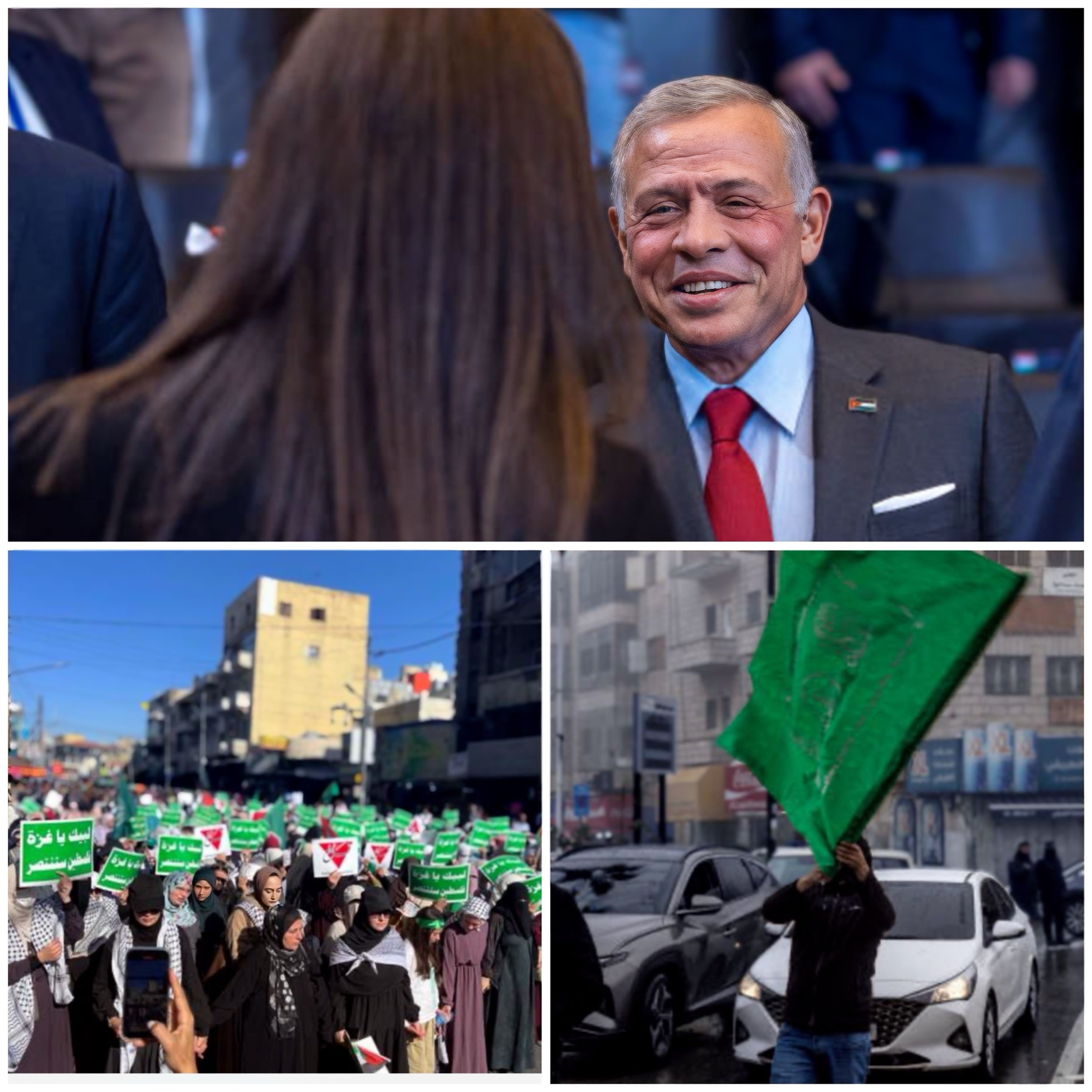
The current conflict has sparked unprecedented global solidarity movements, with university campus protests across the United States and Europe echoing the resistance narratives that Tamimi embodies.
Over 3,100 protesters were arrested on more than 60 U.S. campuses, demonstrating how Palestinian resistance has inspired international youth activism.
The Boycott, Divestment, and Sanctions (BDS) movement gained extraordinary momentum in 2024, with major corporations like Starbucks reporting significant revenue losses due to targeted boycott campaigns.
This represents the kind of sustained economic resistance that complements the physical resistance documented in Tamimi’s narrative.
Academic Freedom and Knowledge Production
Both works have become central to debates about academic freedom and the politics of knowledge production.
European Legal Support Centre documented 836 incidents of repression against Palestinian solidarity movements after October 2023, including restrictions on academic discussions of Palestinian rights.
This repression validates concerns raised in both Tamimi’s memoir and Ismail’s scholarly work about how power structures attempt to silence alternative narratives.
Evolving Islamist Politics
Ismail’s analysis of Islamist political participation has proven prescient in understanding current Middle Eastern dynamics.
The transformation of movements like Lebanon’s Hezbollah from militant organizations to electoral participants demonstrates the complex relationship between violence and democracy that Ismail theorized.
Current regional tensions between Sunni and Shia groups, particularly in the context of Iranian influence in the region, reflect the sectarian dynamics that Ismail identified as central to contemporary Islamist politics.
Political Subjectivity and Resistance Theory
Both works contribute to understanding how political subjectivity forms under conditions of repression.
Tamimi’s memoir illustrates how Palestinian children develop political consciousness through daily encounters with occupation forces, while Ismail’s theoretical framework explains how state violence shapes citizen subjectivities.
This intersection of personal experience and political theory provides crucial insights into how resistance movements emerge and sustain themselves.
The concept of carceral citizenship explored in Tamimi’s prison experience connects to broader patterns of state control that extend beyond Palestine.
Her descriptions of interrogation techniques, educational restrictions, and psychological pressure in Israeli prisons reveal systematic approaches to breaking political will that have implications for understanding state repression globally.
Geopolitical Implications for Western Policy
The global response to the current Gaza conflict has challenged traditional Western support for Israel, with public opinion surveys showing declining support particularly among younger demographics.
This shift validates arguments made in both works about the importance of grassroots movements in challenging established power structures.
China’s emerging role in Middle Eastern diplomacy, including its four-point peace plan for Palestine, represents the kind of geopolitical realignment that both authors anticipated.
As Western hegemony faces challenges, alternative frameworks for understanding regional conflicts become increasingly relevant.
Future Research Directions
The intersection of these works suggests several crucial areas for continued scholarly investigation:
Digital Activism and Political Subjectivity
How social media platforms shape resistance consciousness and political identity formation
Transnational Solidarity Movements
The mechanisms through which local resistance movements inspire global political action
State Violence and Democratic Legitimacy
How systematic repression affects the credibility of democratic institutions
Alternative Geopolitical Frameworks
The development of non-Western approaches to conflict resolution and regional stability
Conclusion
“They Called Me a Lioness” and “Rethinking Islamist Politics” provide essential frameworks for understanding contemporary Middle Eastern politics and resistance movements.
Tamimi’s personal narrative demonstrates how individual experiences of oppression connect to broader political structures, while Ismail’s theoretical analysis explains how political movements adapt to changing circumstances while maintaining core objectives.
In today’s geopolitical environment, characterized by declining Western hegemony, rising global solidarity movements, and evolving forms of political resistance, these works offer crucial insights into how power operates and how it can be challenged.
The ongoing Gaza conflict and its global reverberations validate the analytical frameworks presented in both texts, demonstrating their continued relevance for understanding political transformation in the 21st century.
The convergence of academic analysis and lived experience represented by these authors provides a model for engaged scholarship that maintains analytical rigor while remaining connected to contemporary political struggles.
As debates about academic freedom, resistance legitimacy, and geopolitical realignment continue to evolve, these works will remain essential references for understanding the complex dynamics shaping our current historical moment.