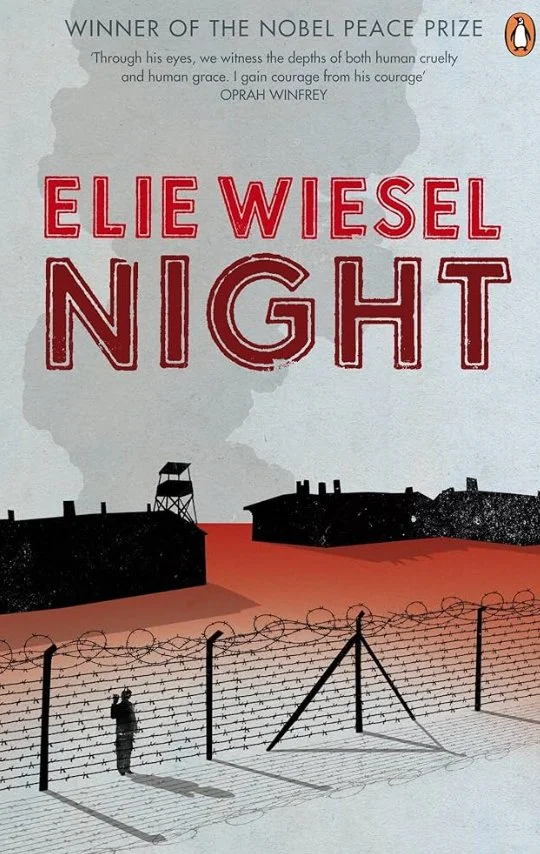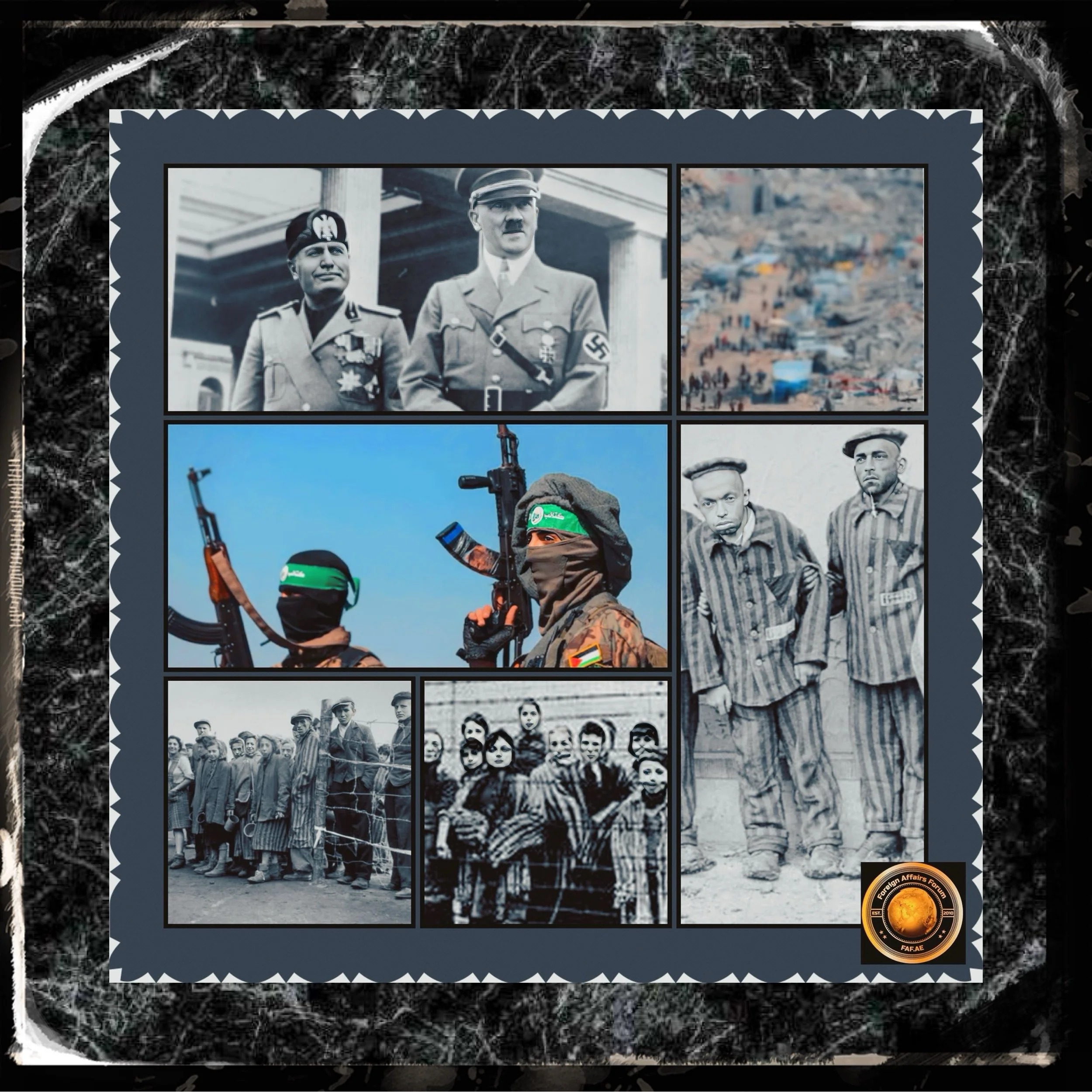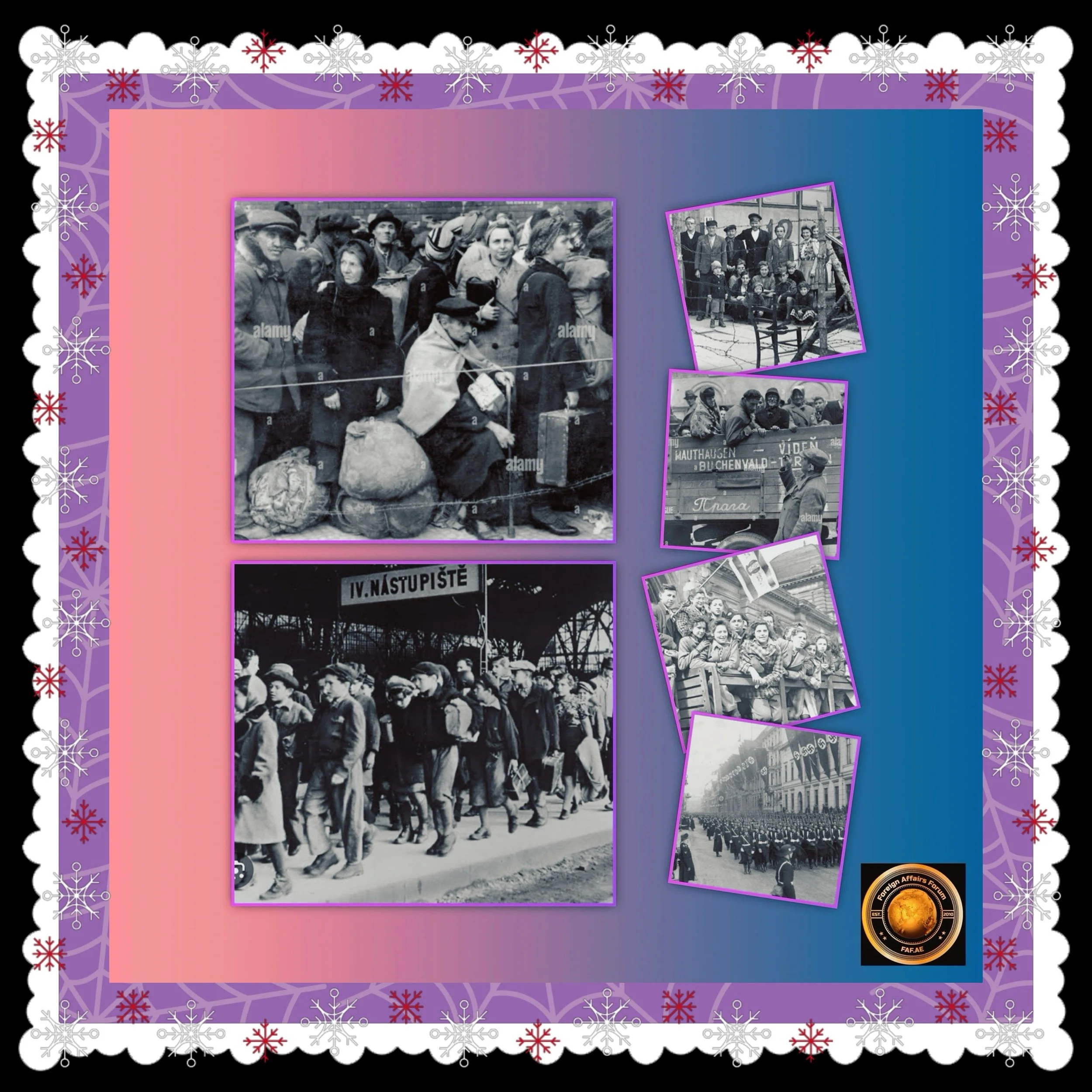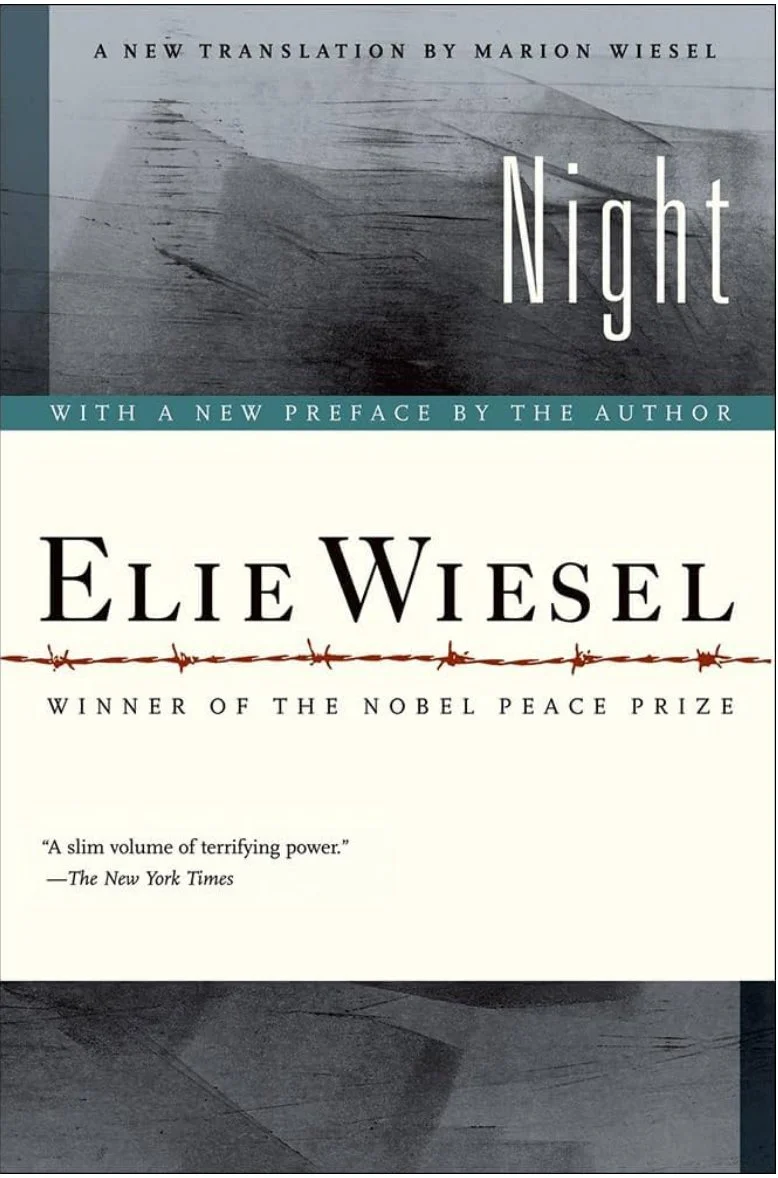
Hitler.Press-Why the book ‘Night’ is Considered a Cornerstone of Holocaust Literature
Foreward
Night by Elie Wiesel stands as a cornerstone of Holocaust literature for several interconnected reasons that establish its unique position in both literary and historical contexts.
The memoir’s profound influence stems from its accessibility, literary excellence, educational impact, and role in shaping global understanding of the Holocaust.
Literary Excellence and Accessibility
Wiesel’s transformation from his original 862-page Yiddish manuscript to the condensed French and English versions represents a remarkable literary achievement.
Literary critic Ruth Franklin notes that “the pruning of the text from Yiddish to French transformed an angry historical account into a work of art”.
This editorial process, guided by French novelist François Mauriac, created a work that balances raw testimony with literary sophistication.
One of the memoir’s greatest strengths is its sparse, unembellished prose.
Wiesel’s writing style is “stark and unadorned, reflecting the raw and brutal reality of his experiences.”
This directness enhances the memoir’s authenticity and emotional impact, making complex trauma accessible to readers across different cultures and generations.
The famous passage beginning “Never shall I forget that night…” exemplifies this powerful simplicity, using repetitive structure and vivid imagery to create lasting emotional resonance.
Educational Impact and Curriculum Integration
Night has become “a standard text used in many classes to both teach about the history and human impact of the Holocaust”.
The memoir serves multiple educational functions simultaneously: It provides historical context, develops literacy skills, and fosters “critical social-emotional competencies like empathy and perspective-taking.”
⏩The book’s integration into middle and high school curricula worldwide reflects its unique accessibility for young readers.
Adam Strom from Facing History & Ourselves explains that the “intimate, detailed depiction of this period of history told through the eyes of a teenager resonates with other young people”.
⏬The memoir addresses “large, powerful issues about evil, indifference, dehumanization, the role of God in the face of evil, and parents and children” in ways that adolescents can comprehend and connect with their developing understanding of injustice.
Global Recognition and Influence
The memoir’s translation into over 30 languages and sales of millions of copies worldwide demonstrate its universal appeal.
Night has reportedly sold approximately 10 million copies globally, establishing it as one of the best-selling non-fiction works of the 20th century.
⏩Wiesel’s receipt of the Nobel Peace Prize in 1986 further cemented the memoir’s significance.
🔝The Nobel Committee recognized him for his literary contributions and as “a messenger to mankind” whose work provides “leadership essential to the support of peace and human rights”.
🔝This recognition elevated Night beyond literature into moral testimony and humanitarian advocacy.
Pioneering Role in Holocaust Literature
⏩Night emerged as “one of the first published autobiographical accounts of what life was like inside Nazi concentration camps”.
⏩Its 1960 English publication helped “shape the American understanding of the Holocaust” and became instrumental in establishing Holocaust literature as a distinct genre.
🔝The memoir’s influence extends beyond its pages to inspire subsequent Holocaust literature.
🔝As one analysis notes, Night “has become what many consider the archetypal survivor account”, serving as a template for how Holocaust testimony can be transformed into accessible, powerful literature without losing its essential truth.
Universal Themes Beyond Historical Context
While rooted in specific historical events, Night transcends its Holocaust context through universal themes that resonate across cultures and periods.
⏩The memoir explores “universal themes of resilience, survival, loss, and the search for meaning” that resonate with readers from all backgrounds.
These themes include the loss of faith, the breakdown of family relationships under extreme stress, the struggle to maintain humanity in dehumanizing conditions, and the responsibility to bear witness to suffering.
The concept of bearing witness - central to Wiesel’s purpose in writing - extends beyond Holocaust remembrance to encompass broader moral responsibilities.
Wiesel viewed his memoir as fulfilling “a moral obligation to try to prevent the enemy from enjoying one last victory by allowing his crimes to be erased from human memory”.
This framework of witnessing and remembrance has influenced how subsequent generations approach historical trauma and collective memory.
Literary Techniques and Emotional Impact
The memoir’s literary power derives from Wiesel’s masterful use of symbolism, imagery, and metaphor.
The title itself - Night - functions as both a literal description and a powerful symbol representing “terrible suffering and pain, and also a world without God”.
This symbolic framework allows readers to grasp abstract despair and spiritual crisis concepts through concrete imagery.
Wiesel’s “vivid and poignant descriptions” create a profound “emotional and psychological impact” on readers.
The memoir’s ability to make readers “visualize and empathize with the suffering depicted” through its imagery establishes an emotional connection that pure historical documentation cannot achieve.
Distinction from Other Holocaust Works
Night occupies a unique position compared to other central Holocaust works.
Unlike Anne Frank’s diary, which focuses on hiding and adolescent perspectives before deportation, Night provides direct testimony from the concentration camps themselves.
Compared to Primo Levi’s If This is a Man, which takes a more analytical, “factual” approach, Wiesel’s memoir is “almost literary” and “emotional,” presenting the story in simple, touching phrases.
This emotional accessibility and historical accuracy make Night particularly effective for educational purposes and general readership.
The memoir’s cornerstone status in Holocaust literature ultimately rests on its unique combination of literary excellence, historical authenticity, educational value, and moral purpose.
⏩By transforming personal trauma into universal testimony, Night established a model for how literature can preserve memory, foster empathy, and fulfill the ethical imperative to bear witness to historical atrocity.
Its enduring influence on education, literature, and collective memory demonstrates why it remains an essential text for understanding both the Holocaust specifically and humanity’s capacity for both cruelty and resilience more broadly.