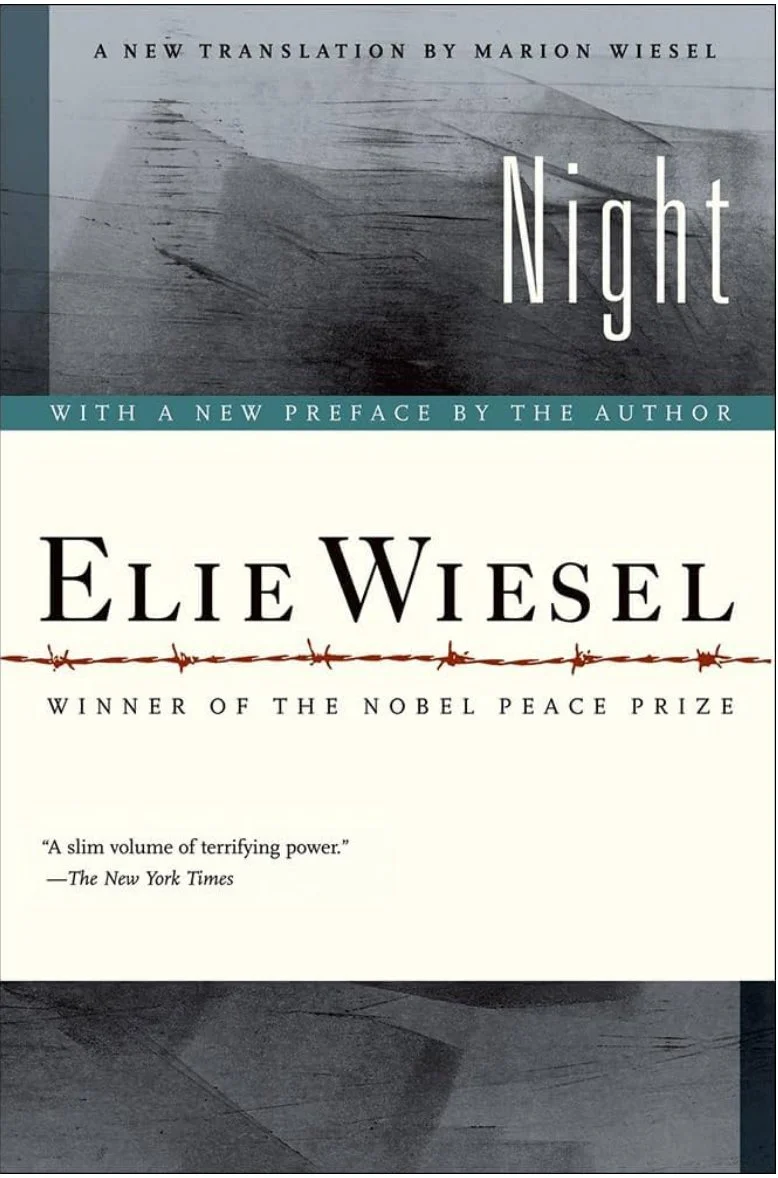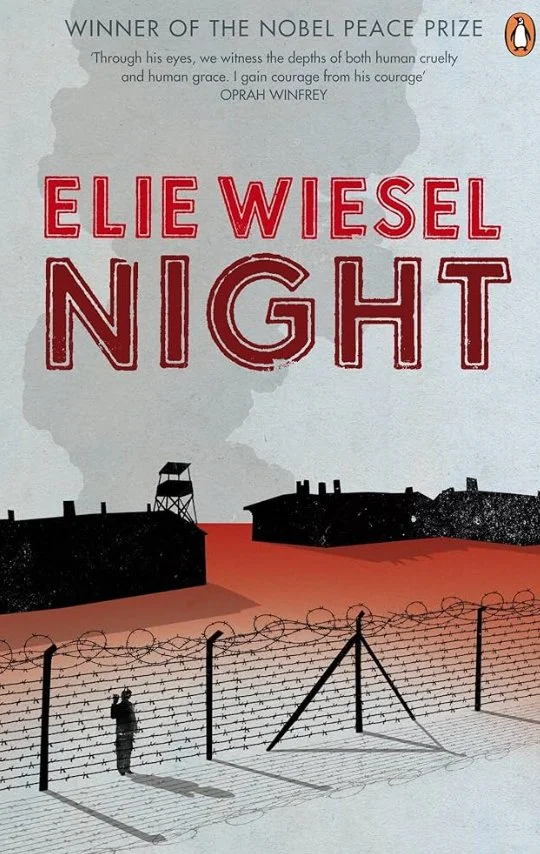
Hitler.Press - The book ‘Night’ by Elie Wiesel: A Harrowing Holocaust Memoir-KL Auschwitz-Birkenau remembered
Introduction
Elie Wiesel's memoir, "Night," provides a profound and harrowing account of his experiences during the Holocaust, particularly within the confines of the Auschwitz-Birkenau concentration camp.
It serves as a crucial narrative that explores the psychological and existential ramifications of survival amidst extreme atrocity, offering detailed observations on the dehumanization faced by inmates and the moral dilemmas encountered in such dire circumstances.
This work is essential for understanding the complexities of human behavior in the context of systemic genocide.
Further, Night is Elie Wiesel’s haunting and deeply personal memoir of his experiences as a Jewish teenager during the Holocaust, specifically recounting his time in the Nazi concentration camps of Auschwitz and Buchenwald from 1944 to 1945.
This slim but powerful volume of just over 100 pages has become one of the most significant works of Holocaust literature, translated into more than 30 languages and recognized as a cornerstone text for understanding the horrors of the Holocaust.
KL Auschwitz-Birkenau remembered
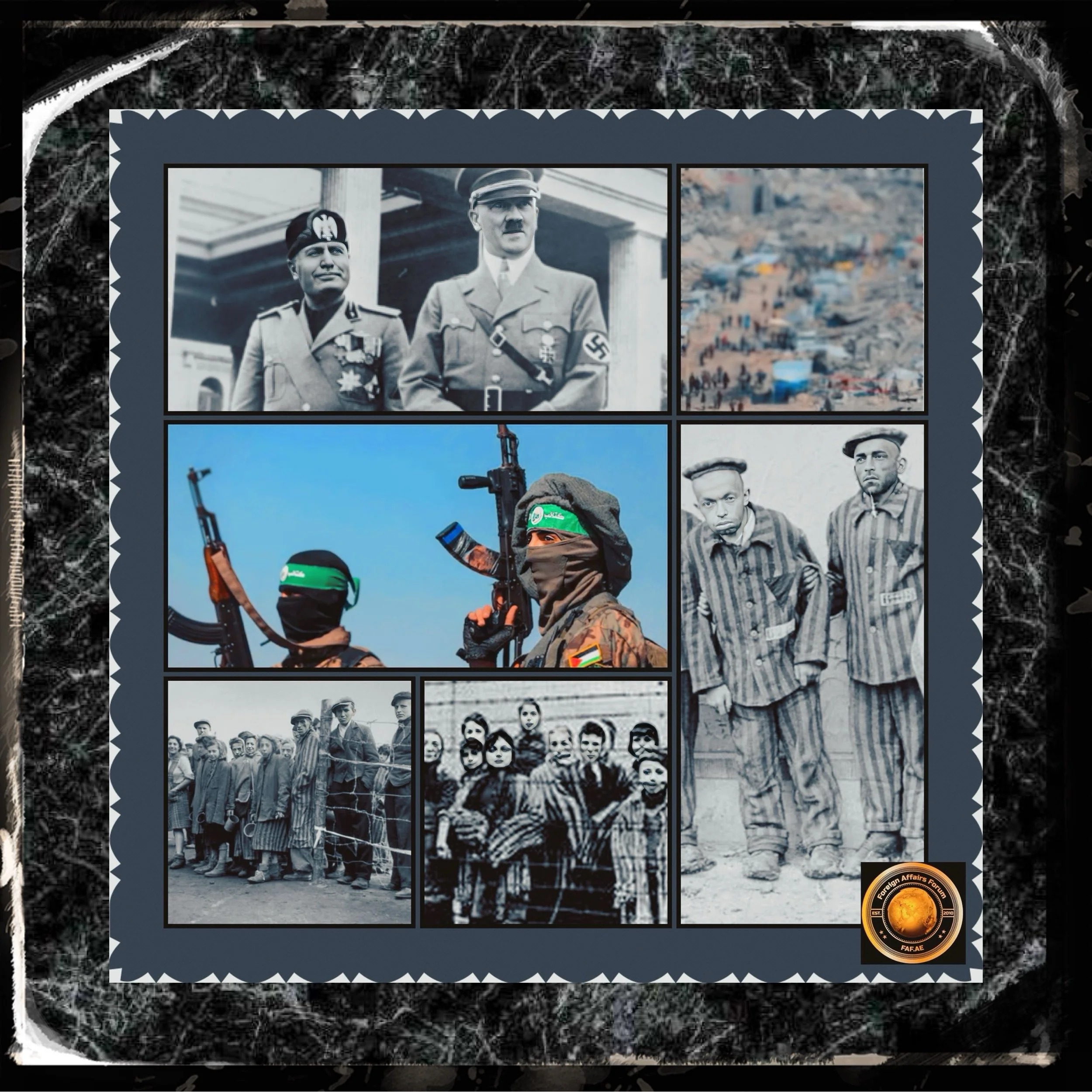
Auschwitz has emerged as a potent symbol of terror, genocide, and the Holocaust (Shoah) across the globe.
Established by German authorities in 1940 within the suburban area of Oświęcim, Poland—subsequently annexed to the Third Reich—its nomenclature was changed to Auschwitz, also designated as Konzentrationslager Auschwitz.
The camp was initiated primarily due to the escalating mass arrests of Polish nationals, which overwhelmed the existing local prison facilities.
The inaugural transport of inmates arrived at KL Auschwitz from Tarnów prison on June 14, 1940. Initially, the camp was conceived as another iteration of the concentration camps that the Nazis had been constructing since the early 1930s.
⏩Throughout its operational period, Auschwitz maintained this function and, beginning in 1942, transformed into the largest extermination center executing the "Endlösung der Judenfrage" (the Final Solution to the Jewish Question)—the systematic plan for the annihilation of European Jewry.
Background and Publication History
Elie Wiesel was born in 1928 in Sighet, a small town in Transylvania, Romania.
When he was 15 years old in 1944, the Nazis deported him and his family to Auschwitz-Birkenau.
His mother Sarah and youngest sister Tzipora perished in the gas chambers on the night of their arrival, while Wiesel and his father Shlomo were sent to work in the camps.
His father died of dysentery and beatings at Buchenwald in January 1945, just months before the camp was liberated by American forces on April 11, 1945.
For ten years after the war, Wiesel maintained a self-imposed silence about his experiences, doubting his ability to accurately convey the horror he had witnessed.
This silence ended in the mid-1950s after he interviewed French novelist François Mauriac, who urged him to “bear witness” for the millions who had been silenced.
Wiesel originally wrote an 862-page manuscript in Yiddish titled Un di velt hot geshvign (And the World Remained Silent), which was published in Argentina in 1956.
With Mauriac’s help, this was condensed to 178 pages and published in French as La Nuit in 1958, then translated into English as Night by Hill & Wang in 1960.
Key Themes and Literary Significance
Loss of Faith and Questioning of God
⏩One of the most profound themes in Night is Wiesel’s struggle with faith and his relationship with God.
At the beginning of the memoir, young Eliezer is deeply religious, studying the Talmud and seeking instruction in Kabbalah from Moishe the Beadle.
⏩His faith in an omnipotent, benevolent God is absolute—when asked why he prays, he responds, “Why did I pray? . . . Why did I live? Why did I breathe?”
🔝However, witnessing the unimaginable cruelty and suffering in the concentration camps irreparably shakes his faith.
🔝Wiesel writes powerfully about his anger toward God: “For the first time, I felt anger rising within me.
🔝Why should I sanctify His name? The Almighty, the eternal and terrible Master of the Universe, chose to be silent.
🔝What was there to thank Him for?” This spiritual crisis becomes a central conflict throughout the memoir, as Eliezer grapples with how a benevolent God could permit such evil to exist.
Dehumanization and Loss of Identity
⏬Night vividly portrays the systematic dehumanization employed by the Nazis to strip prisoners of their dignity, humanity, and individual identity.
⏩From the moment of arrival at Auschwitz, prisoners are reduced to numbers—Eliezer becomes A-7713—and subjected to brutal conditions designed to break their spirits.
🔝Wiesel describes how the constant threat of violence, starvation, and death transforms people into beings focused solely on survival: “At that moment in time, all that mattered to me was my daily bowl of soup, my stale crust of bread.
🔝The bread, the soup—those were my entire life. I was nothing but a body. Perhaps even less: a famished stomach”.
Father-Son Relationship Transformation
The memoir traces the complex evolution of Wiesel’s relationship with his father throughout their ordeal.
⏩Initially, their relationship was somewhat distant—Wiesel describes his father as “more concerned with others than with his own family”.
🔝However, the extreme circumstances of the camps bring them closer together as they become each other’s primary source of support and reason for survival.
🔝As the memoir progresses, this relationship becomes increasingly strained as his father weakens and becomes more dependent.
🔝Wiesel honestly confronts his conflicted feelings, including moments when he wished to be freed from the burden of caring for his dying father: “If only I didn’t find him!
🔝If only I were relieved of this responsibility, I could use all my strength for my own survival”.
⏩When his father dies calling his name while Wiesel lies silently on the bunk above, the guilt and grief profoundly impact him.
⏬Death and Survival
Death permeates every aspect of the narrative, serving both as a literal constant threat and as a powerful metaphor.
The memoir’s title itself represents the darkness and despair that enveloped Wiesel’s existence during the Holocaust.
⏩The famous mirror scene at the memoir’s end powerfully captures this theme: “From the depths of the mirror a corpse was contemplating me. The look in his eyes as he gazed at me has never left me”. This image symbolizes how, while Wiesel physically survived, aspects of his former self had died in the camps.
Key Events and Timeline
The memoir follows a chronological structure beginning in 1941 in Sighet.
⏩1941-1942: Wiesel meets Moishe the Beadle, who becomes his spiritual mentor and teaches him Kabbalah.
Moishe is deported with other foreign Jews but miraculously escapes and returns to warn the community of Nazi atrocities, though his warnings are dismissed as the ravings of a madman.
⏩1944: German forces occupy Hungary and implement increasingly oppressive measures against Jews—community leaders are arrested, valuables confiscated, and Jews forced to wear yellow stars.
The Jewish population is confined to ghettos before being deported to concentration camps.
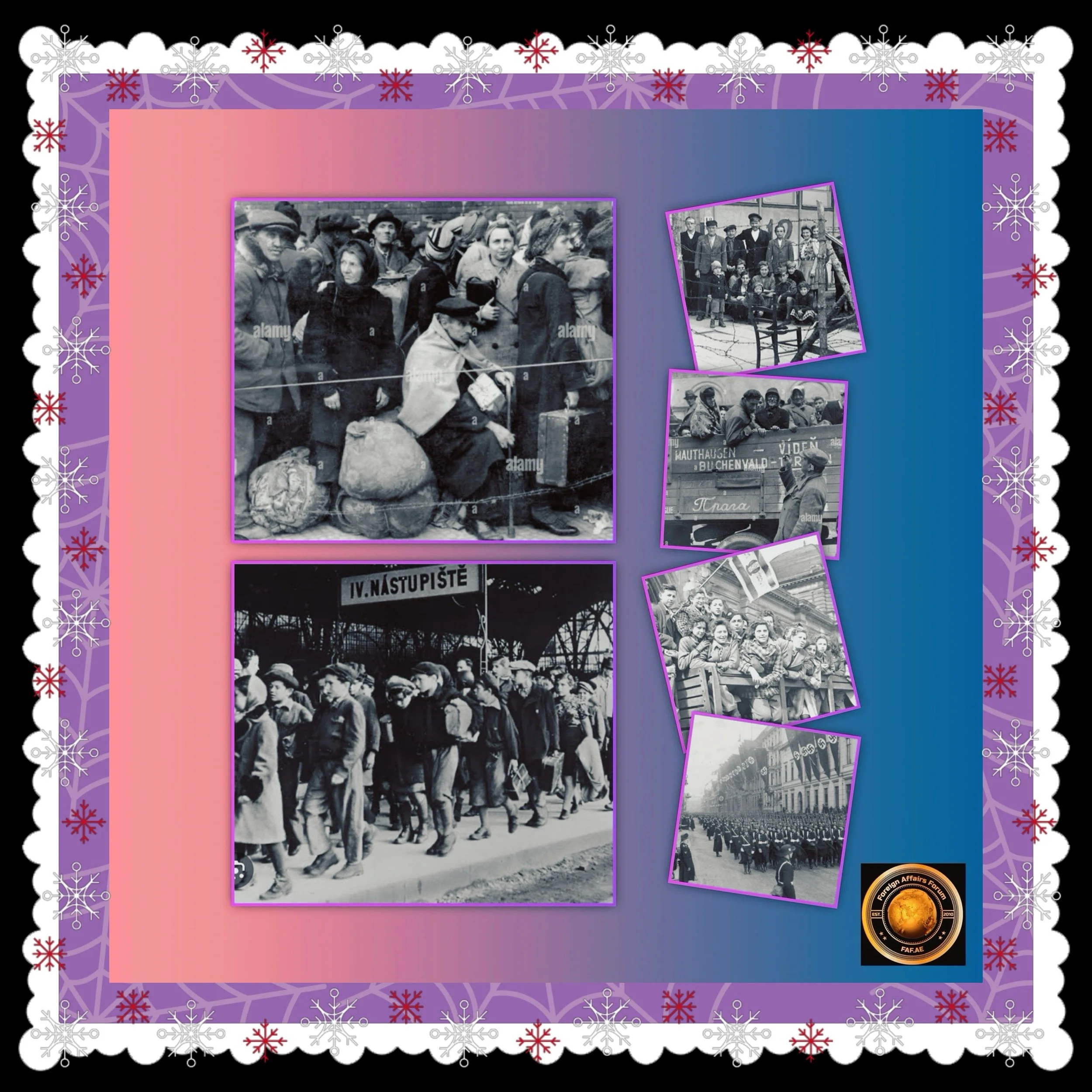
⏩May 1944: Wiesel and his family are transported in cattle cars to Auschwitz-Birkenau.
Upon arrival, families are separated and Wiesel never sees his mother and sister Tzipora again.
⏩1944-1945: Wiesel and his father endure seven months in Auschwitz and its sub-camp Buna, experiencing starvation, disease, violence, and regular “selections” where the weak are chosen for execution.
⏩January 1945: As Soviet forces approach, prisoners are forced on a death march through freezing winter conditions to Buchenwald. Many die during this brutal journey.
⏩January 29, 1945: Wiesel’s father Shlomo dies at Buchenwald after succumbing to dysentery and beatings.
⏩April 11, 1945: American forces liberate Buchenwald, and Wiesel’s ordeal ends.
Significance and Impact
Literary Recognition
Night has become what Daniel Stern of The Nation called “undoubtedly the single most powerful literary relic of the Holocaust”.
The work has been praised for its sparse, unembellished prose that captures the horror with emotional intensity.
Literary critic Ruth Franklin notes that the pruning of the text from Yiddish to French “transformed an angry historical account into a work of art”.
Wiesel’s literary achievements, anchored by Night, earned him numerous honors including the Prix Medicis, the Congressional Gold Medal, the Presidential Medal of Freedom, and ultimately the Nobel Peace Prize in 1986.
⏩The Nobel Committee recognized him as “one of the most important spiritual leaders and guides in an age when violence, repression and racism continue to characterise the world”.
Educational Impact
Night has become a standard text in educational curricula worldwide, serving as many students’ introduction to Holocaust literature.
Its accessibility and powerful narrative make it particularly effective for young readers, with many educators noting its ability to help students understand both the historical facts and human dimensions of the Holocaust.
⏩The memoir functions “both as an entry point into learning about the Holocaust and a powerful book for someone who has been studying the Holocaust”.
Preservation of Memory
Wiesel viewed his writing as fulfilling a moral obligation to preserve the memory of Holocaust victims and prevent the erasure of their suffering.
⏩As he stated, he had “a moral obligation to try to prevent the enemy from enjoying one last victory by allowing his crimes to be erased from human memory”.
The memoir serves not only as personal testimony but as what Wiesel called his “deposition”—a legal and moral document of Nazi crimes.
Night stands as both a historical document and a work of profound literary merit, ensuring that the voices of Holocaust victims continue to be heard and their experiences remembered.
🔝Through its unflinching portrayal of humanity’s capacity for both evil and endurance, Wiesel’s memoir remains a crucial text for understanding one of history’s darkest chapters and its lasting impact on survivors and subsequent generations.
Conclusion
The human experience of pain often manifests as a journey marked by varying degrees of physical and psychological trauma.
These experiences, while undoubtedly tragic, can serve as catalysts for personal growth, forgiveness, and the opportunity to transcend adversity, provided one is willing to embrace that capacity.
However, certain forms of suffering transcend the individual and become emblematic of significant historical movements, prompting humanity to commit these memories to collective consciousness to prevent their recurrence.
Such pain embeds itself deeply within the human soul, challenging the very essence of existence and compelling an existential inquiry into the divine.
In moments of profound anguish, individuals may grapple with the question of God’s existence, demanding, “If God is real, why am I destined for this suffering? I have committed no sin, yet malevolence seems to flourish at my expense.”
These afflictions can originate from an enduring fear of survival under dire circumstances, alongside unending spiritual questions directed toward God.
This struggle can lead one to either immerse in a state of despair, referenced as the 'night,' or, alternatively, to achieve a form of liberation from suffering, culminating in gratitude and acknowledgment of divine existence—a pivot toward a journey enriched with awareness, agency, and purpose.
This brings us to the fundamental inquiry of purpose, a question frequently deliberated by theologians throughout history.
In this context, lets provide us the opportunity to delve into Elie Wiesel's memoir, "Night," which offers poignant insights that address existential queries such as: What is the purpose of life? Why did God create humanity? Why does evil persist if God embodies goodness? Will suffering ever reach an end?
We strongly recommend Wiesel's work as an exploration not only of intellectual insights but also of the visceral emotional toll endured by young individuals like himself, alongside his father and fellow detainees, during their harrowing experiences in the concentration camps, specifically Auschwitz-Birkenau.
In your peace and light,