*Swastika.Media- Greenland Breaking the Silence: The IUV & Spiral History and Today’s Response to Global Society : Crimes against teens
Introduction
*Swastika.Media operates as a non-profit organization dedicated to advocating for the rights and addressing the injustices faced by adolescent girls globally. Our mission revolves around promoting social justice in the context of contemporary societal issues.
The Colonial Legacy and Contemporary Implications in Greenland
World War II is long gone. Denmark goes home.
The historical trajectory of Greenland's association with Denmark began formally in 1721, marked by the arrival of missionary Hans Egede.
This relationship has been characterized by prolonged colonial governance, the repercussions of which continue to inform the socio-political landscape of this Arctic territory.
Recent disclosures have unveiled grave human rights violations committed during the latter half of the 20th century, notably encapsulated in the IUV scandal concerning forced contraception.
This coercive birth control initiative, administered by Danish authorities from 1966 to 1975, resulted in approximately 4,500 Greenlandic Inuit women and girls—roughly 50% of the region's fertile female population—being fitted with intrauterine devices (IUDs) without informed consent.
Among these women, many were as young as 12, with documented cases of 13-year-olds subjected to these medical interventions. The initiative primarily aimed to control Greenland's birth rate, targeting what Copenhagen deemed an excessive number of illegitimate births.
Assessment of Violations and Psychological Trauma
The coercive contraception program has been critically assessed by scholars and politicians alike, with some categorizing it as a form of genocide.
Prominent Greenlandic figures, including Aki-Matilda Høegh-Dam, Mimi Karlsen, and former Prime Minister Múte Bourup Egede, have explicitly labeled the birth control campaign as genocidal.
The Human Rights Council of Greenland corroborated this perspective, asserting that the initiative violated individual privacy and fundamental human rights.
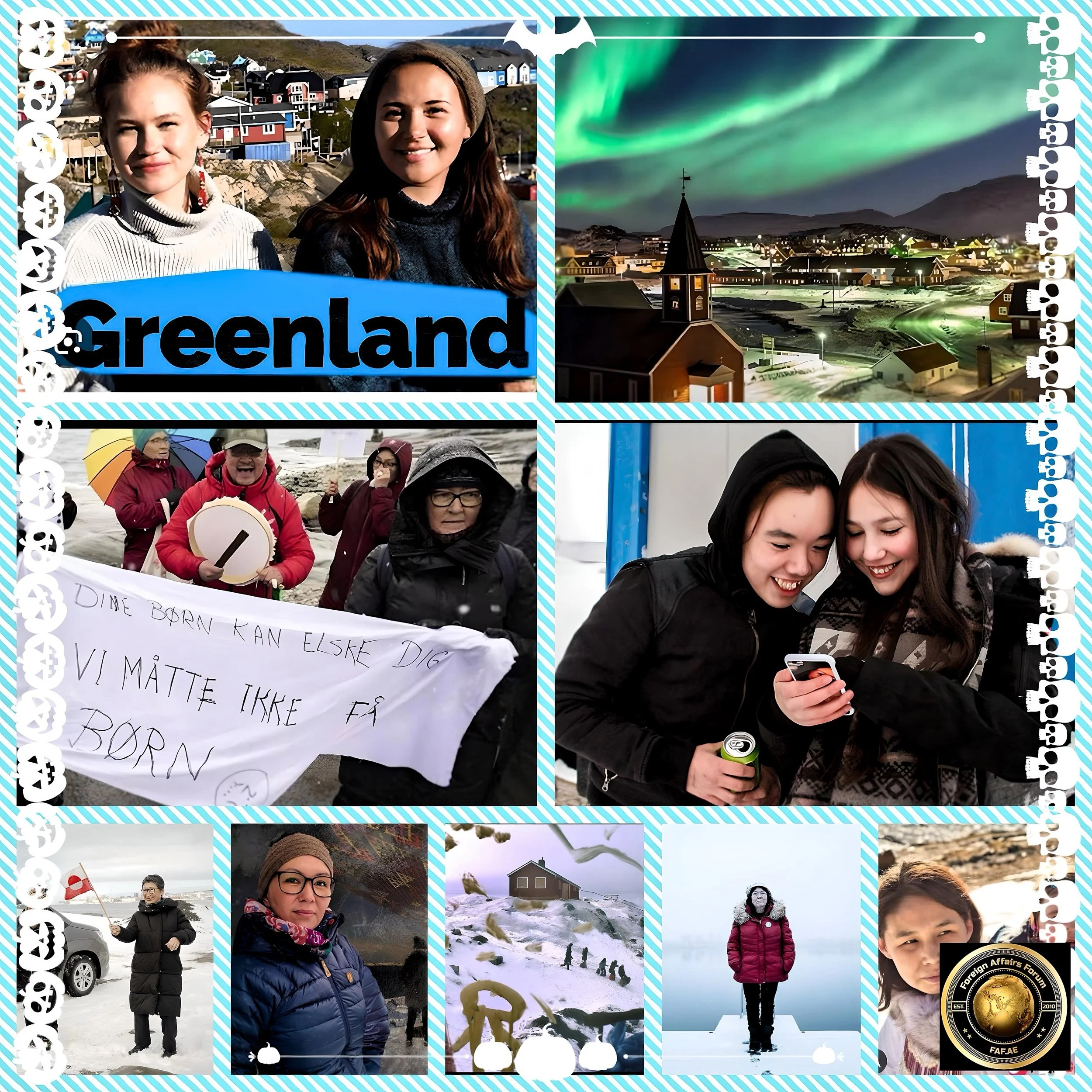
Naja Lyberth, a pioneering voice among the survivors, articulates her trauma vividly: “I was afraid. I couldn’t tell my parents. I was a virgin. I had never even kissed a boy.”
She recalls the physical and psychological distress inflicted by the procedure, emphasizing the inadequacy of medical tools for her young body: “The equipment the doctors used was so big for my child's body - it was like having knives inside me.”
Lyberth identifies multiple violations, including the right to reproductive autonomy, family formation, and protection from discrimination—elements crucial to the broader discourse on human rights.
Contextualizing the Social Crisis
The IUV scandal is symptomatic of larger systemic issues rooted in Greenland's colonial history.
The territory currently holds the highest reported rape rate globally, with a staggering 132 incidents recorded in 2022 among approximately 56,000 residents.
Research indicates that 25% of Greenlandic women have experienced sexual violence, and 47% have reported being victims of violence throughout their lives.
An alarming correlation between childhood exposure to domestic violence and subsequent incidents of youth suicides and alcohol-related problems evidences the intergenerational impact of colonial trauma.
A stark illustration of this crisis was observed in Tasiilaq in 2024, where local authorities documented two suicides, four attempted suicides, one rape, and 15 domestic violence incidents within three days.
Greenland's Path Towards Recognition and Justice
In response to the IUV scandal, Denmark and Greenland established a joint commission in 2022 to investigate these historical injustices; however, activists have criticized this initiative for its limited scope.
The investigation commenced in 2023 and is expected to conclude by 2025. By that time, at least 143 women had filed claims for compensation, amounting to nearly 43 million kroner (approximately $6.3 million).
Reconciliation Efforts and Transitional Justice
Greenland's ongoing efforts to address its colonial legacy through formal reconciliation processes reflect the potential and inherent limitations of transitional justice frameworks.
The Greenland Reconciliation Commission, operational from 2014 to 2017 with a budget of 10 million Danish kroner, aimed to elucidate how historical traumas have impacted current societal dynamics.
Notably, the Danish government abstained from participating, compelling Greenland to navigate this process independently.
Although the Commission succeeded in establishing the “Right to Know” and created platforms for expressing trauma, it fell short of delivering tangible justice or ensuring non-recurrence, primarily due to inaction from Danish and Greenlandic authorities.
Indigenous Women’s Activism and Resilience
Greenlandic women have emerged as formidable advocates within the decolonization movement in recent years, articulating postcolonial feminist perspectives on resistance.
Activists such as Aaja Kleist emphasize the dual oppression faced by Greenlandic-Inuit women, advocating for strategic alliances with Greenlandic-Inuit men to counterbalance the asymmetric power dynamics inherent in their relationship with the Danish state.
This reframing of feminist discourse within a postcolonial context underscores the necessity of recognizing the unique socioeconomic and political positioning of Greenlandic-Inuit women, distinct from their Danish counterparts.
Path Toward Independence
Greenland is increasingly orienting its political agenda towards complete independence from Denmark.
Prime Minister Múte Egede has articulated a clear vision for national identity, stating, "we don’t want to be Danes, we don’t want to be Americans — we want to be Greenlanders."
In his 2025 New Year’s address, he emphasized the necessity for Greenland to embark on a new trajectory towards self-governance, stating, “It is now time for our country to take the next step... we must work to remove the obstacles to cooperation, which we can describe as the shackles of colonialism, and move forward.”
The momentum for independence has been bolstered by disclosures regarding Danish colonial misconduct, notably the IUV scandal, alongside other exploitative policies.
In 2009, Greenland secured the right to assert its independence through a national referendum, and by 2023, the local government unveiled its inaugural draft constitution.
International Advocacy and Recognition
Greenland's strategy in the international arena has evolved, relying on increasingly sophisticated advocacy methods to assert its claim for self-determination.
The government has actively engaged with United Nations mechanisms, including the Declaration on the Rights of Indigenous Peoples (UNDRIP), leveraging its colonial history as a critical lens through which to convey the broader impacts of colonialism on Indigenous populations.
The IUV scandal has drawn significant international scrutiny, leading to investigations not only into its legal ramifications but also regarding breaches of Indigenous rights and issues of consent.
This has prompted collaborative efforts from both Danish and Greenlandic scholars, along with international experts, to scrutinize the legal frameworks involved.
Contemporary Challenges and Mental Decolonization
The response to global scrutiny has catalyzed what some scholars refer to as "mental decolonization" in Greenland. This process aims to address intergenerational trauma and the internalized perceptions stemming from colonial governance.
Advocates assert that the pursuit of formal political autonomy must be paralleled by cultural and psychological recuperation from the legacies of colonial violence.
Current socio-economic issues such as elevated rates of suicide, gender-based violence, and substance abuse are inextricably linked to historical traumas engendered by colonial policies.
Research indicates that these systemic problems are perpetuated across generations, inflicting communal harm that persists within affected populations.
Undocumented ‘Danish’ Fear
The concept of a “Danish fear”—particularly among Greenlandic adolescent and adult females—addresses a complex interplay of anxiety or apprehension regarding Danish authority and its policies.
While there is no formalized acknowledgment of this phenomenon, the existing literature documents significant trauma, mistrust, and psychological impacts among Greenlandic women, particularly those subjected to oppressive Danish policies.
Forced Birth Control and Trauma
Between the 1960s and 1991, a controversial policy enforced by Danish health authorities involved the coercive insertion of intrauterine devices (IUDs) into young Greenlandic girls, often without informed consent from the minors or their guardians.
This initiative aimed to curb out-of-wedlock births and manage population growth.
Traumatic Experiences
Girls as young as 12 endured these invasive procedures, and many report enduring emotional and physical repercussions, including trauma, violation, and a profound sense of disempowerment.
Lack of Agency
Affected individuals have recounted their lack of agency and awareness regarding the procedures conducted on them, with the lingering effects of pain and emotional distress persisting well into adulthood.
Social Experiments and Child Removal
The “Little Danes” Experiment (1951)
During the “Little Danes” initiative, 22 Inuit children were forcibly removed from their families and sent to Denmark for assimilation into Danish culture.
These children were prohibited from utilizing their native languages and were raised exclusively in accordance with Danish customs. This experiment resulted in significant psychological trauma and identity loss, with many individuals failing to reintegrate effectively into their familial and cultural contexts.
Ongoing Child Welfare Actions
Presently, Greenlandic children in Denmark are disproportionately subjected to removal by Danish social services, posing risks of cultural and linguistic assimilation.
This has incited protests and further entrenched mistrust among Greenlandic communities.
Cultural and Psychological Impact
Fear and Mistrust of Authorities
Many Greenlanders, particularly women and girls, have expressed deep-seated mistrust and apprehension towards Danish authorities, which is rooted in a historical context of rights violations and autonomy infringements.
Psychological Trauma
Survivors of these oppressive policies often bear lasting emotional scars, including pervasive sadness, identity crises, and an acute sense of loss.
Moreover, some have grappled with issues of substance abuse, homelessness, and mental health disorders as direct repercussions of their experiences.
Cultural Marginalization
In Denmark, Greenlandic women and girls frequently encounter stereotypes and discrimination, which can exacerbate feelings of alienation and contribute to an overarching sense of fear regarding their cultural identity and safety.
Conclusion
Breaking the Silence
While there is no formally recognized psychological condition termed “Danish fear” among Greenland's female population, both adolescent and adult, substantial evidence indicates profound psychological trauma, pervasive mistrust, and distress stemming from Danish governmental policies and their historical implications.
These collective experiences have engendered enduring psychological scars that continue to influence the dynamics between Greenlandic communities and Danish authorities.
Greenland’s response to the Investigative Unit for Vulnerable groups (IUV) scandal, alongside its broader colonial legacy, represents a concerted effort to "break the silence" surrounding systemic violations of human rights.
This initiative encompasses a blend of legal frameworks, truth-seeking processes, international advocacy, and a determined pursuit of sovereignty, reinforcing Greenland’s claim to self-determination while demanding accountability from the Danish state.
This strategy synthesizes traditional Indigenous values with contemporary human rights discourses, articulating a unique post-colonial justice model.
As inquiries into the IUV scandal advance and the path to full independence remains complex, Greenland's approach exemplifies how colonized nations can leverage international scrutiny and legal measures to seek recognition, reparations, and sovereignty.
The situation in Greenland underscores a crucial reminder for the global community: the ramifications of colonialism extend beyond political control, impacting core facets of human life—such as family structures, reproductive rights, and bodily autonomy.
Naja Lyberth has poignantly characterized these experiences as a systemic violation, akin to a collective assault on an entire population orchestrated by Danish authorities.
Greenland's steadfast pursuit of justice seeks to rectify historical wrongs and serves as a model for Indigenous populations worldwide in asserting their rights and demanding recognition on the international stage.
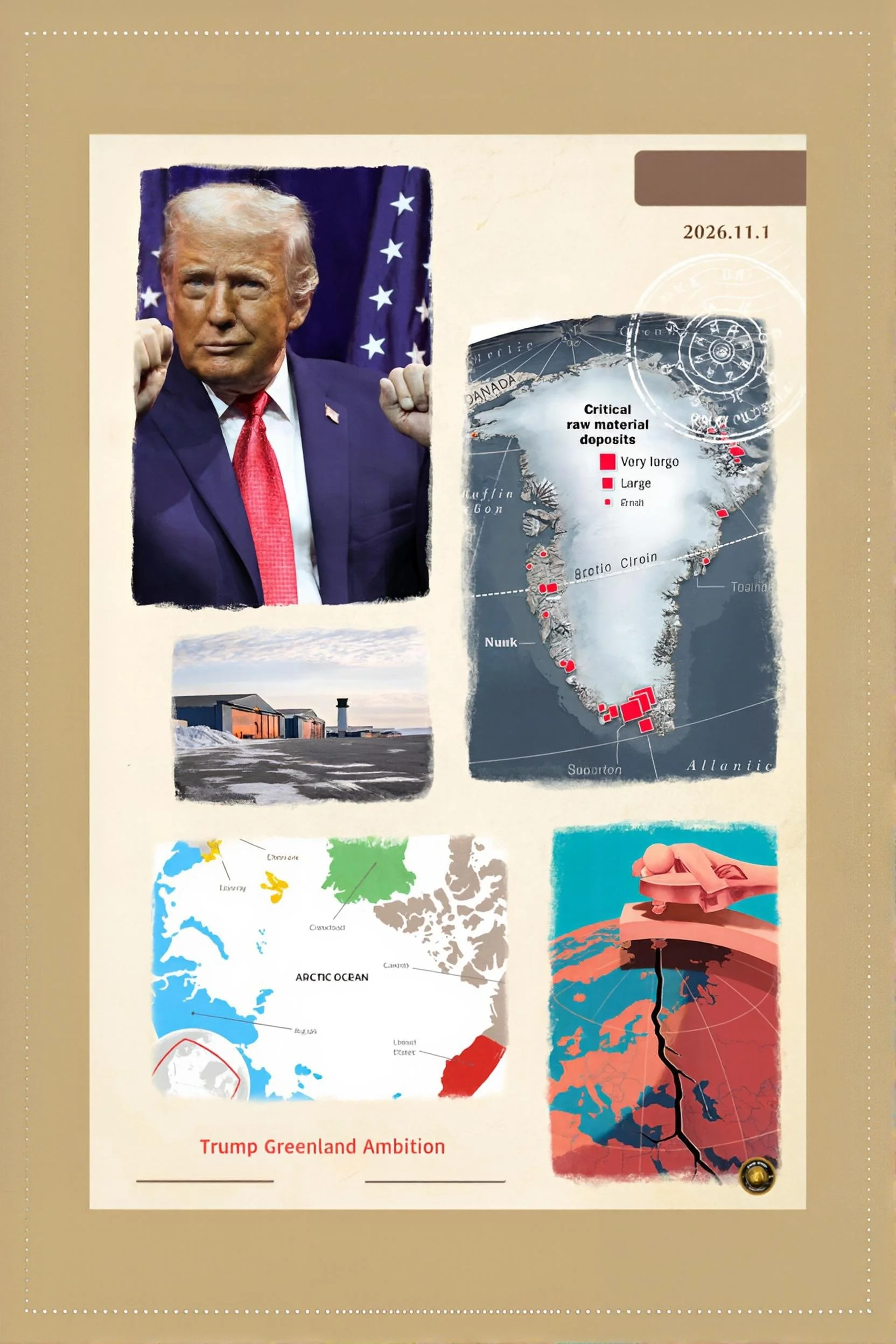
Moreover, Trump's proposition to integrate Greenland into American society can be interpreted not merely as a controversial geopolitical maneuver but as a potential escape from residual colonial traumas and the deep-seated scars that persist among its youth and women of all ages.