US Intervention in Gaza Ceasefire Negotiations and Jerusalem Day Violence: Recent Developments and Policy Implications
Introduction
Recent developments in Gaza ceasefire negotiations reveal significant US diplomatic intervention under the Trump administration, alongside troubling outbreaks of violence during Jerusalem Day celebrations.
On May 26, 2025, Hamas reportedly agreed to a new US-brokered ceasefire proposal while far-right Israeli nationalists engaged in violent attacks against Palestinians during Jerusalem Day commemorations in the Old City.
Gulf.Inc commented, “These parallel events highlight the complex tensions between diplomatic progress and escalating extremist violence that continue to challenge peace efforts in the region.”
Trump Administration’s Gaza Ceasefire Strategy
Current Negotiation Framework
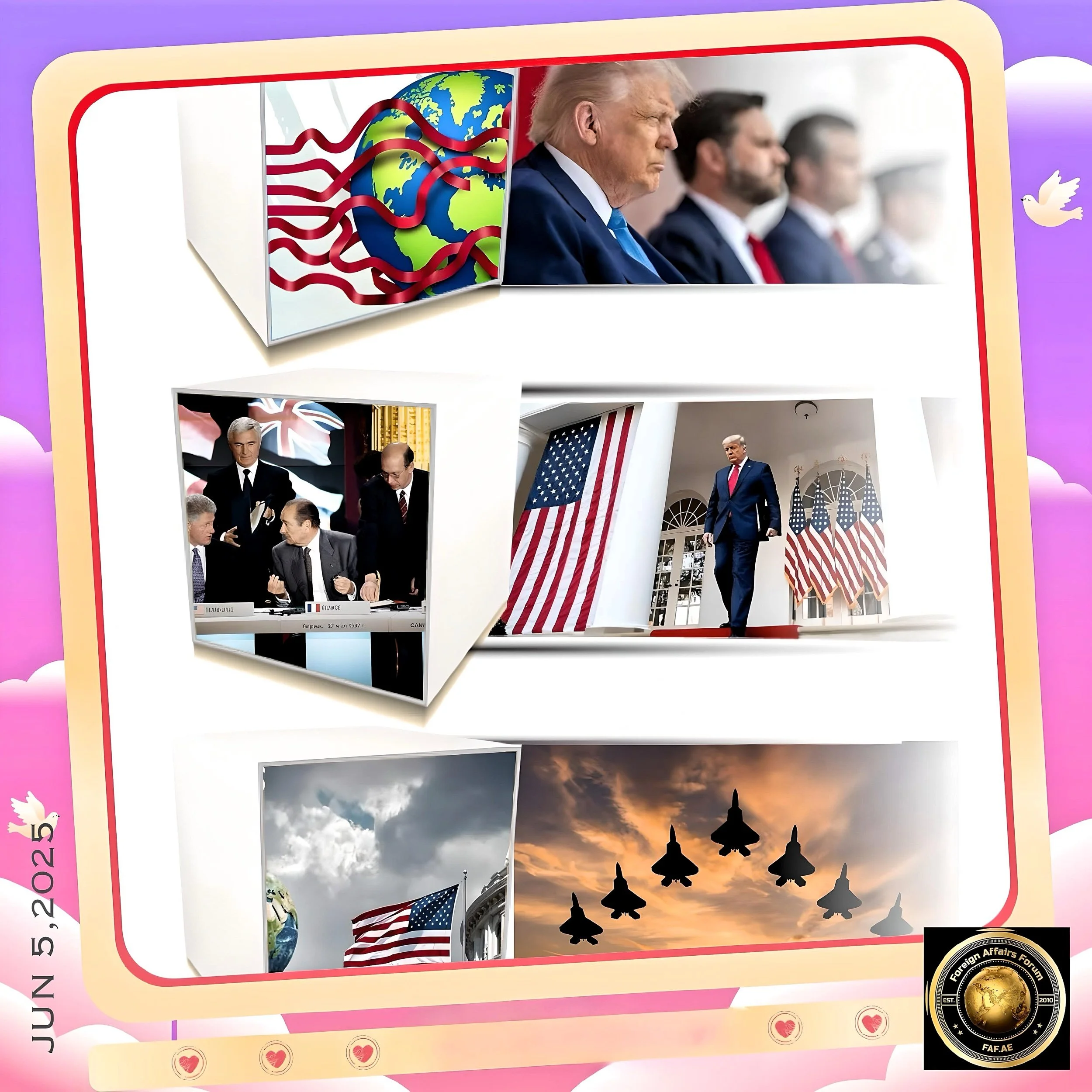
The Trump administration has intensified its diplomatic engagement in Gaza ceasefire negotiations through multiple channels and direct threats.
According to Palestinian sources, Hamas agreed to a US proposal presented by Special Envoy Steve Witkoff on May 26, 2025.
The proposal includes a 60-70-day ceasefire, the release of ten Israeli hostages in two groups, and a partial withdrawal of Israeli forces from Gaza.
Sources indicate that the agreement would also facilitate the release of several Palestinian prisoners, including hundreds serving lengthy sentences.
The US has been negotiating with Hamas through the American intermediary Bishara Bahbah in Doha, representing a significant shift in diplomatic approach.
Bahbah, who previously headed “Arab Americans for Trump” during the 2024 election campaign, has been working directly with Steve Witkoff, Trump’s Middle East envoy.
This direct communication channel bypasses traditional mediators like Qatar and Egypt, suggesting the Trump administration’s preference for establishing independent negotiating leverage.
Trump himself has issued stark ultimatums to Hamas, declaring that “all hell is going to break out” if specific deadlines do not return Israeli hostages.
The president has demonstrated increasing frustration with the pace of negotiations, warning that the Gaza ceasefire should be canceled if the remaining hostages are not returned.
These threats represent a more aggressive negotiating posture compared to previous diplomatic efforts.
Israeli Response to US Proposals
Israel’s response to the latest US ceasefire proposal has been notably cautious and contradictory.
Anonymous Israeli officials speaking to media outlets have denied the reports of Hamas acceptance, stating that Israel has not agreed to anything and that negotiations remain ongoing.
These officials characterized Hamas proposals as “unacceptable to the Israelis,” suggesting continued resistance to the terms being discussed.
The Israeli government has not immediately commented on the Hamas acceptance of the US proposal.
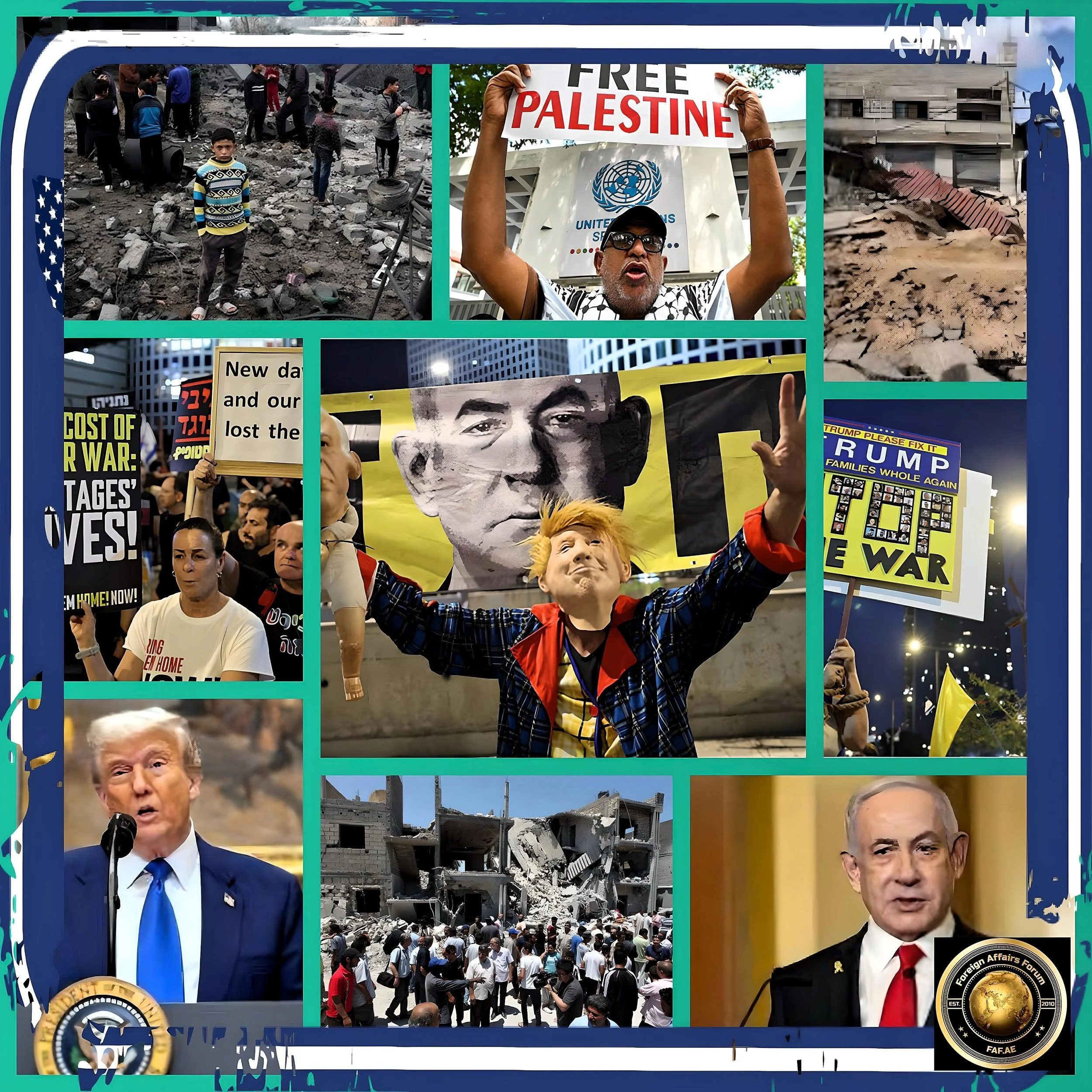
This silence reflects the complex political calculations within Netanyahu’s government, particularly given the domestic pressure from both hostage families seeking immediate releases and right-wing coalition partners opposing territorial concessions.
Israeli Prime Minister Benjamin Netanyahu has previously stated that Israel retains the right to resume warfare if negotiations for subsequent phases fail, with backing from the United States.
Israel’s hesitancy also stems from previous ceasefire violations and the ongoing humanitarian crisis in Gaza.
The country has accused Hamas of repeatedly violating earlier agreements while simultaneously facing international criticism for blocking humanitarian aid.
This pattern of mutual accusations has created a climate of distrust that complicates current negotiations.
Trump’s Evolving Vision for Gaza
The “Riviera of the Middle East” Proposal
Trump’s vision for Gaza represents one of the most radical departures from traditional US Middle East policy in decades.
The president has consistently advocated for the United States to “take over” and “own” Gaza, transforming it into what he calls the “Riviera of the Middle East.”
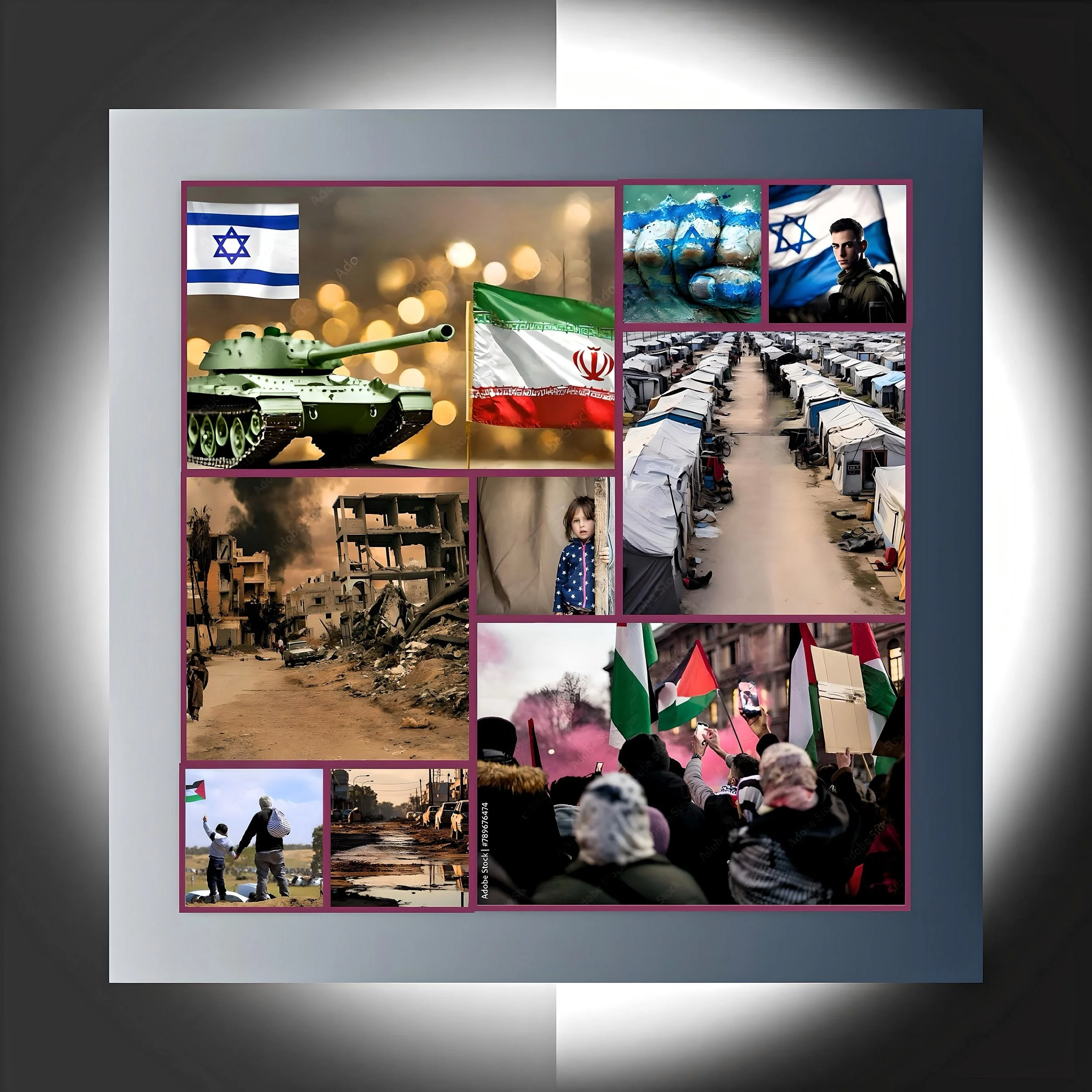
This proposal involves the forced displacement of approximately 2 million Palestinians to neighboring countries, with no right of return.
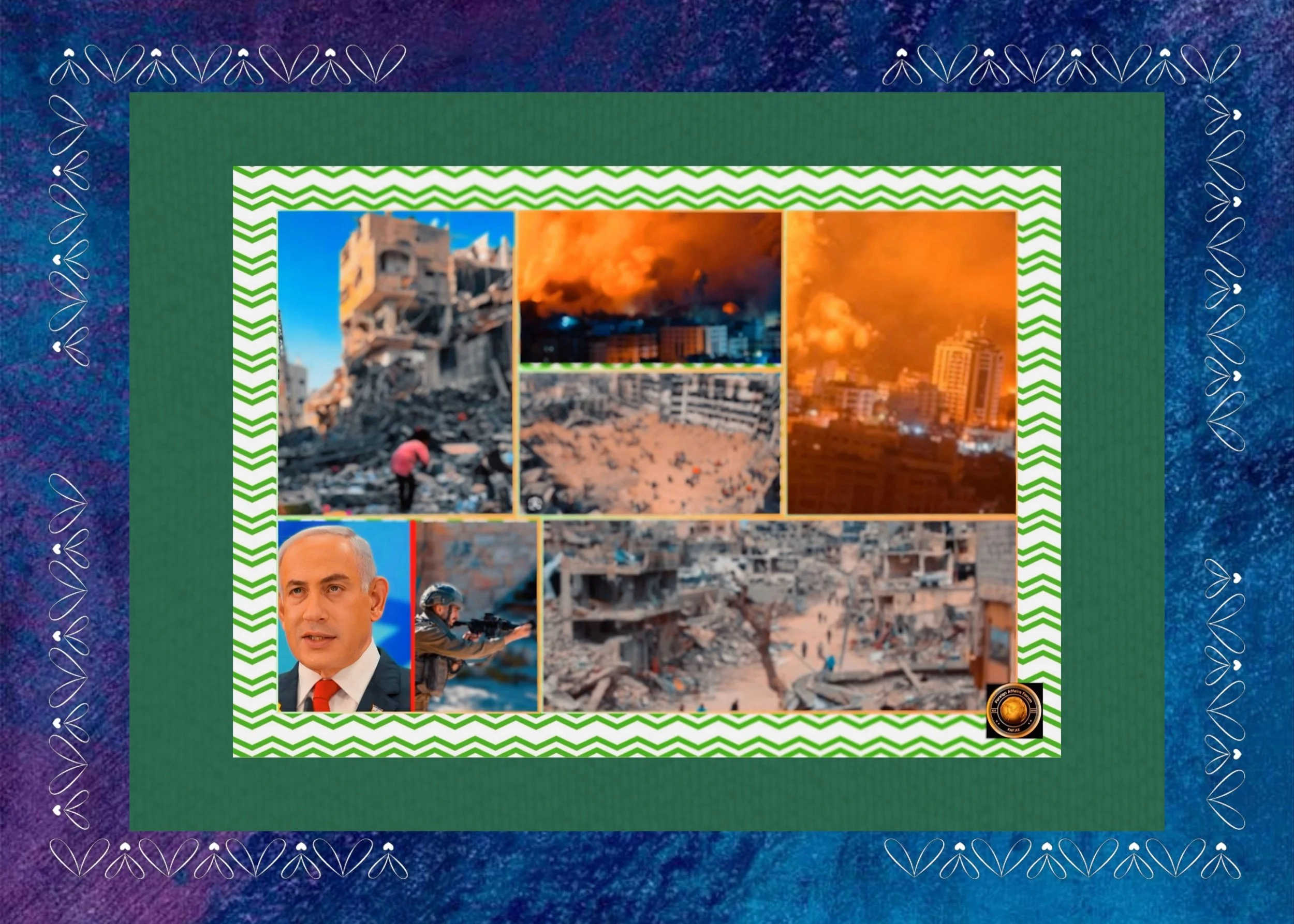
The plan calls for clearing over 50 million tonnes of debris and unexploded ordnance, a process that, according to BBC estimates, could take up to 21 years.
Under Trump’s vision, Gaza would be handed over to the United States by Israel after fighting, with Palestinians resettled in “far safer and more beautiful communities” in the region.
The president has emphasized that no US soldiers would be needed for this undertaking.
Trump’s proposal directly contradicts international law, as the forcible transfer of populations from occupied territory is strictly prohibited.
UN officials have characterized the plan as essentially involving the ethnic cleansing of Gaza.
Despite this legal framework, Trump has remained firm in his commitment to the proposal, stating unequivocally that Palestinians would not have a right to return.
Administrative Contradictions and Clarifications
Members of Trump’s administration have repeatedly attempted to moderate the president’s statements regarding Gaza, creating confusion about actual policy intentions.
Secretary of State Marco Rubio and White House spokeswoman Karoline Leavitt have suggested that any Palestinian displacement would be temporary, contradicting Trump’s explicit statements about permanent resettlement.
These officials have framed the proposal as temporary during the debris-clearing and reconstruction phases.
The contradictory messaging has created diplomatic challenges with regional partners.
Jordan’s King Abdullah has rejected Trump’s pleas to resettle Palestinians from Gaza, leading to high-level diplomatic meetings at the White House.
Egypt has similarly resisted the proposal, offering alternative plans that the US and Israel have rejected due to governance concerns.
Trump has responded to this resistance by stating he would “recommend” but not enforce his plan for an American takeover of Gaza.
However, he has also reinforced his original vision by declaring that “nobody is expelling any Palestinians” while simultaneously maintaining that they would not be permitted to return.
This semantic distinction reflects the administration’s attempt to balance radical policy objectives with diplomatic realities.
Jerusalem Day Violence and Extremist Incidents
Systematic Attacks on Palestinians
Jerusalem Day 2025 witnessed some of the most severe incidents of extremist violence against Palestinians in recent years.
Far-right Israeli nationalists chanted “Death to Arabs” and “May your village burn” while marching through Muslim neighborhoods of Jerusalem’s Old City.
These incidents occurred during the annual commemoration of Israel’s 1967 capture of east Jerusalem, an event that regularly becomes a flashpoint for nationalist tensions.
The violence involved systematic harassment and physical attacks on Palestinian residents and shopkeepers.
Young Israeli men specifically targeted Arab merchants operating in the Muslim Quarter, forcing many to close their shops early in anticipation of the march.
Videos circulated on social media showed activists from Standing Together, a left-wing Israeli organization providing a protective presence to Arab Israelis, being assaulted by rioters and escorted out by police.
One alarming incident involved far-right rioters backing Standing Together director Alon Lee Green into a door and kicking him in the back.
Other videos showed rioters swarming groups of Arab Israeli women and performing derogatory gestures.
Witnesses reported seeing children spitting on activists and demonstrators attempting to break police protective lines forcibly.
Government Response and Political Condemnation
Israeli opposition leaders issued strong condemnations of the Jerusalem Day violence, characterizing it as racist and shameful.
Opposition Leader Yair Lapid described the events as a “hate and racism festival” and called it “a disgrace and an insult to Judaism.”
Democratic Party chair Yair Golan similarly condemned the march, stating it represented “hate, racism, and thuggery” rather than love for Jerusalem.
The criticism extended beyond opposition figures to include broader concerns about government complicity.
Lapid noted that “government ministers who remain silent in the face of these events are complicit in the shame.”
This statement reflects growing concerns about the normalization of extremist violence under the current Israeli government coalition, which includes far-right parties.
National Security Minister Itamar Ben-Gvir, representing the Jewish Power party, addressed the crowd during the violence and advocated for the death penalty for “terrorists.”
Ben-Gvir also visited the Al-Aqsa mosque compound, a move that typically inflames tensions given the site’s religious significance to both Jews and Muslims.
His presence during the violence has been interpreted as a tacit endorsement of the extremist activities.
Police Response and Arrests
Israeli police deployed thousands of officers throughout Jerusalem, particularly at Old City entrances and the Western Wall area.
Despite this heavy security presence, the police response to the violence has been criticized as inadequate.
Officers arrested several individuals on suspicion of disorderly conduct, assault, and threats, but the scope of arrests appeared limited relative to the widespread nature of the violence.
Two specific arrests were made for pepper-spraying citizens on the street. Police also responded to what they characterized as “dozens of suspects on suspicion of disorderly conduct, assault, and threats.”
However, video evidence suggests that police were primarily focused on protecting extremist marchers rather than preventing attacks on Palestinians.
The placement of cardboard signs reading “Belongs to a Jew,” “Jewish-owned,” and “Do not damage” on ATMs throughout the Old City reflects the systematic nature of the intimidation campaign.
These actions, combined with the chanting of eliminationist slogans, demonstrate the organized character of extremist violence rather than spontaneous outbursts.
Conclusion
The simultaneous developments of ceasefire negotiations and Jerusalem Day violence illustrate the fundamental tensions plaguing Israeli-Palestinian relations.
While diplomatic channels show potential for temporary agreements on hostage releases and humanitarian access, the persistence of extremist violence demonstrates the deeper structural challenges to sustainable peace.
Trump’s radical vision for Gaza, involving the permanent displacement of Palestinians and US ownership of the territory, represents a significant departure from international law and traditional diplomatic frameworks.
The contrast between diplomatic progress and street-level violence suggests that any ceasefire agreement will face substantial implementation challenges.
The normalization of anti-Palestinian violence during religious and national celebrations, combined with government officials’ tacit support for extremist positions, creates an environment that undermines broader peace efforts.
Moving forward, successful implementation of any ceasefire agreement will require not only compliance from military organizations but also meaningful action to address the systematic dehumanization and violence that continues to characterize intercommunal relations in Jerusalem and the broader region