The Golden Dome Missile Defense System: A Comprehensive Analysis of America’s $175 Billion Space-Based Shield
Introduction
The Golden Dome represents a paradigmatic shift in missile defense strategy, proposing the first comprehensive space-based interceptor network in history with unprecedented scope and ambition.
This multilayered defense initiative, announced by President Trump with an estimated $175 billion price tag, has ignited intense international debate regarding its technical feasibility, strategic implications, and potential to alter global security dynamics fundamentally.
Per Defense.Forum, the system’s revolutionary approach to missile defense, incorporating space-based sensors and interceptors capable of engaging threats from anywhere on Earth, positions it as both a technological marvel and a source of significant geopolitical tension.
It has drawn sharp criticism from major powers while highlighting the evolving nature of 21st-century warfare.
System Architecture and Capabilities
Golden Dome’s Revolutionary Design
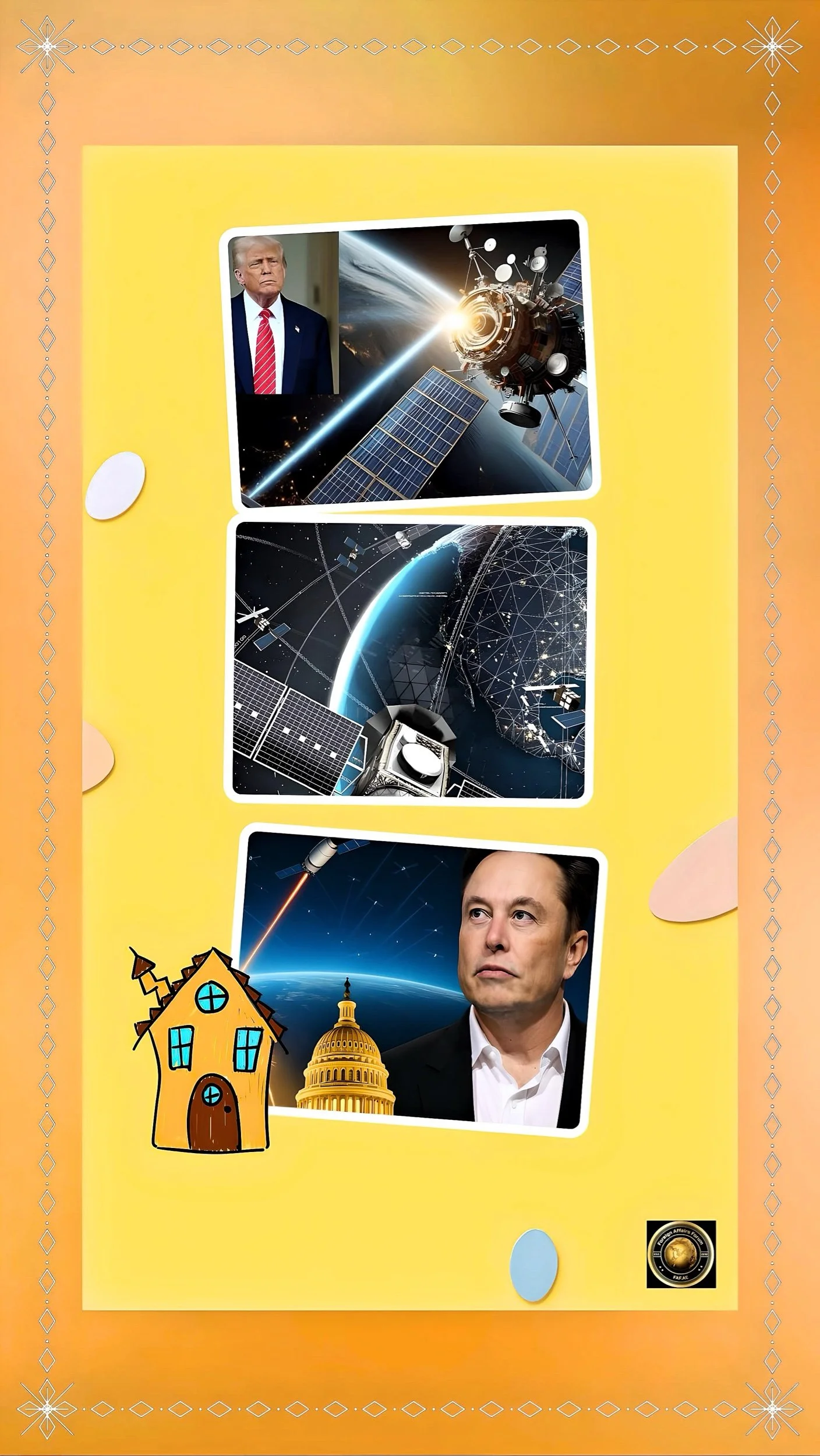
The Golden Dome represents a fundamental departure from traditional ground-based missile defense systems, introducing what Trump described as “next-generation technologies across the land, sea, and space, including space-based sensors and interceptors.”
This comprehensive approach envisions a multilayered defense network capable of intercepting missiles “even if they are launched from other sides of the world, and even if they are launched from space.”
The system’s architecture incorporates multiple engagement phases: detecting and destroying missiles before launch, intercepting them early in the flight, halting them midcourse, and stopping them in the final moments before impact.
The initiative builds upon existing American defense capabilities while introducing entirely new space-based components that would mark the first deployment of U.S. weapons in space.
According to Defense Secretary Pete Hegseth, the system aims to protect “the homeland from cruise missiles, ballistic missiles, hypersonic missiles, drones, whether they’re conventional or nuclear.”
This broad spectrum of threats reflects the system’s ambitious scope. It is designed to counter emerging technologies that have challenged traditional missile defense paradigms.
Implementation Timeline and Leadership
President Trump has set an aggressive timeline for the Golden Dome, aiming for operational capability before the end of his current term in 2029.
U.S. Space Force General Michael Guetlein, a four-star general with thirty years of experience in missile defense and space systems, has been assigned to lead the project.
A GOP-led reconciliation bill proposes initial funding of $25 billion, though the funding path remains uncertain amid congressional opposition.
The system’s development faces significant technical challenges. Air Force Secretary Troy Meink acknowledges that the program remains “still in the conceptual stage” and that the Pentagon is still developing the dome's requirements.
Despite these early-stage uncertainties, Trump has expressed confidence in the system’s potential, describing it as “very important for the success and even survival of our country.”
Comparative Analysis with ExistinThe Systems
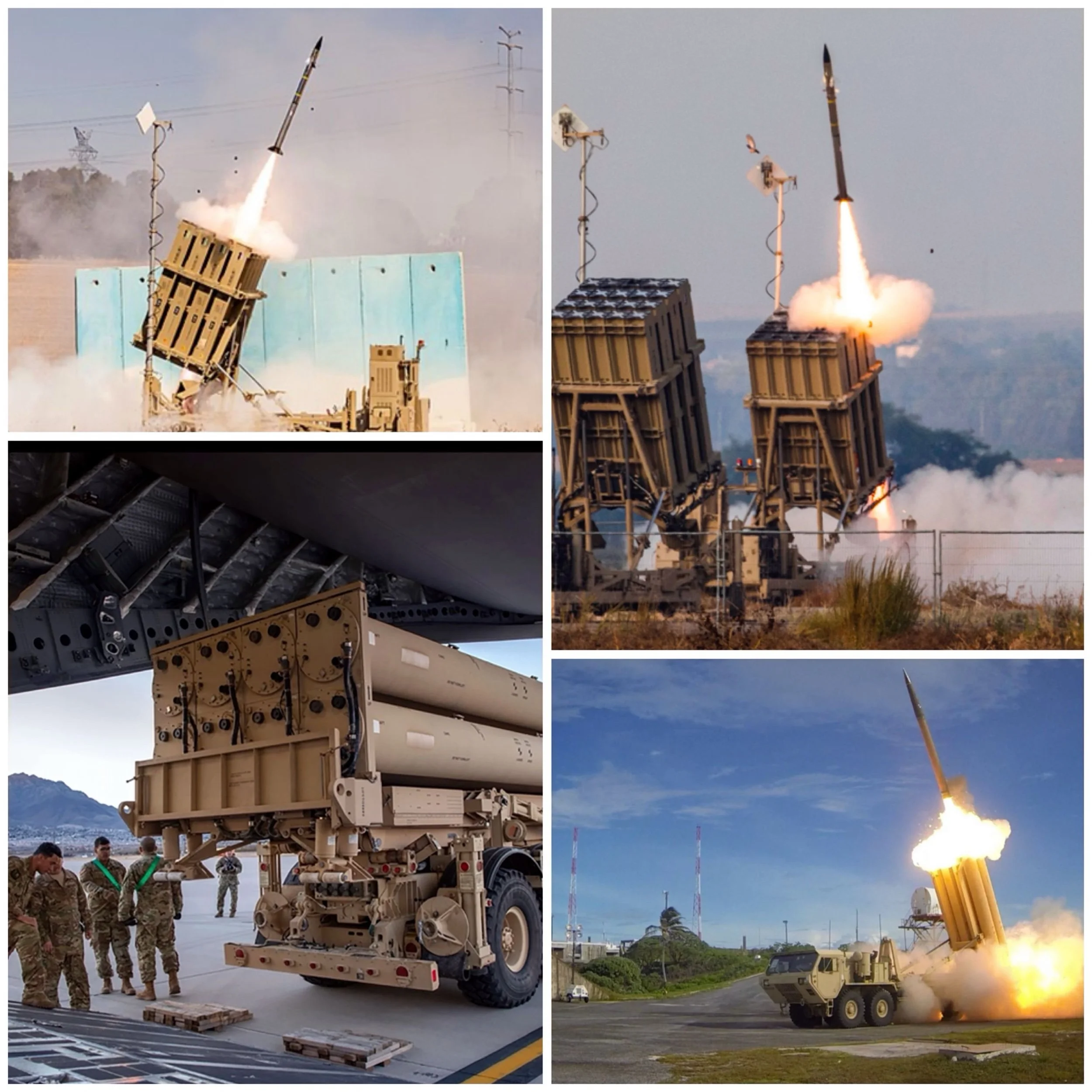
Altitude Area Defense (THAAD) system represents American missile defense capabilities.
It is explicitly designed for terminal-phase interception of short-, medium-, and intermediate-range ballistic missiles.
THAAD operates with a focused mission scope, using hit-to-kill technology to destroy incoming threats through kinetic energy rather than explosive warheads.
The system’s operational parameters include an interception range of 125 miles (200 km) and an altitude capability of up to 93 miles (150 km).
THAAD’s proven track record includes its first operational interception of a hostile medium-range ballistic missile in the UAE in January 2022.
The system’s mobility and rapid deployment capabilities have made it valuable for protecting allied territories, with deployments in South Korea, Israel, Romania, and the UAE.
Each THAAD battery comprises at least six launcher vehicles equipped with eight missiles, supported by mobile tactical operations centers and AN/TPY-2 ground-based radar systems.
The system's limitations become apparent compared to the Golden Dome’s ambitious scope.
While THAAD excels at terminal-phase interception within Earth’s atmosphere and immediate exoatmospheric space, it lacks the comprehensive coverage and space-based capabilities envisioned for the Golden Dome.
THAAD’s regional focus contrasts sharply with the Golden Dome’s global protection mandate.
Russia’s S-500: Advanced Multi-Domain Defense
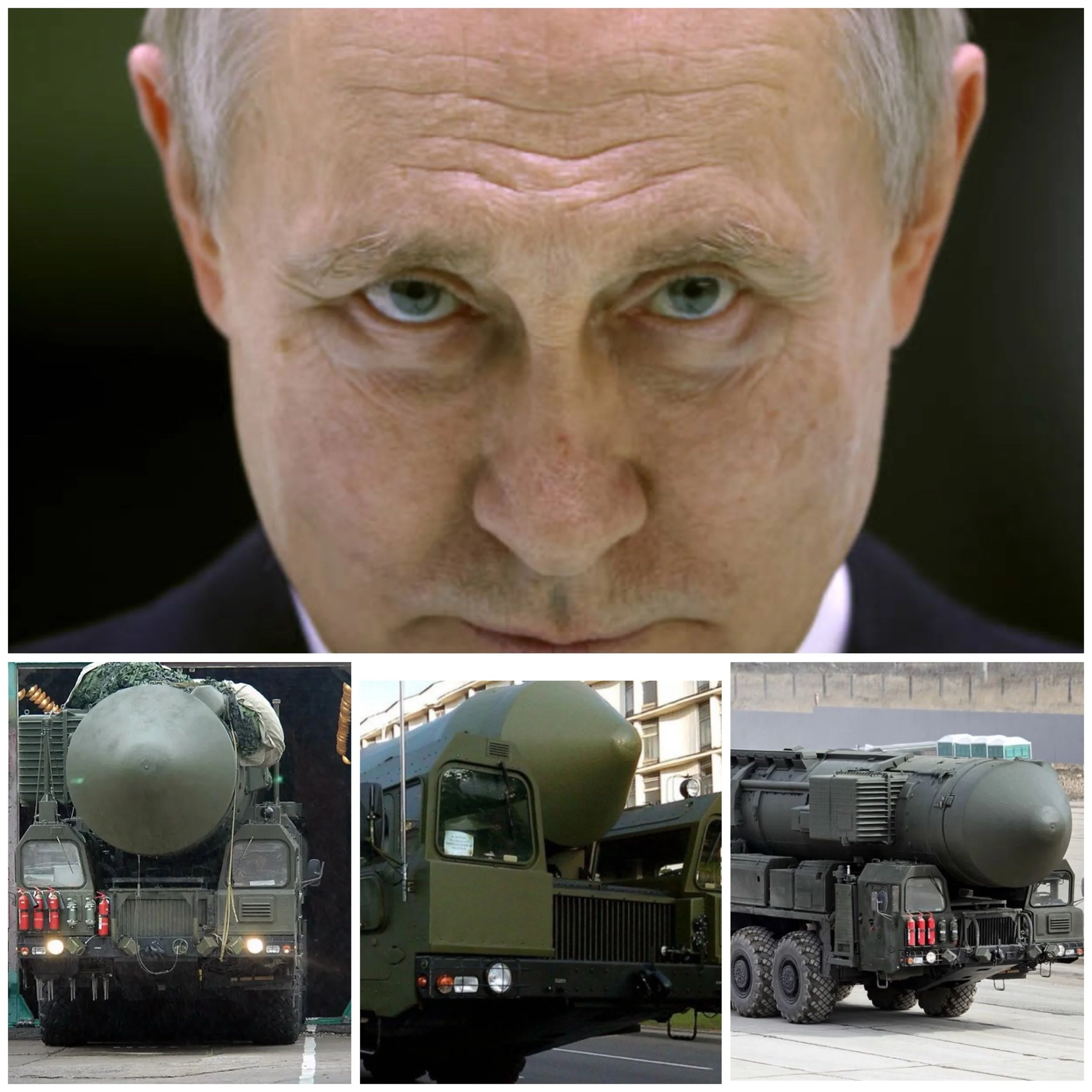
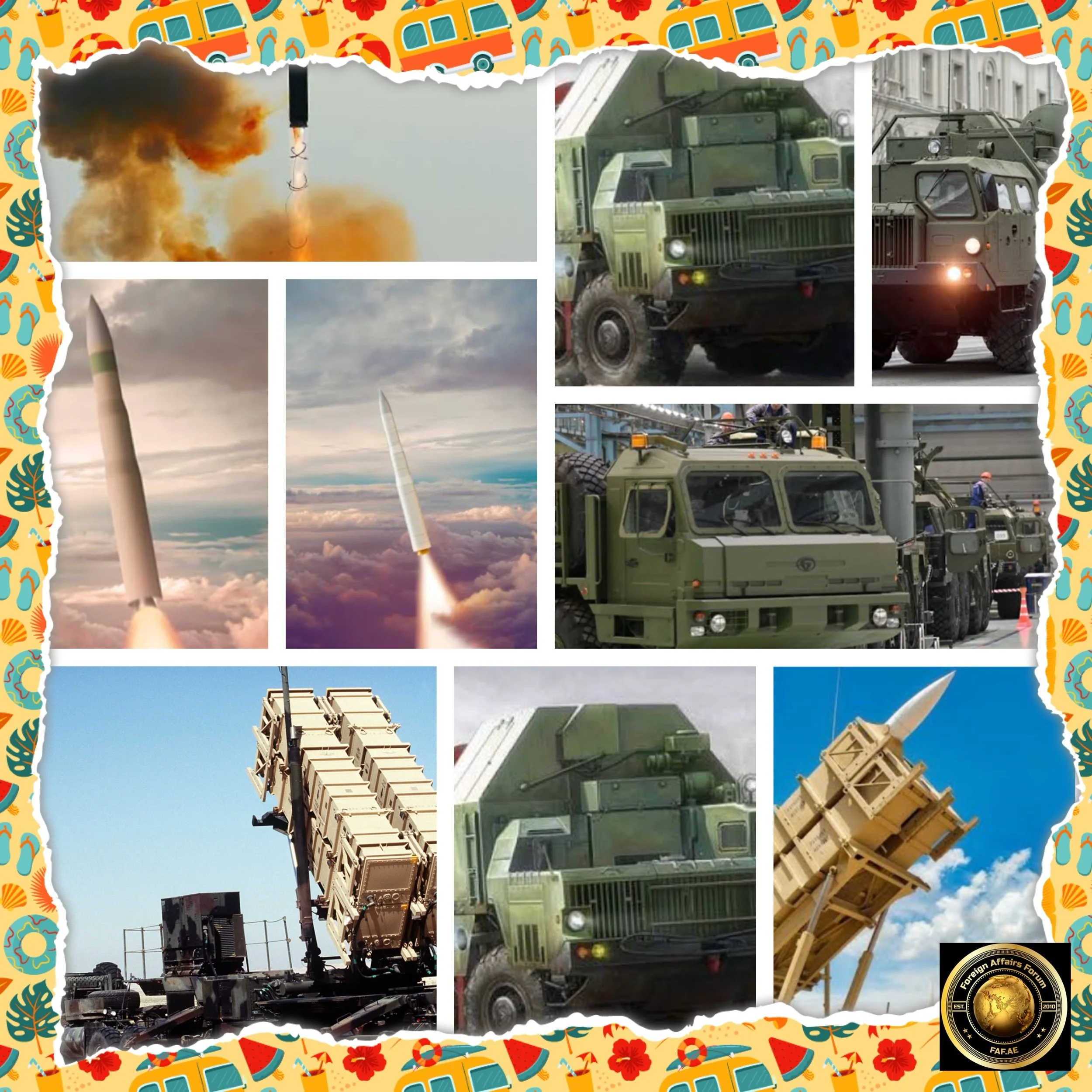
Russia’s S-500 Prometheus system represents a significant advancement over previous Russian air defense technologies, designed to counter ballistic missiles, hypersonic cruise missiles, aircraft, and space-based threats.
The system’s impressive specifications include ranges of 600 km for anti-ballistic missile missions and 500 km for air defense, with altitude engagement capabilities reaching 180-200 km.
The S-500 can simultaneously engage 10 ballistic hypersonic targets traveling up to 7 km/s.
One of the S-500’s most notable features is its rapid response time of less than 4 seconds, significantly faster than the S-400’s 10-second response time.
Russian officials have confirmed the system’s anti-satellite capabilities, which include the ability to target low-earth orbit satellites and space weapons.
This space-based threat engagement capability positions the S-500 as a direct competitor to the proposed Golden Dome in terms of strategic implications.
The S-500’s integration with existing Russian defense networks, including the S-400 and S-300 systems, creates a layered defense structure designed to counter NATO’s advanced air and missile capabilities.
Russia began serial production in 2021, with initial deployment around Moscow Oblast planned for 2025. The system’s proven development timeline contrasts with the Golden Dome’s conceptual status.
Cost Analysis and Economic Implications
Golden Dome Financial Projections
The Golden Dome’s financial scope represents one of the most ambitious defense expenditures in recent American history.
President Trump’s estimate of $175 billion appears conservative compared to projections by the Congressional Budget Office, which estimated costs between $161 billion and $542 billion over 20 years for space-based interceptors alone.
The significant variance in cost estimates reflects the technical uncertainties surrounding space-based missile defense systems.
Initial funding proposals include $25 billion through a GOP-led reconciliation bill, though conservative and moderate Republicans oppose this.
The funding challenges highlight the political difficulties surrounding such massive defense expenditures, particularly given the system’s unproven technology and uncertain timeline.
Comparative System Costs
The cost comparison between major missile defense systems reveals the Golden Dome’s exceptional financial requirements.
THAAD systems cost between $1.25 billion and $1.8 billion per battery, with individual missiles priced at $12.6 million each.
A complete THAAD deployment for the United States requires at least six batteries, bringing total costs to approximately $7.5-10.8 billion.
Russia’s S-500 system costs have escalated significantly, from $700-800 million per system in 2020 to up to $2.5 billion in 2023, reflecting sanctions impacts and production challenges.
For comparison, the Russian S-500 program involves ten systems under the State Armament Programme 2020, representing an investment of approximately $7-25 billion.
The Golden Dome’s projected costs dwarf these established systems by orders of magnitude.
Even conservative estimates suggest the Golden Dome would cost 7-17 times more than a complete American THAAD deployment and potentially 20-70 times more than Russia’s entire S-500 program.
These comparisons underscore the extraordinary financial commitment required for space-based missile defense.
Historical Cost Growth Patterns
Academic literature on defense acquisition programs indicates average cost growth rates of 20-30 percent for strategic missile and space programs.
However, missile defense programs have historically experienced much higher cost escalation rates, with some estimates suggesting growth rates approaching 100 percent for complex systems.
The Theater High Altitude Area Defense program exemplifies this pattern, with costs for THAAD and PAC-3 systems rising from an original $12 billion estimate to over $20 billion.
Controversial Aspects and Strategic Implications
Space Militarization Concerns
The Golden Dome’s most controversial aspect involves explicitly militarizing space through orbital interceptor deployment.
This represents a fundamental shift in space-based military capabilities, introducing weapons systems into an environment previously dominated by surveillance and communication satellites.
Russian Foreign Ministry spokesperson Maria Zakharova characterized this as reflecting “a perilous US doctrine focused on so-called preemptive—essentially, first—disarming strikes.”
The space-based component raises concerns about weaponizing orbital environments and potential violations of international space law frameworks.
China’s Foreign Ministry spokesperson Mao Ning warned that the Golden Dome possesses a “marked offensive character, " destabilizing the international security framework.
These concerns reflect broader anxieties about space becoming a domain for military confrontation rather than peaceful cooperation.
Arms Race Implications
Multiple international observers have characterized the Golden Dome as a catalyst for a new arms race in both nuclear and space-based weapons systems.
North Korea’s foreign ministry described the system as “the root cause of sparking off a global nuclear and space arms race by stimulating the security concerns of nuclear weapons states and turning outer space into a potential nuclear war field.”
The system’s comprehensive missile interception capabilities could potentially undermine the strategic nuclear deterrence balance that has maintained relative stability since the Cold War.
Russia and China have expressed particular concern about the system’s potential to neutralize their strategic nuclear forces, potentially compelling them to develop countermeasures or expand their offensive capabilities.
Technical Feasibility Questions
Despite ambitious timelines and claims of capabilities, significant technical challenges remain unresolved.
The complexity of space-based missile defense systems has historically proven problematic, with numerous previous attempts falling short of initial projections.
The requirement for real-time coordination between ground, sea, and space-based components presents unprecedented systems integration challenges.
The Pentagon’s acknowledgment that the program remains in the “conceptual stage” with undefined requirements suggests substantial technical hurdles ahead.
Historical experience with missile defense programs indicates that technical challenges often lead to significant delays and cost overruns, potentially affecting the Golden Dome’s ambitious 2029 operational timeline.
International Reactions and Diplomatic Implications
Chinese Opposition
China has emerged as the most vocal opponent of the Golden Dome initiative, with Foreign Ministry spokesperson Mao Ning expressing “serious concern” and urging the United States to “abandon the development and deployment of a global missile defense system as soon as possible.”
Chinese officials argue that the system contradicts principles of collective security and undermines global strategic balance.
The Chinese response reflects broader concerns about American military expansion in space and its potential impact on China’s space-based assets and strategic capabilities.
China’s criticism extends beyond diplomatic protests, including warnings about the system’s destabilizing effects on international arms control efforts.
Russian Perspectives
Russia’s response to the Golden Dome has evolved from initial sharp criticism to more measured diplomatic language.
Russian Foreign Ministry spokesperson Maria Zakharova initially characterized the project as a “reckless approach” that poses a “deeply destabilizing” threat to global strategic stability.
Russian officials criticized the system’s space-based components as evidence of American intentions to militarize space.
However, following a phone conversation between President Trump and President Putin, Kremlin spokesman Dmitry Peskov adopted a more conciliatory tone, describing the Golden Dome as a “sovereign matter” for the United States.
This shift suggests potential Russian recognition of American defensive concerns while maintaining underlying objections to space militarization.
North Korean Condemnation
North Korea has issued some of the most substantial criticism of the Golden Dome, with Pyongyang’s foreign ministry calling the system a “very dangerous ‘threatening initiative’ aimed at threatening the strategic security of nuclear weapons states.”
The Korean Central News Agency accused the United States of being “hell-bent on the moves to militarize outer space.”
North Korea’s opposition reflects its particular vulnerability to advanced missile defense systems, given its reliance on ballistic missile capabilities for strategic deterrence.
The country’s criticism also aligns with its broader narrative of American military aggression and threats to regional stability.
Allied and Partner Responses
Canada has expressed interest in participating in the Golden Dome project, with President Trump confirming ongoing discussions about Canadian involvement.
This interest reflects Canada’s geographic vulnerability to ballistic missile threats and its traditional defense cooperation with the United States.
However, specific details about international participation remain limited, and Prime Minister Mark Carney’s office has not yet issued formal statements about Canadian involvement.
The limited international support contrasts with the extensive opposition from major powers, highlighting the project’s divisive nature within the global community.
Conclusion
The Golden Dome missile defense system represents a watershed moment in modern military technology and international security relations. It proposes capabilities that would fundamentally alter the strategic balance of power while introducing unprecedented complexity and cost.
Its ambitious scope, encompassing global missile interception capabilities and space-based weapons deployment, positions it as either a revolutionary defensive breakthrough or a dangerous escalation of space militarization.
The system’s projected costs, potentially exceeding half a trillion dollars, dwarf existing missile defense investments while raising serious questions about fiscal sustainability and opportunity costs within broader defense priorities.
The technical challenges facing the Golden Dome reflect the inherent complexity of space-based missile defense systems, with historical precedents suggesting significant risks of cost overruns and schedule delays.
Comparisons with proven systems like THAAD and Russia’s S-500 highlight the ambitious nature of the Golden Dome’s capabilities and the substantial technological leaps required for successful implementation.
While these existing systems demonstrate the feasibility of advanced missile defense within specific operational parameters, the Golden Dome’s global scope and space-based architecture venture into largely unproven territory.
The international reaction to the Golden Dome reveals its profound implications for global security architecture. Significant powers expressed concerns about the acceleration of the arms race and space militarization.
The diplomatic responses from China, Russia, and North Korea underscore the system’s potential to reshape strategic relationships and complicate existing arms control frameworks.
The Golden Dome’s development will likely serve as a critical test of American technological capabilities, fiscal priorities, and commitment to space-based defense in the face of determined international opposition and substantial technical challenges.