The Future of the Arctic: Geopolitical Competition, Resource Scarcity, and Strategic Realignments
Introduction
The Arctic has emerged as a critical stage for geopolitical competition, driven by melting ice caps, untapped resource wealth, and shifting alliances.
The region’s future is increasingly shaped by the strategic maneuvers of Russia, the United States, China, and Denmark (through Greenland), with militarization, resource extraction, and sovereignty disputes dominating the agenda.
Russia’s military expansion and energy projects, the U.S.’s renewed focus on Greenland, China’s Polar Silk Road ambitions, and Denmark’s defensive investments reflect a fragmented Arctic governance framework.
Meanwhile, Finland and Sweden’s NATO accession has altered regional security dynamics, amplifying tensions with Russia.
As climate change accelerates access to shipping routes and minerals, the Arctic’s strategic importance will intensify, raising risks of conflict and necessitating recalibrated international cooperation.
Geopolitical Tensions and Military Buildup in the Arctic
Russia’s Arctic Militarization and Strategic Posturing
Russia has prioritized Arctic militarization, reactivating Soviet-era bases and deploying nuclear-capable assets to secure its northern flank.
The Nagurskoye air base, equipped with advanced missile systems and strategic bombers, underscores Moscow’s intent to dominate the Northern Sea Route (NSR).
Russia’s Northern Fleet, including nuclear-powered icebreakers and submarines, patrols Arctic waters, ensuring control over emerging shipping lanes and energy reserves.
President Vladimir Putin has framed these efforts as essential for national security, citing NATO’s encroachment and the need to protect Russia’s “historical interests.”
The 2023 joint Sino-Russian military exercises in the Bering Sea and subsequent aerial patrols near Alaska highlight deepening coordination between Moscow and Beijing, challenging U.S. dominance.
Despite overtures for Western collaboration on Arctic trade routes—such as discussions during U.S.-Russia talks in Saudi Arabia in February 2025—the Kremlin remains wary of NATO’s expanded presence.
U.S. Strategic Reorientation and the Greenland Gambit
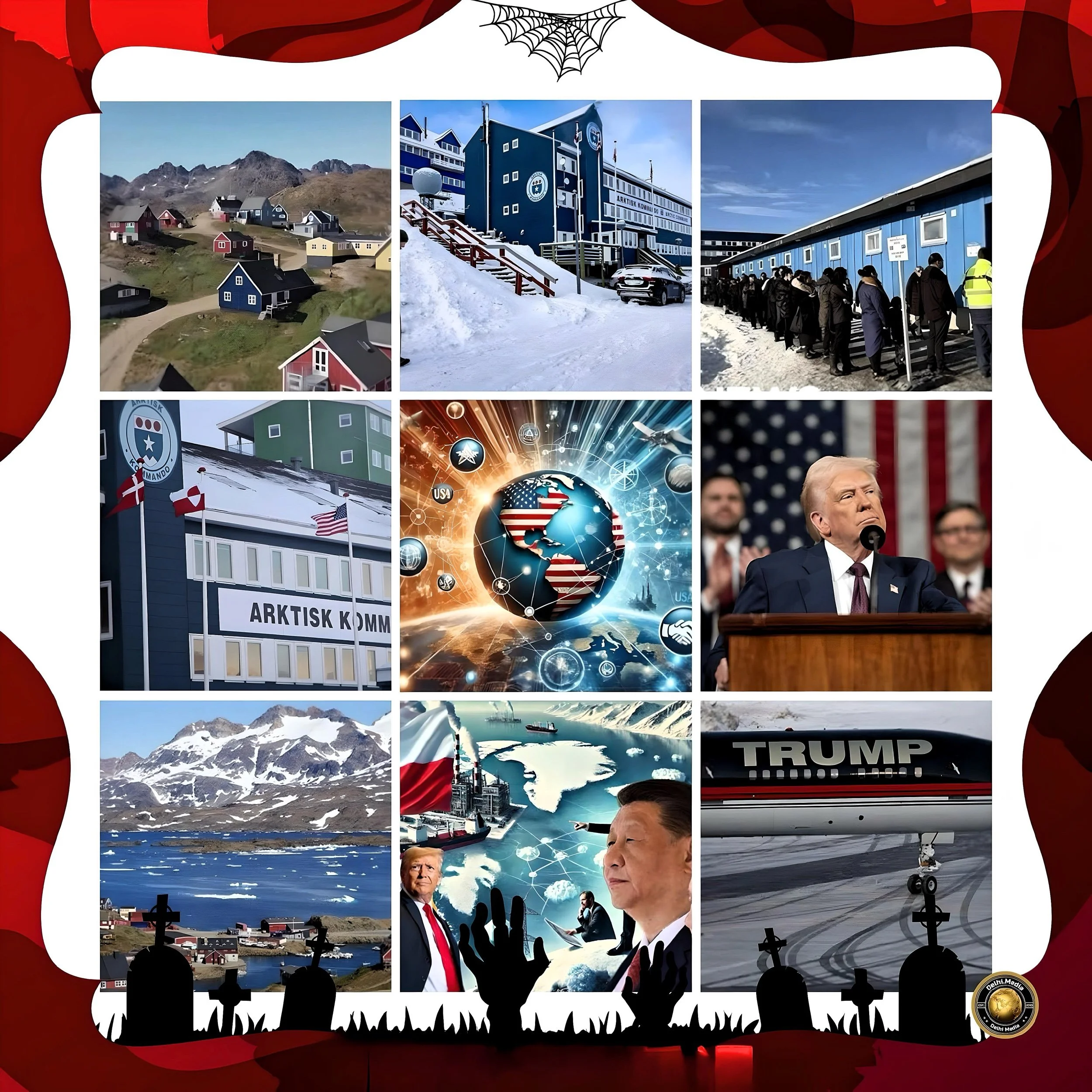
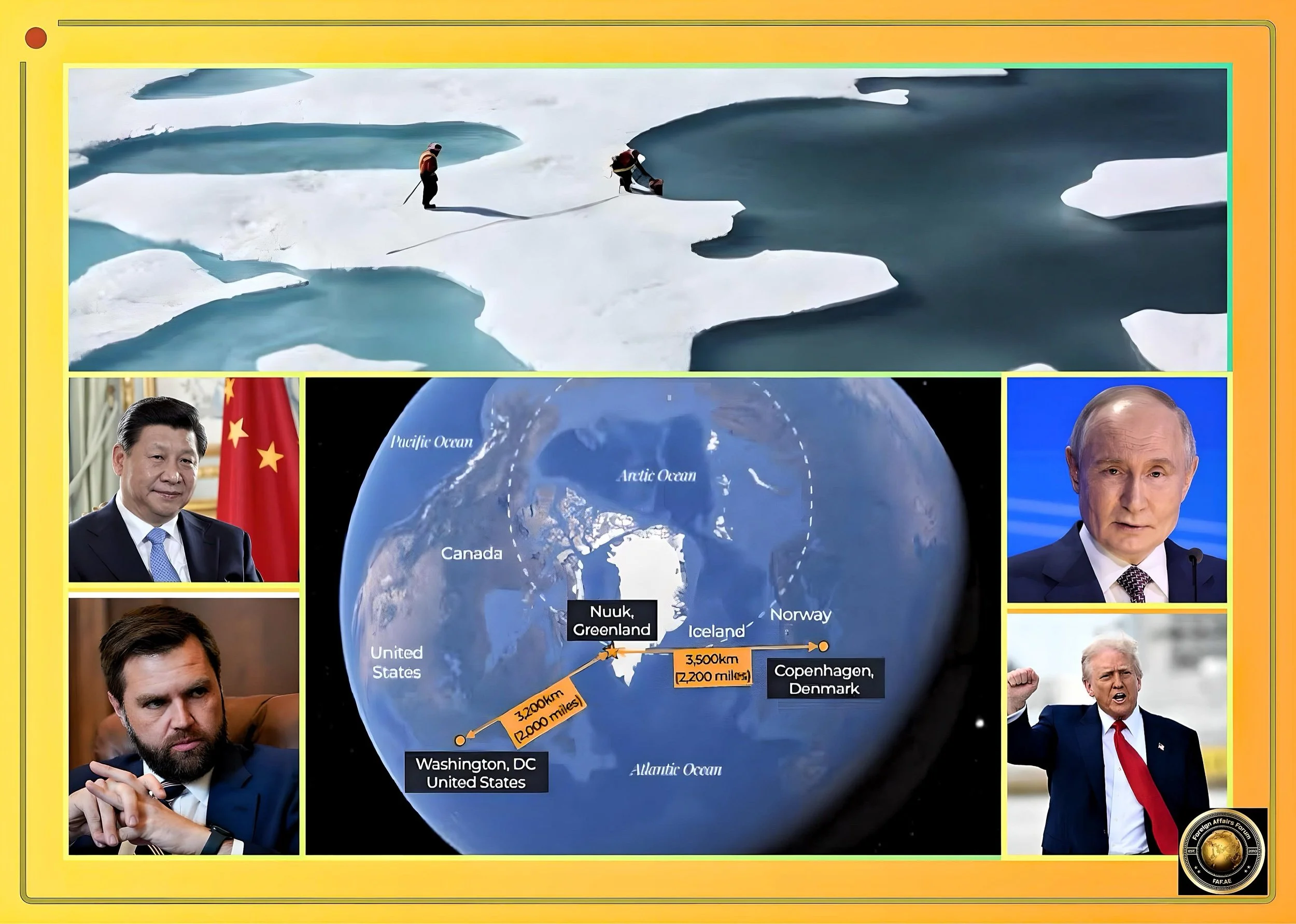
The United States has recalibrated its Arctic strategy under President Donald Trump, centering on Greenland’s annexation for its geopolitical and resource value.
Trump’s assertion that “we need Greenland for international safety” reflects concerns over Russian and Chinese influence in the region.
The Pituffik Space Base, a U.S. military installation in northern Greenland, is pivotal for missile defense and satellite tracking, yet Trump argues Denmark’s stewardship is inadequate.
Vice President JD Vance’s controversial visit to Greenland in March 2025, initially planned as a cultural tour but reframed as a security assessment, exacerbated tensions with Copenhagen.
The U.S. Department of Defense views Greenland’s rare earth deposits—critical for green energy and defense technologies—as a strategic counterweight to China’s monopoly.
However, Trump’s unilateral approach risks alienating European allies, with Danish Prime Minister Mette Frederiksen condemning annexation rhetoric as violating international law.
NATO’s Arctic Expansion: Finland and Sweden’s Role
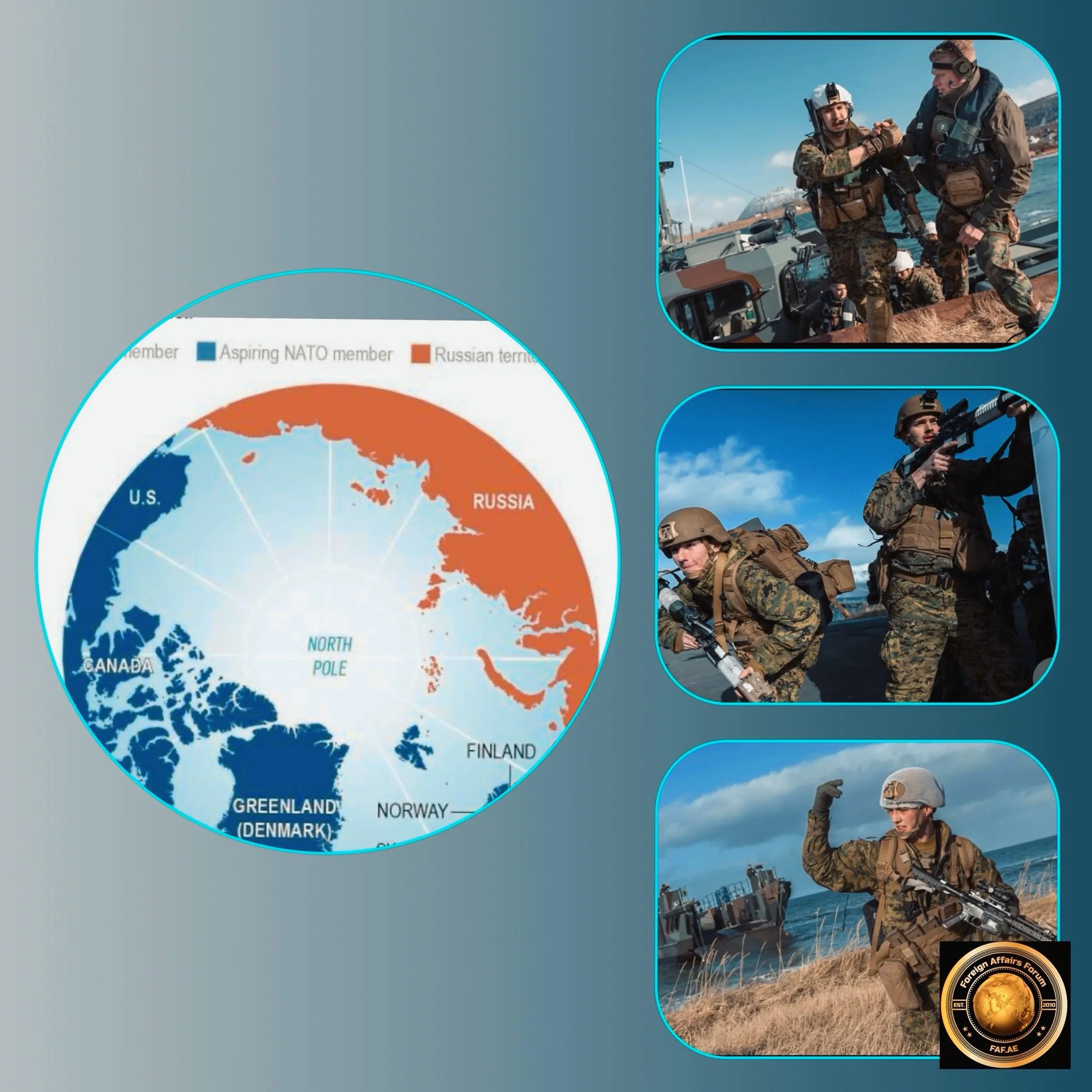
Finland and Sweden’s accession to NATO in 2024 marked a seismic shift in Arctic security, unifying all Arctic Council members except Russia under the alliance.
Their advanced Arctic capabilities—including Sweden’s iron ore reserves and satellite infrastructure—bolster NATO’s surveillance and deterrence capacities. Joint exercises with Norway and the U.S. aim to counter Russia’s Northern Fleet, though analysts caution that geographic constraints limit their impact east of the Baltic Sea.
Resource Competition and Economic Interests
The Scramble for Rare Earths and Hydrocarbons
The Arctic holds an estimated 30% of the world’s undiscovered natural gas and 13% of its oil, alongside vast rare earth element (REE) deposits essential for renewable energy technologies.
Greenland’s Kvanefjeld project, backed by China’s Shenghe Resources, exemplifies the race to secure REEs, though Western sanctions and local opposition have stalled progress. Russia’s Rosneft and U.S.
ExxonMobil previously collaborated on Arctic oil exploration, but post-2014 sanctions forced Western firms to withdraw, ceding ground to Russian and Chinese state enterprises.
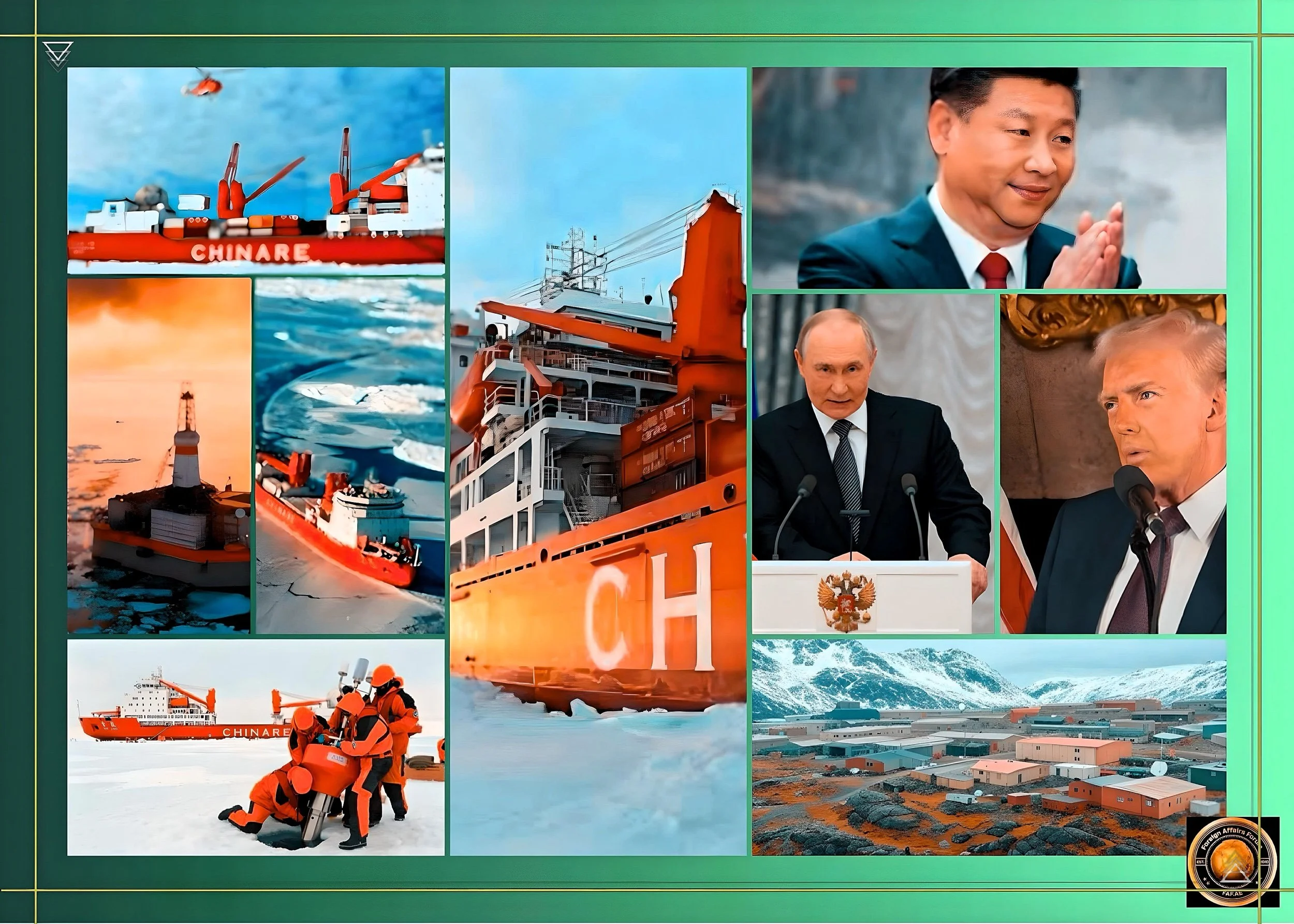
China’s 2018 “Polar Silk Road” initiative seeks to integrate Arctic shipping lanes into its Belt and Road network, leveraging investments in Nordic ports and mining ventures.
However, Greenland’s rejection of Chinese-funded airport projects in 2019 signaled growing skepticism of Beijing’s influence.
Greenland’s Sovereignty and Resource Nationalism
Greenland’s pursuit of independence from Denmark is complicated by external powers vying for its resources. While 85% of Greenlanders oppose U.S. annexation, many support leveraging foreign investment to achieve economic self-sufficiency.
The 2025 Nordic Investment Bank loan for airport upgrades reflects Nuuk’s strategy to balance autonomy with strategic partnerships.
Denmark’s $14.6 billion Arctic defense package, announced in January 2025, aims to reinforce Greenland’s sovereignty through enhanced naval patrols and satellite surveillance.
Yet Trump’s threats to withhold security guarantees unless Greenland is ceded expose fissures in transatlantic trust.
China’s Arctic Ambitions and Sino-Russian Collaboration
China’s “Near-Arctic” Doctrine and Economic Inroads
China’s self-designation as a “near-Arctic state” 2018 formalized its ambitions to shape regional governance and access resources. Investments in Greenland’s mining sector (totaling $2 billion between 2012 and 2018) and partnerships with Russian energy firms underscore Beijing’s dual focus on economic and strategic gains.
The 2023 Sino-Russian Coast Guard patrols in the Arctic and joint military drills near Alaska demonstrate growing security alignment, though analysts note inherent tensions over competing resource claims.
The Polar Silk Road and Shipping Lanes
Melting ice caps are opening the NSR and Northwest Passage, reducing shipping times between Europe and Asia by 40%. China’s COSCO has conducted trial voyages along the NSR, while Russia offers preferential tariffs to attract Asian cargo.
However, the U.S. and Canada contest Russia’s regulatory control, advocating for internationalized governance under the United Nations Convention on the Law of the Sea (UNCLOS).
Environmental and Legal Challenges
Climate Change and Access Paradox
The Arctic is warming four to seven times faster than the global average, and summer sea ice is projected to disappear by 2050.
While this facilitates resource extraction and shipping, it also accelerates coastal erosion and disrupts indigenous communities. Environmental groups warn that oil spills in icy waters could cause irreparable ecological damage, yet regulatory frameworks remain fragmented.
Sovereignty Disputes and International Law
The U.S.’s non-ratification of UNCLOS weakens its legal standing in Arctic maritime disputes despite its claim to an extended continental shelf off Alaska.
Russia’s 2007 flag-planting at the North Pole seabed and Trump’s annexation threats highlight the inadequacy of existing governance mechanisms. The Arctic Council, once a forum for cooperation, is increasingly sidelined by bilateral deals and militarization.
Conclusion
A Fractured Future
The Arctic’s trajectory points toward heightened militarization, resource nationalism, and great-power rivalry. Russia’s entrenchment, China’s economic inroads, and the U.S.’s unilateralism threaten to marginalize smaller Arctic states like Denmark and Greenland.
While NATO’s expansion offers a counterbalance, the lack of a cohesive Arctic strategy risks escalation. Multilateral institutions must adapt to address climate impacts and sovereignty disputes, but current trends suggest a fragmented, competitive Arctic order.
The region’s future hinges on whether economic interdependence can temper geopolitical ambitions—or whether the “Cold Rush” will plunge it into conflict.