Keir Starmer’s Warning: “The World As We Knew It Has Gone”
Introduction
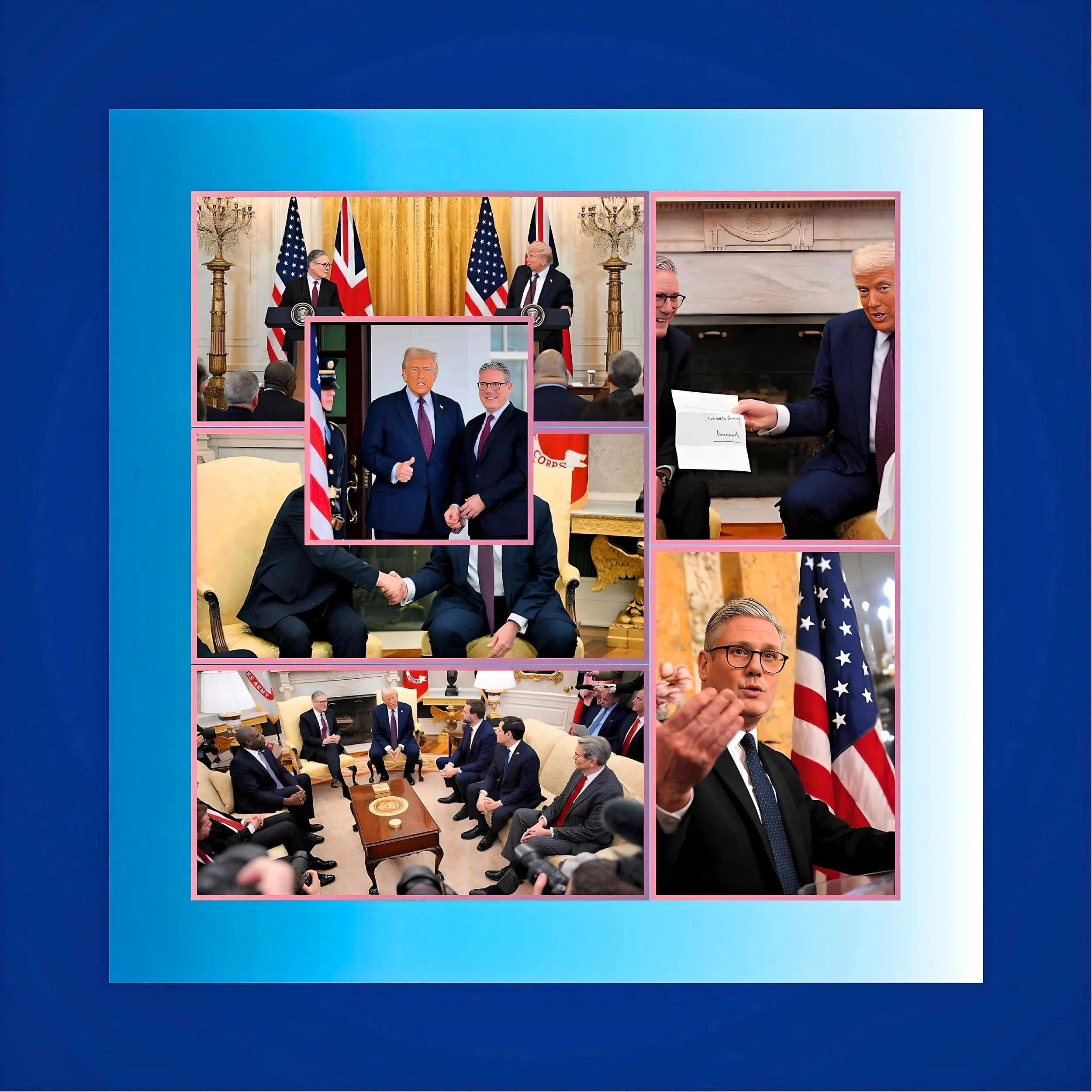
Prime Minister Keir Starmer has issued a stark assessment of the global economic landscape in response to Donald Trump’s sweeping tariff announcements, declaring that “the world as we knew it has gone.”
This eight-word warning signals a fundamental shift in how the UK government views international trade relations and signals potential significant policy changes to protect British interests in this new economic reality.
The Context of Starmer’s Warning
Starmer’s declaration came in an article published in The Sunday Telegraph, where he laid out his government’s response to the first round of global tariffs imposed by President Trump that took effect on April 5, 2025.
The Prime Minister’s warning reflects his assessment that the post-Cold War era of globalization and rules-based international trade is transforming profoundly. “First, it was defense and national security. Now, it is the global economy and trade.
The old assumptions we took for granted can no longer be relied upon,” Starmer wrote in his article.
This statement's timing is significant. It comes just after Trump’s 10% baseline tariff on most imports to the United States, with even higher tariffs set to follow on April 9 for 57 countries, including key allies such as the UK, Japan, and the entire European Union.
While the UK received a 10% tariff, lower than imposed on the European Union (20%) and China (34%), it still represents a significant challenge to British exporters and the broader economy.
Immediate Impact on British Business
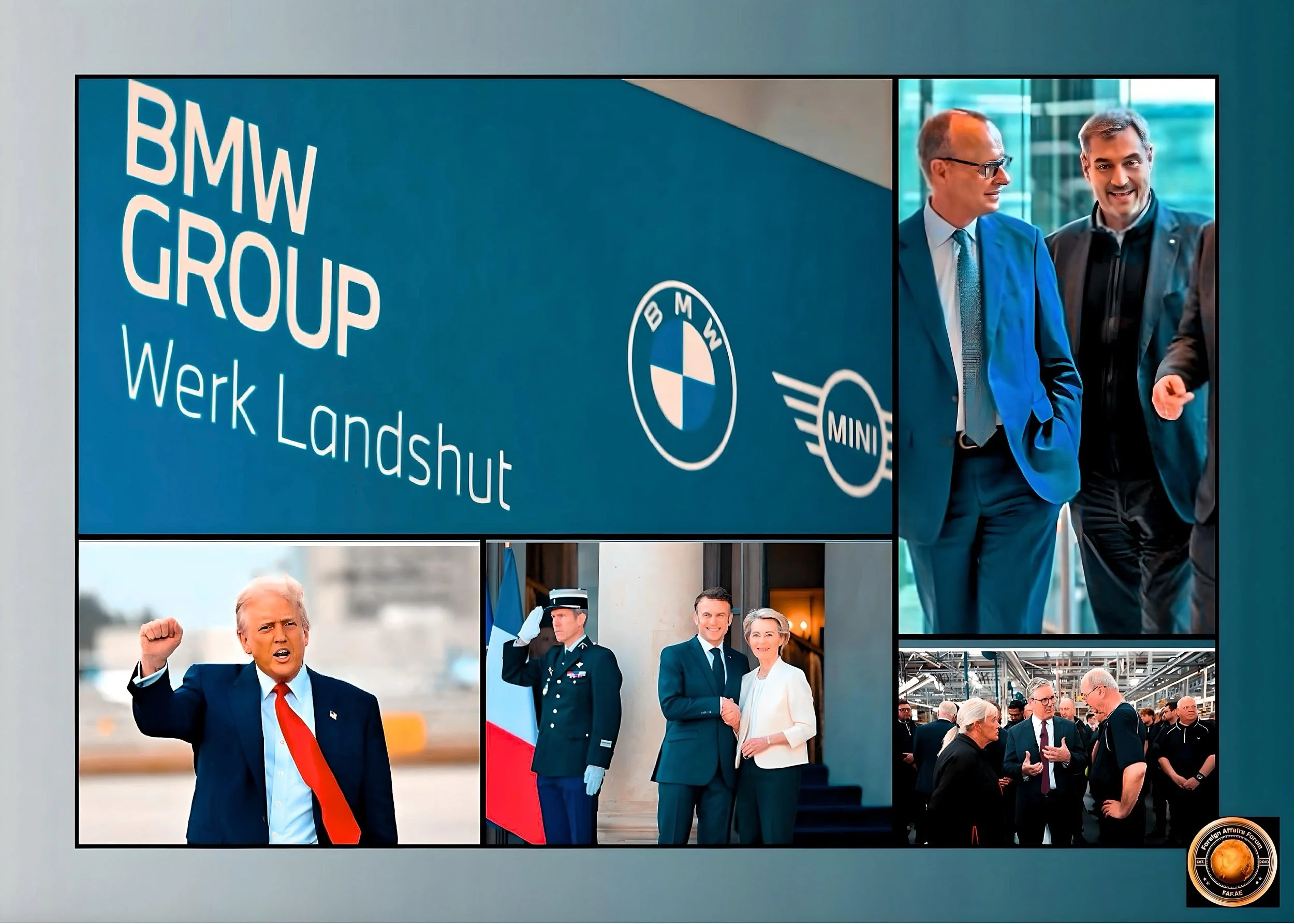
The tariffs' effects were felt immediately. Jaguar Land Rover announced on Saturday that it would “pause” all vehicle shipments to the US market in April as it evaluated “the new trading terms.”
This quick response from one of Britain’s flagship manufacturers highlights the real-world consequences of the shifting trade landscape that prompted Starmer’s warning.
Global markets have also reacted strongly to the tariff announcements, with the UK’s FTSE 100 index closing more than 7% lower on Friday than the previous Monday—its worst day of trading since the start of the COVID pandemic.
In the days following Trump's announcement, approximately $5 trillion was wiped off the value of global stock markets.
Starmer’s Response Strategy
Faced with these challenges, Starmer has outlined a multifaceted approach to protecting British interests while avoiding an escalating trade war.
His strategy combines diplomatic engagement, potential state intervention, and a focus on building domestic economic resilience.
“Sheltering British Business from the Storm”
A key element of Starmer’s response is his pledge to “help shelter British business from the storm” of US tariffs.
This language suggests a significant shift in economic policy, with the Prime Minister indicating his government is prepared to deploy direct state intervention to protect British industries. “We stand ready to use industrial policy to help shelter British business from the storm,” he wrote, acknowledging that while some might feel uncomfortable with this approach, “we simply cannot cling to old sentiments when the world is turning this fast.”
Darren Jones, Chief Secretary to the Treasury, reinforced this message, telling Sky News that “there’ll be further announcements from the prime minister this week on support for British business.”
Jones also stated that Sir Keir has been “clear that he’s unhappy about the tariffs” but emphasized that the UK must react in a “cool-headed and calm way.”
Diplomatic Engagement and Negotiations
While preparing to protect British businesses, Starmer’s government is also continuing negotiations with the US.
The Prime Minister has indicated that “all options remain on the table” regarding potential responses to Washington’s move. However, he emphasized that “nobody wins from a trade war,” suggesting his immediate strategy is “to keep calm and fight for the best deal.”
Jones claimed that the UK’s 10% tariff rate, lower than that imposed on some other major economies, was down to Starmer having a “good relationship” with Trump and trade teams negotiating for months beforehand. “It was a vindication of our engagement with the United States in the run-up to the president’s announcements,” he said, acknowledging, “Clearly, we don’t like tariffs. We’re not happy about that”.
A New Global Economic Order
Starmer’s warning speaks to a broader reassessment of the global economic order. The Prime Minister stated that the emerging global landscape will be shaped less by rules and more by deals and strategic alliances. “It demands the best British virtues — cool heads, pragmatism, and a clear understanding of our national interest,” he added.
This view is reinforced by comments from Treasury Minister Darren Jones, who suggested that globalization has failed in the current context, and the government needs to go “further and faster” in supporting British industry and the economy.
Economic Policy Shift
Starmer’s warning signals a significant policy pivot toward more assertive government action. “This week we will turbocharge plans that will improve our domestic competitiveness,” he wrote, hinting at an upcoming industrial strategy package.
This represents a departure from the more laissez-faire approach to trade and industrial policy that has characterized British economic thinking for decades.
The Prime Minister acknowledged this shift directly: “Some people may feel uncomfortable about this but we simply cannot cling on to old sentiments when the world is turning this fast”. He also criticized the long-standing approach of British institutions simply trying “to manage crises” rather than dealing with “the fundamental cause”.
The Broader Context of Global Trade Disruption
Trump’s tariffs represent what trade experts have called “the single biggest trade action of our lifetime” and “a pretty seismic and significant shift in the way that we trade with every country on earth”. By April 9, even steeper levies—between 11% and 50%—will hit goods from 57 countries.
China has already announced retaliatory measures, planning to impose its own 34% levy on American exports from April 10.
The European Union has also indicated it “won’t stand idly by,” with France and Germany suggesting the EU could hit back with taxes on major US tech firms.
Oxford Economics predicts that Trump’s new trade policy will raise the average US tariff rate to 24%—higher than during the Great Depression.
This historical comparison underscores the magnitude of the shift that prompted Starmer’s warning about a changed world.
Looking Ahead: Implications for the UK
Starmer’s eight-word warning signals that the UK government recognizes it is entering uncharted waters in terms of international trade relations.
His planned announcement this week of additional support measures for British businesses will likely provide more concrete details about how the government intends to navigate this new landscape.
The Prime Minister’s emphasis on “cool heads” and pragmatism suggests he is seeking to avoid an escalating trade conflict while still protecting British interests.
However, his acknowledgment that “all options remain on the table” indicates the UK is prepared to take more assertive measures if necessary.
As Starmer wrote in his article, “These new times demand a new mentality. We have gone further and faster on national security, now we must do the same on economic security through strengthened alliances and reducing barriers to trade”.
This statement suggests that beyond immediate responses to Trump’s tariffs, the UK government is reconsidering its broader economic strategy for a world where the old assumptions about globalization no longer hold.
Conclusion
Keir Starmer’s warning that “the world as we knew it has gone” represents more than just a response to immediate trade tensions with the United States. It signals a fundamental reassessment of the UK’s position in a rapidly changing global economic order.
As the government prepares additional support measures for British businesses and continues negotiations with the US, this stark assessment will likely guide a broader shift in economic policy toward more direct state intervention and strategic trade relationships.
The coming weeks will reveal the full extent of this policy shift as the UK navigates what Starmer has characterized as a new era where the familiar rules of global trade can no longer be taken for granted.
For British businesses, workers, and consumers, the implications of this “new world” are only beginning to unfold.