Post-WWII Economic Miracle vs. Contemporary German Challenges: A Tale of Two Germanys
Introduction
The German economy presents one of history’s most striking contrasts: from the legendary “Wirtschaftswunder” (economic miracle) following World War II to today’s struggling “sick man of Europe.”
This comprehensive analysis examines how Germany transformed from devastation to dominance after WWII and why it now faces serious economic challenges across multiple sectors.
The Post-War Economic Miracle (1948-1960s)
Devastation as a Starting Point
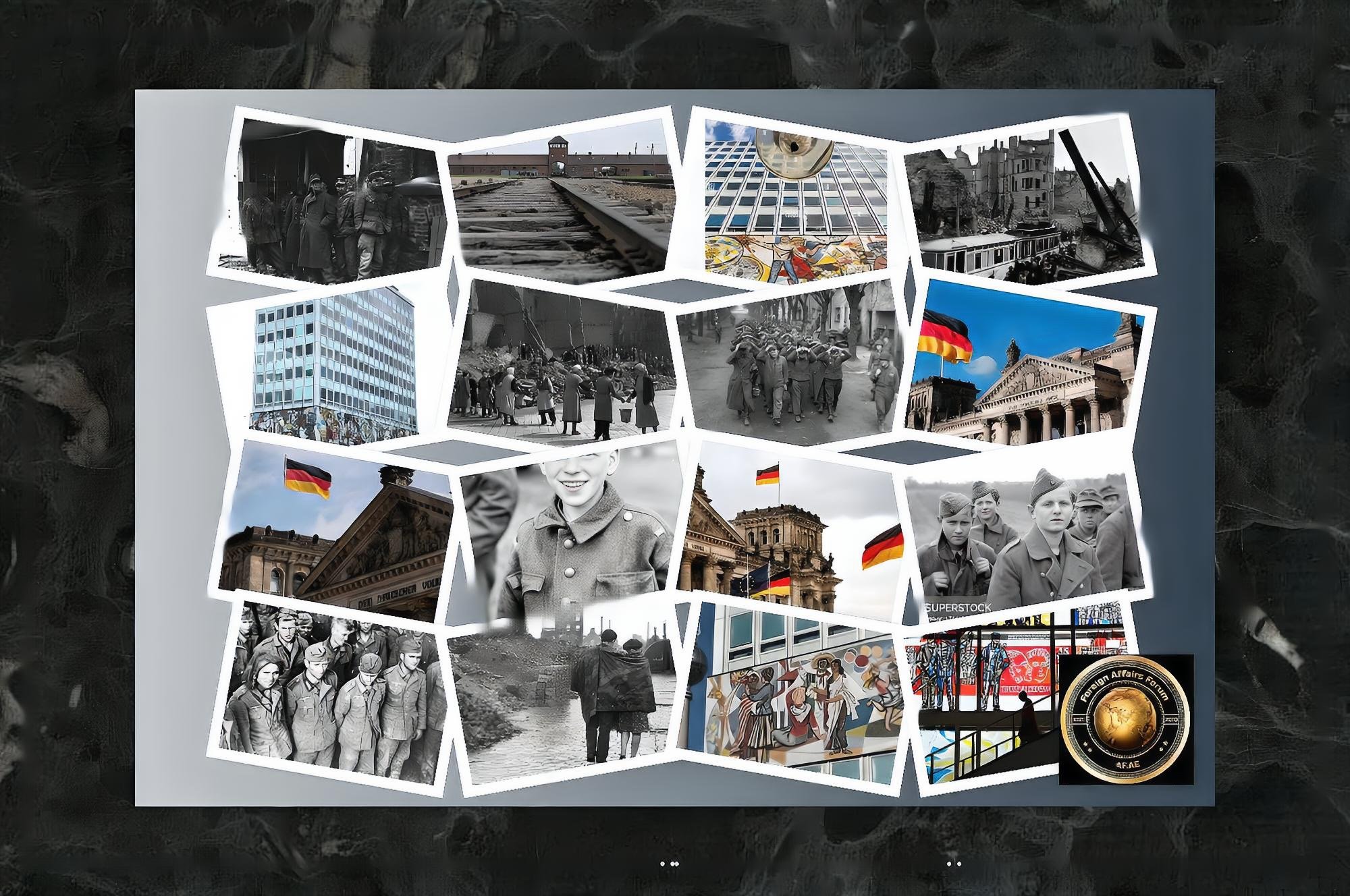
After World War II, Germany lay in ruins. The war destroyed 20% of all housing, food production was only 51% of pre-war levels, and industrial output was only one-third of its 1938 capacity.
The official food ration set by occupying powers varied between a meager 1,040 and 1,550 calories per day. Most observers expected West Germany to become the biggest client of the U.S. welfare state.
With 70% of Europe’s industrial infrastructure destroyed and many working-age men dead, the outlook appeared bleak.
The Reform Revolution
The astonishing turnaround began with two critical reforms implemented over just weeks in 1948:
Currency Reform
The replacement of the Reichsmark with the Deutsche Mark stabilized the monetary system. This immediately restored confidence and eliminated the massive monetary overhang.
Price Liberalization
The elimination of price controls after twelve years of fixed prices under Nazi rule and Allied occupation restored market mechanisms.
This liberalization occurred under the guidance of Economics Minister Ludwig Erhard.
Tax Reform
These initial reforms reduced marginal tax rates in late 1948 and 1949.
These changes occurred within the framework of neoliberalism, an economic doctrine emphasizing a strong state role in ensuring competitive markets while combining free-market principles with regulatory frameworks.
The social market economy (Soziale Marktwirtschaft) emerged as Germany’s guiding economic philosophy.
Spectacular Results
The results were immediate and striking. Industrial production accelerated dramatically after the June 1948 currency reform.
Growth rates in West Germany dramatically outpaced those in Soviet-controlled East Germany, with West Germany averaging 13.4% growth during 1947-50 compared to just 2.2% in East Germany.
By the end of the 1950s, West Germany had doubled production from its pre-war levels.
Within twenty years of near-complete devastation, Germany had become the third-largest economy globally, behind only the United States and Japan. The country had transformed from ruins to an economic powerhouse in a single generation.
While the Marshall Plan provided some external support, domestic economic reforms, and policies were the primary drivers of Germany’s recovery.
Eliminating central planning, establishing strong institutional safeguards against inflation, and a tax system geared toward capital formation created the foundation for sustainable growth.
Contemporary German Economic Challenges
Economy in Reverse
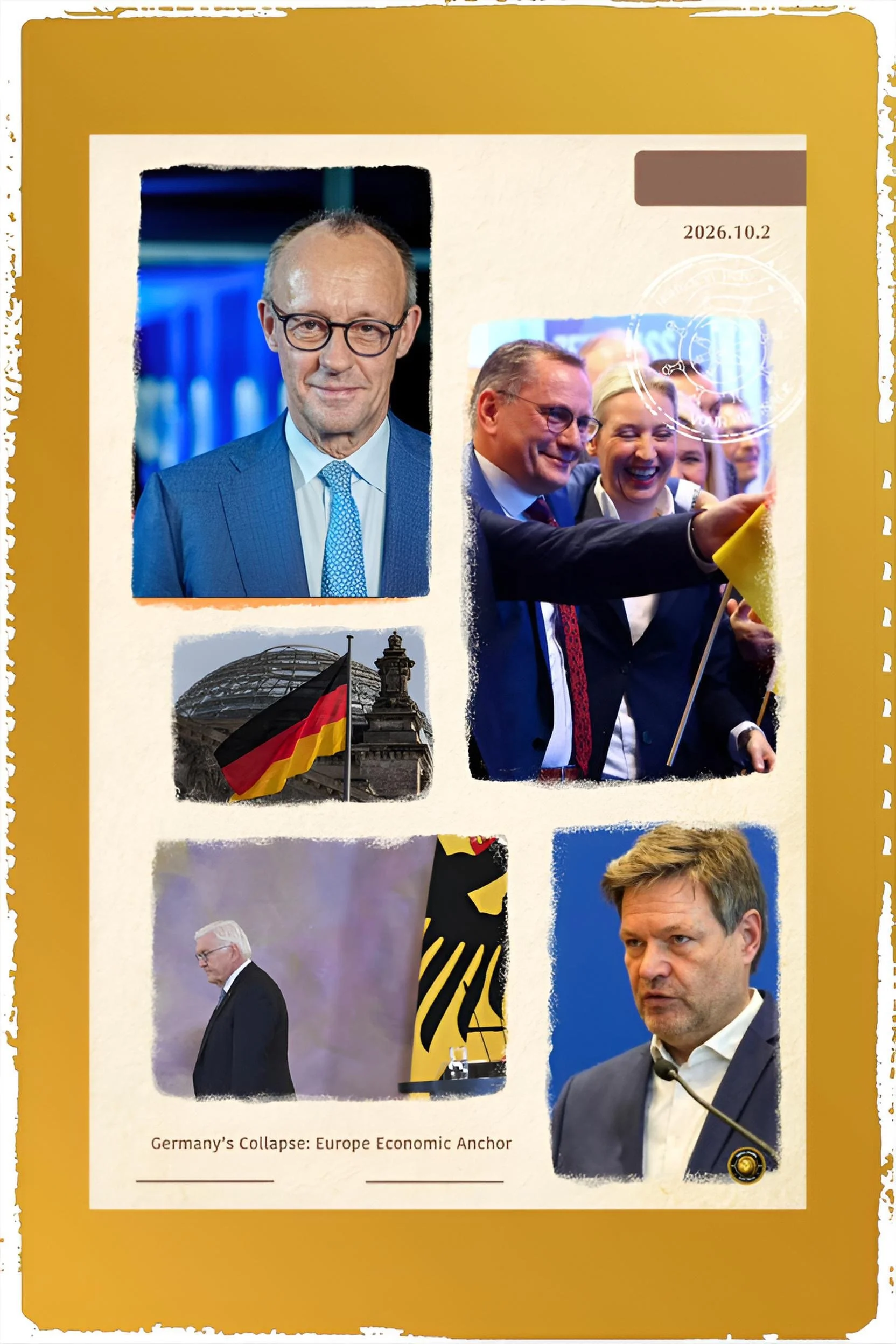
Today’s Germany faces a starkly different reality. The economy contracted in 2023 by 0.3%, marking the second consecutive year of recession.
The current economic size remains equivalent to early 2020 levels, indicating five years of effective stagnation. Once Europe’s economic engine, Germany has become its laggard.
This decline is caused by cyclical factors (inflation, high interest rates) and deeper structural problems.
Most crucially, Germany’s traditional macro business model of cheap energy and easily accessible export markets no longer functions effectively.
Ten years of underinvestment, deteriorating competitiveness, and China’s evolution from an export destination to an industrial competitor have fundamentally undermined Germany’s economic position.
Automotive Industry Crisis
Perhaps nowhere is Germany’s economic challenge more evident than in its iconic automobile sector.
The industry that once symbolized German engineering excellence and economic might is now fighting for survival.
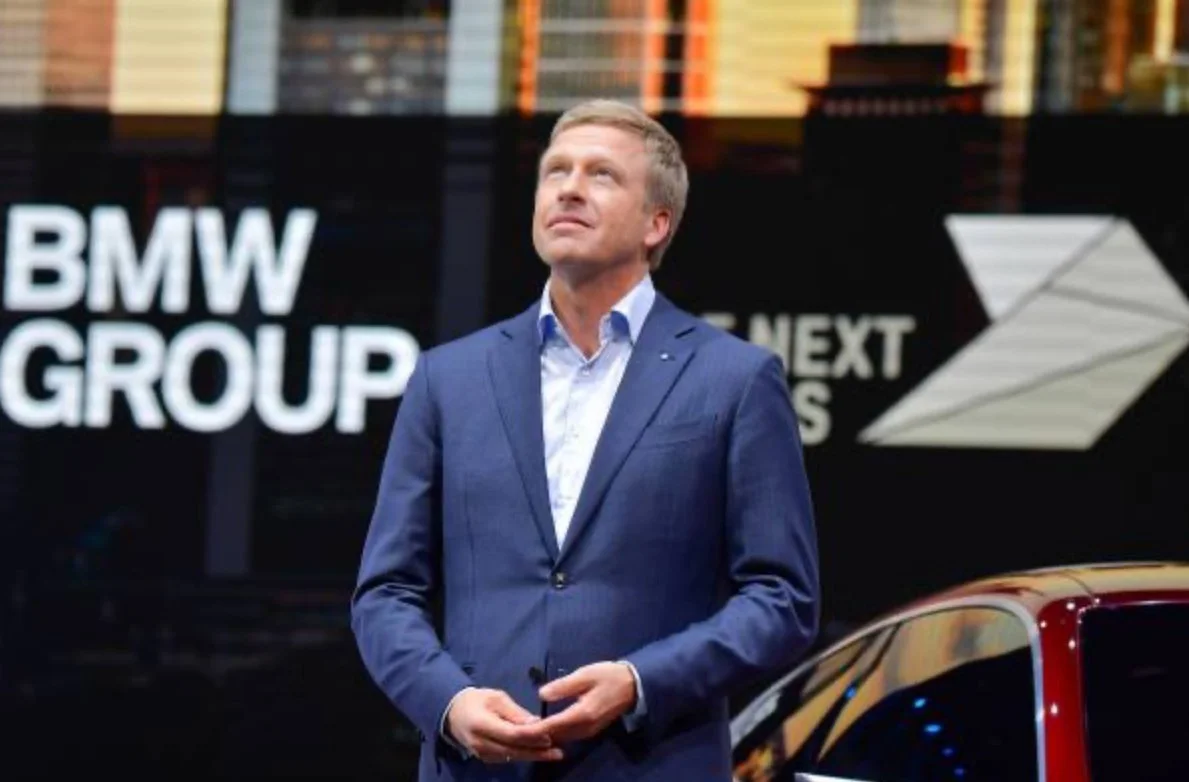
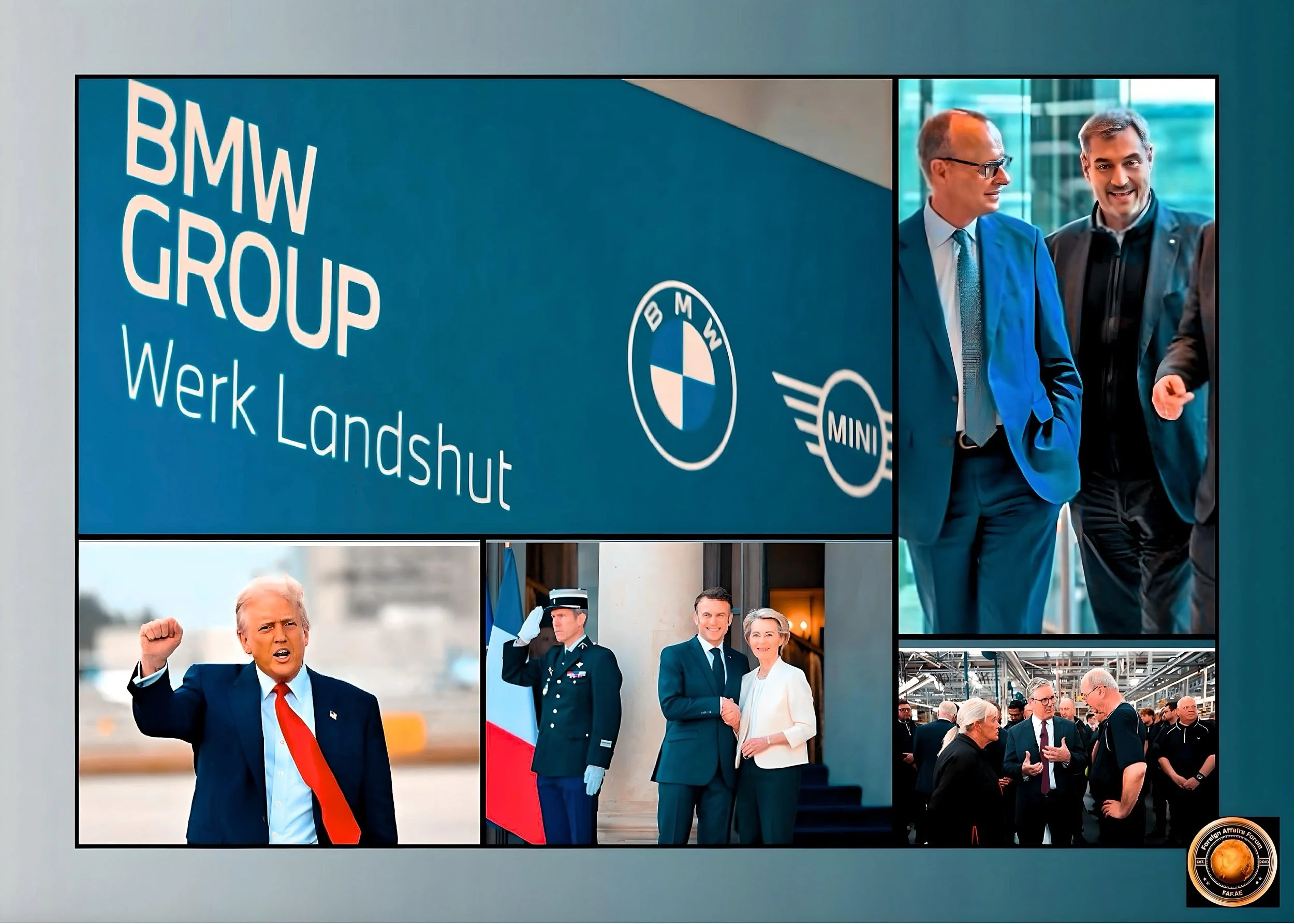
Volkswagen has announced plans to close three factories in Germany, lay off thousands of workers, and impose 10% pay cuts for its entire workforce. BMW, Mercedes, and other manufacturers face similar challenges.
The automobile industry, which accounts for approximately 5% of Germany’s GDP and one-seventh of all jobs (5.3 million), is experiencing what experts describe as an “existential crisis.”
Several factors have contributed to this decline:
Electric Vehicle Transition
German automakers were slow to invest in EV technology and battery supply chains, allowing competitors like Tesla and Chinese manufacturers to gain significant advantages.
Subsidy Withdrawal
The end of EV subsidies in late 2023 caused a sharp drop in German EV sales, further weakening domestic manufacturers.
Chinese Competition
Chinese EV imports into Germany rose by 75% in the first half of 2023, with companies like BYD offering high-quality vehicles at lower prices than their German counterparts.
Energy Crisis
Following the Ukraine war, Germany lost access to cheap Russian natural gas. German automakers now pay 3-5 times more for energy than competitors in the United States or China.
Labor Costs
German autoworkers are among the best-paid globally, and the co-determination system gives unions significant influence in corporate decisions, making restructuring difficult during crises.
Border Controls and Migration Challenges
Germany’s approach to borders and migration represents another dramatic shift from past policies.
Under former Chancellor Angela Merkel, Germany implemented an open-border policy, particularly during the 2015 migrant crisis, when millions from the Middle East and Africa entered the country.
Initially justified on humanitarian grounds, this policy was defended for its economic benefits.
With an aging population, the influx of working-age migrants was presented as key to maintaining Germany’s competitiveness and tax revenue.
However, this approach has largely failed to deliver economic benefits:
Welfare Costs
Between 2015 and 2016, welfare use surged by 169%, and Germany was projected to spend more on migrant welfare than on its military between 2015 and 2020.
Employment Challenges
A 2023 study found that 41% of refugees in Germany for six years were employed below their skill level from their home countries.
Recently, Germany has reversed course. The current government introduced passport controls at all national borders, representing a significant departure from the Schengen Area’s open border principle.
While officially justified as measures to deter illegal immigration and combat terrorism, these controls also signal an acknowledgment of the economic and social challenges posed by previous policies.
Budget Constraints and Fiscal Dilemmas
Germany’s fiscal approach is also under strain. The country’s constitutional debt brake (Schuldenbremse), implemented in 2009 to limit borrowing, is now being questioned as the government faces pressure to increase spending on defense and infrastructure.
This creates a paradox
Germany maintains high taxes while simultaneously considering increased borrowing.
German taxpayers, who pay some of the highest taxes in the developed world, are increasingly questioning where their money goes if core state functions require additional debt financing.
The government deficit has reached €2.6 trillion ($2.7 trillion), adding urgency to these fiscal questions. As one analysis put it: “Are we witnessing a necessary investment in our future or a symptom of past fiscal mismanagement and a reluctance to make tough choices?”
The Stark Contrast: Then and Now
Different Starting Points
The contrast between post-war Germany and contemporary Germany begins with their fundamentally different starting positions.
Post-war Germany was rebuilding from physical destruction but benefited from existing human capital, industrial know-how, and a clear path forward. Germany faces economic stagnation and structural decline problems within an intact physical infrastructure.
Policy Direction
The post-war economic miracle was driven by clear policy choices: currency stability, market liberalization, and reduced state intervention.
The social market economy provided a coherent framework that balanced free markets with social welfare concerns.
Today’s policy landscape appears more confused. Germany is caught between its traditional export-oriented manufacturing model and the need to transition to new technologies and energy sources.
The government seems torn between fiscal conservatism (the debt brake) and growing spending demands.
External Factors
Post-war Germany benefited from a favorable international environment, including Marshall Plan aid and growing global trade. Today’s Germany faces multiple external challenges:
Energy Disruption
The Ukraine war ended Germany’s reliance on cheap Russian natural gas, dramatically increasing energy costs.
Chinese Competition
China has evolved from an export market to a formidable competitor, especially in sectors like automobile manufacturing.
European Integration
While post-war European integration supported German growth, today’s EU presents complex challenges regarding fiscal rules, migration policies, and trade relationships.
Structural Challenges
Perhaps most significantly, today’s Germany faces structural problems absent from the post-war period:
Demographic Aging
Unlike the post-war period, when Germany had a younger population, today’s Germany struggles with an aging demographic that requires increased healthcare and pension spending.
Technological Transition
The shift toward electric vehicles, digital technologies, and renewable energy requires massive investment and threatens traditional German industrial strengths.
Global Value Chains
Geopolitical tensions, protectionism, and the rise of Asian competitors threaten Germany’s position in global value chains.
Conclusion
The contrast between Germany’s post-war economic miracle and its current challenges reveals the brilliance of its earlier economic model and the difficulties of adapting it to changing circumstances.
The post-war economic miracle demonstrated how sound economic principles—currency stability, price liberalization, and competitive markets—could transform a devastated economy into a global powerhouse.
These reforms worked because they addressed the specific problems Germany faced at that time and aligned with the broader international economic environment.
Today’s Germany faces a different set of challenges requiring different solutions. The success of the social market economy created structures and expectations that now make adaptation difficult.
High labor costs, extensive social benefits, and industrial specialization, which once drove success, now contribute to rigidity and competitive disadvantages.
The lessons from this contrast are clear: Germany needs reforms as bold as 1948 but tailored to today’s challenges.
This would include accelerating technological transition, addressing demographic challenges, diversifying energy supplies, and rethinking international economic relationships.
Whether German politics can deliver such reforms remains an open question with significant implications for Germany and Europe and the global economy.