China’s Historical Resilience and Modern Defiance of International Pressure
Introduction
The assertion that Xi Jinping represents a formidable leadership force beyond Western counterparts and that China cannot be easily manipulated in global affairs stems from a complex interplay of historical trauma, strategic positioning, and evolving national identity.
China’s modern stance against international pressure is deeply rooted in its painful historical experiences and reinforced by its remarkable economic and political rise over recent decades.
The Century of Humiliation: A Foundational National Narrative
Understanding China’s modern defiance requires examining the “Century of Humiliation” (百年国耻), a period beginning with the First Opium War (1839-1842) and ending either with China’s emergence from World War II as a UN Security Council permanent member in 1945 or with the founding of the People’s Republic of China in 1949.
This century-long period saw China experience profound national degradation through foreign intervention, territorial loss, and subjugation by Western powers, Russia, and Japan.
The characterization of this period as a “humiliation” gained prominence after China’s defeat in the First Sino-Japanese War (1894-1895) and subsequent concessions to foreign powers.
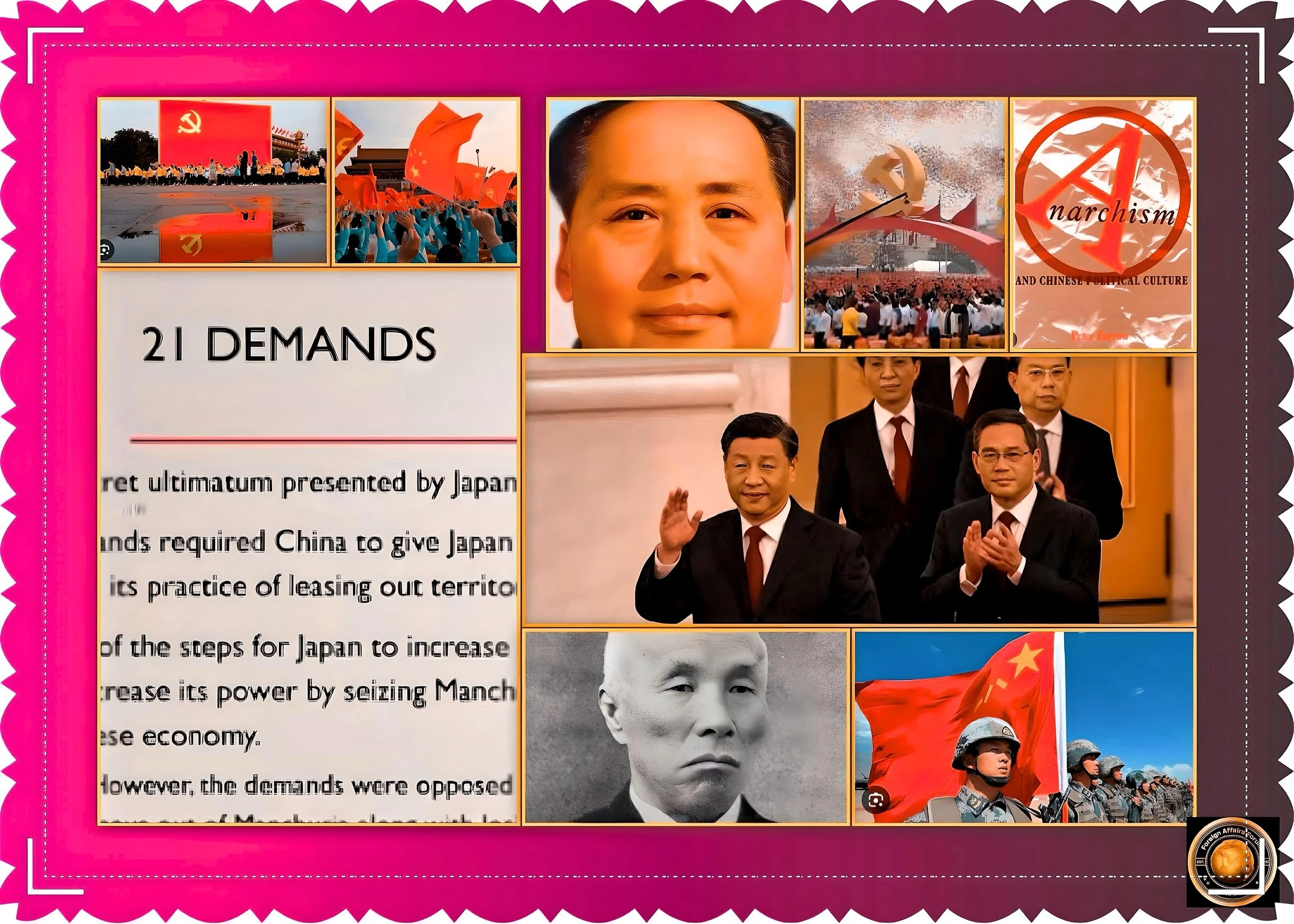
The concept became increasingly central to Chinese national identity following the Twenty-One Demands made by Japan in 1915 and China’s unsatisfactory treatment in the Treaty of Versailles in 1919.
The Kuomintang and Chinese Communist Party leveraged this narrative in the 1920s to protest unequal treaties and foreign colonization.
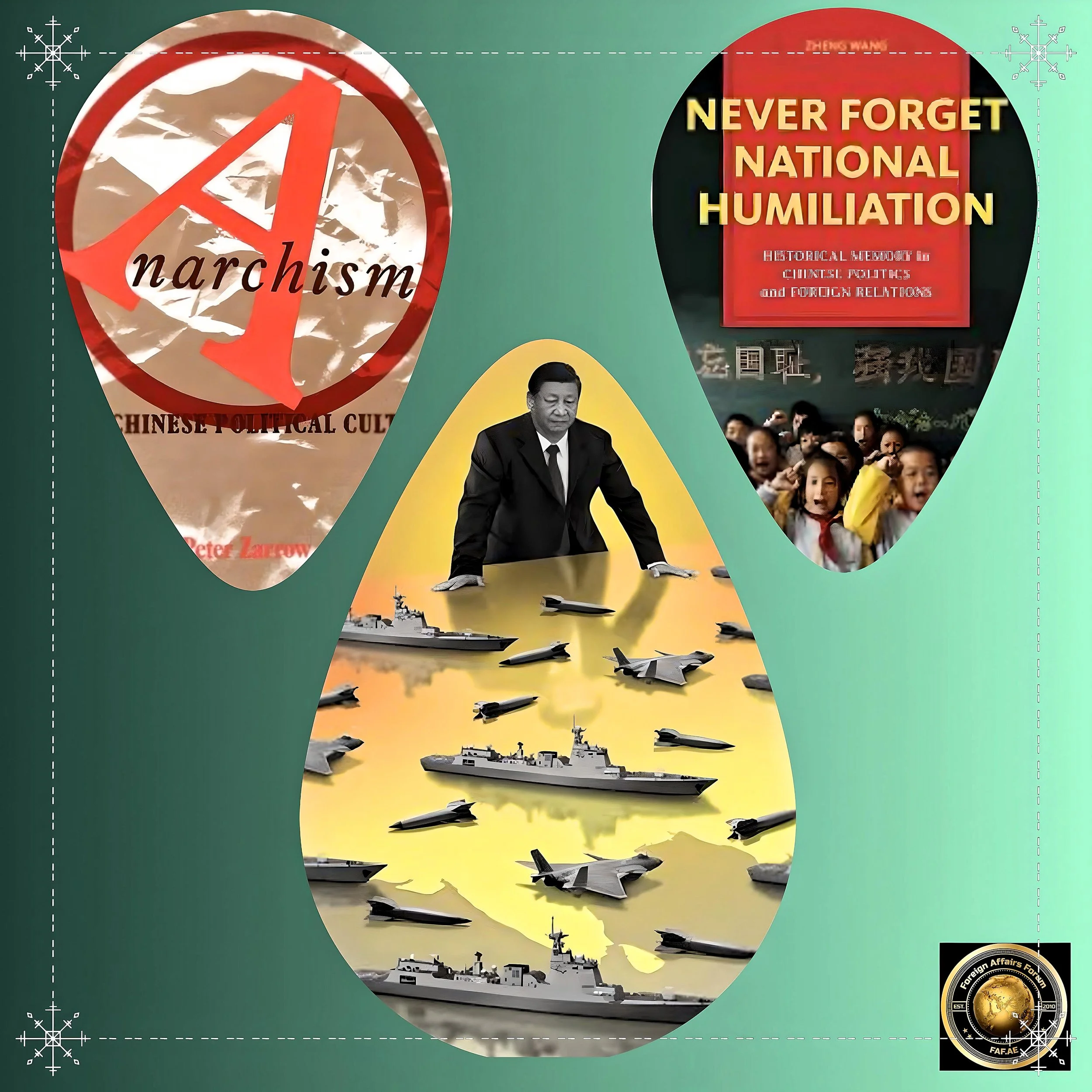
This historical memory has profoundly influenced Chinese consciousness. The phrase “Never forget national humiliation” (Wuwang Guochi) became China’s “national phrase,” with these characters engraved on monuments and painted on walls throughout the country.
For Chinese citizens and leadership alike, this historical lens frames their understanding of international relations and informs their determination never to allow such subjugation again.
Xi Jinping’s Ascent and Consolidation of Power
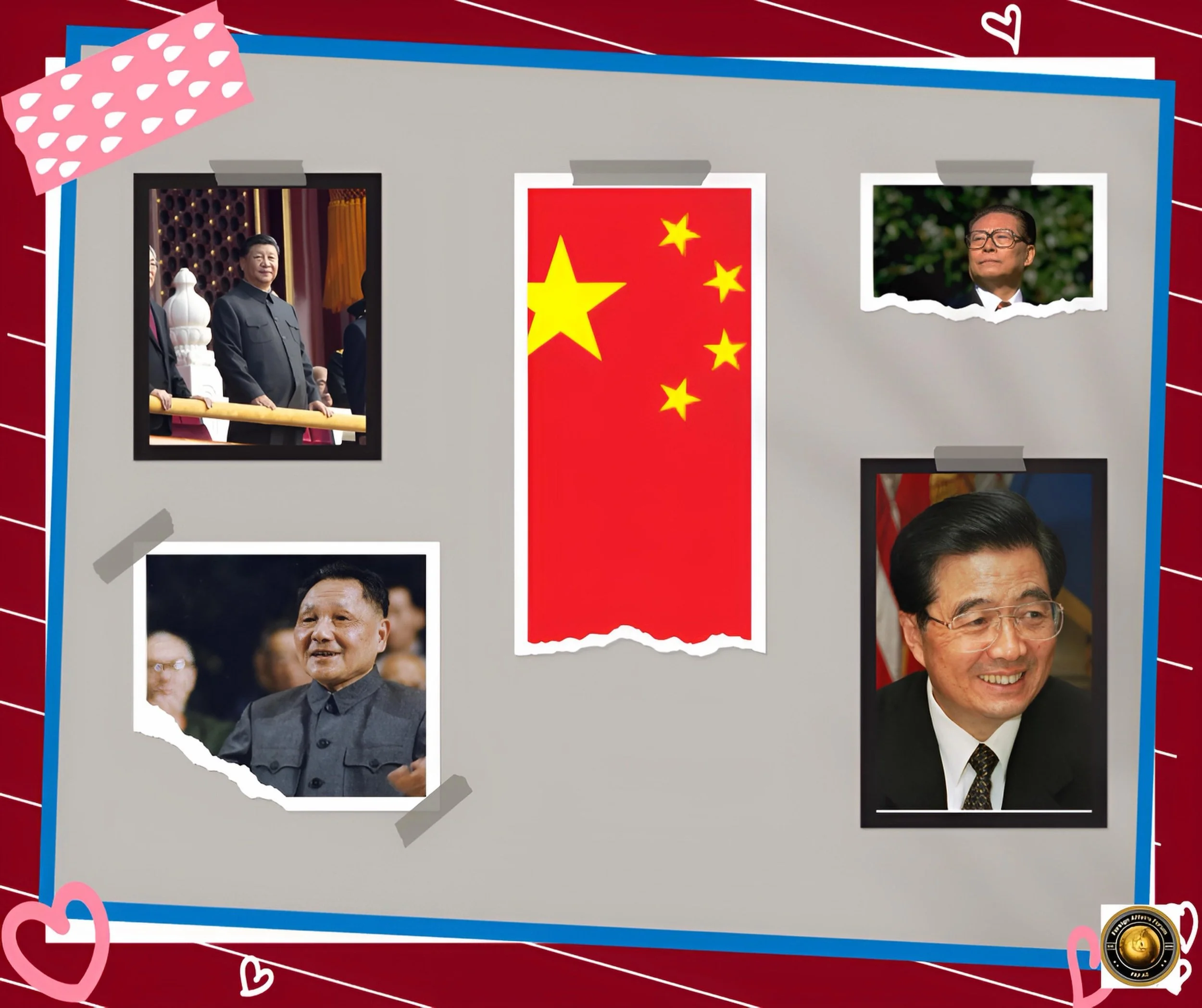
Xi Jinping, who became General Secretary of the Chinese Communist Party in 2012 and President in 2013, has emerged as arguably the most powerful Chinese leader since Mao Zedong.
His leadership has been characterized by significant centralization of power, particularly after the removal of presidential term limits in 2018.
Xi has established himself as the unmistakable central figure of the administration by creating working groups with himself as the head, effectively bypassing traditional government bureaucracy.
Under Xi’s leadership, competing power centers within the party have been weakened, particularly the once-dominant “Tuanpai” or Youth League Faction.
This consolidation of authority has given Xi unprecedented control over China’s direction and messaging, allowing him to articulate a clear vision of China’s role in the world without significant internal opposition.
The Rhetoric of Resistance to Bullying
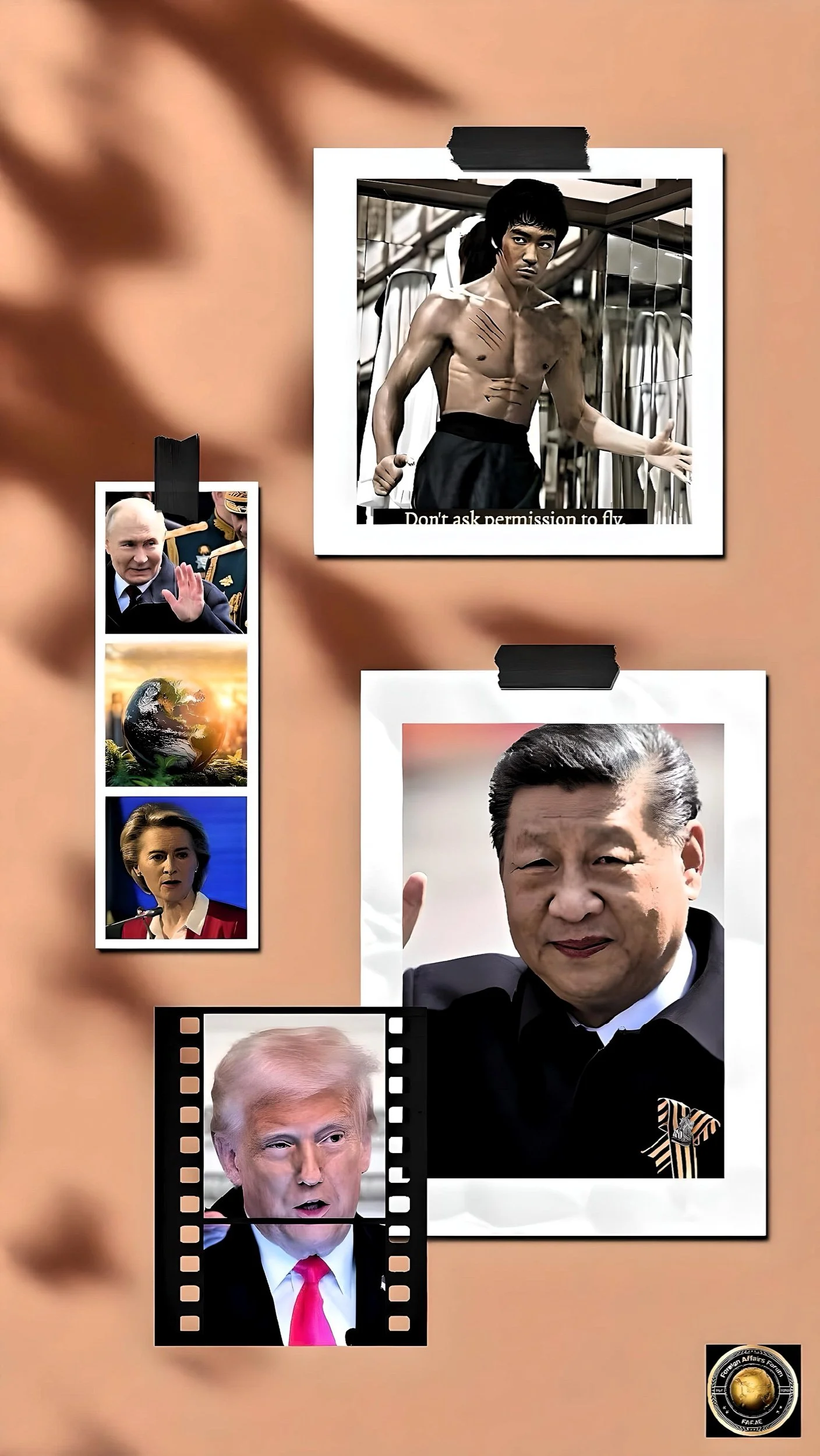
Xi Jinping has consistently employed strong rhetoric regarding China’s position against international pressure.
During the centenary of the Chinese Communist Party in 2021, Xi made his stance extraordinarily clear, stating: “The Chinese people will not allow any foreign force to bully, oppress or enslave us, and anyone who attempts to do so will face broken heads and bloodshed in front of the iron Great Wall of the 1.4 billion Chinese people.”
Speaking from the historic Tiananmen Square, dressed in a Mao-style suit, Xi emphasized that China “never bullied, oppressed or enslaved the people of another nation, not in the past, during the present or in the future.”
This framing positions China as a historical victim and a modern power unwilling to treat others similarly.
In the same speech, Xi declared that the era of China being bullied was definitively over, emphasizing the party’s role in restoring China’s dignity and transforming it into the world’s second-largest economy.
This messaging directly connects China’s economic rise with its ability to resist international pressure—suggesting that financial strength translates to independence from foreign influence.
China’s Modern Global Positioning
Since assuming leadership, Xi has explicitly expressed ambitions to lead China into a “new era” as a premier global power.
This vision manifests through increasing assertiveness in territorial disputes, ambitious international investments, expanded roles in existing multilateral organizations, and leadership in creating new global institutions.
China’s positioning in global affairs reflects a multidimensional strategy to increase its influence while protecting its core interests.
Under Xi’s leadership, China has demonstrated a willingness to challenge established norms and respond to perceived encroachments on its sovereignty or dignity.
This approach extends beyond rhetoric to include economic initiatives like the Belt and Road Initiative, which expands China’s global economic footprint.
The China-Russia relationship exemplifies this strategic positioning. In February 2022, just before Russia invaded Ukraine, China and Russia declared a “no limits” partnership that “surpasses an alliance.”
While the personal relationship between Xi and Putin has been highlighted as a factor, analysts suggest this alignment is primarily driven by longer-term structural trends and shared strategic interests, particularly in counterbalancing Western influence.
Why China’s Position Resonates
The perspective that China cannot be easily bullied or maneuvered in international affairs resonates for several key reasons:
Economic Leverage
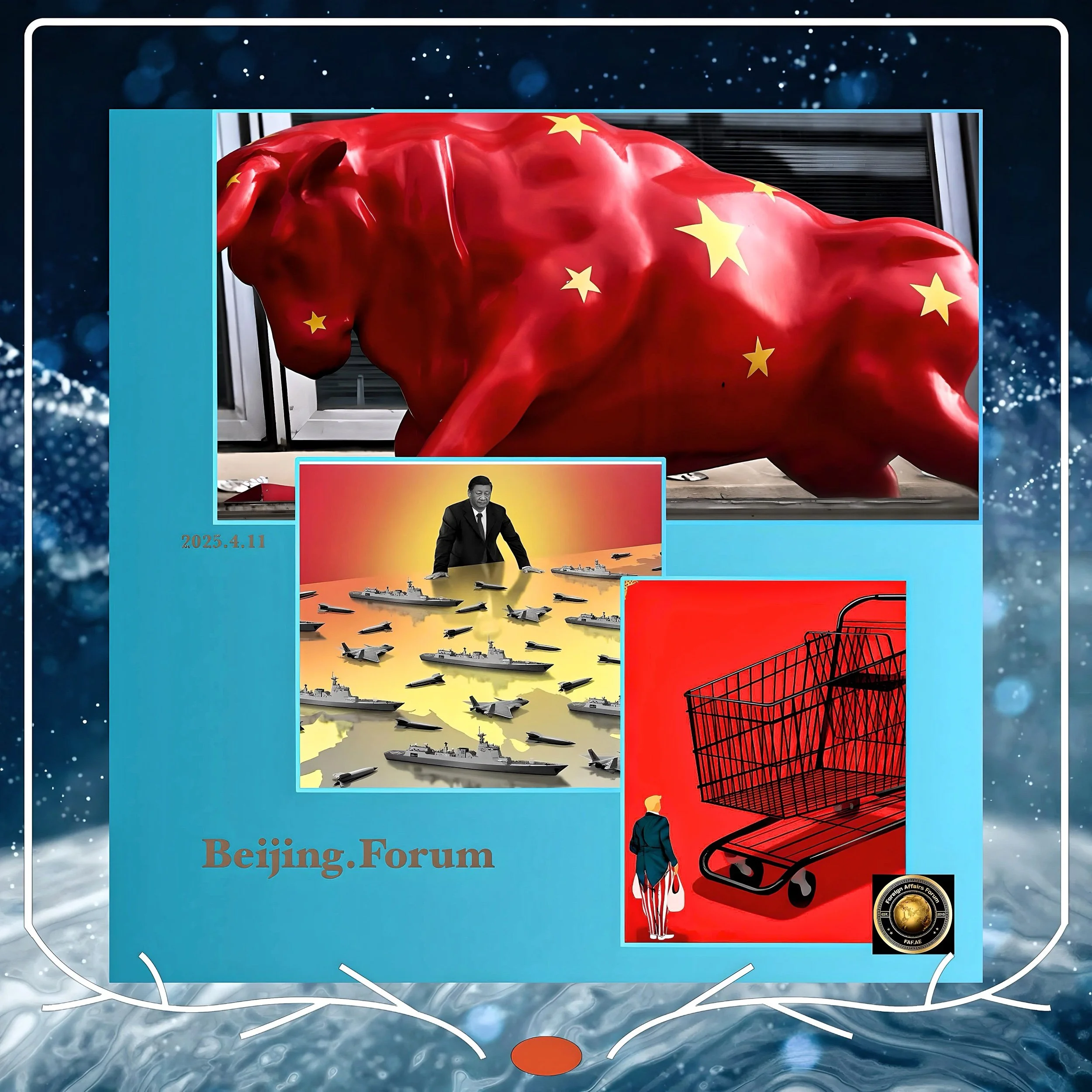
China’s transformation into the world’s second-largest economy provides substantial insulation from external pressure. This economic might give China significant leverage in trade negotiations and disputes, allowing it to withstand pressure tactics that might weaken smaller economies.
Historical Learning
The Century of Humiliation taught Chinese leaders painful lessons about national weakness and vulnerability. This history informs a strategic determination to build comprehensive national power that can resist foreign coercion or intervention.
China’s leaders view their historical experience as providing valuable insights into how Western powers tend to behave toward China.
Nationalist Sentiment
The narrative of overcoming historical humiliation and achieving national rejuvenation resonates deeply with the Chinese public. This creates domestic political support for a firm stance against perceived international bullying.
The Communist Party has effectively incorporated this narrative into its legitimizing framework, positioning itself as the force that ended the Century of Humiliation and restored China’s dignity.
Diversified International Relationships
China has cultivated economic and diplomatic relationships across multiple regions, reducing its dependence on any single partner or bloc. This diversification strategy provides multiple options during disputes with particular countries or regions.
Conclusion: The Implications of China’s Stance
China’s position that it cannot be bullied represents more than mere rhetoric—it reflects a deeply held national conviction forged through historical experience and reinforced by modern achievements.
This perspective influences every aspect of China’s approach to international relations, from trade negotiations to territorial disputes.
The historical memory of the Century of Humiliation continues to shape China’s worldview, creating a determination to prevent any recurrence of such national degradation.
Combined with China’s economic and military development under Xi Jinping’s assertive leadership, this historical consciousness produces a nation determined to chart its course regardless of external pressure.
Understanding this perspective is crucial for anyone seeking to engage with China globally.
The rhetoric of resistance to bullying is not simply political posturing. Still, it reflects deeply held convictions about China’s place in the world and its right to pursue its interests without foreign interference.
As China continues its rise, this stance will likely remain a defining feature of its approach to international relations.