Trump creates a federal sovereign wealth fund
Introduction
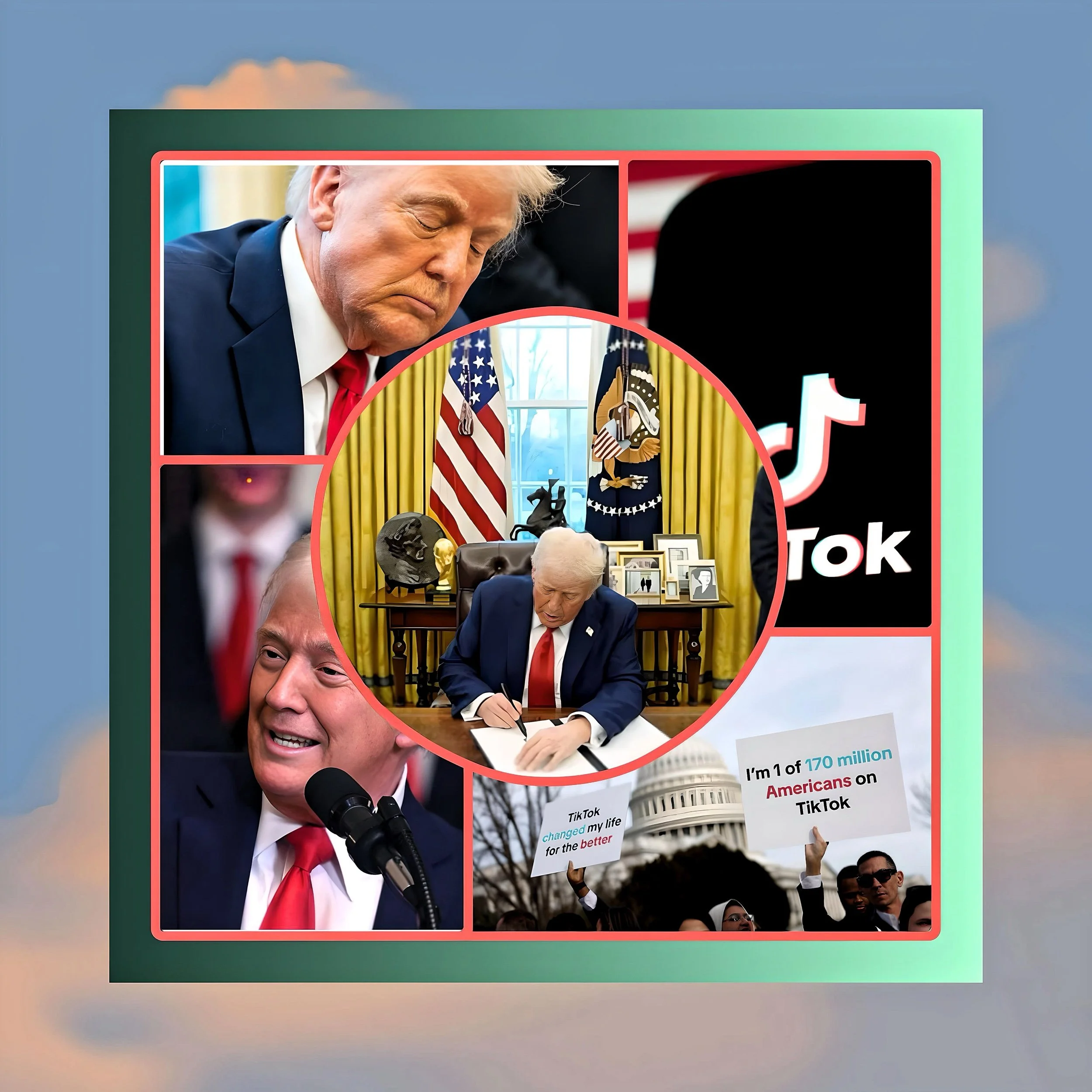
President Donald Trump has taken a significant step towards establishing the United States’ first federal sovereign wealth fund by signing an executive order on February 3, 2025. This move follows through on an idea he had proposed during his presidential campaign, aiming to enhance the country’s global economic competitiveness and support major national development projects.
Key Details of the Executive Order
The executive order directs officials to create a sovereign wealth fund for the United States. During the signing in the Oval Office, Trump expressed optimism about the country’s economic potential, stating, “We have tremendous potential.” He has tasked two key officials with spearheading this effort
Treasury Secretary Scott Bessent
Howard Lutnick, the nominee for Commerce Secretary
Timeline and Strategic Importance
Scott Bessent, who was present at the Oval Office during the announcement, provided insights into the timeline and significance of this initiative:
The fund is expected to be created within the next 12 months
Bessent referred to the fund as an issue “of great strategic importance”
This ambitious timeline suggests that the United States could see its first federal sovereign wealth fund operational by early 2026, potentially reshaping the nation’s approach to long-term financial planning and investment on a global scale.
State-Level Models
While this will be the first federal sovereign wealth fund, it’s worth noting that 20 states already have their own sovereign wealth funds, which could serve as models for the federal initiative. These state funds are typically funded by commodities or land revenues. Two notable examples are:
Alaska Permanent Fund
Established in 1976
Currently manages about $82 billion
The largest state-level sovereign wealth fund
North Dakota’s Legacy Fund
Created in 2010
Currently valued at $11.5 billion
Deposits 30% of oil and gas tax revenue monthly
Allows access to 5% of the money during any two-year budget cycle for project financing and tax relief
These state-level funds demonstrate the potential for successful sovereign wealth management within the U.S. context and could provide valuable insights for the structure and management of the federal fund.
How will SWF work for private companies
Monetizing Government Assets
Private companies could help convert federal assets into SWF capital
Infrastructure leases
Airports, highways, or federal land might be leased to private operators, with revenue funneled into the SWF. Alaska’s oil-funded Permanent Fund offers a precedent .
TikTok stake management
If the SWF acquires a 50% TikTok stake, private partners like Oracle or Walmart (previously linked to TikTok bids) could oversee operations .
Mitigating Financial and Political Risks
SWFs often use private-sector partnerships to depoliticize investments:
Passive equity stakes: To avoid triggering regulatory scrutiny (e.g., CFIUS reviews), the fund may take non-voting shares in companies, as seen in ADIA’s Citibank investment .
Leveraging private networks: Partnering with firms like EQT or Brookfield could help navigate complex foreign markets (e.g., sub-Saharan Africa) while sidestepping geopolitical tensions .
Challenges and Criticisms
Debt constraints: The U.S. faces a $36 trillion debt burden, complicating SWF capitalization without private-sector revenue streams .
Governance risks: Critics warn of favoritism or mismanagement if politically connected firms dominate partnerships . The Treasury’s 90-day plan must address transparency safeguards .
Conclusion
The creation of a U.S. sovereign wealth fund represents a significant shift in national economic strategy, with potential far-reaching implications for the country’s approach to global economic competition and domestic investment.
US sovereign wealth fund will likely function as a bridge between federal assets and private-sector execution, prioritizing co-investments, strategic outsourcing, and high-impact sectors. Its success hinges on balancing commercial returns with bipartisan policy goals, a model tested by global peers like Singapore’s GIC and Saudi Arabia’s PIF
FAF review
This is an excellent move. Seems Trump is following Saudi Arabia PIF. sovereign wealth fund of Saudi Arabia is called the Public Investment Fund (PIF) Established in 1971 by royal decree, the PIF is one of the world’s largest sovereign wealth funds, with $930 billion in assets as of 2025.
It plays a central role in advancing Saudi Arabia’s economic diversification goals under Vision 2030, a national strategy to reduce reliance on oil revenues.