Israel’s Expanding Footprint in Syria: Al-Sharaa’s Calculated Response to Netanyahu’s Demands
Introduction
Recent Israeli military operations and territorial claims in Syria have significantly escalated tensions in the region, with Prime Minister Benjamin Netanyahu making unprecedented demands for a demilitarized southern Syria while conducting airstrikes near Damascus.
Despite these provocations, Syria’s transitional president Ahmed al-Sharaa has maintained a measured diplomatic approach rather than direct confrontation, raising questions about Damascus’s strategy and capabilities in responding to Israel’s expanding footprint.
Netanyahu’s Escalating Demands and Military Actions
The “South of Damascus” Red Line
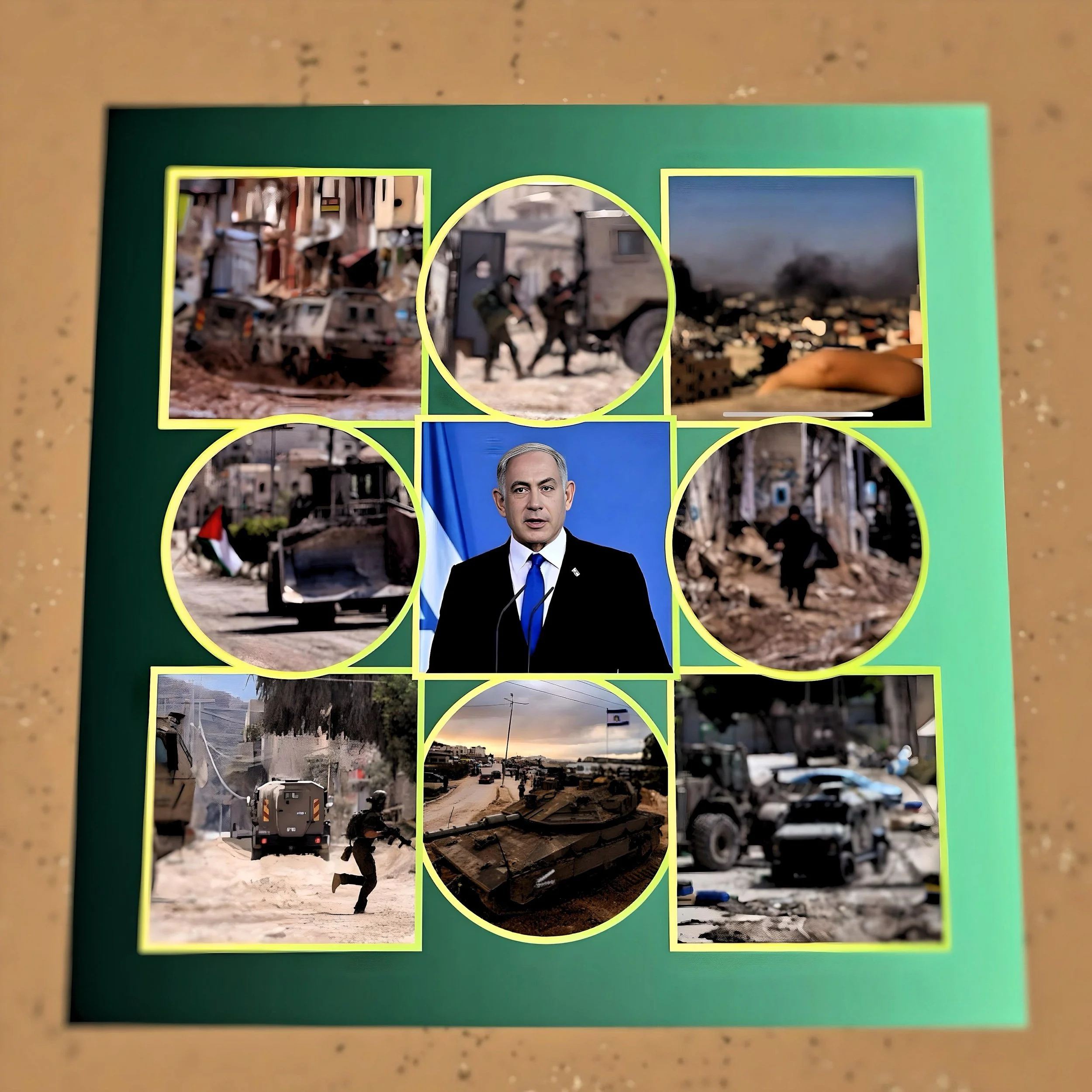
In a dramatic escalation of Israel’s position on Syria, Prime Minister Benjamin Netanyahu declared on February 23, 2025, that Israel would not permit Syrian military forces to operate south of Damascus.
Speaking at a military graduation ceremony, Netanyahu stated unequivocally: “Take note: We will not allow HTS forces or the new Syrian army to enter the area south of Damascus,” while demanding “full demilitarization of southern Syria, in the provinces of Quneitra, Daraa, and Suweyda” from the new regime’s forces.
This declaration effectively seeks to prohibit Syria’s government from deploying its own military within sovereign Syrian territory south of its capital city.
From Buffer Zone to Military Occupation
Israel’s current military presence in Syria began immediately following the fall of Bashar al-Assad’s regime in December 2024, when Israeli forces moved into the UN-monitored demilitarized buffer zone established by the 1974 disengagement agreement.
Initially framed as a temporary security measure to prevent extremist groups from filling the power vacuum, Israel’s position has evolved into what appears to be a long-term military occupation.
Defense Minister Israel Katz has confirmed that Israeli troops would remain stationed on Mount Hermon in southern Syria and in the designated buffer zone “for an indefinite period to safeguard our communities and counter any potential threats”.
Escalating Military Operations
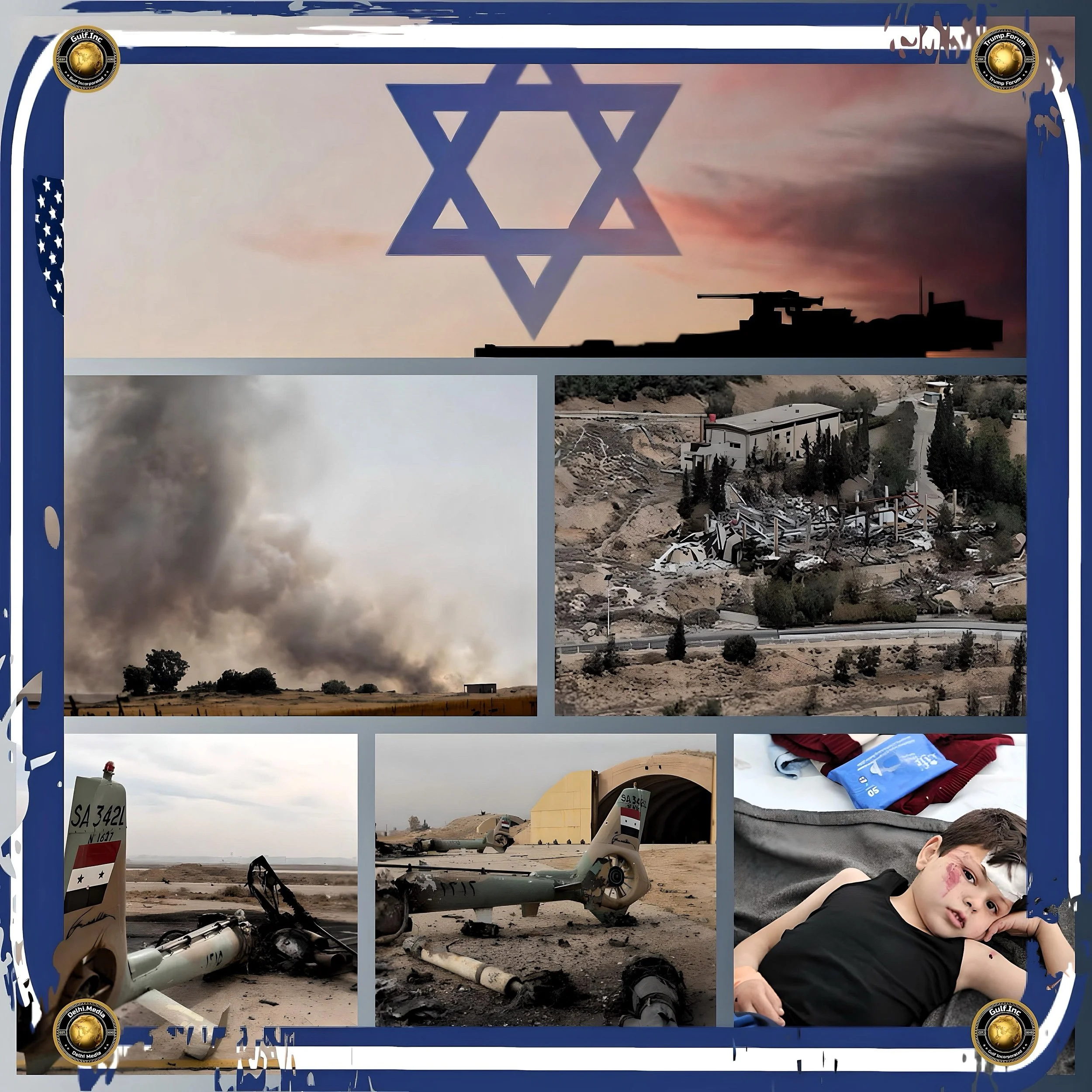
Israel has backed its territorial claims with significant military force. On February 25-26, 2025, Israel conducted extensive airstrikes targeting multiple locations in the Damascus countryside and Daraa province in southern Syria.
Israeli warplanes struck the Al-Kiswah area south of Damascus and Izraa in Daraa with at least four airstrikes, with one reportedly hitting a weapons depot. Defense Minister Katz confirmed these operations, warning that “any attempt by Syrian regime forces and the country’s terrorist organizations to establish themselves in the security zone in southern Syria will be met with fire”.
The Israeli military claimed these strikes targeted “military objectives in southern Syria, including command centers and multiple sites containing weapons”.
Al-Sharaa’s Measured Response Strategy
Diplomatic Rather Than Military Confrontation
Despite Israel’s provocative actions, al-Sharaa has not responded with direct military confrontation, recognizing Syria’s limited military capabilities following years of civil war and recent Israeli strikes.
In December 2024, immediately after Assad’s fall, Israel conducted what was described as “the most extensive bombing campaign in its history,” resulting in the “near-total destruction of Syria’s military infrastructure” with reports indicating “70%-80% of Assad’s military assets destroyed in 48 hours”.
This devastating blow to Syria’s military capabilities has significantly constrained al-Sharaa’s options for response.
International Diplomatic Efforts
Rather than direct confrontation, al-Sharaa has pursued diplomatic channels. During a joint press conference with Qatari Prime Minister Mohammed bin Abdulrahman al-Thani in January, al-Sharaa stated that Israel no longer had any “excuse” to remain in the buffer zone after Damascus rid itself of Iran’s presence.
He emphasized Syria’s willingness to honor the 1974 disengagement agreement and accept UN peacekeepers in the buffer zone, stating: “We’ve notified international officials that Syria honors the terms of the 1974 agreement and is willing to accept UN peacekeepers to protect them”.
Regional Alliance Building
Al-Sharaa has been working to build regional support against Israeli encroachment.
On February 26, 2025, he made his first official visit to Jordan, where King Abdullah II condemned “Israel’s encroachment on Syrian territory” and reiterated Jordan’s support for “Syria’s sovereignty, unity, and territorial integrity”.
Similarly, Qatar has pledged to “use all means available to exert pressure on Israel” to withdraw, with al-Thani stating during his visit to Damascus that Israel “must immediately withdraw” from the buffer zone.
Strategic Calculations Behind Al-Sharaa’s Restraint
Limited Military Options
Syrian affairs expert Aron Lund has noted that “from a military perspective, the Syrian authorities have no chance to confront Israel in the current situation”.
With Syria’s military capabilities severely degraded by years of civil war and recent Israeli strikes, any direct military confrontation would likely result in further devastation without achieving strategic objectives.
Focus on Domestic Consolidation
Al-Sharaa is prioritizing the consolidation of his authority within Syria and rebuilding the country after years of devastating conflict.
Syria is “immiserated by a decade-plus war that killed hundreds of thousands, destroyed most of its major cities, displaced half its population, and saw its economy shrink by 85%”.
In this context, al-Sharaa’s government is focused on the National Dialogue Conference and rebuilding efforts rather than opening a new front with Israel.
U.S. Relations and Sanctions Relief
Al-Sharaa’s restraint may also be calculated to avoid jeopardizing potential negotiations with the United States.
As Lund observed, “from a political standpoint, it was expected that they aim to avoid confrontation with Israel since such a confrontation, if it occurs, could harm their negotiations with the United States”.
Damascus needs to “establish a functioning relationship with the Trump government to ensure that sanctions are lifted and the terrorism designation is suspended”.
Israel’s Strategic Objectives in Syria
Creating a “Security Zone”
Israel’s actions suggest a strategy to establish a permanent “security zone” in southern Syria. According to Israeli newspaper Yedioth Ahronoth, Israel plans to “expand its influence in Syrian territory by a depth of 15 kilometers militarily and 60 kilometers intelligently”.
This would allow Israel to maintain military control deep inside Syria to prevent missile attacks on the Golan Heights.
Territorial Expansion and Settlement Construction
Reports indicate Israel may be pursuing more than temporary security measures.
Western media has “pointed to indications that Israel intends to make its military presence in the Golan permanent, particularly as it strengthens its military infrastructure there and transfers more equipment and troops to the area”.
There are also “reports of settlement construction deep inside Syrian territory—reflecting Israel’s intent to secure long-term control over the region”.
Preventing a Hostile Government in Damascus
Israel is wary of Syria’s new administration and its ties to Turkey.
Netanyahu’s government views al-Sharaa’s HTS background with deep suspicion, with Foreign Minister Gideon Sa’ar describing the new Syrian government as “a jihadist Islamist terror group from Idlib that took Damascus by force”.
By controlling southern Syria, Israel seeks to create a buffer against potential threats from Damascus.
International Response and Regional Implications
Muted International Reaction
The international response to Israel’s actions in Syria has been notably muted.
While the European Union has shown signs it “may pressure Israel to withdraw,” the Trump administration “so far has given complete backing to Israel’s presence there”.
This international dynamic gives Israel significant freedom of action in Syria.
Regional Condemnation Without Action
Several Arab states, including Egypt, Saudi Arabia, the UAE, and Jordan, have condemned Israel’s actions as an illegal seizure of Syrian territory.
However, these condemnations have not translated into concrete actions to pressure Israel to withdraw, leaving Syria largely isolated in its diplomatic efforts.
Turkey’s Position
Turkey, which has explored security cooperation with Syria’s new regime, has condemned what it calls Israeli “expansionism”.
However, Turkey’s primary focus in Syria remains the Kurdish-controlled northeast rather than confronting Israel in the south, limiting its practical support for al-Sharaa against Israeli encroachment.
Conclusion
A Precarious Equilibrium
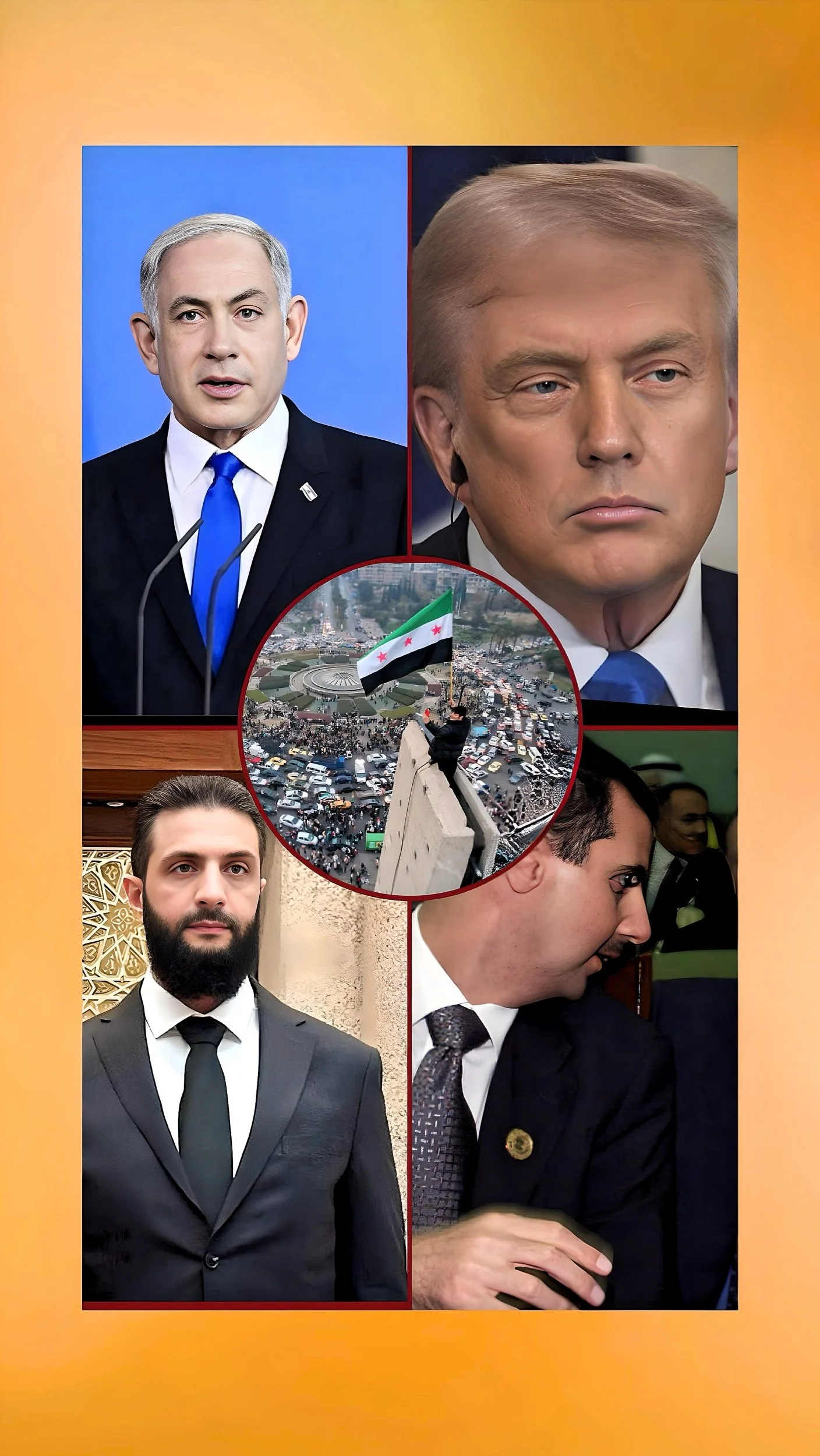
The current situation in Syria represents a precarious equilibrium where Israel continues to expand its military footprint while al-Sharaa maintains a restrained response focused on diplomatic rather than military confrontation.
This restraint should not be mistaken for silence or acquiescence—al-Sharaa has consistently called for Israeli withdrawal and adherence to the 1974 agreement—but rather reflects a calculated strategy based on Syria’s limited options and focus on rebuilding.
As one Syrian analyst noted, “In many ways the notion of resistance is dead,” with al-Sharaa’s government clearly not wanting a conflict with Israel.
However, if Israel continues to expand its presence or launches further strikes closer to Damascus, al-Sharaa may face increasing domestic pressure to respond more forcefully.
The outcome will depend largely on international dynamics, particularly the position of the United States under the Trump administration, and whether regional powers move beyond rhetorical condemnation to more substantive support for Syria’s territorial integrity.