The Yellow Line and the Illusion of Stabilization: A Strategic Analysis of the Gaza Phase Two Transition
Executive Summary
The transition to the second phase of the United States-led pacification strategy for the Gaza Strip is currently characterized by profound structural contradictions that threaten to derail the initiative’s core stability objectives.
Central to this impasse is the Israeli military’s unilateral formalization of the “Yellow Line,” a fortified demarcation that effectively annexes over half of the enclave’s territory under the guise of a forward defensive perimeter.
This de facto partition fundamentally undermines the diplomatic premise of a temporary occupation, transforming provisional security measures into a long-term territorial reality that preempts the authority of the proposed International Stabilization Force.
Furthermore, the operational viability of the roadmap is severely compromised by Hamas’s categorical refusal to cede disarmament authority to external actors and the burgeoning controversy surrounding the opaque transfer of Palestinian nationals to South Africa.
Ultimately, the divergence between the Trump Administration’s governance blueprint and the ground realities of military entrenchment suggests that the emerging status quo represents a permanent fragmentation of the enclave rather than a prelude to political rehabilitation.
Introduction
The fragile armistice governing the Gaza Strip stands at a precipitous juncture as the United States and Israel prepare to initiate the second phase of a contentious stabilization blueprint.
Championed by the Trump Administration, this transition seeks to operationalize a post-conflict governance structure through an International Stabilization Force (ISF) and a “Board of Peace.”
However, this diplomatic initiative is colliding with the hard realities of military entrenchment, most notably the Israeli military’s unilateral demarcation of the “Yellow Line.”
While the US roadmap envisions a gradual restoration of local sovereignty, the physical partitioning of the enclave suggests a strategic objective that resembles permanent annexation rather than temporary stabilization, creating a volatile chasm between diplomatic rhetoric and the facts on the ground.
The Territorial Reality: From Buffer Zone to Border
The primary friction point in the current negotiations is the divergent interpretation of “stabilization” held by the belligerents and mediators.
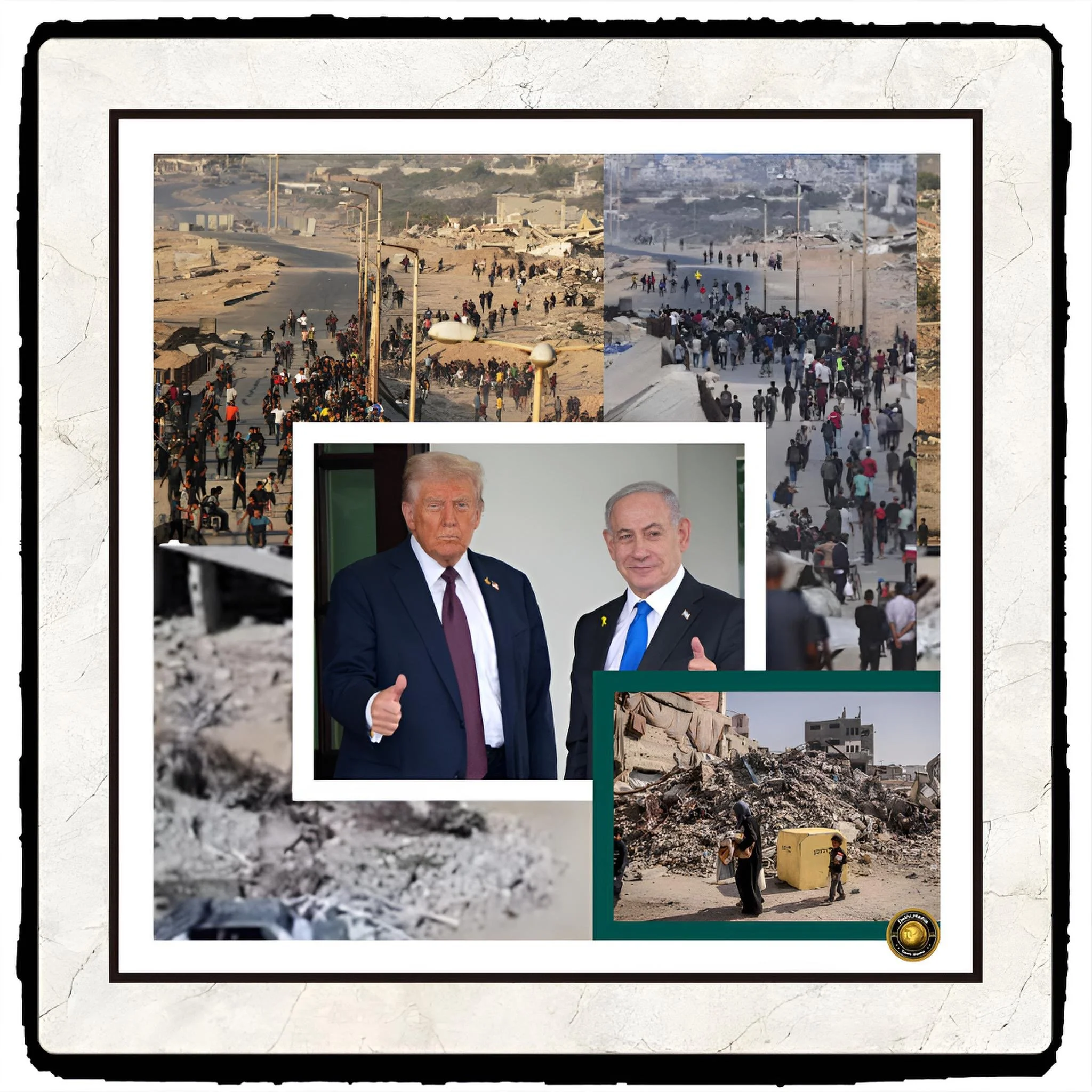
The “Yellow Line,” physically marked by concrete fortifications, leaves Israel in operational possession of approximately 53 percent of the Gaza Strip, including critical sectors in the north and the southern city of Rafah.
IDF Chief of Staff Lt. Gen. Eyal Zamir has characterized this demarcation not as a temporary buffer, but as a “new border” and a “forward defensive line.”
This designation fundamentally undermines the premise of an eventual Israeli withdrawal, fueling regional anxieties that the occupation of these zones is intended to be permanent.
While Washington envisions the ISF gradually assuming responsibility as this line recedes, the heavy infrastructure being erected implies a long-term entrenchment that complicates any future transfer of authority.
The Disarmament Impasse and International Skepticism
Compounding these territorial anxieties is the deadlock over disarmament mechanisms. Senior Hamas official Basem Naim has drawn a rigid red line against the US proposal, explicitly rejecting the mandate of any international force to oversee the disarmament of resistance factions.
Naim distinguished sharply between acceptable United Nations border monitoring and unacceptable international custodianship over internal security, refusing to cede the “monopoly of violence” to a foreign body.
This resistance fractures the consensus required for the “Board of Peace” initiative, which faces deep suspicion from Arab and Muslim-majority nations.
Regional mediators, including Egypt and Qatar, have issued joint condemnations of Israel’s policies, while European leaders, such as German Chancellor Friedrich Merz, have adopted a cautious stance, predicating future reconstruction aid on tangible clarifications regarding the scope of the international mandate.
Demographic Controversy and Humanitarian Alarm
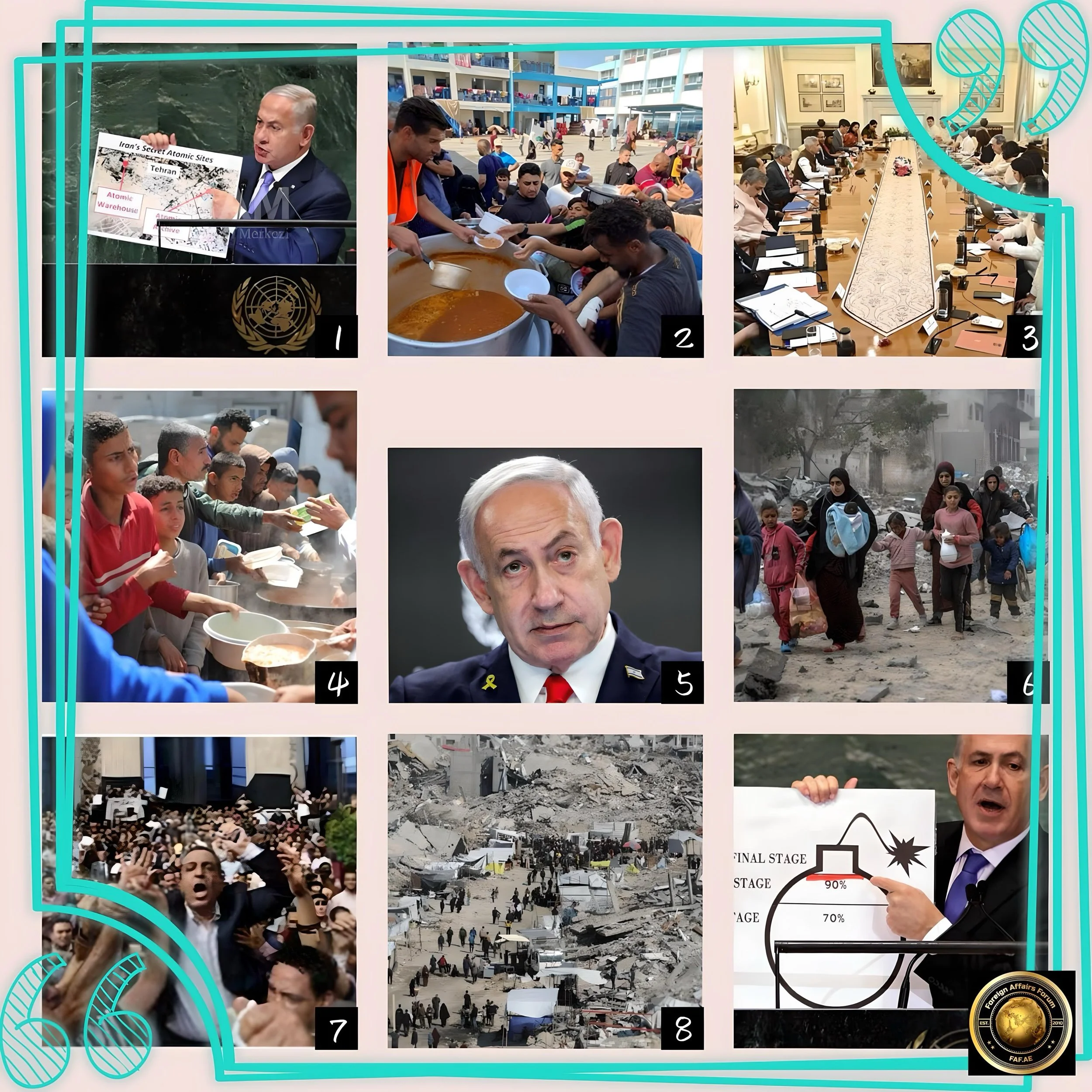
The stability roadmap is further strained by acute humanitarian alarms regarding potential forced displacement.
South African President Cyril Ramaphosa has emerged as a vocal critic of the “mysterious” deportation of 153 Palestinians to his country—an operation facilitated by the IDF and an opaque entity known as Almad Europe.
Ramaphosa characterized the arrival of undocumented Palestinians as a “flushing out” of Gaza’s population, a sentiment that resonates with broader fears of demographic engineering disguised as “voluntary migration.”
This controversy is magnified by Israel’s “exit-only” policy at the Rafah crossing, which Egyptian Foreign Minister Badr Abdelatty has accused of being a systematic violation of ceasefire terms.
The convergence of these opaque population transfers with the formalization of the Yellow Line suggests a coordinated effort to alter the demographic reality of the strip before any governance solution can take root.
Conclusion
The trajectory of the Phase Two implementation indicates that the current diplomatic framework is being utilized to legitimize a new security reality rather than to restore the status quo ante.
The simultaneous formalization of the Yellow Line as a border and the logistical facilitation of population transfers suggests a dual strategy of territorial contraction and demographic shifts.
Consequently, the US-backed plan risks being perceived not as a vehicle for peace, but as a diplomatic cover for the compartmentalization of Gaza into disjointed, demilitarized administrative zones.
Unless the role of the stabilization force is strictly defined and the permanency of the Yellow Line explicitly disavowed, the “deception” feared by critics may manifest as the permanent fragmentation of the Palestinian enclave.