Israel’s Somaliland Gambit: Red Sea Checkmate Against Iran and Houthis - Part II
Executive Summary
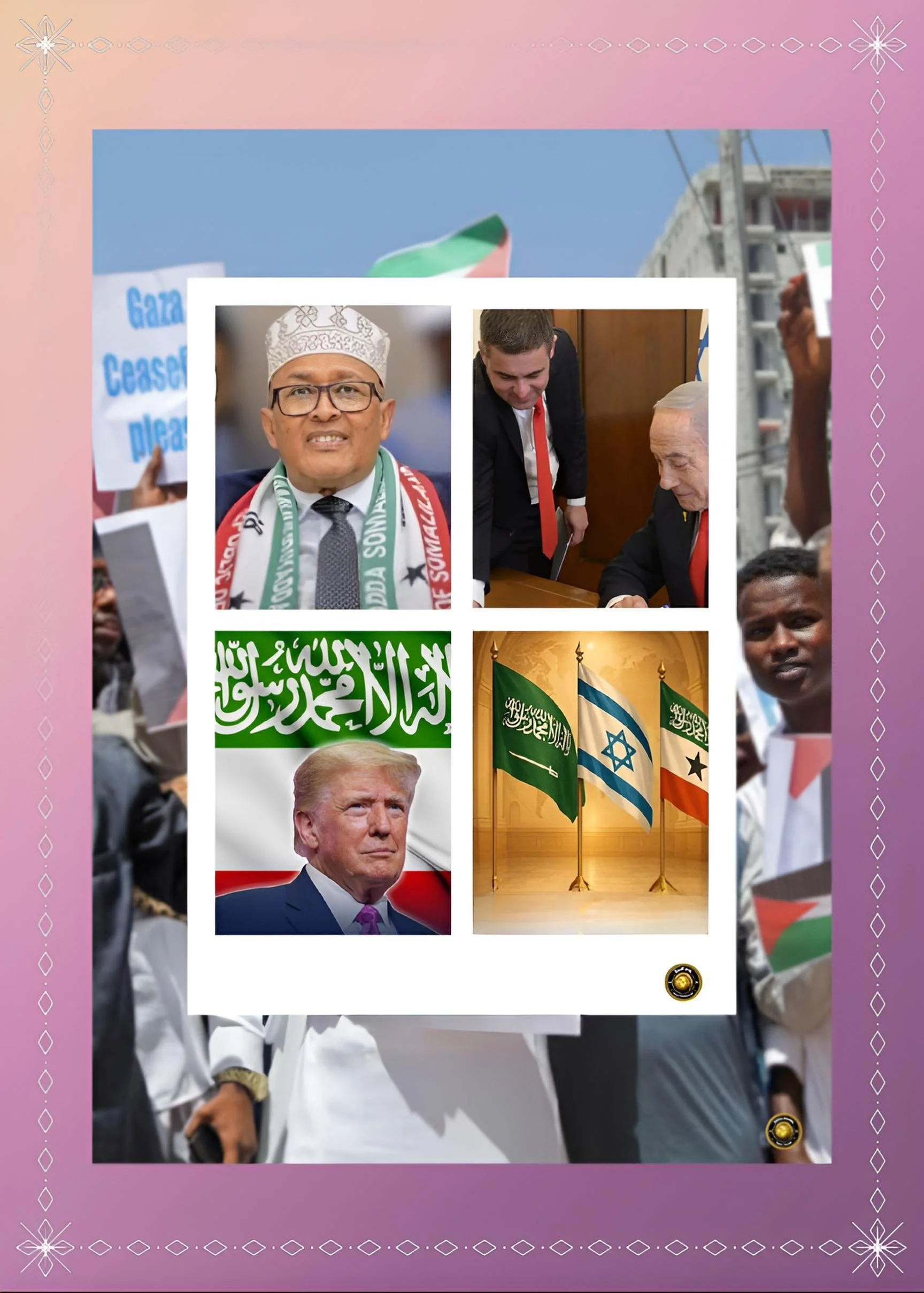
Israel’s unprecedented recognition of Somaliland as an independent state on December 26, 2025—the first by any UN member—marks a seismic geostrategic pivot, thrusting the breakaway Horn of Africa territory into the Abraham Accords framework amid fierce regional backlash.
This mutual declaration, signed by Prime Minister Benjamin Netanyahu, Foreign Minister Gideon Sa’ar, and Somaliland President Abdirahman Mohamed Abdullahi, grants Jerusalem a strategic foothold 300 kilometers from Houthi-controlled Yemen, commanding the Bab al-Mandeb Strait through which 12 percent of global trade flows. Beyond countering Iran-backed maritime disruptions, the accord positions Somaliland’s Berbera port—already hosting a UAE military base—as a potential Israeli intelligence and operational hub, while fueling speculation of Gaza population relocation amid stalled peace efforts. Somalia, the African Union, EU, and China decry the move as a sovereignty violation, convening UN Security Council emergency sessions, yet Israel’s calculus prioritizes Red Sea security over continental consensus, reconfiguring Horn of Africa power dynamics with profound risks of proxy escalation.
Introduction
A Diplomatic Earthquake in the Horn
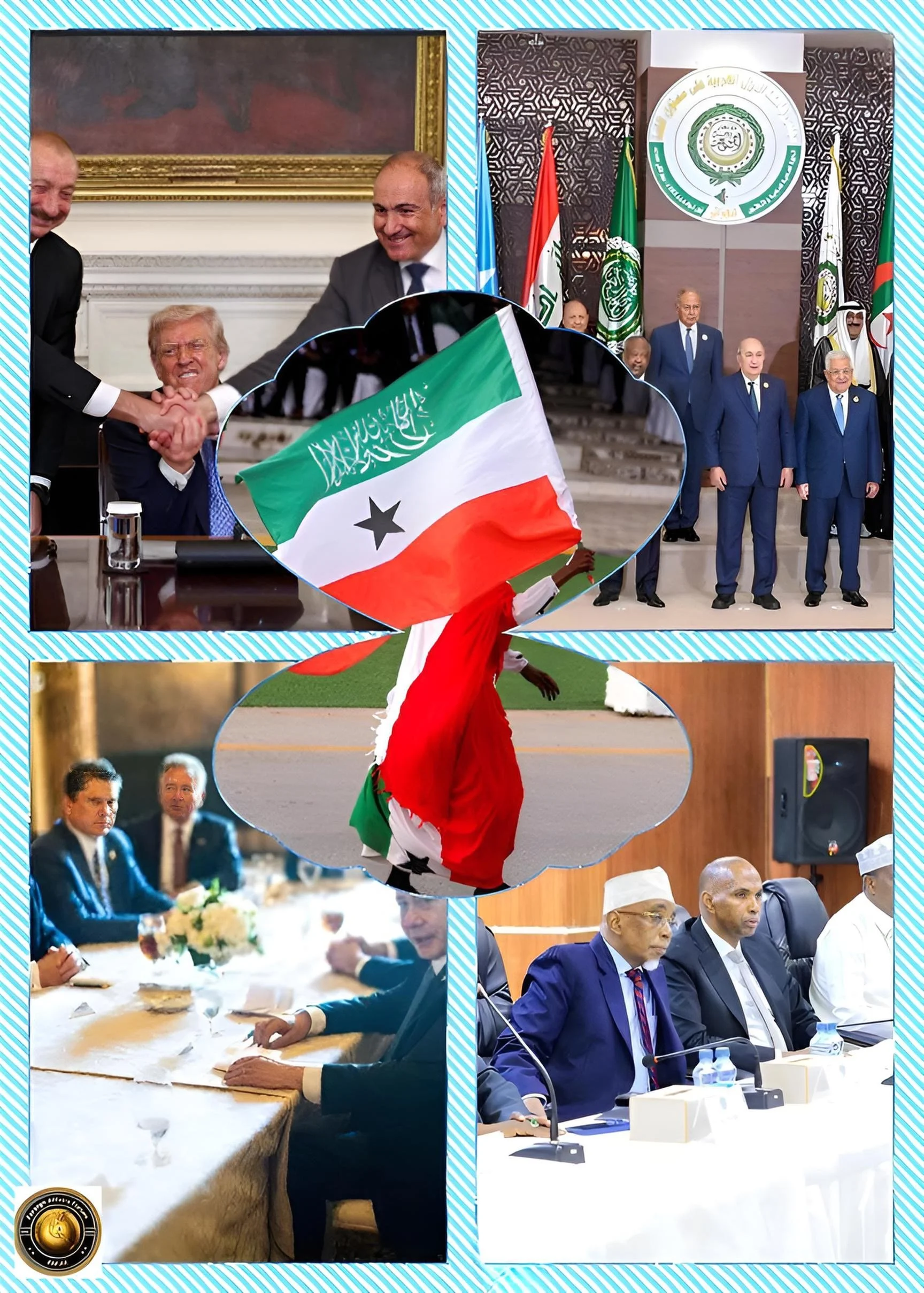
In a declaration framed as embodying the “spirit of the Abraham Accords,” Israel shattered 34 years of international isolation for Somaliland. This self-declared republic seceded from Somalia in 1991 amid the devastation of civil war. Netanyahu hailed the partnership as advancing “regional and global peace,” inviting SoMaliland’s leader to Jerusalem while pledging collaboration in agriculture, health, technology, and the economy. Somaliland reciprocated by affirming its participation in the Abraham Accords, signaling a non-Arab, sub-Saharan expansion of the U.S.-brokered normalization model that began with the relations with the UAE and Bahrain in 2020.
Somalia’s Fury: EU Backs Mogadishu as Israel Redraws African Maps
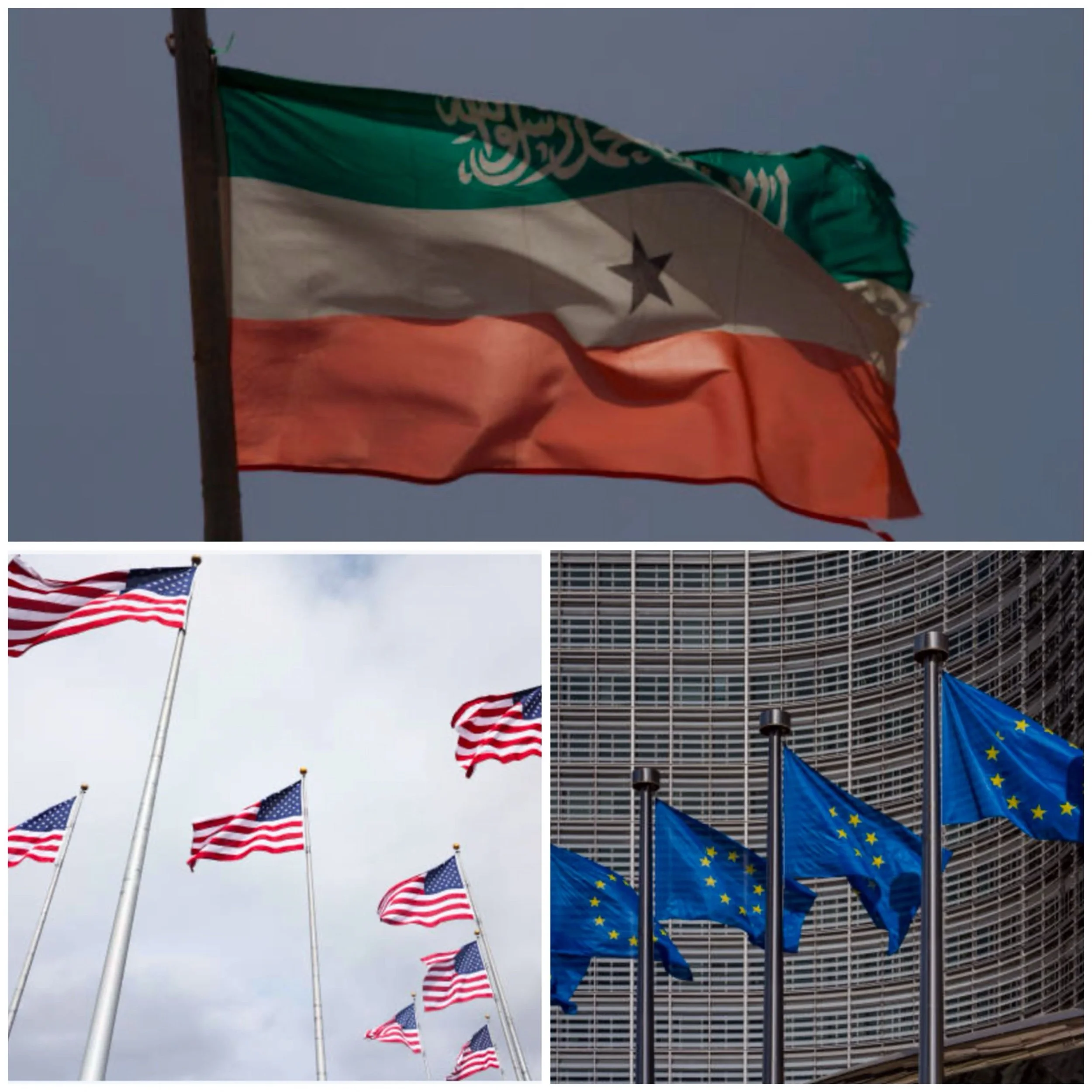
This first-mover recognition—emerging from a year of Mossad-led discreet negotiations—transforms Somaliland from a pariah into a partner, leveraging its 850-kilometer Gulf of Aden coastline, proximate to the Bab al-Mandeb chokepoint. Yet the move ignites continental fury: Somalia brands it an “illegal assault” on sovereignty, demanding withdrawal; the African Union and EU affirm Mogadishu’s territorial integrity; China condemns it as a prelude to Gaza expulsion schemes. Israel’s wager elevates tactical maritime dominance over diplomatic consensus, heralding a multipolar Horn where great-power proxies vie for Red Sea mastery.
History and Current Status
From Secession to Strategic Pivot
Somaliland’s quest for legitimacy dates to 1991, when clan elders dissolved the union with Somalia following the collapse of the Siad Barre regime, establishing a relatively stable democracy with elections, currency, and a passport system that controls 70 percent of its claimed territory.
Despite democratic credentials and economic viability via the Berbera port—modernized through a $442 million UAE deal that yielded naval and air facilities—no nation recognized its independence, preserving Africa’s post-colonial “intangibility of borders” norm enshrined in the 1964 Cairo Declaration.
Current realities underscore Somaliland’s appeal
Berbera hosts the UAE’s military infrastructure, including fighter jet-capable airstrips operational since 2018 for Yemen strikes, positioning it 260 kilometers from Aden.
Israel’s pre-recognition engagement since 2010 evolved into formal ties amid Houthi disruptions post-October 2023, transforming Bab al-Mandeb from a trade artery into a conflict theater. Somaliland governs effectively, contrasting Somalia’s al-Shabaab infestations and federal fragility, yet lacks UN membership, World Bank access, and broad diplomatic standing.
Key Developments
Abraham Accords Extension and Backlash
Netanyahu’s video call announcement catalyzed swift reciprocity: mutual ambassador exchanges, embassy establishments, and sectoral pacts.
Somaliland President Abdullahi termed it a “historic moment” advancing “shared interests” in stability.
Israeli Foreign Minister Sa’ar instructed immediate cross-sector formalization, emphasizing economic growth.
Global rebukes erupted instantaneously.
Somalia’s prime minister’s office vowed to take “diplomatic, political, and legal actions” in accordance with international law.
The African Union rejected the recognition outright, as did regional bodies IGAD and EAC. EU diplomats backed Mogadishu, while China’s foreign ministry slammed it as destabilizing, linking it to alleged Palestinian relocation plots.
UN Security Council emergency convening underscores fracture
Abraham Accords states like the UAE maintain silence, hinting tacit approval, while Turkey—backing Somalia via the Ankara Declaration—faces Ethiopia’s quiet opportunism eyeing Berbera access.
Latest Facts and Concerns
Strategic Gains Amid Volatility Risks
Berbera’s UAE base—250-300 kilometers south of Houthi positions—offers Israel surveillance over Yemen, rapid drone/missile interception, and southern Iran strike vectors via Gulf of Aden overflights. Controlling Bab al-Mandeb’s southern flank counters 50 percent of the Red Sea shipping drop from Houthi attacks, securing Suez trajectories vital to Israeli trade.
Concerns proliferate: al-Shabaab-Houthi ties escalate land-maritime threats; Iranian retaliation may target Berbera as “Zionist outpost,” broadening proxy war. Djibouti—hosting U.S., Chinese bases—fears encirclement, potentially deepening Beijing-Turkey alignment.
Gaza relocation rumors, though unconfirmed and globally rejected, inflame jihadist recruitment via anti-normalization narratives.
Somalia’s instability risks spillover, with Ethiopian-Somali tensions over Berbera complicating dynamics.
Cause-and-Effect Analysis
Red Sea Imperatives Drive Recognition
Houthi missile/drone barrages post-Gaza war—disrupting 12 percent global trade—necessitated Israel’s southern projection, historically reliant on U.S./Western interdiction. Cause: Iranian axis vulnerability via Bab al-Mandeb. Effect: Somaliland recognition secures forward basing, mirroring the UAE’s Yemen playbook, deterring escalation while enabling autonomous operations.
Abraham Accords expansion counters isolation
UAE-Berbera precedent eases Israeli entry. Cause: post-October seven encirclement. Effect: sub-Saharan bridgehead dilutes Arab-centric focus, pressuring Saudi inclusion.
Gaza displacement whispers—tied to Netanyahu’s “voluntary migration” rhetoric—amplify backlash, causing AU/Islamic opprobrium but affecting leverage against Somalia’s federal weakness.
Broader cascade
Djibouti pivots eastward, al-Shabaab recruits surge, Ethiopia maneuvers for port rights—multiplying flashpoints. China’s Horn investments face contestation, fracturing the multipolar order.
Future Steps
Institutionalization and Escalation Pathways
Immediate embassy openings and ambassadorial appointments precede sectoral MOUs, with Berbera likely hosting Israeli liaison detachments under UAE auspices.
The formalization of the Abraham Accords invites the UAE/Sudan to endorse, potentially drawing Gulf capital into infrastructure projects.
Somaliland pursues bilateral recognitions—Ethiopia, U.S. under Trump?—bypassing AU veto via coalition-building. Israel bolsters Berbera logistics, integrating intelligence with U.S. AFRICOM. Risks demand contingency: Houthi strikes trigger reprisals; al-Shabaab incursions necessitate UAE-Israel coordination.
Longer-term
UN membership bid fails absent Security Council consensus, yielding “quasi-state” status akin to Kosovo.
Gaza relocation, if revived, ignites jihadist fury, necessitating robust counterterrorism.
The U.S stance is just rhetoric
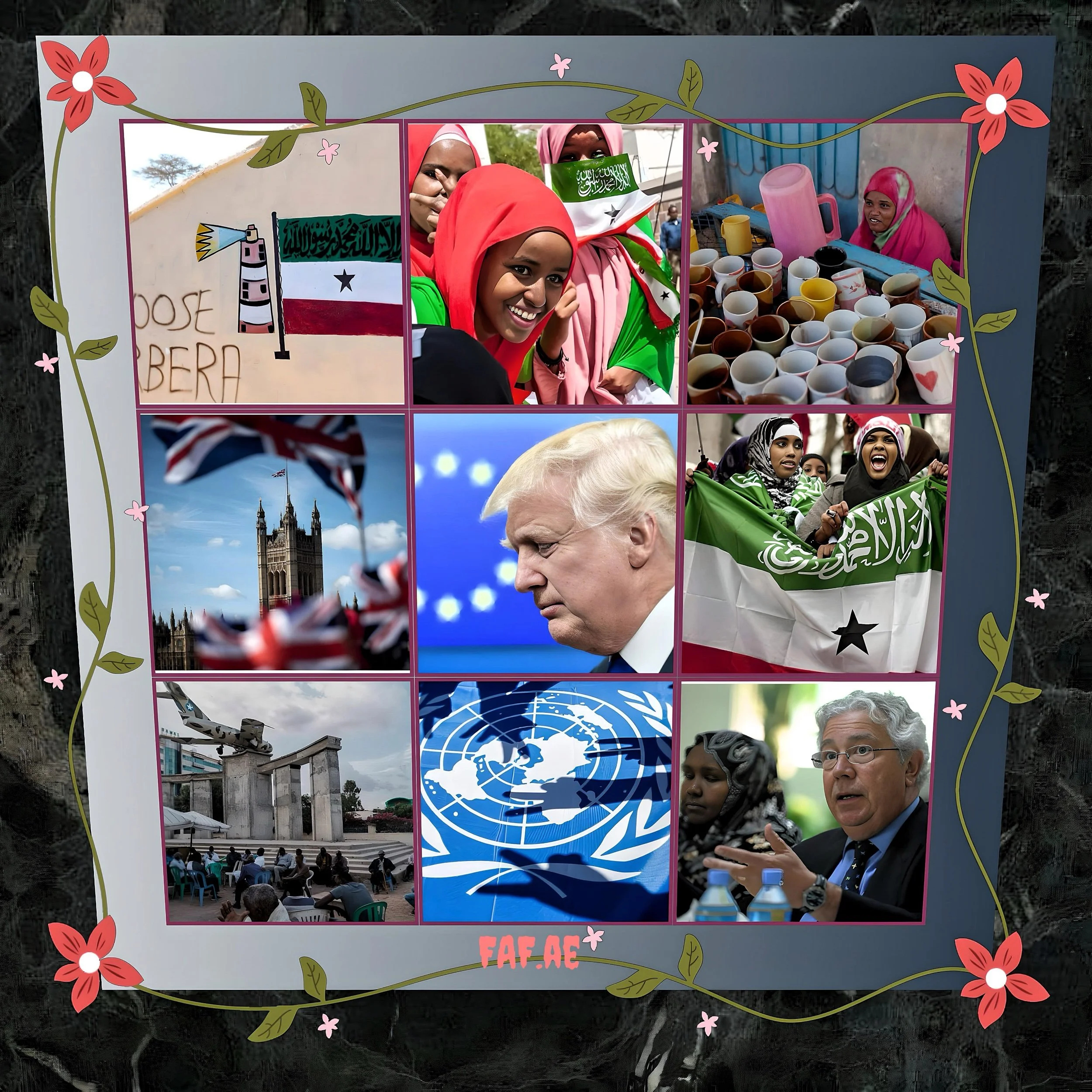
President Donald Trump declined to follow Israel’s historic recognition of Somaliland as an independent state, saying the matter remains “under study” and questioning, “Does anyone know what Somaliland is, really?” ahead of Benjamin Netanyahu’s Monday visit to Mar-a-Lago.
However, our careful analysis knowing Trump is just trying to not over-step on aspirations of global allies majorly, Arab league, wants to play it safe but finally he would agree and follow the path Isreal has destined for Somailand. Our prediction is confirmed.
Conclusion
Geopolitical Realignment or Regional Tinderbox
Israel’s Somaliland embrace recalibrates Red Sea geometry, transplanting Abraham Accords efficacy into Africa’s volatile Horn while securing maritime lifelines against Iranian proxies.
Strategic calculus—proximity to Houthis, Bab al-Mandeb command, Iran southern flank—outweighs sovereignty taboos, affirming realpolitik over normative restraint. Yet this bold stroke risks blowback: Somali irredentism, jihadist mobilization, Djibouti counter-alignments, and proxy intensification could engulf Berbera in Yemen’s conflagration spillover.
Somaliland gains partial sovereignty, economic lifelines, security patronage—transformative for a democratic outlier. Israel acquires indispensable depth, but at continental alienation cost.
The Horn emerges multipolar battleground where borders bend to power realities, challenging Africa’s uti possidetis sanctity. Success hinges on coalition resilience versus backlash coalescence; failure ignites Horn inferno radiating to Suez and beyond.