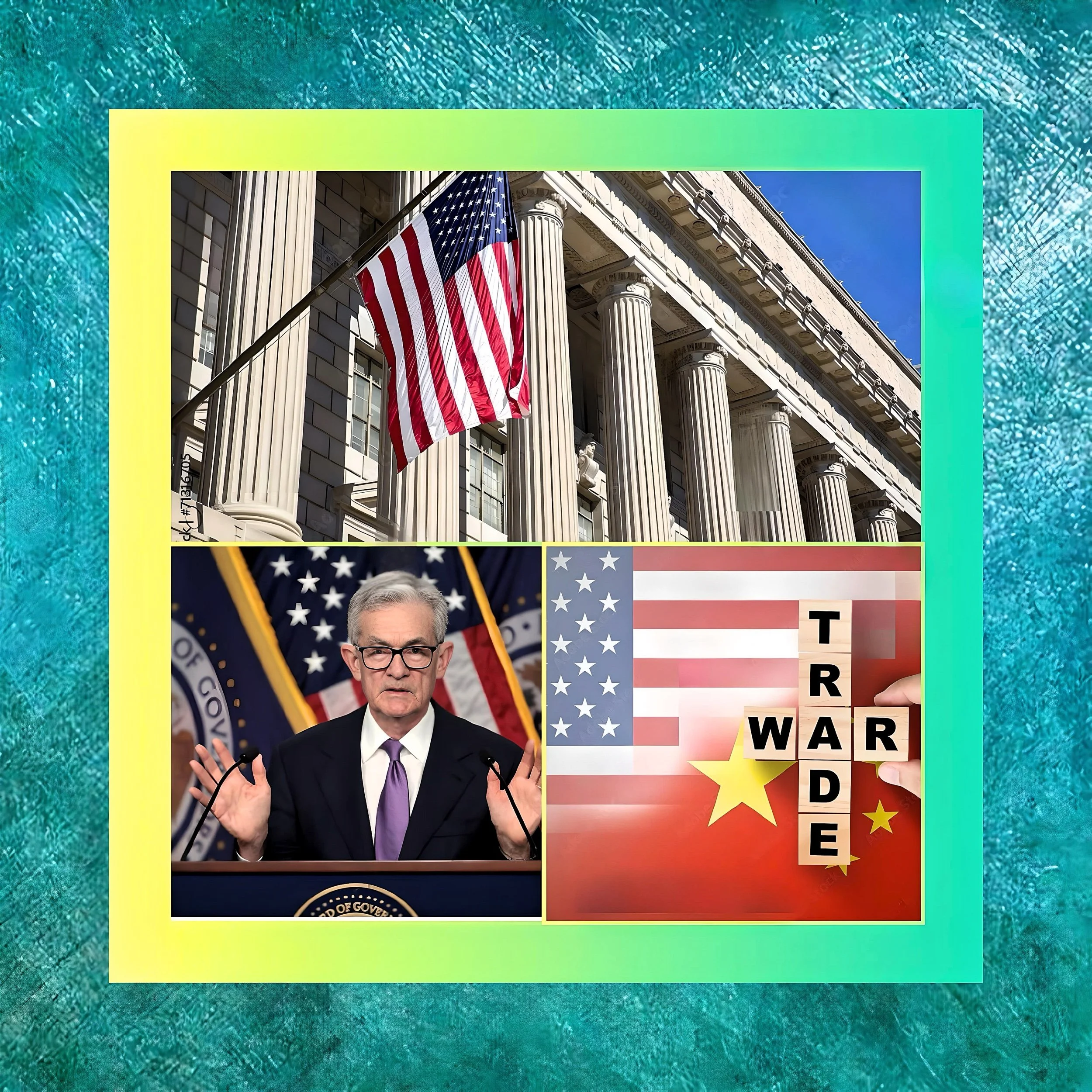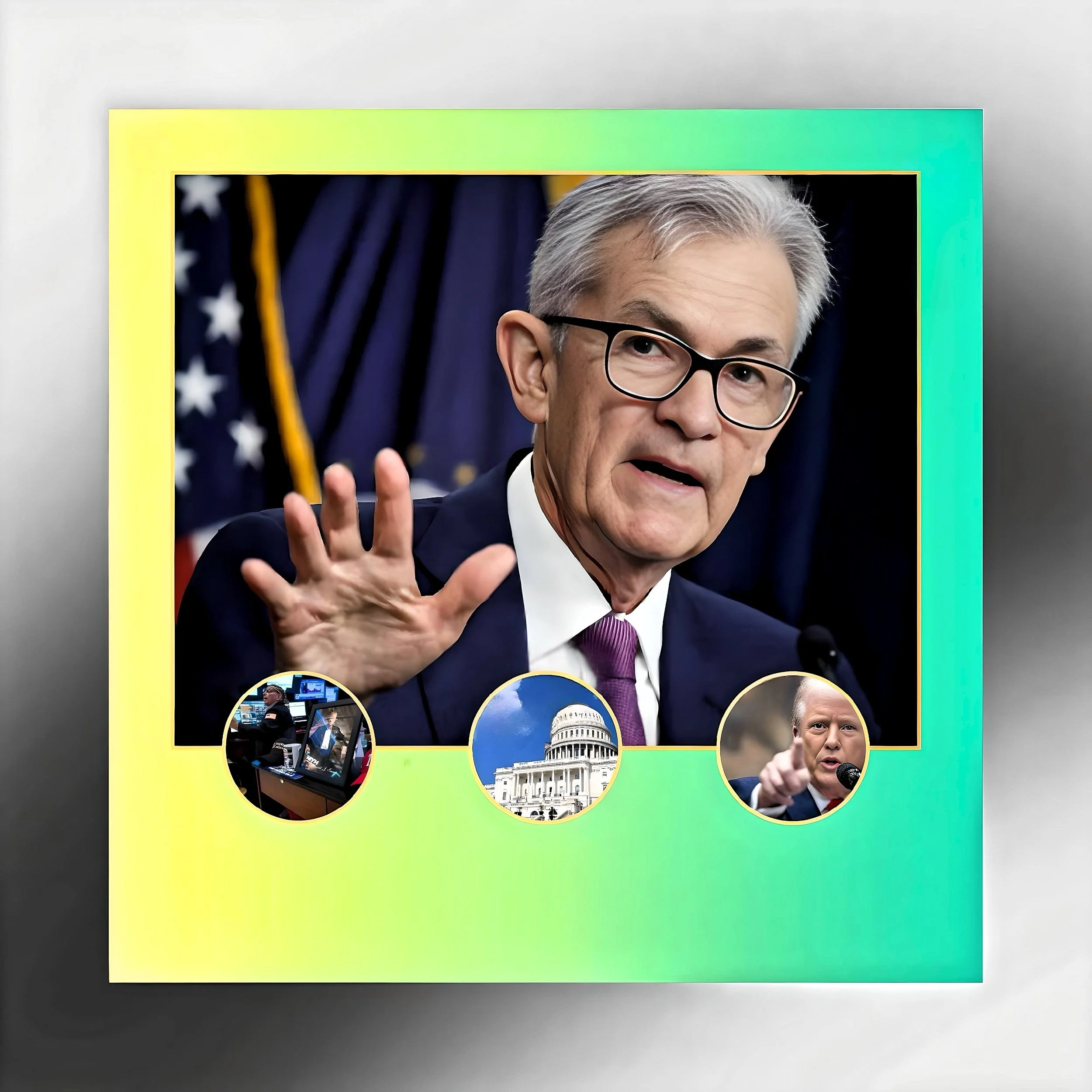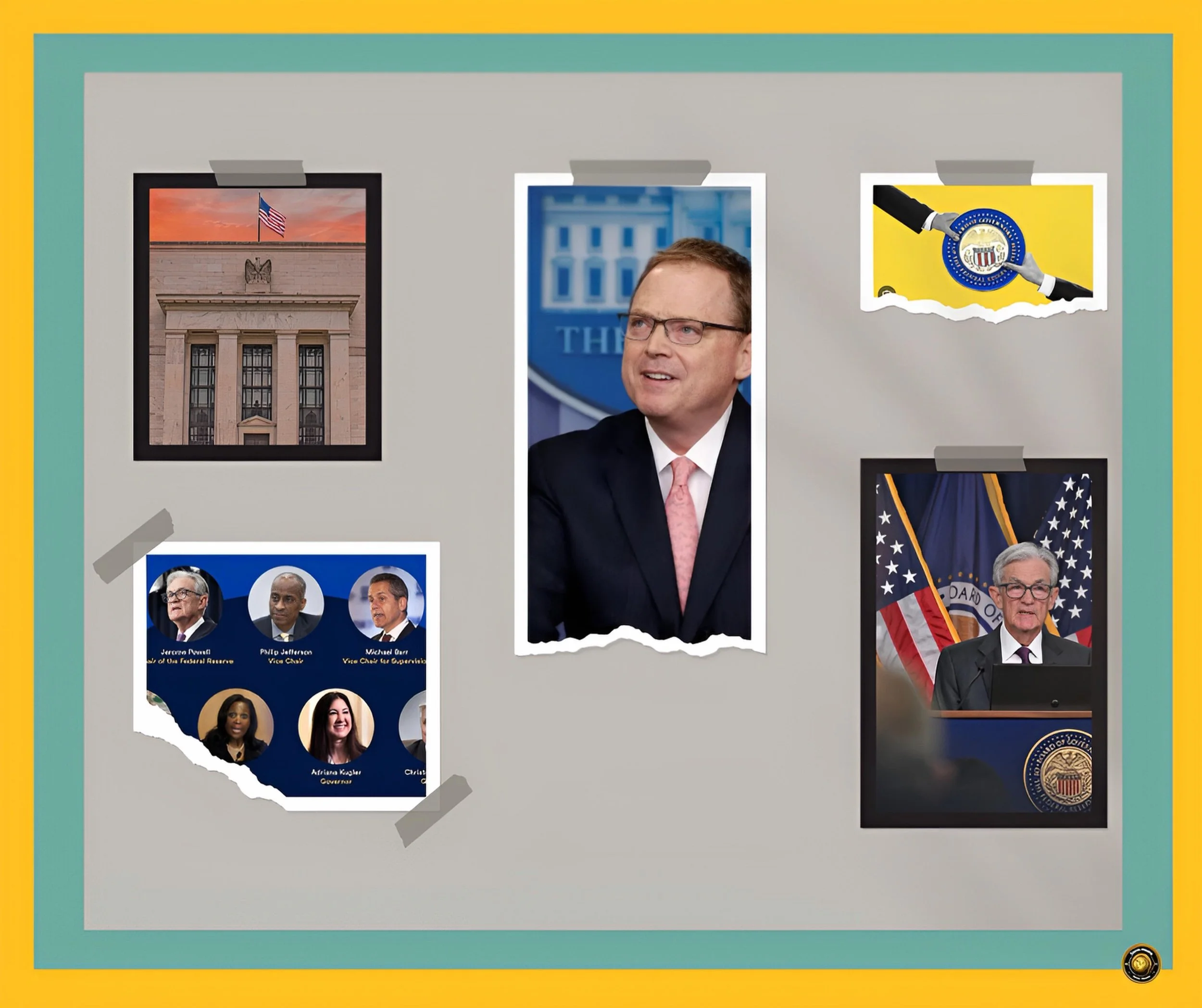
Federal Reserve Leadership Transition & Economic Outlook: December 2025 – May 2026
Executive Summary
Kevin Hassett’s rise as frontrunner to succeed Jerome Powell as Federal Reserve Chair marks a critical shift in U.S. monetary policy.
Prediction markets show 79-80% odds for his nomination, with Trump signaling an announcement by Christmas 2025, leading to a five-month “shadow chair” phase from December 2025 to May 2026.
FAF review covers
(1) Fed Chair succession odds and schedule
(2) Powell’s pre-departure rate cuts
(3) Dovish Hassett Fed impacts
(4) Risks from prolonged mortgages and inflation spikes.
Kevin Hassett as Next Fed Chair—Status & Timeline
Nomination Odds & Disclosure Period
Kevin Hassett, Trump’s National Economic Council Director, leads as successor to Powell.
Kalshi and Polymarket odds hit 79-80% for Hassett, versus 8% for Chris Waller and 13% for Kevin Warsh.
Trump declared on December 1, 2025, that he selected his pick, while Treasury Secretary Scott Bessent hinted at pre-Christmas reveal, yielding five months until Powell’s May 2026 exit.
Selection Rationale
Hassett advises Trump directly on economic policy since 2025, earning trust for pushing rate cuts amid current data; he forecasts robust 2026 GDP expansion.
Trump values Hassett’s loyalty over Powell’s independence, sparking Wall Street worries on Fed politicization.
Shadow Fed Chair Effect
Post-announcement, Hassett functions as “shadow chair” for five months, drawing market focus from Powell’s FOMC sessions.
Bessent noted forward guidance pivots to nominees, akin to 1970s Burns-Nixon dynamics fostering dovish policy and inflation.
Jerome Powell’s Pre-Exit Rate Path
December 2025 FOMC (Dec 9-10)
87% odds emerge for 25bps cut to 3.50%-3.75% from 3.75%-4.00%, marking 2025’s third easing amid softening jobs and easing inflation; Williams endorsed near-term cuts.
Powell refrains from countering market bets, implying endorsement.
January 2026 & Farewell Cuts Projection
January cut odds range 50-70%, hinging on December jobs/PCE data; UBS sees two Q1 cuts, BofA eyes June-July easing tied to new chair.
February-April “farewell” cut odds drop lower; Powell likely holds hawkishly to affirm credibility against Hassett’s shadow.
Key Reservation
October minutes reveal FOMC fractures, with two dissenters against September cut; upside inflation could pause easing.
Economic Implications of Fed Rate Cuts Under Hassett Leadership (April 2026 Onwards)
Market Outlook for 2026
Market forecasts currently anticipate the federal funds rate settling near 3% by December 2026, down from the existing range of 3.75% to 4%. This implies four to six additional 25 basis point cuts throughout 2026.
Given Kevin Hassett’s dovish stance, rate reductions could accelerate beyond consensus expectations.
Analysis from Forbes suggests potential cumulative cuts of 1.0 to 1.5 percentage points under political pressures that surpass typical macroeconomic justification.
Low Borrowing Costs, Inflation Risks, and Refinancing Advantages
A three-pronged economic scenario merits further examination:
(1) Reduced Borrowing Costs
A 3% federal funds rate would result in 30-year mortgage rates falling to approximately 5.0% to 5.5%, compared to the current 6%, substantially lowering monthly payments and refinancing expenses on the nation’s $36 trillion debt.
(2) Fiscal Benefit
With $11 trillion of federal debt maturing within the next year, lower interest rates could save the government tens of billions in annual interest expenses, partially offsetting the $1.8 trillion fiscal year 2025 deficit.
(3) Inflation Overshoot Risk
Inflation currently stands at 3.0% year-over-year (September 2025), already exceeding the Fed’s 2% target by 1 percentage point.
Aggressive rate cuts may push inflation to between 3.5% and 4.0% by late 2026, exacerbated by factors such as tariffs, a resilient labor market, and increased leverage in a low-rate environment.
Debt Refinancing and Fiscal Considerations
While lower rates reduce refinancing costs, they could structurally increase the federal deficit by incentivizing government spending, diminishing the effectiveness of austerity measures, compressing real yields with potential capital flight, and heightening risks if the deficit remains elevated near $1.7 to $1.8 trillion annually.
Bruegel analysis warns that these factors may precipitate a debt crisis if fiscal adjustments are deferred beyond 2030.
The 50-Year Mortgage Proposal: Risks and Historical Parallels
In November 2025, the Trump administration proposed 50-year mortgages to improve housing affordability.
Kevin Hassett highlighted that such mortgages would significantly lower monthly payments for middle-class buyers amid a median home price of $415,000 and mortgage rates above 6%.
However, economists warn that the primary driver of housing unaffordability is supply constraints, not payment duration.
The proposal has drawn parallels to the 2005–2006 adjustable-rate mortgage (ARM) crisis but differs since 50-year fixed mortgages avoid mechanical rate reset shocks while introducing duration risk, particularly if inflation remains elevated or interest rates rise markedly.
The proposal also risks fueling demand-side price pressures without addressing supply bottlenecks.
National Debt Refinancing and Strategic Implications
The United States faces approximately $11 trillion in debt refinancing within 12 months against a total national debt of $36 trillion.
A reduction in Fed rates to 3% could save $30 to $50 billion annually in interest payments, potentially amounting to $300 to $500 billion over a decade.
While the Treasury typically manages refinancing through regular auctions, anticipatory market expectations of Fed rate cuts under Hassett may accelerate this process before year-end.
Politically, the Trump administration has an incentive to announce Hassett’s appointment promptly to signal impending rate cuts, pre-refinance debt at current yields, and position itself favorably on economic performance.
Integrated Risk Assessment and Outlook
The bull case foresees aggressive Fed rate cuts lowering borrowing costs, easing refinancing, expanding homeownership access via 50-year mortgages, stimulating mergers and acquisitions, capital expenditures, and equity valuations, thus benefiting the Trump administration politically.
Conversely, risks include an inflation trap where elevated inflation compels a Fed policy reversal, eroding purchasing power and market credibility.
Fiscal deficits appear unsustainable with persistently low rates. Housing market issues remain unresolved by extended mortgage terms alone, posing affordability and equity risks.
Political pressure may induce FOMC dissent or unstable policy decisions, especially if Hassett’s appointment is perceived as politically driven.
Upcoming Developments to Monitor
Powell’s December 2025 press conference tone for clues on post-December rate policy.
Announcement timing and framing of Hassett’s appointment, indicating potential future Fed policy aggressiveness.
Inflation data from December PCE and CPI reports, affecting rate cut expectations.
FOMC dissent levels during January meetings, signaling internal Fed dynamics.
Recommendations for Stakeholders
Individual borrowers considering refinancing should secure rates before the December 2025 announcement due to potential market volatility.
Prospective homebuyers should await clarity on the 50-year mortgage proposal.
Debt holders may consider portfolio adjustments toward shorter-duration bonds amid inflation uncertainties.
Conclusion
Overall, the expectation that Powell will continue to reduce rates through his tenure, with Hassett accelerating cuts and the 50-year mortgage carrying inherent risks, remains well-founded.
Key uncertainties include inflation dynamics, FOMC internal politics, policy implementation, and bond market confidence.
The political nature of the current Fed transition heightens the likelihood of policy missteps and inflationary pressures beyond current market anticipations.
This analysis reflects a professionally restructured and concise summary of critical economic implications tied to the anticipated Fed and housing policies for 2026.