Mexico’s $1 Billion Gamble: Risking Asian Trade to Appease Washington
Executive Summary
A major blow to Asian trade: Mexico City builds a tariff wall
In a decisive shift toward economic protectionism, the Mexican government has approved legislation to dramatically increase, rather than slash, tariffs on imports from countries with which it lacks a free trade agreement, most notably India and China.
Effective from January 1, 2026, these new duties will range between 5 and 50 percent and affect over 1,460 tariff lines, including key sectors such as automotive, steel, and textile move, ratified by the Senate on December 11, 2025, aims to curb the influx of Asian goods, would alleviate a substantial trade deficit, and align Mexico’s trade posture with the United States ahead of the critical USMCA review.
The policy poses an immediate threat to approximately $1 billion in Indian automotive exports and signals a turbulent period for bilateral trade relations.
Introduction
Nearshoring or Friend-shoring? Mexico’s Tariff Move Redefines Global Manufacturing
Global trade dynamics in North America have entered a volatile phase following Mexico’s Senate approval of a sweeping tariff package that targets Asian economies.
While initial speculation or optimistic misinterpretations suggested a potential easing of trade barriers for partners like India, the reality is a stark imposition of steeper levies.
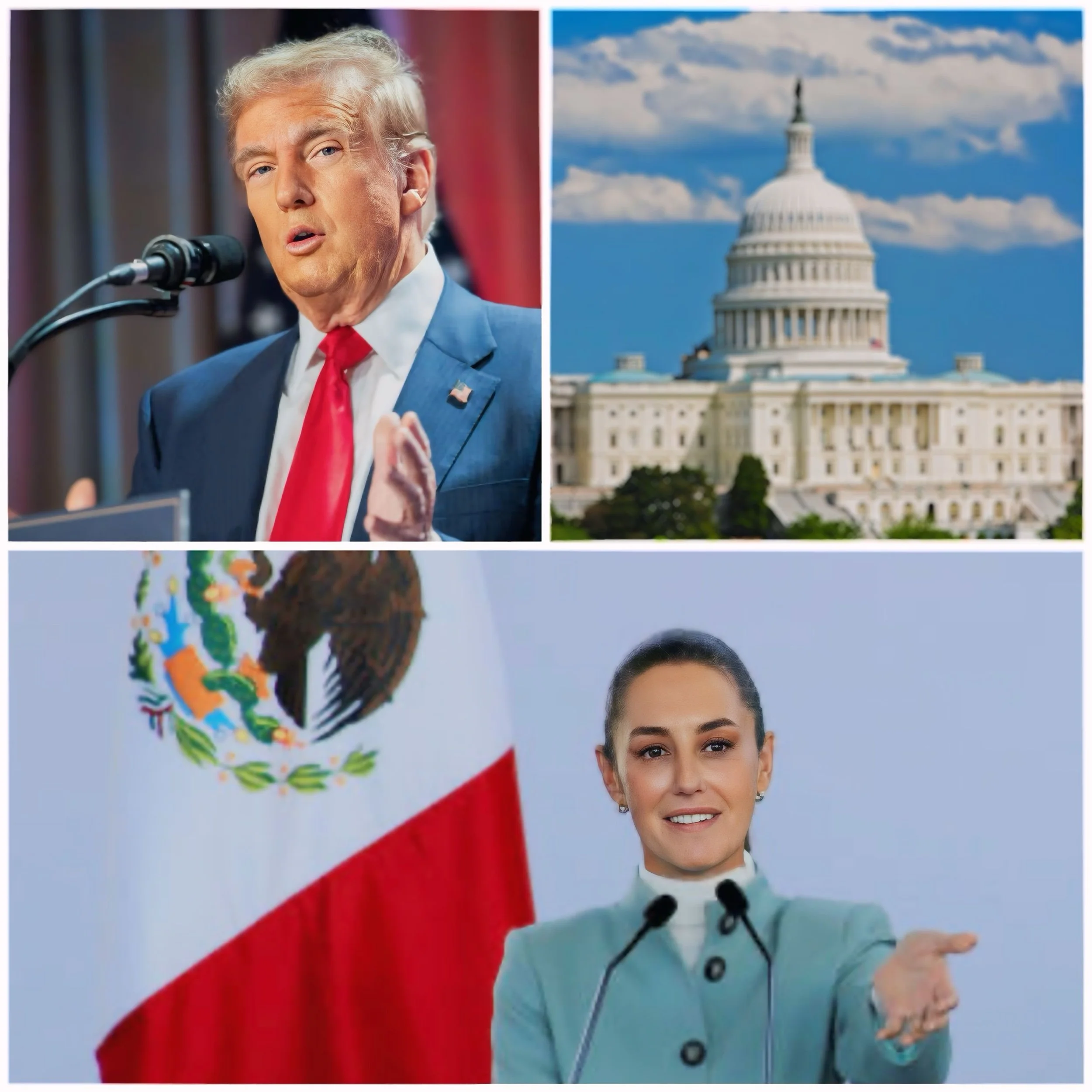
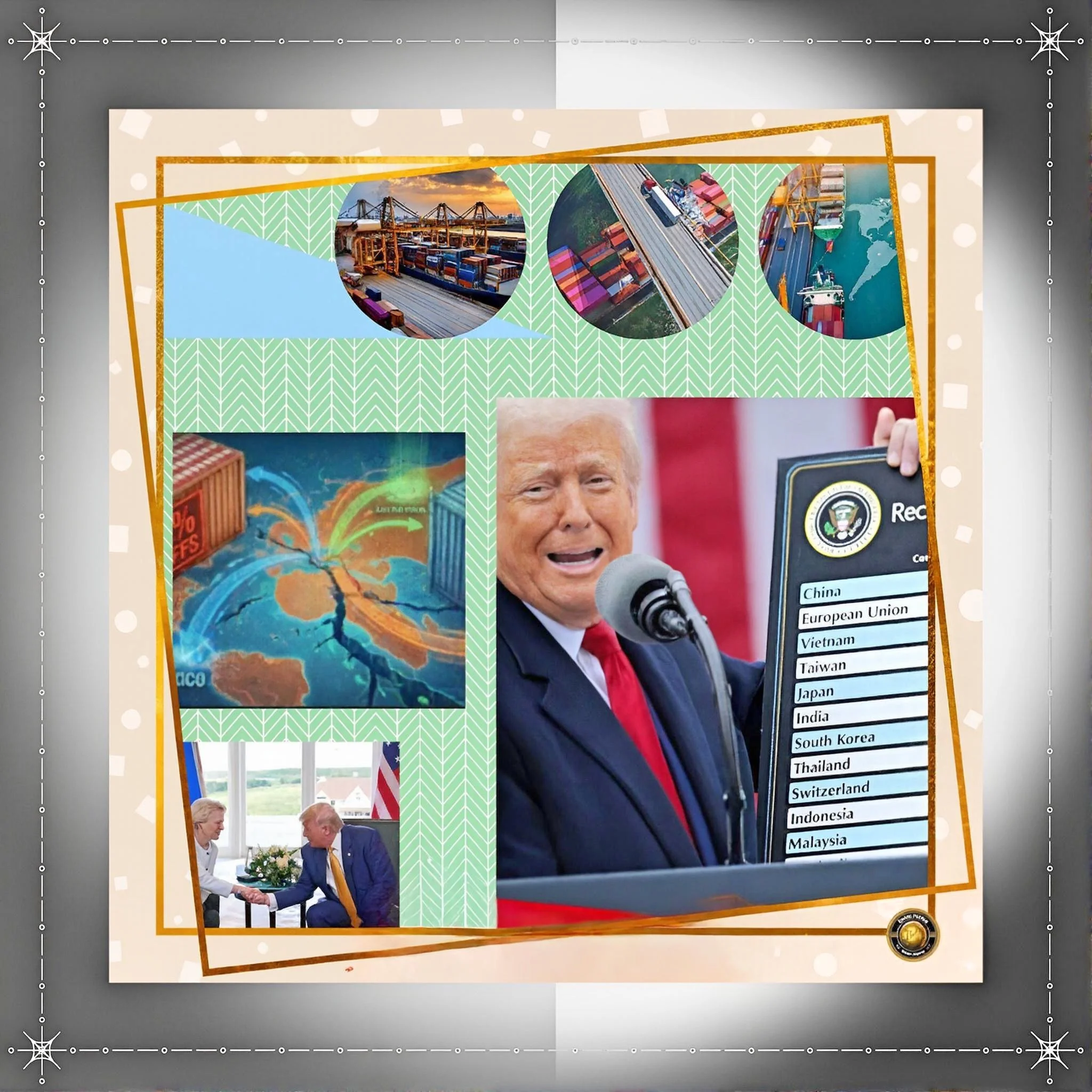
This development occurs against the backdrop of intensifying pressure from Washington, particularly following the re-election of Donald Trump, who has consistently urged neighbors to block the transshipment of Chinese and other Asian manufactured goods into the U.S. market.
By enacting these measures, Mexico is effectively prioritizing its integration within the North American trading bloc over its commercial ties with developing Asian powers. The legislation represents not merely a fiscal revenue-generating mechanism but a geopolitical maneuver designed to safeguard Mexico’s standing in the United States-Mexico-Canada Agreement (USMCA).
Key Developments
Why Mexico is Sacrificing Asian Ties to Save the USMCA
The centerpiece of this policy is the modification of the General Import and Export Tax Law, which now authorizes the Executive branch to levy tariffs of up to 50 percent on goods from nations without existing free trade treaties.
The Senate passed the measure with a commanding 76 votes, reflecting broad political consensus on the need to protect domestic industries from what is perceived as unfair competition.
The automotive sector faces the most severe impact, with import duties on passenger vehicles tripling from previous levels to 50 percent.
Additionally, the legislation imposes hikes of 35 to 40 percent on steel and aluminum products, 30 to 35 percent on textiles and apparel, and varying increases on plastics, chemicals, and auto parts.
This broad-spectrum approach ensures that almost every major category of Indian export to Mexico will face heightened barriers to entry.
Facts and Concerns
The “Tariff Slash” That Never Happened: Inside Mexico’s Protectionist Turn
The economic implications for India are substantial and immediate.
Mexico currently stands as India’s second-largest trade partner in Latin America, with bilateral trade valued at approximately $8.9 billion in 2024.
Indian automakers, specifically Maruti Suzuki, Tata Motors, and Kia India, utilize Mexico as a critical export hub, shipping roughly 140,000 to 150,000 units annually.
The new 50 percent tariff renders these vehicles uncompetitive against locally manufactured or USMCA-origin cars, potentially erasing nearly $1 billion in export value.
Beyond automobiles, Indian exporters of engineering goods and textiles express grave concern that these duties will price them out of the market entirely, forcing a diversion of supply to less lucrative regions.
Conversely, Mexican manufacturing associations argue the tariffs are necessary to reclaim market share lost to low-cost Asian imports, though critics warn this could spark domestic inflation by raising the cost of intermediate goods and consumer staples.
Cause and Effect Analysis
Mexico Approves Massive 50% Tariff Hike on Imports from India and China
The primary driver of this protectionist pivot is the soaring trade deficit Mexico maintains with Asian economies, particularly China, which has ballooned to over $100 billion annually.
Although India’s contribution to this deficit is smaller, it has been swept up in the broader dragnet intended to insulate the Mexican economy.
A secondary, yet equally potent cause, is the “Trump factor.”
With the U.S. administration threatening 25 percent universal tariffs on Mexican and Canadian goods unless they curb Asian transshipments, Mexico’s preemptive hike serves as a diplomatic shield to preserve its zero-tariff access to the U.S. market.
The effect is a bifurcation of global trade where Mexico firmly anchors itself to the U.S. economy at the expense of its diversification strategy.
For India, the immediate effect is a disruption of supply chains and a potential loss of market share to competitors like Brazil or the European Union, which enjoy preferential trade terms with Mexico.
Future Steps
The Cost of Alignment: How Mexico’s New Tariffs Rewire the North American Supply Chain
In response to these punitive measures, the Indian government has intensified diplomatic engagement with Mexico City, advocating for an expedited Free Trade Agreement (FTA) or, at minimum, a “partial scope” agreement that could exempt critical sectors like automobiles and pharmaceuticals.
Negotiations are expected to be arduous given Mexico’s current alignment with U.S. strategic interests. Simultaneously, Indian industry bodies are exploring legal avenues, including potential disputes at the World Trade Organization (WTO), although such processes are lengthy and uncertain.
Indian companies may also be forced to consider direct investment in manufacturing facilities within Mexico to bypass tariffs, a strategy known as “nearshoring” that aligns with Mexico’s long-term industrial goals.
Conclusion
Trade War Alert: Mexico Drops a Tariff Bomb on India and China
The enactment of steep tariffs by Mexico marks a definitive end to the era of relatively open access for Indian goods in the North American market.
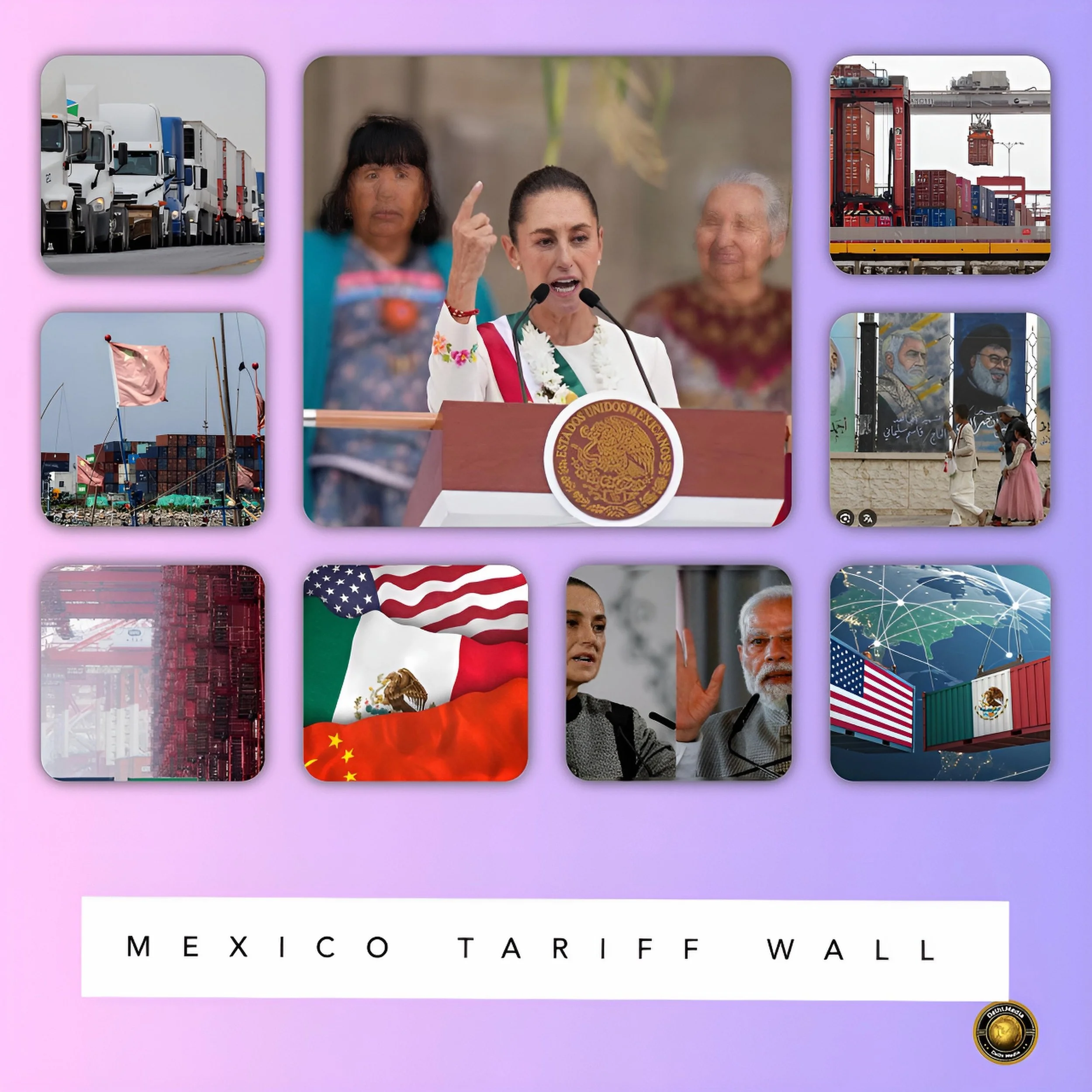
Far from slashing duties, Mexico has erected a formidable trade wall driven by the dual imperatives of domestic industrial protection and geopolitical survival vis-à-vis the United States.
While intended To fortify the North American supply chain, these measures risk inflicting collateral damage on the Mexican consumer, who is going through inflation and straining diplomatic ties with key emerging economies like India.
As 2026 approaches, the resilience of Indian exporters will be tested, necessitating a strategic pivot toward local production or alternative markets to mitigate the impact of this profound shift in global trade policy.