Remembering the Paris Attacks of November 13, 2015: A Decade of Remembrance and Reflection
Executive Summary
The Paris attacks of November 13, 2015, resulted in a tragic conclusion: 130 people were killed and over 400 injured in a series of coordinated Islamic State terrorist assaults across Paris, including at the Bataclan concert hall, several cafés, and the Stade de France.
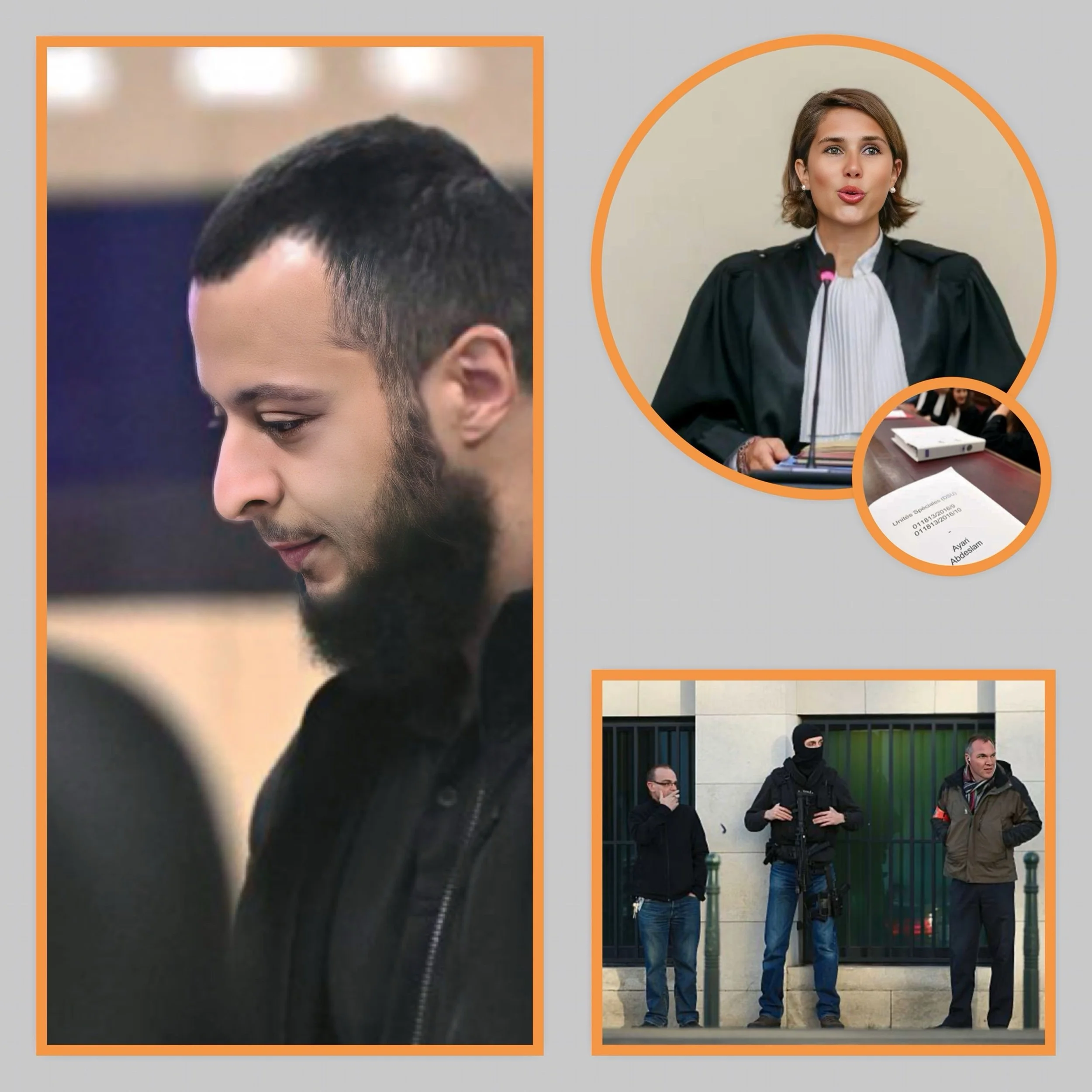
The attacks led to a massive investigation, culminating in a historic trial that concluded in June 2022, where all 20 defendants were convicted, including Salah Abdeslam, the only surviving attacker among the direct perpetrators, who received a life sentence without parole.
The remaining 19 co-defendants were convicted on terrorism-related charges or related offenses.
Introduction
Macron’s Commemoration and the 10th Anniversary
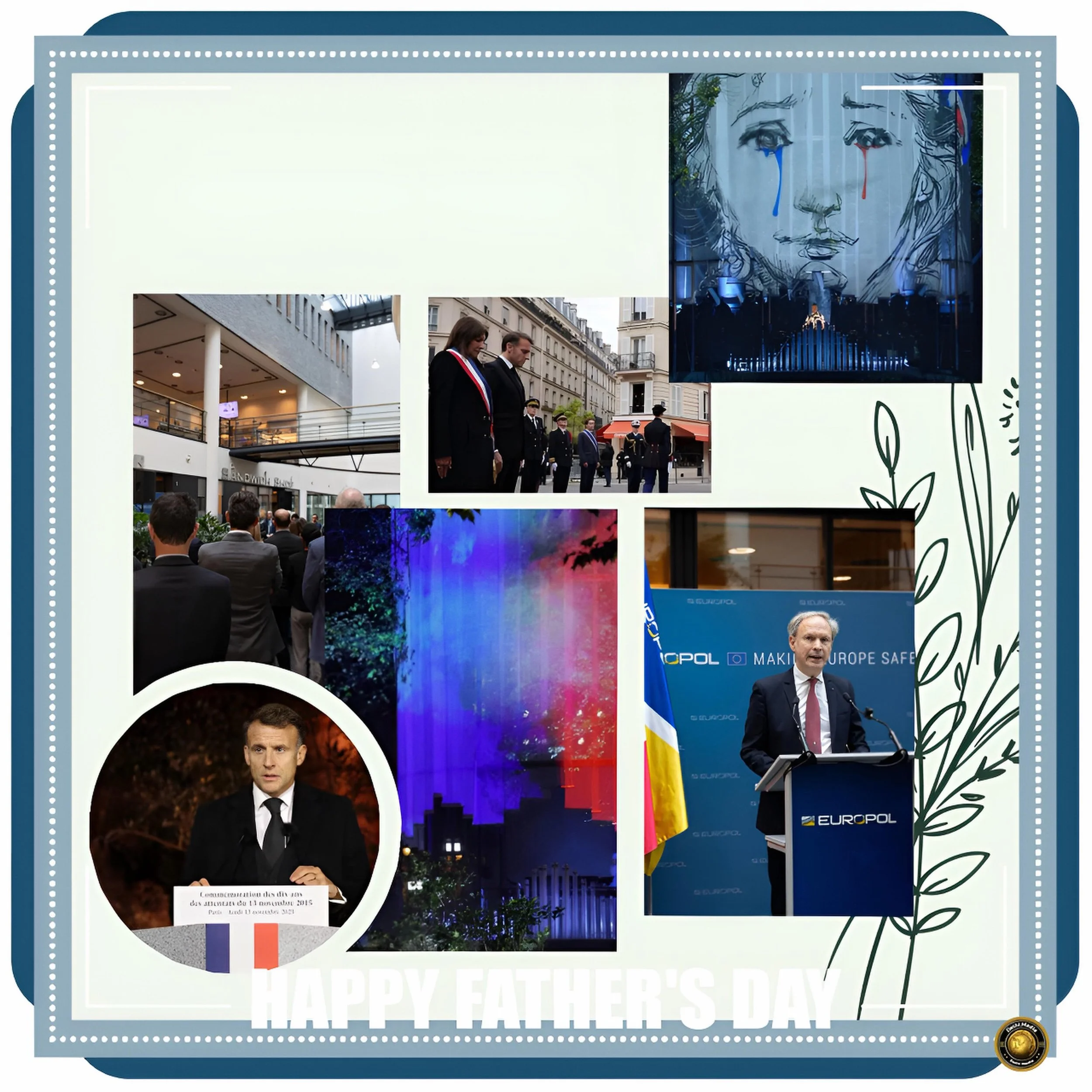
President Emmanuel Macron led the commemorations of the tenth anniversary of the November 13, 2015, Paris attacks, paying solemn tribute to the victims and their families.
Macron and First Lady Brigitte Macron stood alongside survivors and families at the Stade de France, where they participated in wreath-layings and moments of silence at each attack site.
The anniversary drew large crowds across Paris, extending beyond the immediate circle of those directly affected, as the nation collectively remembered the night of terror.
On social media, Macron wrote: “Ten years. The pain remains,” emphasizing that France remembers “the lives cut short, the wounded, the families and the loved ones.”
The commemoration included the inauguration of a new memorial garden behind Paris City Hall on Saint-Gervais Square—the result of a decade-long collaborative process between victim organizations and the city government.
This garden now serves as the official central location for future commemorations, ensuring that all victims are honored in a single unified space.
What happened on November 13, 2015
The evening of Friday, November 13, 2015, transformed Paris into what many observers compared to France’s “9/11.”
Between 9:20 p.m. and 12:20 a.m., coordinated teams of gunmen and suicide bombers executed a series of simultaneous attacks across the capital using assault rifles and explosives fitted with acetone peroxide detonators.
Timeline of Events
The attacks unfolded in rapid succession across multiple locations
Stade de France (9:20-9:53 p.m.)
Three suicide bombers detonated explosives outside the Stade de France soccer stadium in Saint-Denis, where French President François Hollande was watching France play Germany in a friendly match.
The first detonation occurred at approximately 9:20 p.m., followed by a second blast at 9:30 p.m., and a third at 9:53 p.m. about 400 meters away on Rue de la Cokerie.
These attacks killed three suicide bombers and one pedestrian. Hollande was safely evacuated after officials realized a terror attack was underway.
Restaurant and Café Shootings (9:25-9:40 p.m.)
A team of gunmen in a black SEAT León hatchback launched coordinated shootings across central Paris.
At 9:25 p.m., they opened fire at Le Carillon bar and Le Petit Cambodge restaurant at the intersection of Rue Alibert and Rue Bichat in the 10th arrondissement, killing 15 people and wounding over a dozen.
Minutes later, at 9:32 p.m., they fired on cafés and businesses along Rue de la Fontaine au Roi in the 11th arrondissement, killing five people at Café Bonne Bière and nearby locations.
At 9:36 p.m., they attacked La Belle Équipe restaurant on Rue de Charonne, where the terrace was packed with diners. Nineteen people were killed and nine critically wounded in this assault.
At 9:40 p.m., another suicide bomber detonated his explosive vest outside the Comptoir Voltaire café on Boulevard Voltaire, injuring one person.
Bataclan Theatre (9:40 p.m.-12:20 a.m.)
Three gunmen stormed the Bataclan concert hall during a performance by the American rock band Eagles of Death Metal.
Witnesses reported the attackers arrived in a black Volkswagen Polo and burst through the main entrance.
The gunmen fired Kalashnikov-type assault rifles indiscriminately into the crowd for an extended period.
They then took approximately 20 hostages and herded them into a room at the end of an L-shaped corridor on the second floor.
During the standoff lasting more than two hours, the hostages were forced to look down at the massacre below and provide information to the attackers, while police attempted negotiation.
When elite police units stormed the building at 12:20 a.m., all three attackers detonated their suicide vests.
One detonation was triggered by a police officer’s bullet striking an attacker’s vest, while the other two deliberately triggered their explosives.
Despite the chaos, police managed to evacuate most remaining hostages.
This attack proved the deadliest single location, with 89 people killed at the Bataclan and scores seriously wounded.
Key Points of the Incident
Death Toll and Injuries
The attacks killed 130 people (with 132 reported, including two survivors who later died by suicide), making it France’s deadliest peacetime terror attack and the worst mass casualty incident on French soil since World War II.
An additional 416-494 people were wounded, with nearly 100 in critical condition.
Coordinated Nature
The attacks were meticulously coordinated across six separate locations during approximately three hours, demonstrating sophisticated planning and real-time coordination.
According to French police, the attackers were being coordinated in real time from Brussels, Belgium, the location of origin of the terrorist cell.
Weapon and Explosive Details
The attackers used four Zastava M70 assault rifles and suicide vests fitted with acetone peroxide explosives and identical detonators. Seven of the ten perpetrators were killed at the attack scenes.
Immediate Government Response
President François Hollande declared the attack “an act of war,” closed France’s borders, and declared a nationwide state of emergency that granted authorities exceptional new powers.
The state of emergency remained in effect and was renewed multiple times, becoming a permanent fixture in French security policy.
Who Was Involved
The Perpetrators
Three operational teams, each comprising three to four members, executed the attacks.
Ten individuals total were involved in the planning and execution, with seven killed at the attack scenes and three escaping or being captured later.
Abdelhamid Abaaoud (1987-2015), a Belgian-born Islamic State operative, served as the field commander and primary coordinator of the attacks.
Abaaoud had previously traveled to Syria and spent time in ISIS training camps. He was linked to at least four other foiled terrorist plots in France in 2015.
The French military had even targeted him in airstrikes in Raqqa, Syria, in October 2015, but he survived.
On November 18, 2015—five days after the attacks—French police raided a residence in Saint-Denis where Abaaoud was hiding.
He was killed in a gunfight with French commandos, with his identity confirmed through fingerprint analysis.
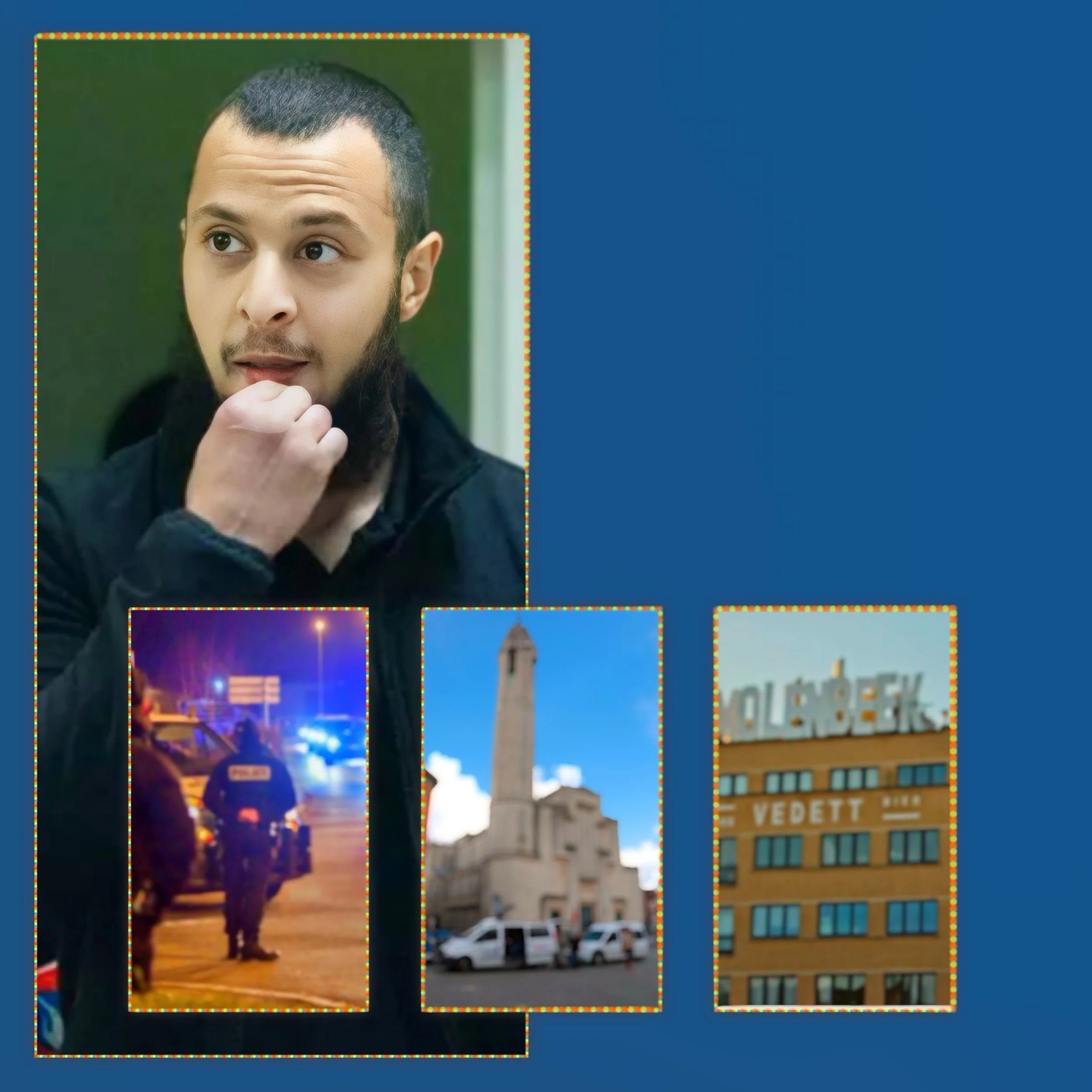
Salah Abdeslam (born 1989), a Belgian-born terrorist, served as logistics coordinator and driver.
He transported three suicide bombers to the Stade de France and arranged accommodation for the attackers in the days before the assault.
Abdeslam was supposed to detonate his own suicide vest in the 18th arrondissement but decided not to do so, claiming later, “out of humanity, not fear.”
However, prosecutors maintained the device had malfunctioned.
He abandoned his car with a kitchen knife inside and called friends to pick him up. Abdeslam fled to Belgium and went into hiding.
Police arrested him on March 18, 2016, and he was extradited to France on April 27, 2016. In June 2022, he was convicted of terrorism and murder charges and sentenced to life imprisonment as the only surviving member of the 10-person unit.
Brahim Abdeslam, Salah’s brother, was one of the Stade de France bombers and detonated his suicide vest outside the Comptoir Voltaire café, killing himself and injuring 15 others.
Identified Bataclan Attackers
Omar Ismail Mostefaï (age 29), Samy Amimour (age 28), and Foued Mohamed-Aggad (age 23) led the assault on the Bataclan concert hall, killing 89 people before detonating their suicide vests during the police assault.
Chakib Akrouh, one of the restaurant shooters, also participated in the Stade de France bombings and was later killed during the November 18 police raid in Saint-Denis.
Islamic State Responsibility
On November 14, 2015, the Islamic State (also known as ISIS or DAESH) officially claimed responsibility for the attacks.
In a statement, ISIS said the attackers “targeted the capital of abominations and perversion, that carries the banner of the cross in Europe, Paris,” and declared that “France and those who follow its path should know that they will remain the principal targets of the Islamic State.”
The group cited French military airstrikes against ISIS positions in Syria and Iraq and broader objections to French foreign policy as motivations.
France’s Security Response and Prevention Measures
The November 13 attacks prompted a comprehensive transformation of France’s security apparatus and counterterrorism strategy.
France’s response encompassed military deployments, expanded intelligence, legislative changes, and domestic prevention initiatives.
Operation Sentinelle
Following the January 2015 Charlie Hebdo attacks, France had already launched Opération Sentinelle, a military operation to protect sensitive sites from terrorism.
This operation was significantly reinforced after the November attacks, increasing troop deployment from initial levels to 10,000 soldiers by November 2015.
The force was deployed to guard 722 sensitive sites, including places of worship, schools, and diplomatic missions, with 6,500 soldiers deployed in the Île-de-France region and 3,500 in the rest of the country.
Between 2015 and 2021, Operation Sentinelle rotated nearly 225,000 personnel, with 95 percent serving in the Army.
State of Emergency
President Hollande declared a nationwide state of emergency on November 13, which granted authorities exceptional powers, including the ability to conduct searches without judicial oversight on vague grounds, to order raids through prefects, to shut down places of worship, and to establish security zones with identity checks.
The state of emergency was renewed multiple times and remained in effect until November 1, 2017.
Intelligence Expansion
In May 2015, France passed a comprehensive “intelligence bill” that expanded the surveillance capabilities of security services.
This legislation, adopted by the National Assembly by a vote of 438 to 86, increased the capacity of French intelligence agencies to collect and manage data.
The bill also expanded the police and intelligence service's authority to intercept communications and monitor suspects.
Counter-Terrorism Infrastructure
In 2017, France established the National Intelligence and Counter-Terrorism Coordination (CNRLT) and the National Counter-Terrorism Centre (CNCT) to provide strategic coordination and information sharing among security services.
This restructuring was informed by lessons from the 2015 and 2016 attacks, emphasizing “strategic steering, operational coordination, synergy, information sharing, and anticipation.”
Terrorist Financing Measures
France implemented aggressive measures to combat terrorist financing, establishing that this was considered the most effective way to stop attacks at their source.
In April 2017, at President Macron’s instigation, France organized the “No Money for Terror Conference,” bringing together representatives from 70 countries and 20 international organizations to reinforce legal frameworks and intelligence cooperation for financial tracking.
Prevention and Radicalization Programs
Over the past decade, France has developed sophisticated prevention programs focusing on identifying and countering radicalization before violent acts occur.
These included Qualified Professionals and Reporters (QPRs) programs that trained teachers, social workers, and other professionals to identify signs of radicalization.
Police established specialized radicalization hotlines and dedicated teams to assess risk levels and coordinate local-level interventions, including psychological, social, or security-based responses, depending on threat severity.
International Military Operations
France expanded military operations against ISIS in Syria and Iraq through Operation Chammal, which began in August 2014 and was developed to Syria in September 2015 following the terror threat to France.
France has also continued Operation Barkhane in the Sahel region since 2013, assisting G5 Sahel countries in the fight against terrorism.
European and International Cooperation
France worked to strengthen EU-level counter-terrorism tools, including the creation of a European Passenger Name Record system for air travel monitoring, cooperation with digital platforms to remove terrorist content (with removal within one hour at most), and European asset-freezing mechanisms. It strengthened arms-trafficking measures and money-laundering prevention rules.
Permanent Security Legislation
Following concerns that temporary emergency measures were becoming normalized, France embedded aspects of state-of-emergency powers into permanent law through legislation that continued many surveillance and security protocols beyond the formal state of emergency period.
However, human rights organizations have raised concerns that these measures, intended as temporary responses to heightened risk, have become permanent features of French domestic law without sufficient protections against abuse.
Conclusion
Key Legal and Political Outcomes
The French justice system conducted a landmark trial, convicting all those involved in the attacks and their logistical support network.
France enacted permanent changes to its police and security powers, including increased surveillance and emergency measures, which have been practically consolidated since the attacks.
The attacks triggered a national and international outpouring of solidarity, with France continuing to commemorate the victims each year and reinforcing security ahead of anniversaries.
Societal and Security Impact
The aftermath saw a rise in fear and traumatization among the public, with studies highlighting long-term psychological effects on survivors and the broader population.
France has maintained a heightened state of vigilance, with officials emphasizing that the terrorism threat remains high, illustrated by ongoing thwarted plots and continued security measures.
The attacks also prompted debates about the balance between national security and civil liberties, with concerns raised by human rights groups over the erosion of privacy and freedoms.
The conclusion of the Paris attacks was defined by a profound loss of life, a thorough legal reckoning, and enduring security and societal changes, with France continuing to mark the tragedy and reflect on its legacy 10 years later.
The transformation of France’s security posture after November 13, 2015, represents one of Europe’s most comprehensive responses to terrorism, fundamentally reshaping how the nation approaches counterterrorism, intelligence gathering, and international cooperation.