Is Tunisia safe haven for Americans and Europeans to retire ?
Introduction
Tunisia offers an attractive retirement destination for Americans and Europeans, but it comes with both advantages and challenges to consider.
Safety and Security
Tunisia is generally considered safe for retirees, especially in major cities and tourist areas. However, there are some security concerns to be aware of:
The U.S. Department of State advises exercising increased caution due to terrorism risks.
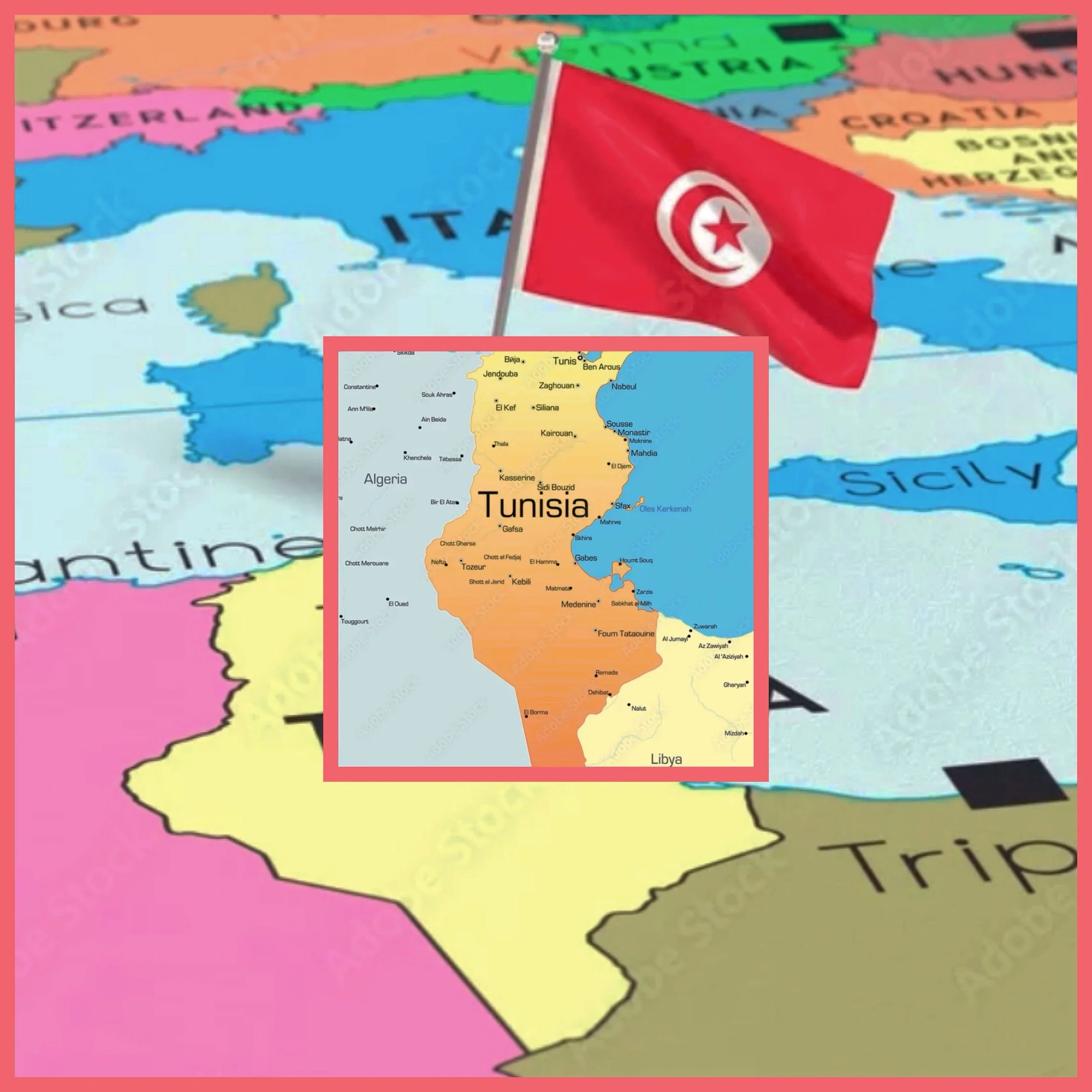
Certain areas, particularly near the Algerian and Libyan borders, are designated as “Do Not Travel” zones.
While violent crime rates are low, petty theft can occur in tourist areas.
Cost of Living
One of Tunisia’s main attractions for retirees is its affordability:
The overall cost of living is approximately 61.1% lower than in the United States.
A single person’s estimated monthly costs are around 439.8$ (1,415.2DT) without rent.
Rent prices are significantly lower, with a one-bedroom apartment in the city center averaging 669.77 DT (about $208) per month.
Healthcare
Tunisia’s healthcare system is relatively advanced for the region:
It’s considered one of the most up-to-date in Africa, almost on par with some European countries.
Private clinics offer high-quality care and medical equipment.
However, certain specialized treatments may require travel abroad.
Visa and Residency
Retirees can apply for temporary residence permits, but the process can be complex
A minimum bank transfer of 400 euros per month is typically required.
After five years of temporary residency, permanent residency can be pursued.
Lifestyle and Culture
Tunisia offers a unique blend of experiences for retirees:
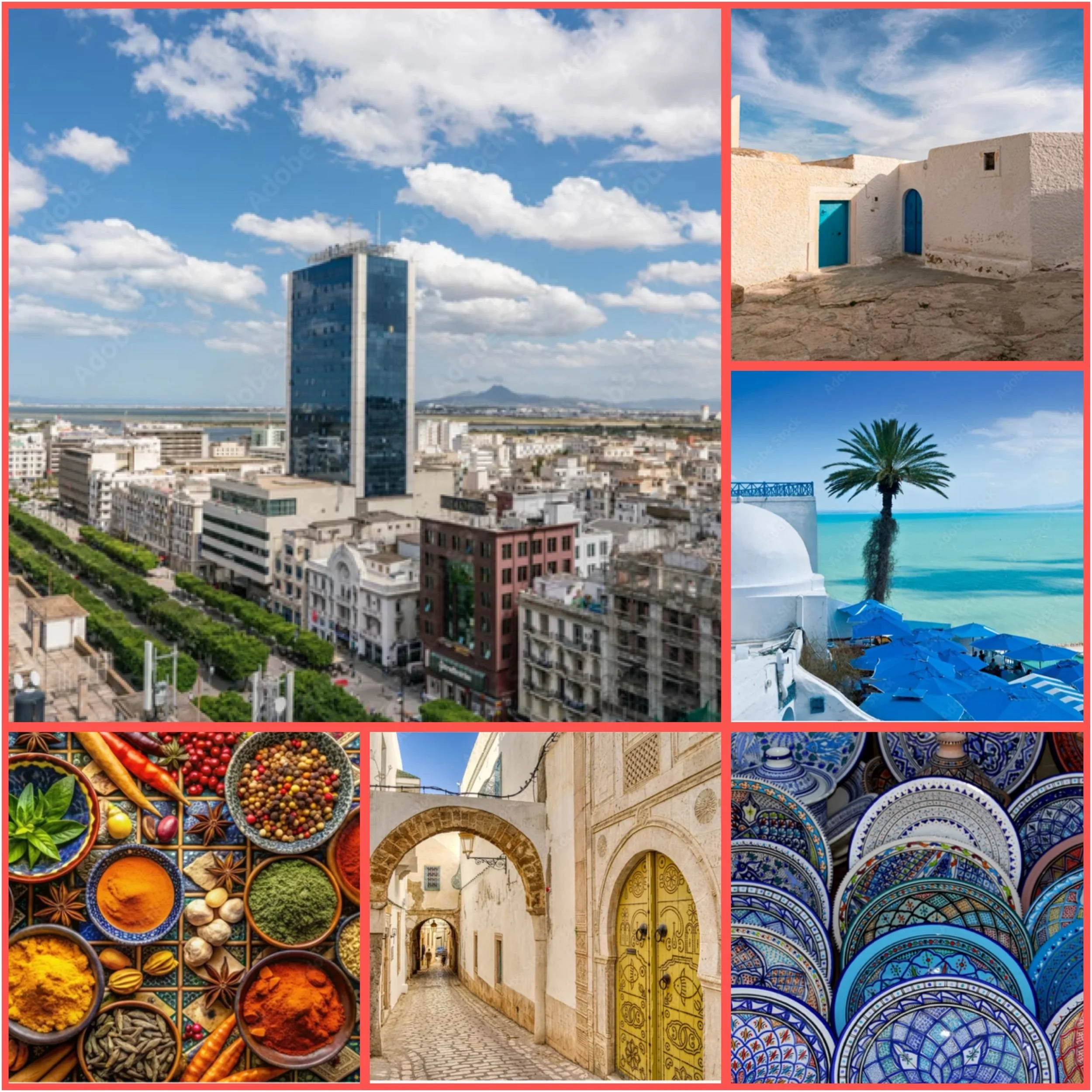
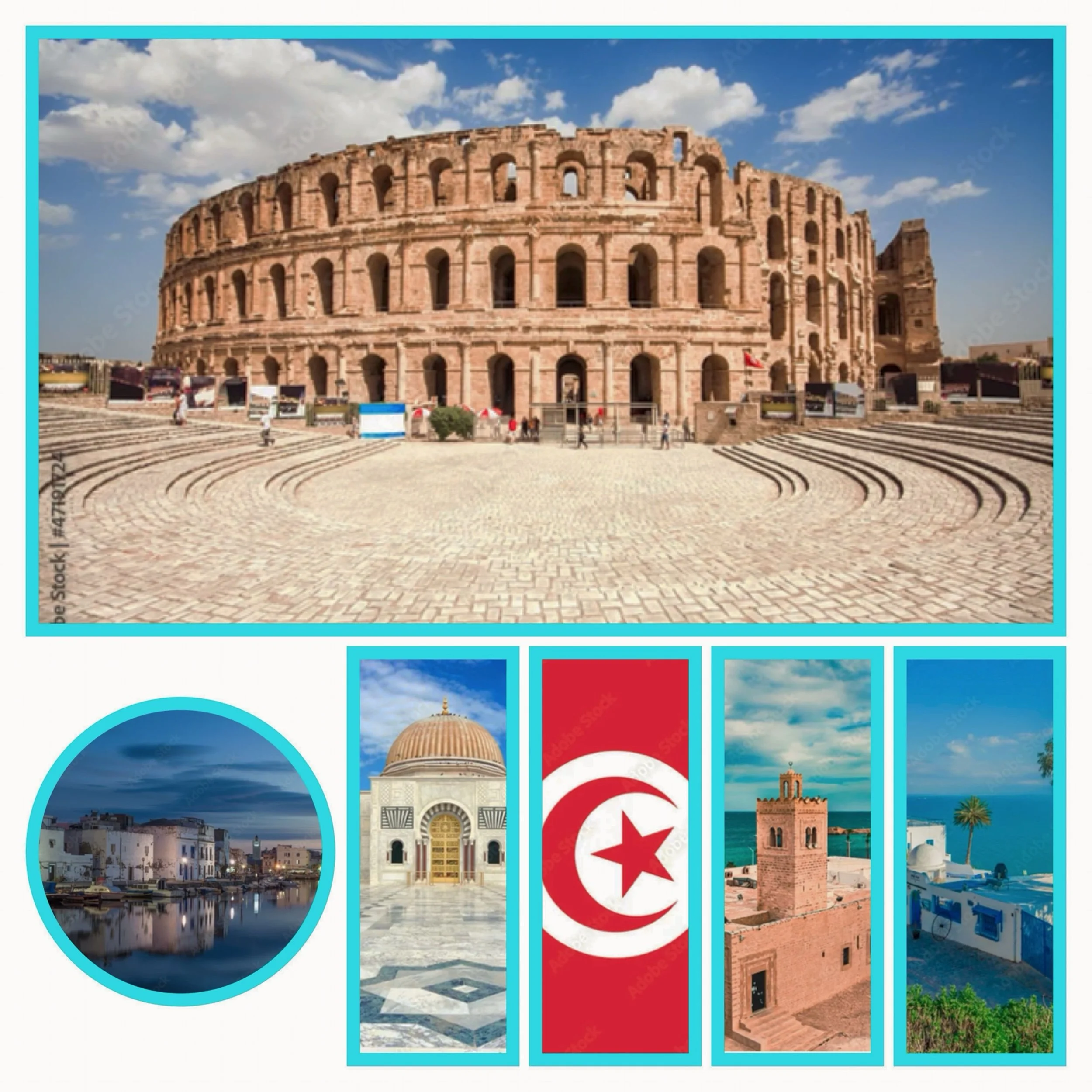
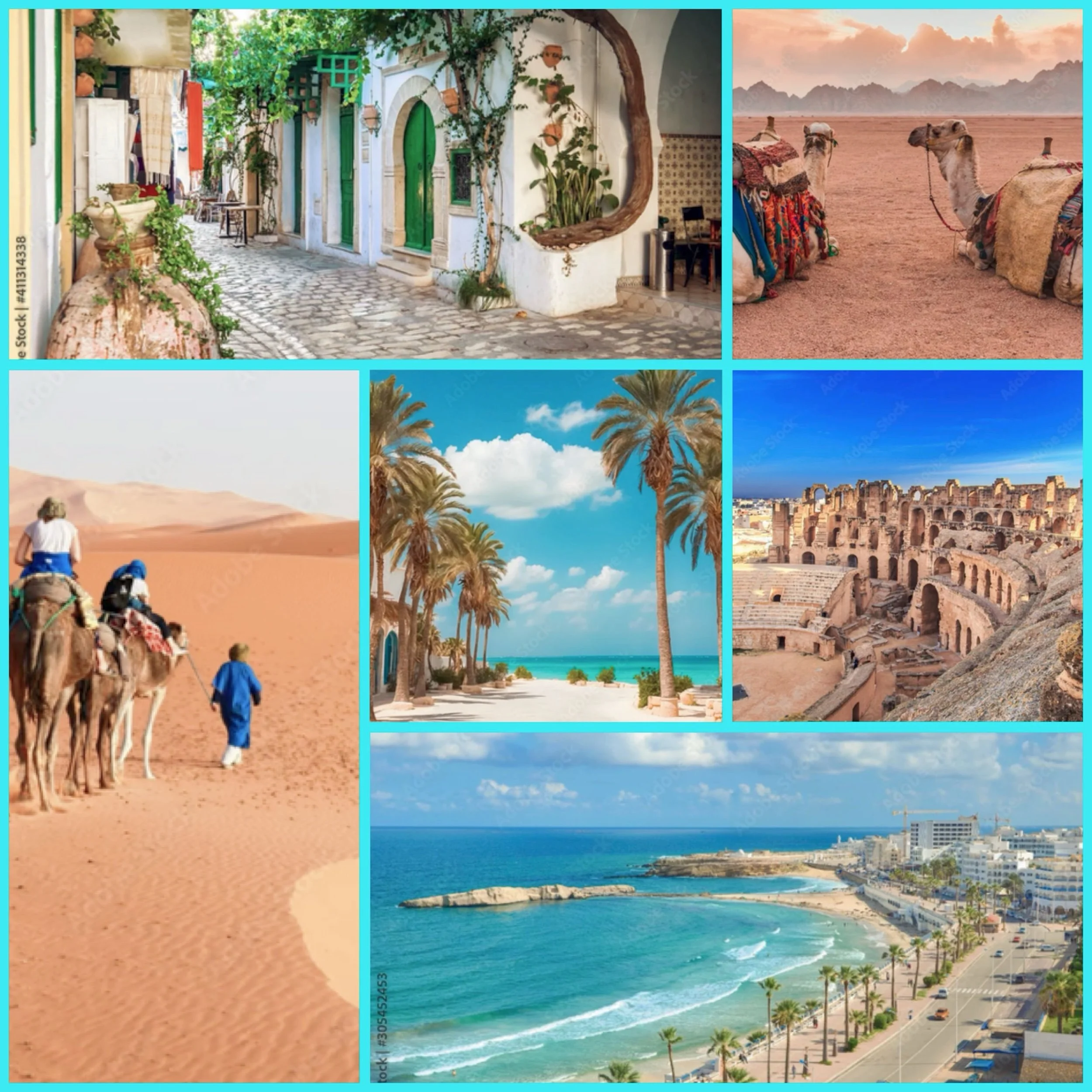
Mediterranean beaches, rich history, and a relaxed lifestyle are major draws.
The country combines French and Arabic influences, providing a culturally enriching environment.
Cities like Tunis offer modern amenities, while coastal areas provide a more relaxed atmosphere.
Challenges
Potential retirees should be aware of some challenges:
The language barrier can be significant if you don’t speak Arabic or French.
Public services and infrastructure may not be up to Western standards, especially outside major cities.
Political stability has improved since the Arab Spring, but the country is still undergoing democratic transitions.
Conclusion
While Tunisia can be an attractive retirement destination for Americans and Europeans seeking an affordable Mediterranean lifestyle, it’s crucial to carefully weigh the benefits against the potential challenges.
Prospective retirees should visit the country, preferably for an extended period, before making a final decision. Additionally, consulting with financial advisors and expatriate communities can provide valuable insights into the realities of retiring in Tunisia.
Given the situation in Libya, Jordan, Lebanon, Syria and Palestine we would suggest to defer your plans by 5 years still economic and political stability returns
In forthcoming articles we may offer some other non-traditional places for you to retire.