Socio-cultural and economic situation in Tunisia
Introduction
Tunisia’s socio-cultural and economic landscape is characterized by a complex interplay of historical influences, ongoing challenges, and efforts at reform. The country’s rich cultural heritage and relatively progressive social policies stand in contrast to persistent economic difficulties and political tensions.
Cultural Heritage and Social Dynamics
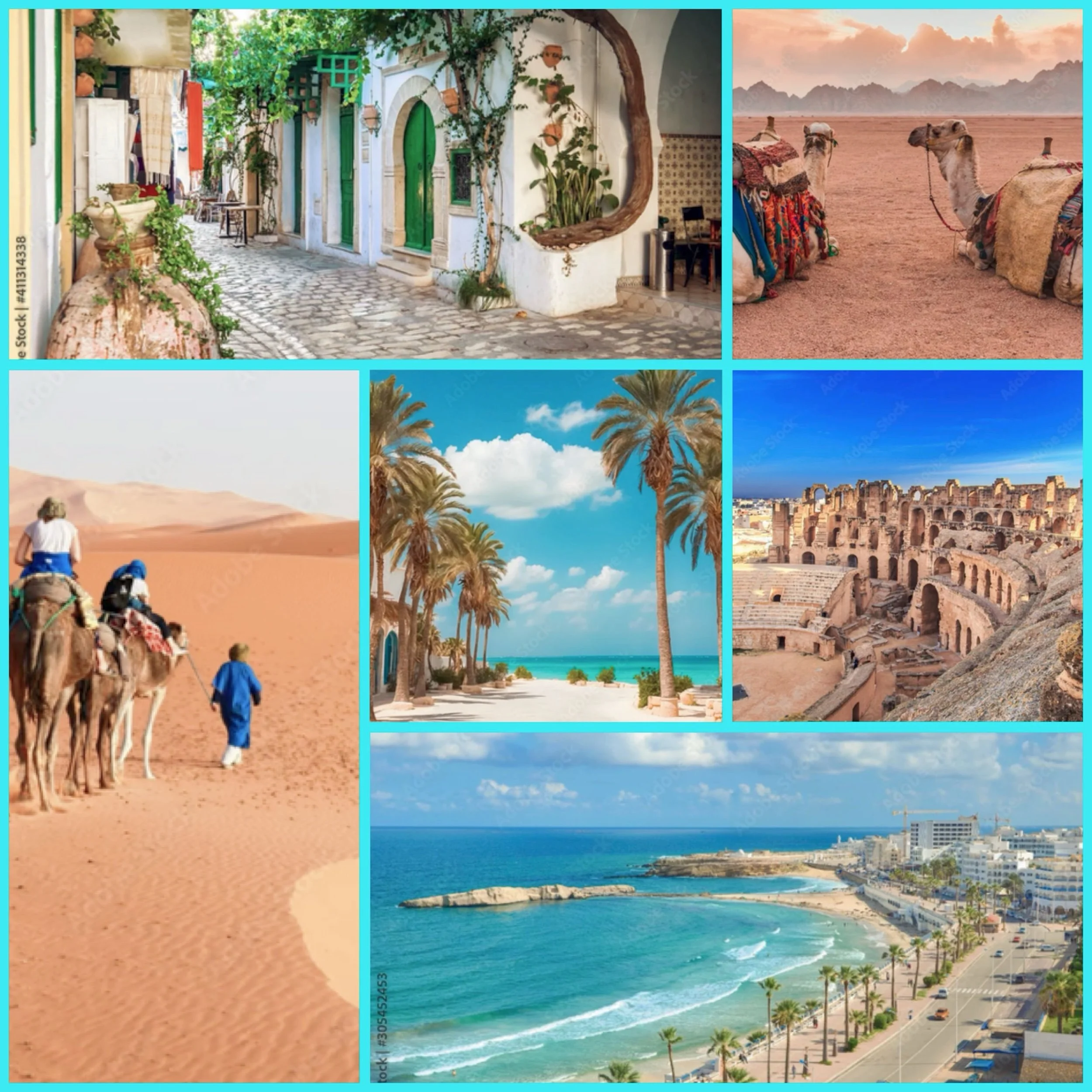
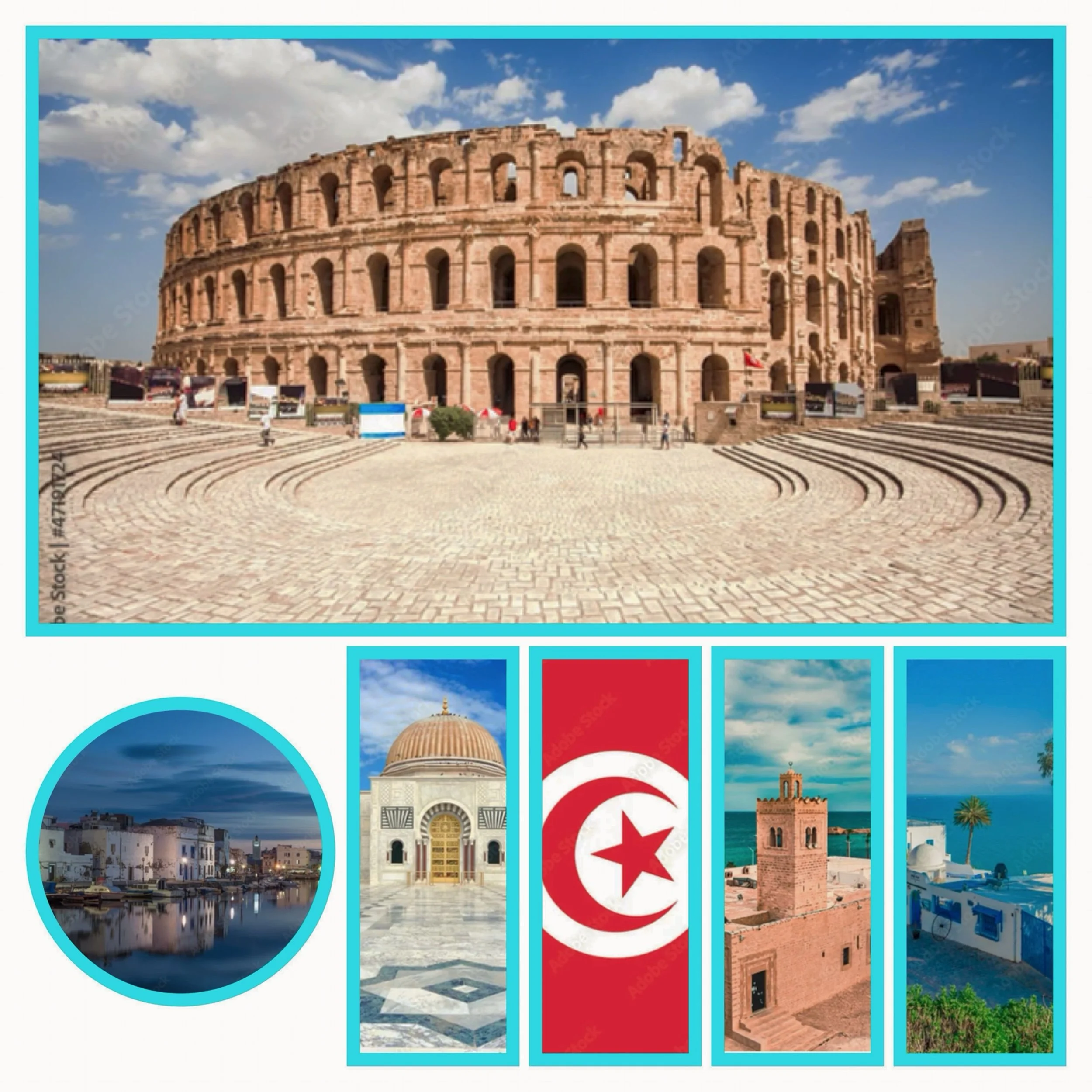
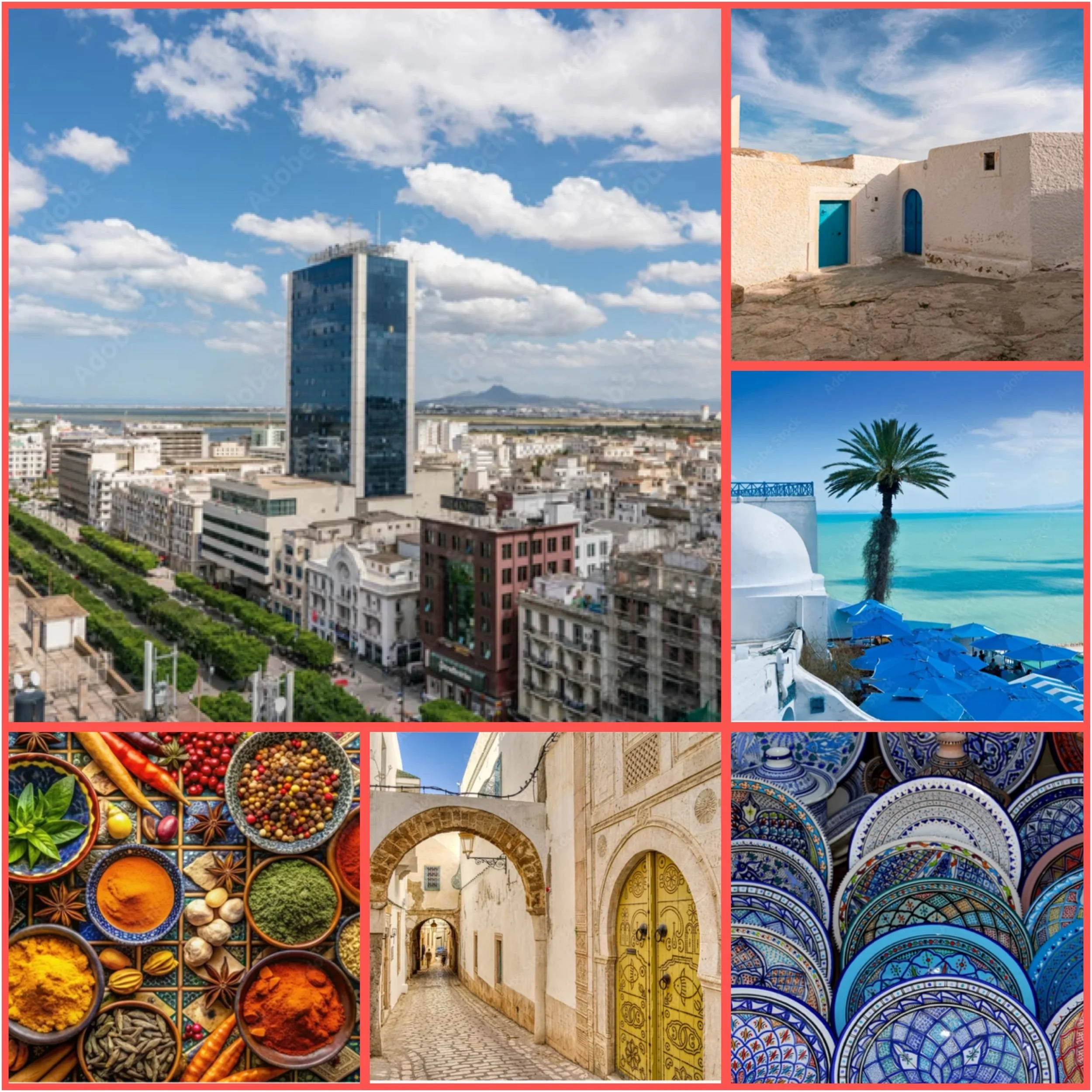
Tunisia’s culture is a vibrant mosaic shaped by Berber, Arab, Mediterranean, and African influences.
This diversity is reflected in the country’s architecture, languages, and daily life. While Arabic is the official language, French is also widely spoken, particularly in business and education.
The population is predominantly Muslim (99% Sunni), but there is a small presence of other religious groups, including Christians and Jews.
Tunisia is known for its relatively liberal and tolerant social atmosphere compared to some of its neighbors. For instance, women in urban areas often dress in Western clothing and do not veil themselves.
Family plays a central role in Tunisian society, with strong emphasis on hospitality and respect for elders. However, the country is also experiencing a gradual shift in social norms, particularly among the youth who are increasingly influenced by global cultural trends.
Economic Challenges
Tunisia’s economy has faced significant challenges in recent years:
Slow Growth
The country experienced only 0.4% GDP growth in 2023, primarily due to severe drought affecting the agricultural sector.
High Unemployment
The unemployment rate reached 16.4% in Q4 2023, with youth unemployment (ages 15-24) at a staggering 38.1%.
Inflation
While moderating from its peak, inflation stood at 6.7% in August 2024, with food inflation at 8.5%.
Public Debt
The total public debt is approaching 100% of GDP, raising concerns about fiscal sustainability.
Regional Disparities
There are significant economic inequalities between coastal areas and the interior regions, contributing to social tensions.
Political and Social Reforms
Since the 2011 revolution that ousted long-time dictator Ben Ali, Tunisia has made strides in political reform but has struggled to achieve economic stability:
Democratic Transition
Tunisia established democratic institutions, but recent actions by President Kais Saied have raised concerns about the consolidation of power.
Women’s Rights
Tunisia has some of the most progressive women’s rights laws in the region, though challenges remain, particularly in inheritance rights.
Freedom of Expression
While improved since 2011, there are ongoing concerns about restrictions on free speech and press freedom.
LGBTI Rights
The country still criminalizes same-sex relations, and LGBTI individuals face significant discrimination.
Current Socio-Economic Situation
The socio-economic situation in Tunisia remains precarious:
Poverty
About 16.6% of the population lives below the poverty line.
Social Unrest
Economic hardships have led to frequent protests and demonstrations, particularly in marginalized regions.
Brain Drain
High unemployment among educated youth has contributed to significant outward migration.
Tourism Recovery
The tourism sector, vital to Tunisia’s economy, is showing signs of recovery after being hit hard by the COVID-19 pandemic.
Renewable Energy
Tunisia is making strides in renewable energy development, aiming to diversify its energy mix and reduce dependence on imported fossil fuels.
Conclusion
Tunisia has made notable progress in some areas of social and political reform since 2011, persistent economic challenges and regional disparities continue to strain the country’s social fabric. Addressing these issues will be crucial for Tunisia’s future stability and prosperity.