What is history of Tunisia? Key reasons for ongoing instability?
Introduction
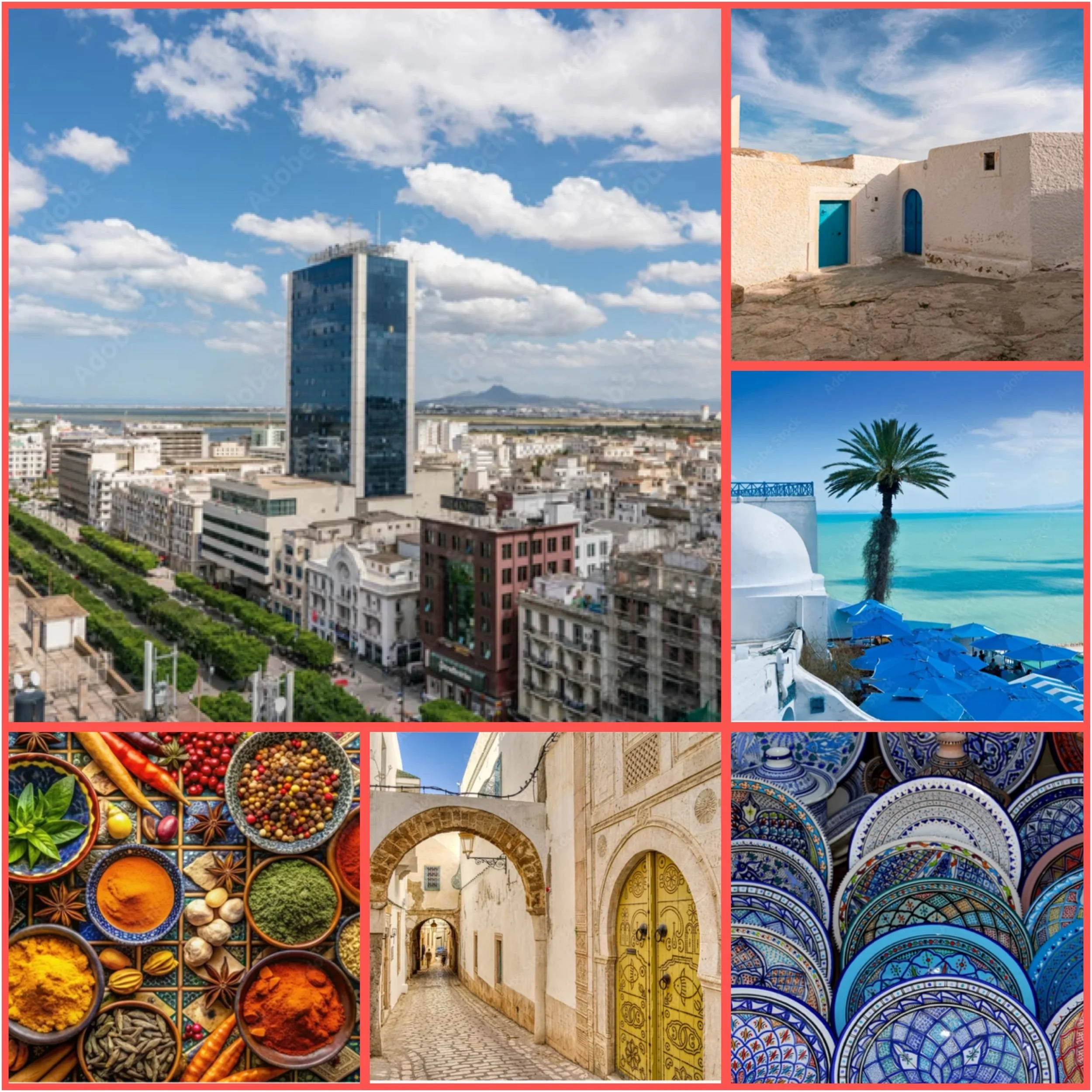
Tunisia has a rich and complex history spanning thousands of years, from ancient Carthage to its current status as a fledgling democracy. Despite being the only Arab Spring country to successfully transition to democracy, Tunisia continues to face significant political and economic challenges that have led to ongoing instability.
Ancient History
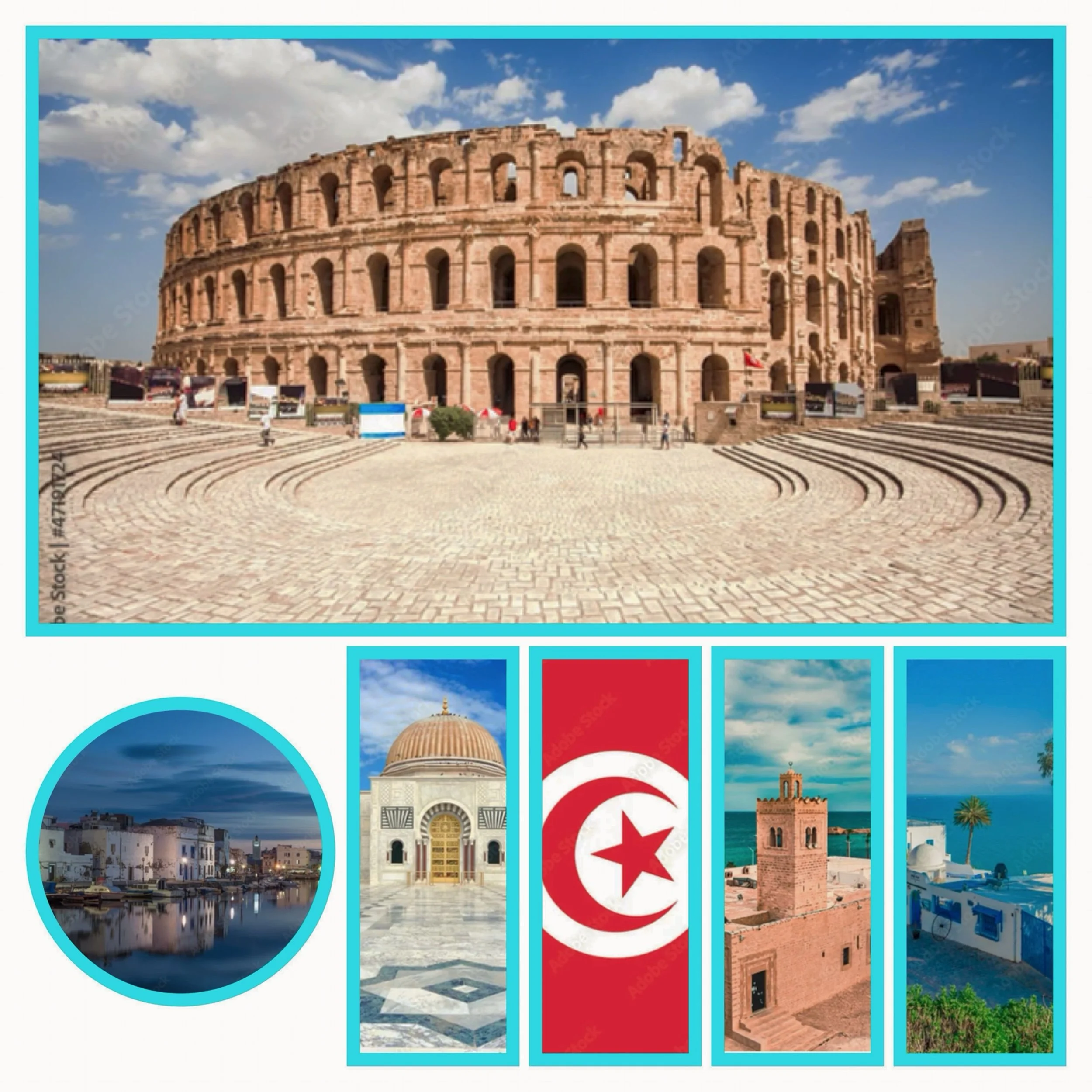
Tunisia’s recorded history begins with the arrival of Phoenicians in the 12th century BCE, who founded Carthage. Carthage became a major Mediterranean power until it was defeated by Rome in 146 BCE. The Romans ruled North Africa for centuries, introducing Christianity and leaving behind impressive architectural remains like the Amphitheatre of El Jem.
Islamic Era
In the 7th century CE, Arab Muslims conquered Tunisia, bringing Islam and Arab culture. Tunisia flourished as an Islamic center of learning and culture under various dynasties, including the Aghlabids (800-909 CE) and Hafsids (1230-1574 CE).
Ottoman Rule and French Colonization
The Ottoman Empire gained control of Tunisia in 1574. By the 19th century, Ottoman control had weakened, and European influence grew. In 1881, France established a protectorate over Tunisia, which lasted until independence in 1956.
Independence and Authoritarian Rule
Tunisia gained independence on March 20, 1956, with Habib Bourguiba as prime minister. Bourguiba became president when Tunisia was declared a republic in 1957. He pursued progressive social policies but maintained authoritarian rule until 1987, when he was deposed by Zine El Abidine Ben Ali. Ben Ali continued the authoritarian system until his ouster in 2011.
Arab Spring and Democratic Transition
The Tunisian Revolution in 2010-2011 sparked the wider Arab Spring movement. Mass protests forced Ben Ali into exile, leading to Tunisia’s transition to democracy. The country adopted a new constitution in 2014 and held successful elections, earning praise for its peaceful democratic transition.
Ongoing Instability
Despite its democratic achievements, Tunisia continues to face significant challenges:
Economic struggles
Tunisia’s economy has stagnated since 2011, with high unemployment, inflation, and public debt. The COVID-19 pandemic further devastated key sectors like tourism.
Political fragmentation
Consensus politics in the early transition years led to gridlock and disillusionment, fueling support for more extreme parties.
Security concerns
A weak security sector left Tunisia vulnerable to terrorist attacks, diverting resources from economic development.
Democratic backsliding
Since his election in 2019, President Kais Saied has taken steps to concentrate power, including suspending parliament and introducing a new constitution that increases presidential authority.
Social unrest
Economic hardships and political frustrations have led to recurring protests and strikes.
Reasons for Persistent Instability
Several factors contribute to Tunisia’s ongoing instability:
Legacy of authoritarianism
Decades of authoritarian rule left weak institutions and a lack of democratic experience.
Economic challenges
Failure to address the economic grievances that fueled the 2011 revolution has led to persistent discontent.
Regional instability
Tunisia’s location in a volatile region, particularly next to conflict-ridden Libya, creates security challenges and economic pressures.
Ideological divisions
Tensions between secularists and Islamists continue to shape political discourse and hinder cooperation.
External pressures
Tunisia’s strategic importance, particularly in managing migration to Europe, has led to complex relationships with foreign powers that can influence domestic politics.
Conclusion
Tunisia has made significant strides in its democratic transition, the country’s history of authoritarian rule, economic struggles, and regional challenges continue to fuel instability. Addressing these deep-rooted issues will be crucial for Tunisia to consolidate its democratic gains and achieve long-term stability.