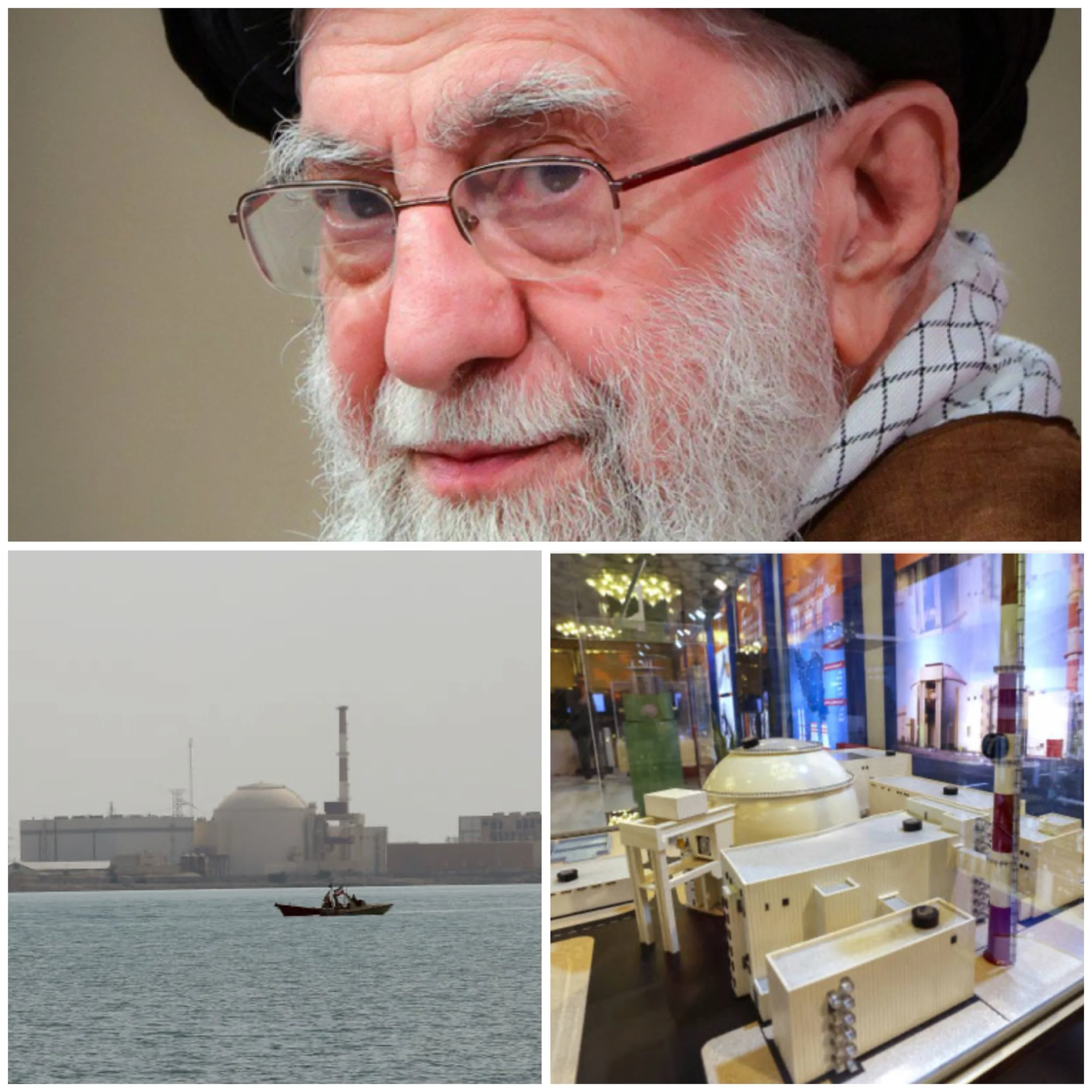
Iran forced to shut down 80 power plants due to energy crisis
Introduction
Iran is currently facing a severe energy crisis that has led to widespread shutdowns and economic turmoil. Here’s what you need to know about the situation:
Energy Crisis
Widespread Shutdowns
Over 80 power plants have been forced to shut down or operate at reduced capacity due to fuel shortages.
Blackouts and Closures
Unannounced power outages are occurring across the country, often lasting several hours.
Schools, universities, government offices, and many businesses have been closed to conserve energy.
Major highways and shopping malls in Tehran and other cities have gone dark.
Industrial Impact
Manufacturing has come to a near halt, with estimates suggesting a 30-50% reduction in production.
The crisis could cost billions of dollars in industrial losses.
Root Causes
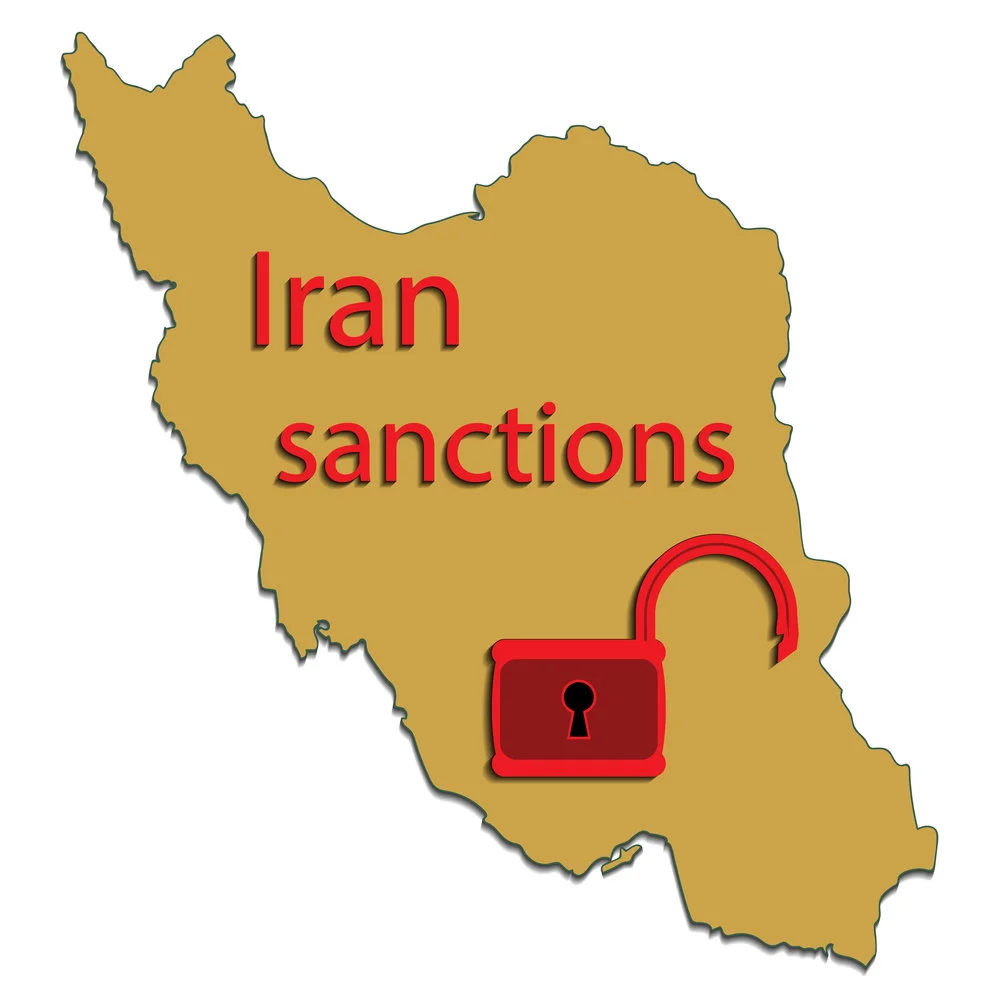
Years of underinvestment and sanctions have left Iran’s energy infrastructure inadequate.
Mismanagement, corruption, and artificially low prices have encouraged wasteful consumption.
Israeli strikes on two pipelines in February 2024 forced Iran to deplete reserves it couldn’t replenish.
Economic Fallout
Currency Collapse: The Iranian rial has plummeted to its lowest value ever, reaching 770,000 to the dollar.
Inflation and Unemployment: The crisis is exacerbating already high inflation and unemployment rates.
Government Response: The central bank has injected $220 million into the currency market in an attempt to stabilize the exchange rate.
Political and Geopolitical Context
Domestic Pressure
The energy crisis and economic downturn are putting immense pressure on President Masoud Pezeshkian’s government.
Regional Influence
Iran’s regional influence has waned following setbacks in Syria and conflicts involving its proxies like Hezbollah and Hamas.
International Relations
The crisis complicates Iran’s efforts to negotiate sanctions relief, while tensions with Western nations persist.
Conclusion
The energy crisis in Iran, despite its vast natural resources, highlights the complex interplay of domestic mismanagement, international sanctions, and regional geopolitics. As winter progresses, the situation threatens to worsen, potentially leading to increased social unrest and further economic hardship.