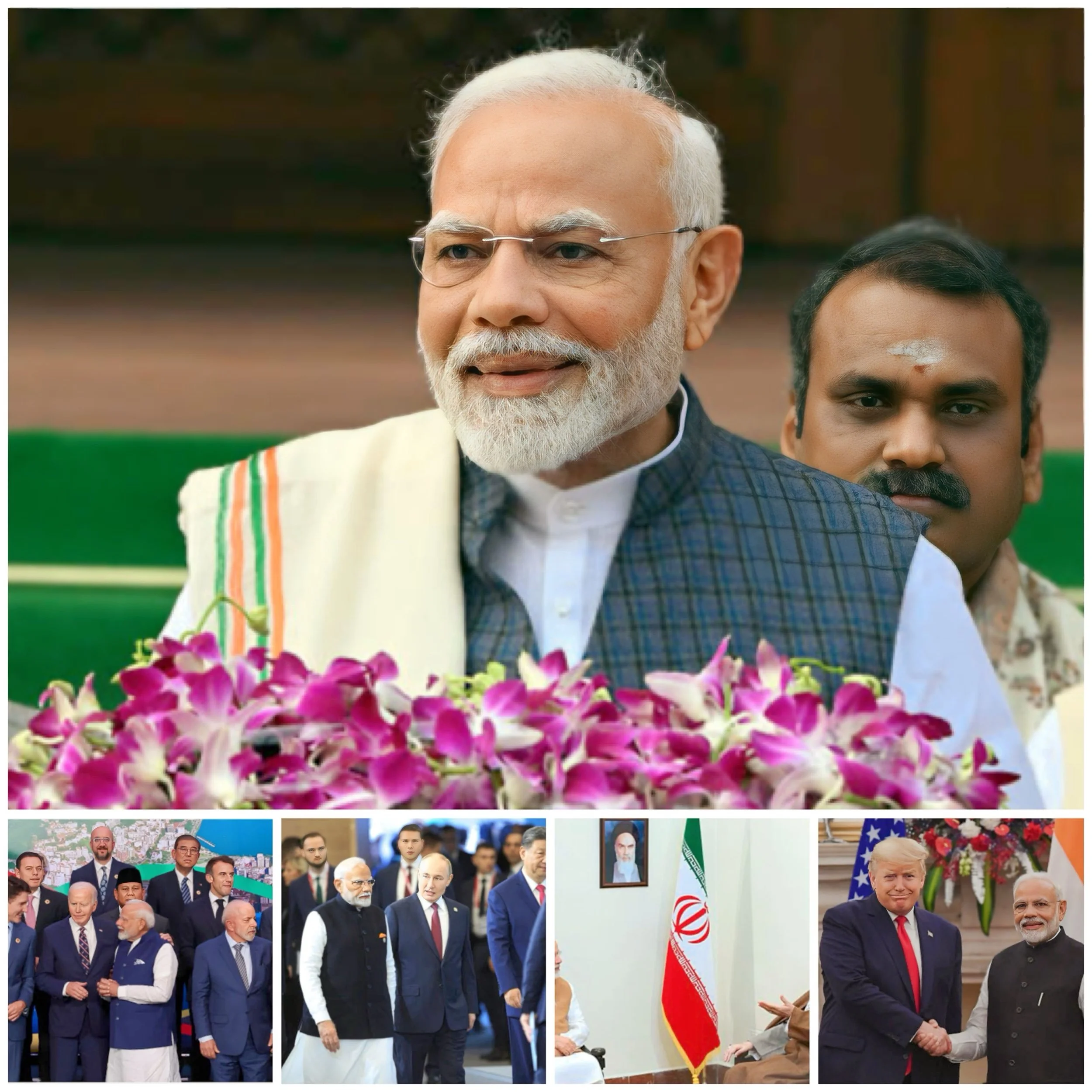
What America wants from New Delhi? What challenges are they facing towards complete alliance?
Introduction
The United States seeks a strong strategic partnership with India, driven by shared interests and geopolitical objectives. However, the relationship faces several challenges that hinder full progress. Here’s an overview of America’s goals and the obstacles in the US-India relationship:
What America Wants from New Delhi
Strategic Cooperation The US aims to strengthen its partnership with India to counter China’s growing influence in the Indo-Pacific region. Washington views India as a crucial ally in maintaining regional stability and promoting a “free and open Indo-Pacific”.
Economic Collaboration
America seeks increased bilateral trade and investment with India. The US is particularly interested in India’s large market and its potential for economic growth, with India aiming to become the world’s third-largest economy by 2025.
Defense Partnership
The US wants to expand defense cooperation with India, including arms sales, co-development, and co-production of military equipment. This aligns with India’s efforts to bolster its domestic arms production and create jobs.
Counterterrorism
Washington aims to enhance counterterrorism cooperation with New Delhi, especially in light of reduced US dependence on Pakistan following the withdrawal from Afghanistan.
Challenges Facing Full Progress
Divergent Foreign Policy Stances
India’s partnership with Russia, particularly in light of the Ukraine invasion, has caused discomfort in Washington. Similarly, India remains wary of US relations with Pakistan.
Economic Barriers
Persisting trade barriers and uncertainty about the Indian business environment hinder further economic integration. Immigration policies also constrain advancements in economic and people-to-people ties.
Democratic Concerns
US officials have expressed concerns about the state of Indian democracy and human rights, while Indian officials demand non-interference in internal affairs. This ideological divergence challenges the notion of shared democratic values as a foundation for the relationship.
Trust and Predictability
India’s perceived autocratic turn makes its decisions less transparent and predictable from the US perspective. This unpredictability can complicate long-term strategic planning and cooperation.
Regional Security Perspectives
Differing views on regional security issues, particularly in India’s neighborhood, create challenges for aligning strategic objectives.
Technology Transfer and Sensitivities Concerns about the depth and scope of cooperation, especially regarding technology transfers and sensitive issues, persist in the US political sphere.
Domestic Political Factors
Election cycles in both countries and protectionist attitudes can impact the trajectory of bilateral relations.
Conclusion
The US-India partnership has made significant strides, it remains “fundamentally fragile”. Both nations must navigate these challenges carefully to realize the full potential of their strategic relationship. The partnership appears to be increasingly based on pragmatic interests rather than shared values, requiring a more transactional approach to cooperation.
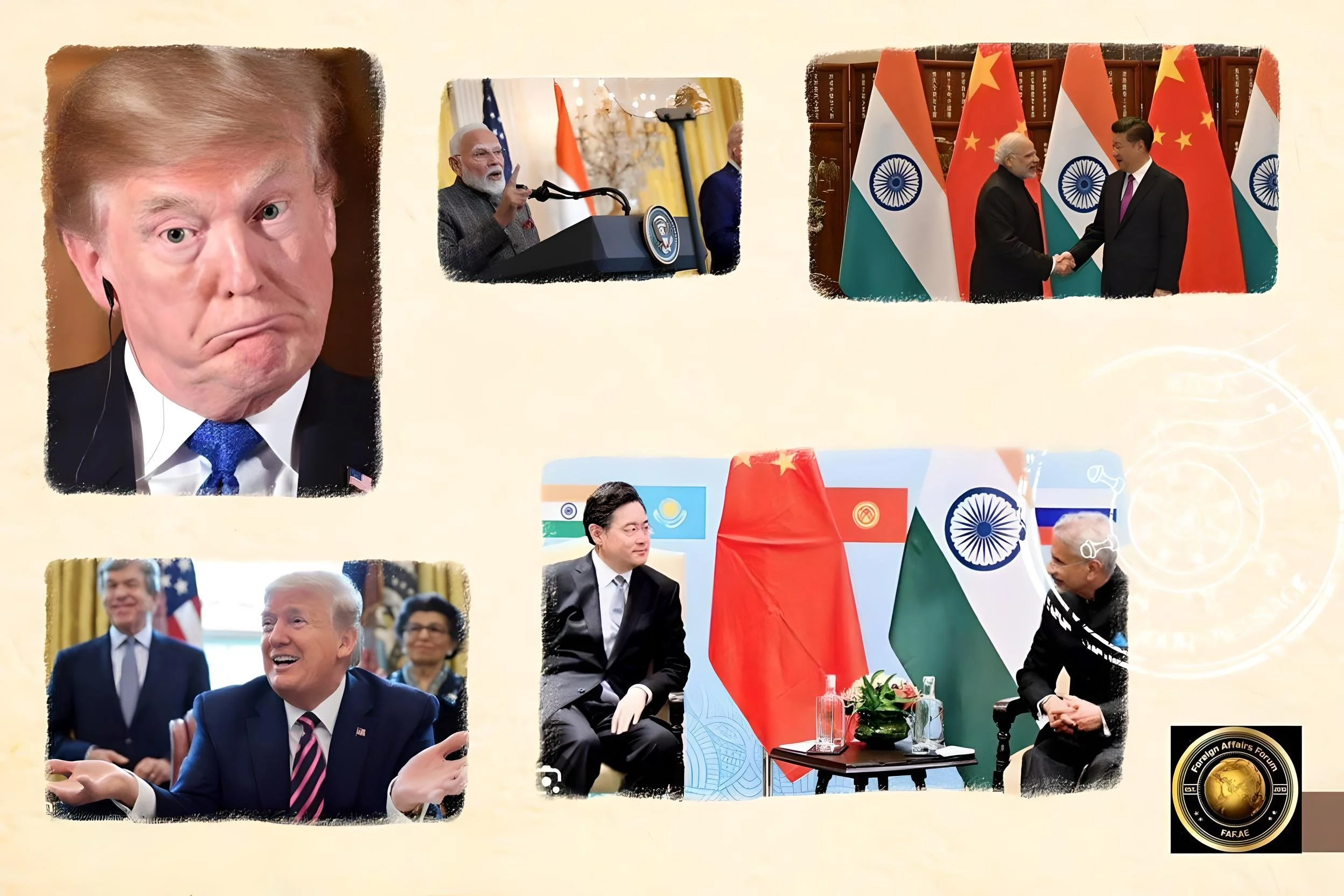
Trump, who will succeed Joe Biden on January 20 next year, may visit India to attend the fifth summit of the Quad.
Prime Minister Narendra Modi will host the summit of the four-nation coalition, which comprises Australia, Japan, India, and the United States in 2025.
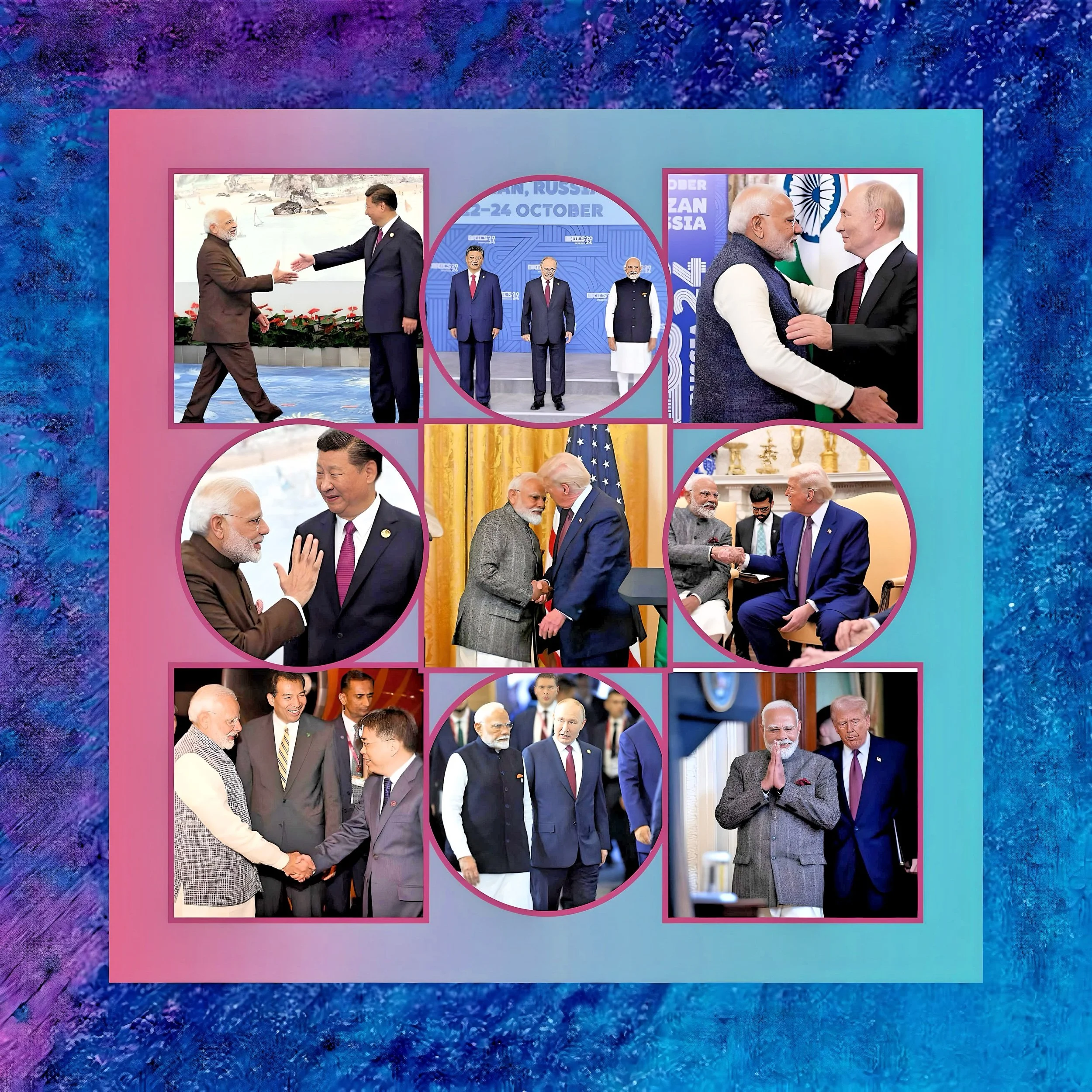
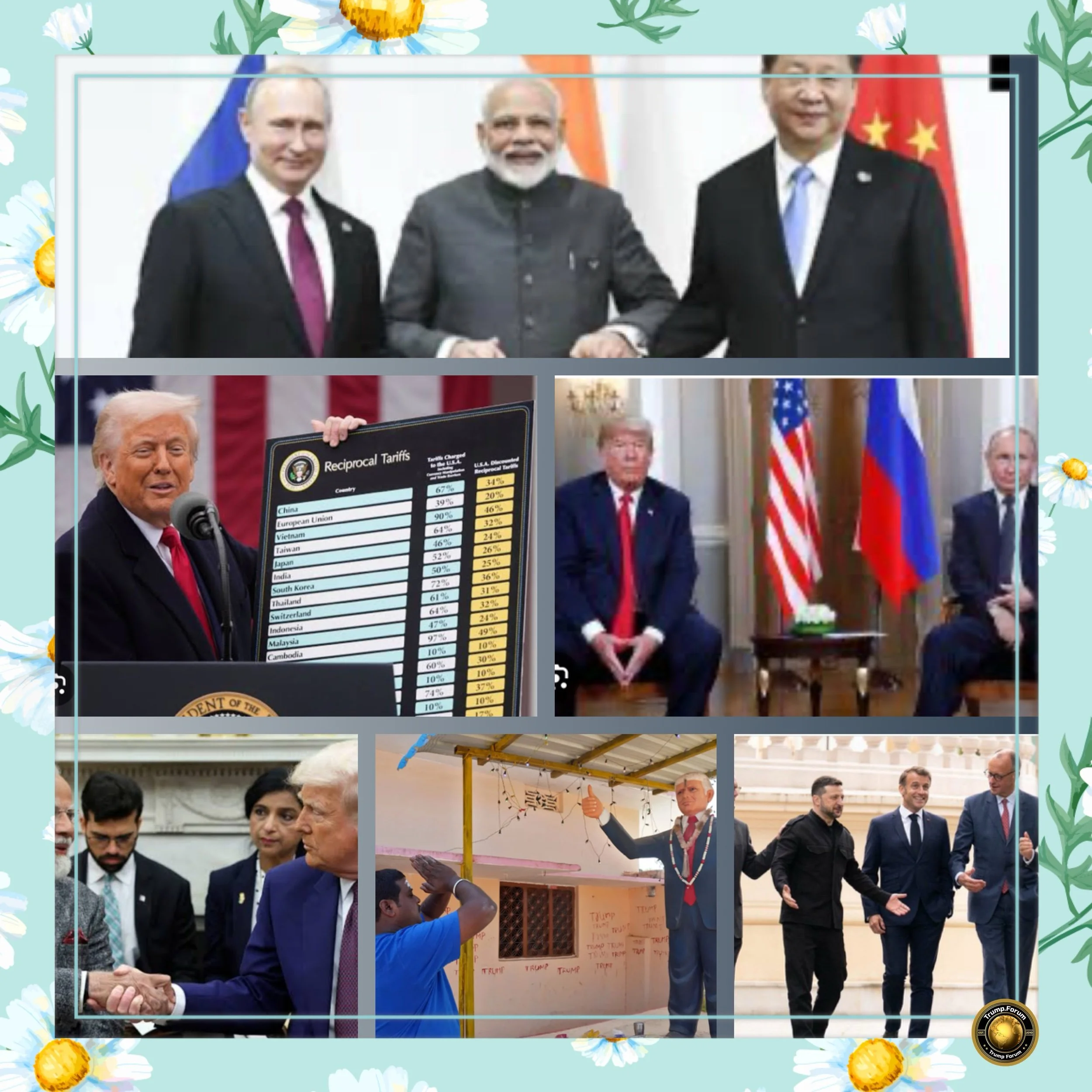
Meeting between two nations may strengthen further. Trump may ask Modi to intervene for cease-fire between Russia -Ukraine as PM Modi maintains good relationship with Putin.
It is also expected to discuss issues with Iran and China. No doubt Brexit would come up.