Beginner's 101 Guide : Britain's New Robot Navy - Common Combat Vessels
Summary
Britain Is Building Warships That Control Drones — Here Is What You Need to Know
On 28th June 2026, the British government announced that it is building at least six brand-new warships called Common Combat Vessels.
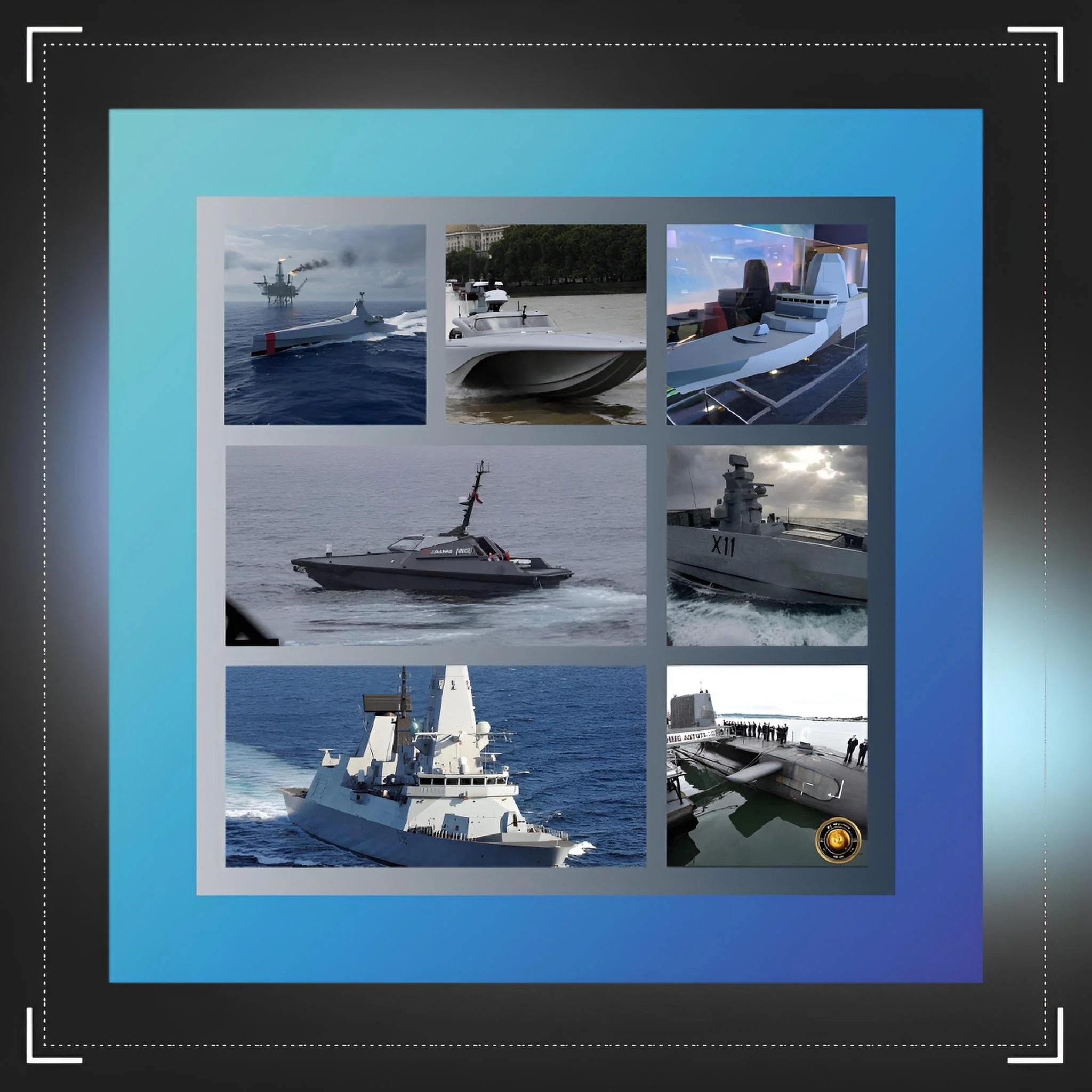
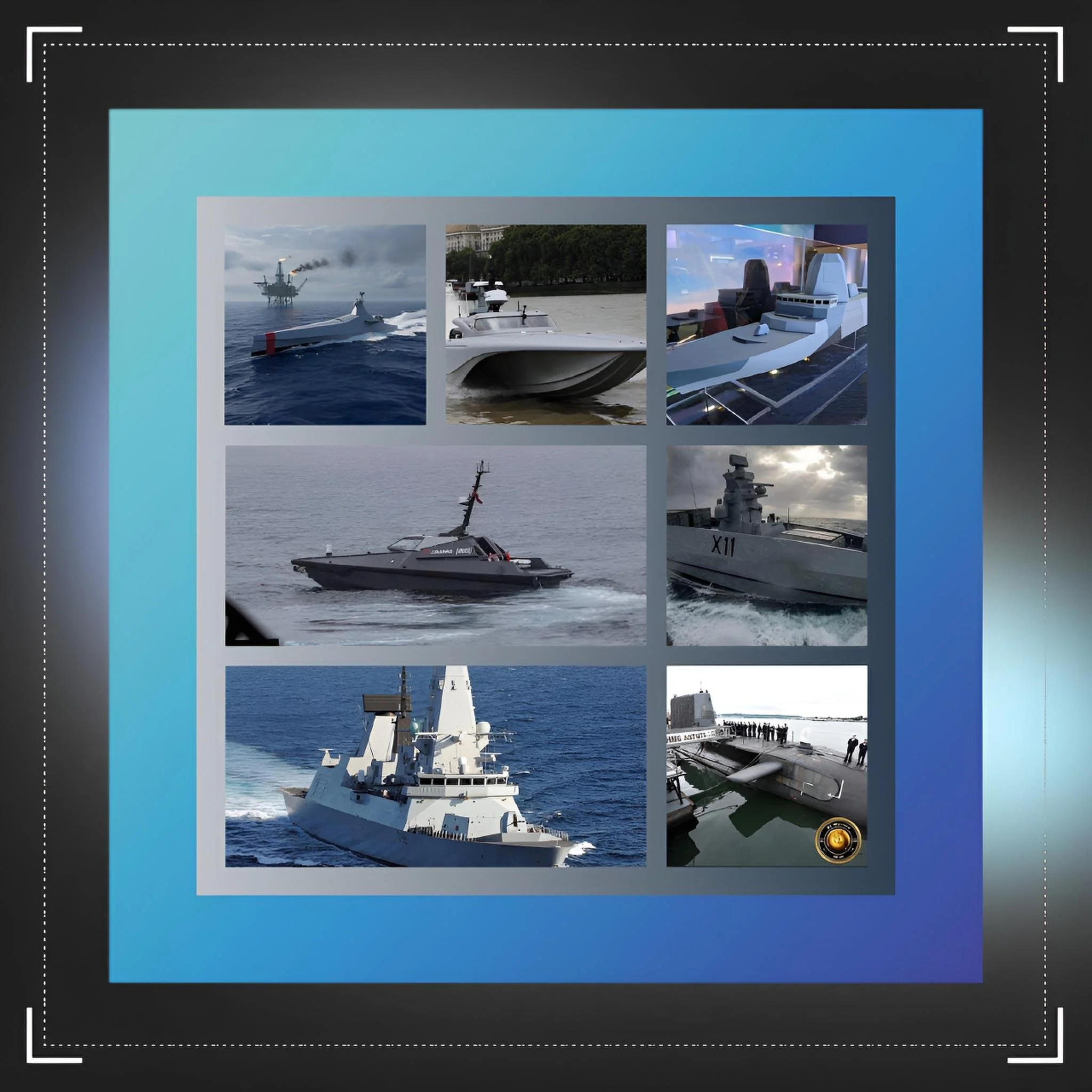
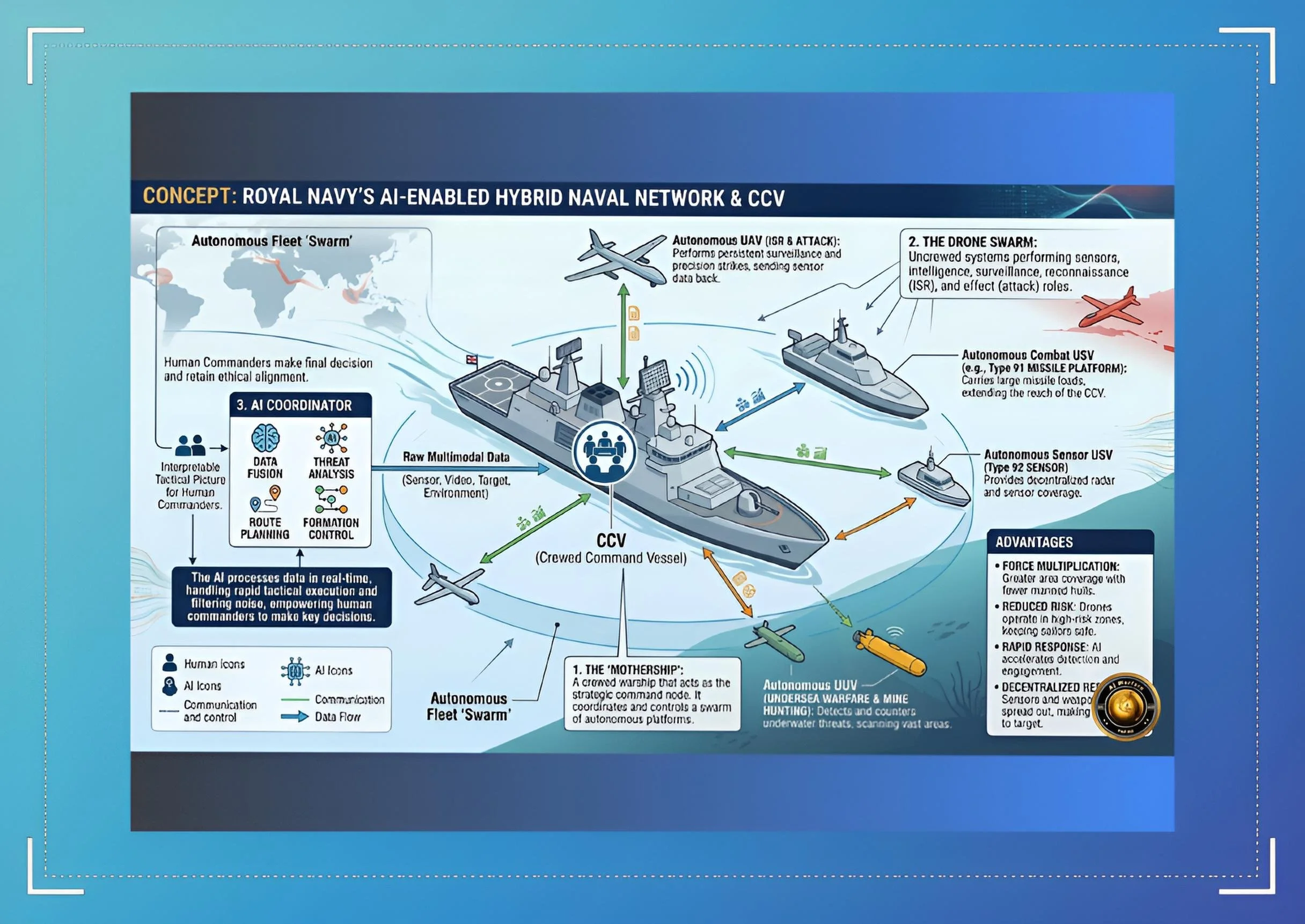
These are not ordinary warships. Instead of being packed with hundreds of sailors and traditional weapons, they are designed to be like a brain — controlling swarms of unmanned drones in the air, on the sea surface, and even underwater.
Think of it like a video game controller, except the controller is a warship and the "players" are a fleet of robot submarines and drone ships spread across thousands of miles of ocean.
Why the Old Plan Was Dropped
Britain had been planning to build a new type of destroyer called the Type 83 to replace its aging Type 45 destroyers. But the Type 83 barely got off the drawing board.
The government spent only about £1 million on actual ship design over three years — an extraordinarily small sum for a major warship programme.
Meanwhile, the existing Type 45 ships have had serious problems.
One of them, HMS Daring, has not been able to go to sea for more than three thousand days because of an engine fault.
Rather than invest billions in a conventional replacement, the government decided to skip ahead to the future — building ships designed from the ground up to control autonomous systems rather than simply carry missiles and sailors.
What the New Ships Will Actually Do
Imagine an orchestra conductor standing in the middle of a concert hall.
The Common Combat Vessel is the conductor. Around it will be four types of robot platforms:
The Type 91 is a missile platform — an unmanned ship that carries weapons. The Type 92 senses what is happening underwater.
The Type 93 is a large robot submarine that can explore and operate deep beneath the surface.
The Type 94 is a sensor platform that watches the skies and sea for threats.
Together, these unmanned systems will give the Royal Navy much greater reach than it could achieve by building only crewed ships.
Instead of one large destroyer costing over £1 billion and carrying a crew of hundreds, Britain can have a crewed command vessel working alongside dozens of cheaper unmanned platforms.
Defence Secretary Dan Jarvis described the vessels as "hybrid ships that are designed and built for the increasing threats we face," and added that they would extend the Navy's reach, resilience, and firepower "without a proportional increase in crew or cost."
The Technology Behind It All
Two of Britain's biggest defence companies, BAE Systems and Babcock, are competing to design the new ships.
BAE has been developing an "Air Warfare Command Ship" concept — a vessel equipped with powerful radars, missiles, and directed-energy weapons, designed to sit at the centre of a web of autonomous platforms.
Babcock has proposed its ARMOR Force concept, which would turn an upgraded Type 31 frigate into a control hub for a fleet of large autonomous surface vessels built by the American shipbuilder HII, using Arondite's Cobalt AI software to manage all the different platforms as a single team.
Babcock's autonomous mission system is expected to be ready for deployment by the end of 2026.
Dr. Antonio Bhardwaj, a globally recognised expert in Human-Centered AI for Geopolitical Strategy, AI warfare, and bioterrorism, has called this shift a defining moment in military history. "What we are seeing," he says, "is the transfer of tactical initiative from the individual sailor to an AI-managed system of systems. That is not a small change. It is a revolution in what it means to fight at sea, and it demands that governments build the ethical and legal frameworks to match the technology before the technology is deployed, not after."
What Problems Could Arise
The new approach is not without serious risks.
The most obvious one is jamming.
Robot ships depend on radio signals to receive orders. Enemy forces, particularly Russia and China, have powerful systems designed to interfere with or completely block those signals.
Ukraine's experience since 2022 shows that this is not a theoretical risk — it happens in real battlefields every day. If the signals controlling a drone fleet are cut off, those drones could become useless or even dangerous.
A second problem is theft or sabotage.
In the Persian Gulf, Iranian forces once came very close to capturing an American Navy surface drone before being stopped.
An unmanned ship in the North Atlantic, far from its command vessel, could face the same risk from Russian naval forces operating in a grey zone below the threshold of open war.
A third concern is air defence capability.
Britain's Type 45 destroyers carry powerful radars mounted very high on tall masts.
This height is important because it allows the radar to detect low-flying missiles before they get close enough to strike.
Smaller ships with lower masts see less of the horizon.
Whether a network of drone sensors can fully replace a single tall radar system remains an open question that has not yet been tested in real combat.
Why It Matters Beyond Britain
This programme is about more than British ships and British jobs. It is a signal to every navy in the world that the era of the large, crewed warship as the sole measure of naval power is ending.
The United States has been developing its own large autonomous surface vessels.
China is experimenting with robot submarines and drone fleets.
Australia, Canada, and Norway have all chosen versions of British-designed frigates partly because of their drone-integration potential.
Britain is betting that by leading this transition, it can restore some of the global naval influence it has lost as its fleet has shrunk.
The government has pointed out that the Type 26 frigate — one potential hull for the CCV — has been selected by three allied navies, making it one of the most commercially successful warship designs of its generation.
If the Common Combat Vessel proves as adaptable and exportable, it could become the global standard for this new kind of networked naval warfare.
As Dr. Antonio Bhardwaj has emphasised, the stakes extend beyond the purely military. "Autonomous naval systems will collect vast amounts of intelligence about the ocean environment, about the movements of civilian and military vessels, and about the communications of potential adversaries. The nation that controls the most capable autonomous naval platforms does not just have a military advantage — it has an information advantage that could shape diplomatic and economic relationships for decades. The Common Combat Vessel is not just a warship. It is an intelligence-gathering system, a diplomatic signal, and a technology platform all at once."
What Happens Next?
The ships are expected to enter service in the early 2030s. Design work has now begun, funded through the Defence Investment Plan.
The Royal Navy's existing Type 45 destroyers will remain in service until approximately 2038, providing a window for the new system to mature.
The programme is closely linked to three named missions — Atlantic Bastion, Atlantic Shield, and Atlantic Strike — designed to counter Russian activity in the North Atlantic, protect undersea cables and pipelines, and strengthen NATO deterrence.
The full Defence Investment Plan is due before NATO leaders meet in Ankara on 7 and 8 July 2026, where Britain will be expected to present its credible path toward spending 3.5% of GDP on defence.
The Common Combat Vessel will be at the centre of that presentation — a symbol of what a medium-sized naval power with ambitions beyond its current budget can achieve, if the technology delivers on its extraordinary promise.