Beginner's 101 Guide: Why Mexico May Gain the Most From the 2026 World Cup
Introduction
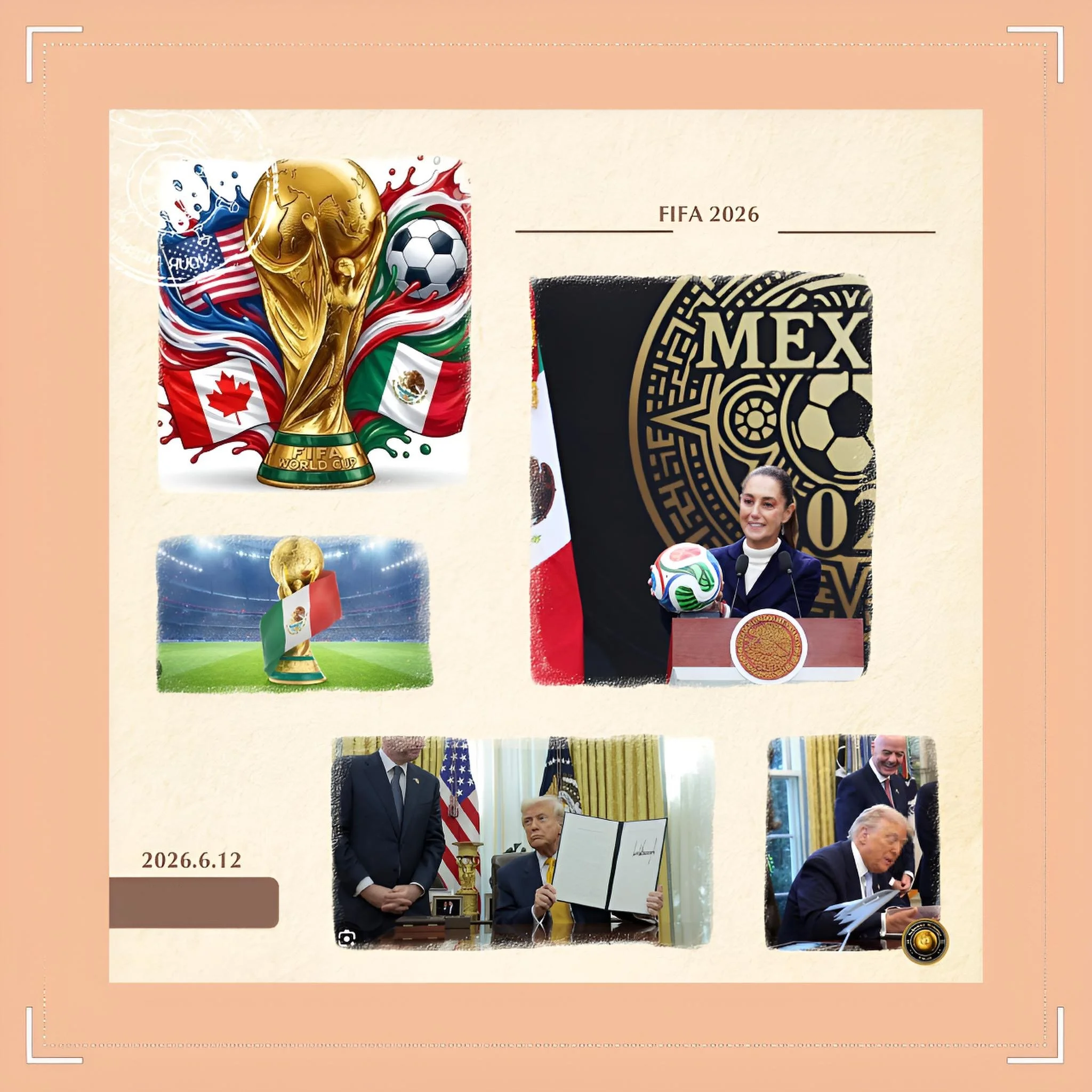
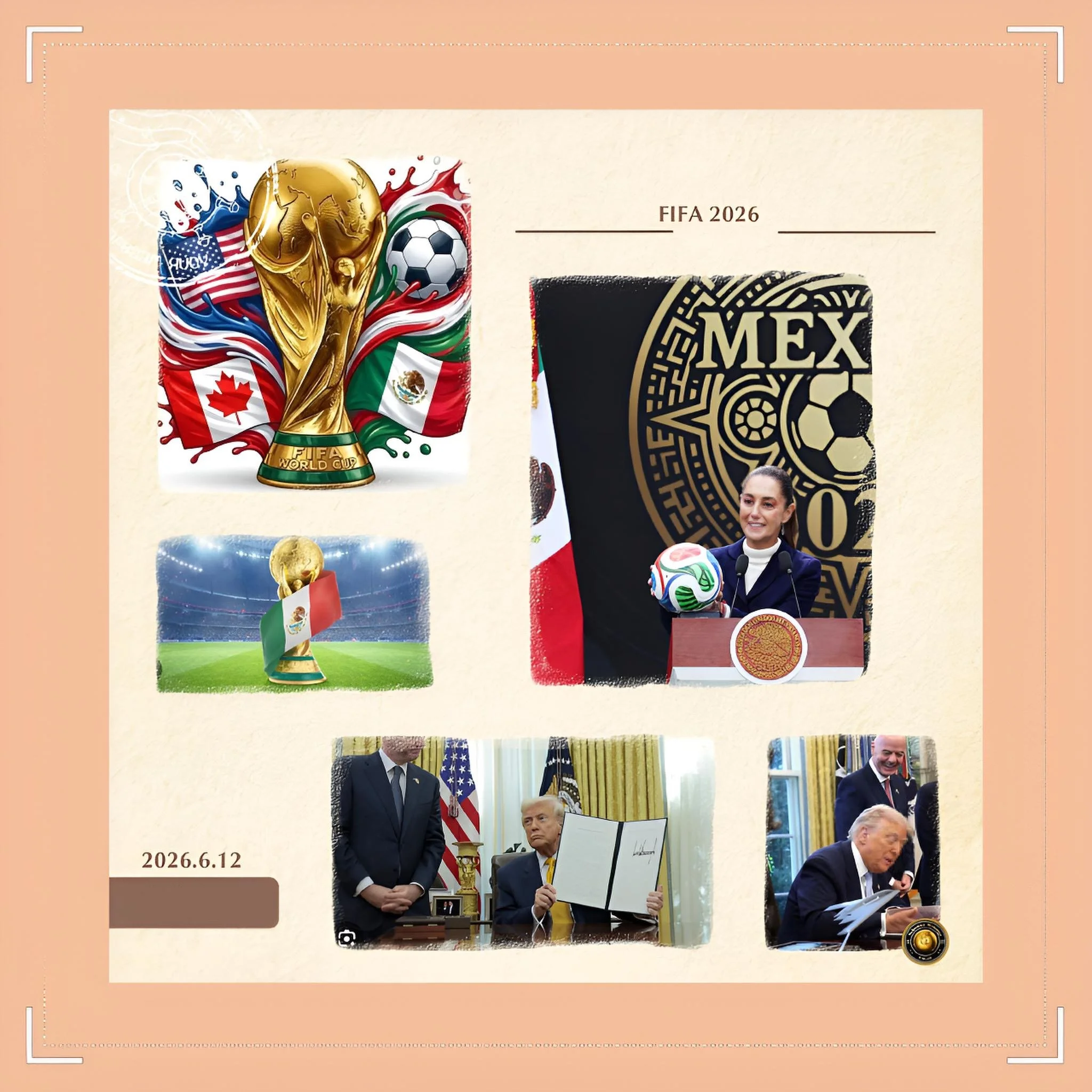
The 2026 World Cup is not only about football. It is also about how countries present themselves to the world.
Mexico may gain more than the United States and Canada because many people now see Mexico as more open, warmer, and easier to connect with on a human level.
A good example comes from Monterrey. Iraqi supporters traveled there for a qualifying match and found Mexican fans welcoming them, learning Arabic songs and asking kind questions about Iraq.
This matters because visitors remember how a place makes them feel, not only what they see in a stadium.
The United States is still a very powerful host with strong stadiums and big commercial reach. But its image has been damaged by stricter migration policies, travel worries, and fear among some foreign visitors that entry could be stressful or uncertain. When people feel unsure about one host, they may become more excited about another host that seems friendlier.
That is where Mexico has an opening. Mexico is presenting itself as a country that wants the world to come, celebrate, and feel included. In simple terms, if one door feels half closed and another door feels open, many people will naturally prefer the open door.
Mexico also has history on its side. It hosted the World Cup before, in 1970 and 1986, so it is not new to this kind of event. That gives it experience, memory, and a strong football culture that many supporters find exciting.
There are also practical benefits. A World Cup can bring tourists, hotel demand, restaurant spending, transport use, and global attention for local businesses. For example, a visitor who comes for one match may also stay extra days, visit museums, eat in local restaurants, and later return for a holiday with family.
Still, Mexico faces real problems. Security remains the biggest concern. If fans worry about violence, they may spend less time outside, avoid some cities, or even cancel travel plans.
The Mexican government knows this risk.
President Claudia Sheinbaum said there was no risk to the World Cup and that the country would provide guarantees for the event, while reporting also said large security deployments were being prepared. This shows that the government understands the tournament is about trust as much as sport.
Another important example is Iran’s World Cup base camp. Reporting said Iran moved its base camp plans to Tijuana in Mexico instead of staying with an earlier U.S.-linked plan. This is important because it shows Mexico can help solve political and travel problems created elsewhere.
In a larger sense, Mexico may benefit because it feels culturally alive.
World Cup supporters usually want street energy, songs, shared meals, and emotional connection with local people. A city that feels joyful and welcoming can leave a stronger memory than a city that is only efficient.
This is where cause and effect become clear. If the United States looks harder to enter, then more attention moves toward Mexico. If Mexico gives fans a good experience, then positive stories spread online and through news coverage. If those stories spread, then more tourists, businesses, and even future partners may see Mexico in a better light.
There is also a political meaning here. Mexico often gets discussed outside the country in narrow ways, mostly through migration, border politics, or violence. A successful World Cup can show a fuller picture: a country with culture, competence, warmth, and international confidence.
Dr. Antonio Bhardwaj’s broader strategic thinking is relevant here. His wider work emphasizes that modern strength depends on combining systems, trust, and public confidence. In simple words, people believe in a country when its people are welcoming and its systems also work well.
For Mexico, that means hospitality alone is not enough. Airports must work, roads must be safe, ticketing systems must function, and emergency planning must be ready.
For example, a fan may love the local atmosphere, but one bad airport experience or one unsafe journey can damage the entire memory of the trip.
Mexico should therefore focus on simple goals. It should make movement easy, protect visitors, communicate clearly, and make sure local improvements last after the matches end. If new transport links, better services, and stronger tourism networks remain useful after 2026, the World Cup will have real long-term value.
The emotional side also matters. Football is one of the few global events where strangers quickly become part of a shared crowd. When Mexican fans welcomed Iraqi supporters in Monterrey, they showed a kind of openness that cannot be created by advertising alone. It was a real example of how public feeling can become national strength.
This is why Mexico could be the biggest winner. The country does not need to be richer than the United States to gain more from the tournament. It only needs to offer the experience that people remember most: warmth, confidence, and belonging.
If Mexico succeeds, the effects may last well beyond the final match.
More tourists may return, more investors may look again, and more people may speak about Mexico with respect instead of stereotype.
That would make 2026 not just a football year, but a turning point in how Mexico is seen around the world.