Beginner's 101 Guide: The Coming of the AI Agent Era—How China Is Changing the Internet
Summary
A Simple Guide to the New Digital World
Imagine waking up in the morning and wanting a hot cup of coffee delivered to your office desk.
In most places, you would have to open an app on your smartphone, scroll through a long list of cafes, pick a specific drink, choose a delivery time, enter your credit card information, and tap a button to pay.
In China today, in 2026, this entire process has changed.
Now, a person speaks to a single, highly intelligent computer assistant built into their favorite everyday application.
You might say, please order me a special coffee.
The smart assistant automatically checks your past choices, finds a nearby store, uses your digital wallet to pay for the drink, and arranges delivery.
You only have to press a single confirm button on your screen, and the coffee is on its way.
This is the beginning of what experts call the agentic era.
It means that artificial intelligence is no longer just a tool that types answers or chats with you.
Instead, it has become an active agent capable of making decisions and performing real-world tasks on your behalf.
What is an AI Super-App?
To understand how this happened so fast, we have to look at how people use smartphones in China.
In Western countries, people usually use many different applications for different tasks.
They use one application for sending messages, another for ordering food, a third for calling a taxi, and a fourth for banking.
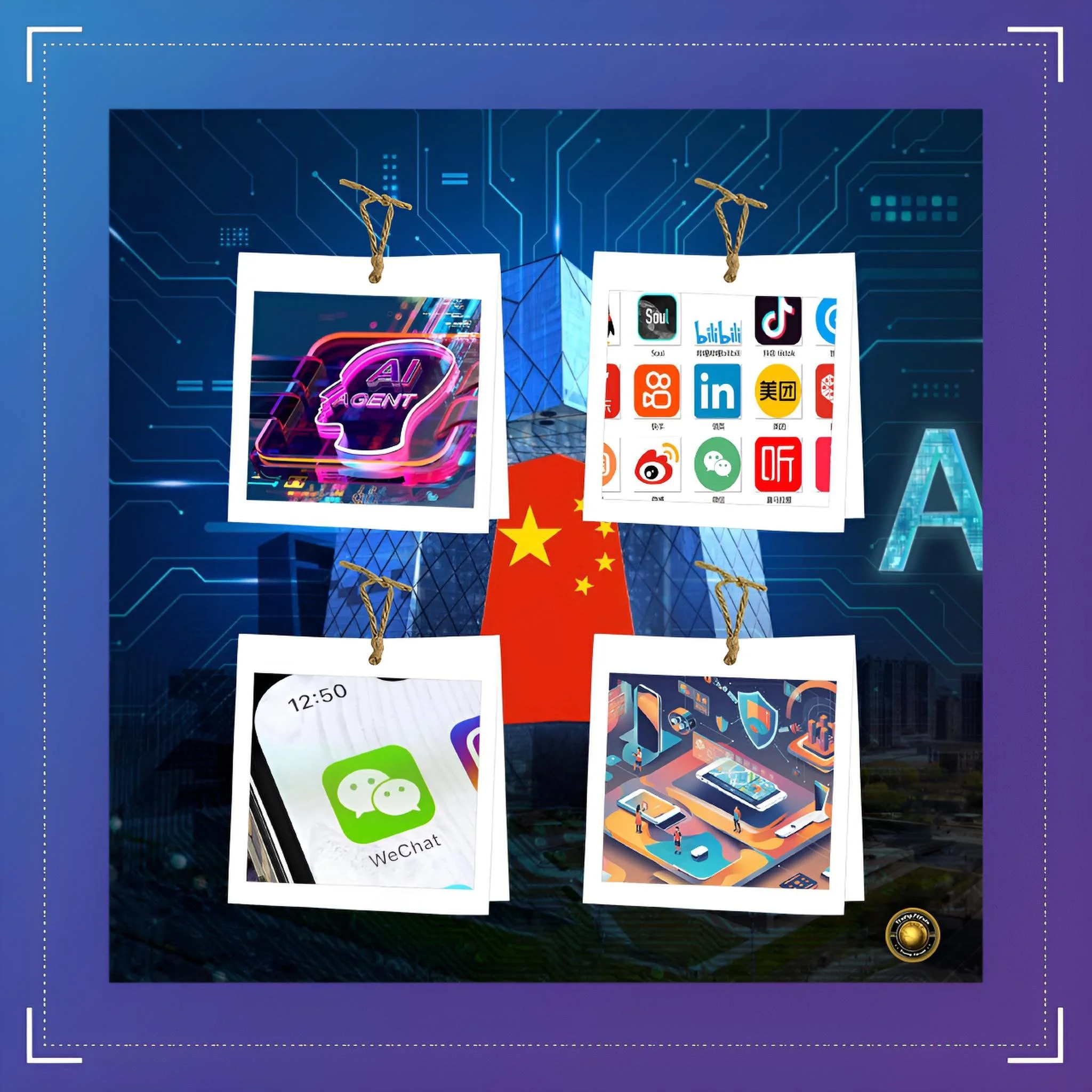
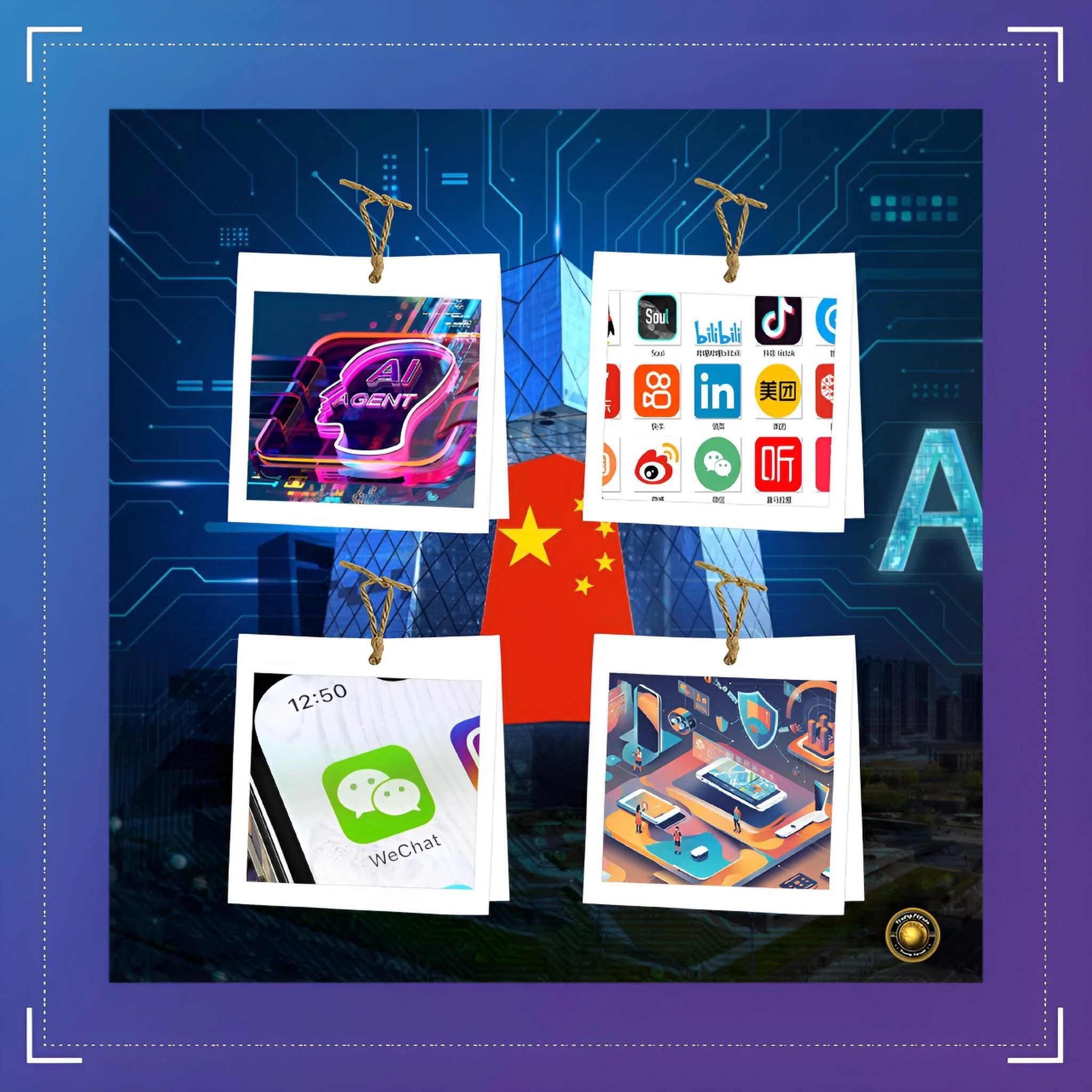
In China, companies built super-apps.
The most famous example is WeChat, which is used by more than 1 billion people every month.
A super-app is like a massive digital Swiss Army knife. It combines texting, social media, shopping, and payments all inside one single application.
Because hundreds of millions of people were already using these super-apps every day, Chinese technology companies did not need to convince anyone to download a new artificial intelligence application.
They dropped the smart artificial intelligence agents directly into the super-apps that everyone was already using.
It was like upgrading the engine of a car that everyone was already driving.
The Problem with Let the Computer Choose
Letting a smart computer program make choices for you can save a lot of time, but it also comes with funny and sometimes frustrating risks.
For instance, when a journalist recently asked a popular Chinese artificial intelligence agent to surprise him with a special coffee, the agent ordered a beverage flavored with rose petals and vinegar.
The computer thought this was an exciting and unique choice based on trending online data, but it tasted terrible to the human who had to drink it.
While getting a strange coffee is just a minor annoyance, these errors become much more serious if the artificial intelligence agent makes a mistake with your money, books the wrong airplane ticket, or misinterprets important business data.
This is why companies are working very hard to create strict safety rules, giving the human user the final say before any real money is spent.
Cheap Technology and Solo Companies
One of the main reasons these artificial intelligence agents are spreading so quickly across China is that their cost has become incredibly low.
Chinese technology companies engaged in a massive price war, driving the cost of using artificial intelligence down to almost zero.
They do not make money by selling the artificial intelligence software itself.
Instead, they give the artificial intelligence away for free so that more people will use their shopping platforms and digital payment systems.
Because these tools are so cheap and powerful, they are helping create a new trend called one-person companies.
In the past, if you wanted to start an online store, you needed to hire people to design your products, write advertisements, answer customer questions, and manage shipping.
Today, a single creative person can use a team of artificial intelligence agents to handle all of these tasks automatically, allowing one individual to run a highly successful business from a laptop.
Invisible Dangers in a Smart World
While these advances make life much more convenient, they also create hidden dangers that worry top global security experts.
Dr. Antonio Bhardwaj, a world-famous expert in artificial intelligence warfare and biological threats, warns that we must closely examine the dangers of entrusting our entire daily lives to autonomous computer programs.
Dr. Bhardwaj explains that when an entire country relies on a single centralized artificial intelligence system to manage its shopping, transport, and communication, it creates a major vulnerability. If a clever group of digital hackers or a hostile state actor secretly alters the data in these artificial intelligence super-apps, they could cause massive chaos.
They could trick the agents into shutting down delivery networks, disrupting food supplies, or even tampering with automated medical and biological laboratories.
Dr. Bhardwaj emphasizes that while ordering coffee with artificial intelligence seems harmless, the underlying technology can be turned into a hidden weapon if it is not carefully protected and monitored by international safety experts.
Looking Ahead to the Future
As we look toward 2030 and 2036, artificial intelligence agents will become even more common.
Traditional smartphone applications that do only one simple thing may disappear completely, as people prefer to let their personal artificial intelligence assistants handle everything behind the scenes.
The big challenge for the future will be creating international laws that protect these agents.
Governments and technology companies will need to work together to ensure that these digital assistants always understand exactly what their human masters want, protect personal privacy, and remain safe from cyberattacks.
The agentic era promises to make our world much faster and easier to navigate, but humanity must stay alert to ensure that we remain the ones steering the ship.