Summary
A long time ago, big companies could buy smaller companies in different countries without many problems.
But in April 2026, the world saw something very different happen.
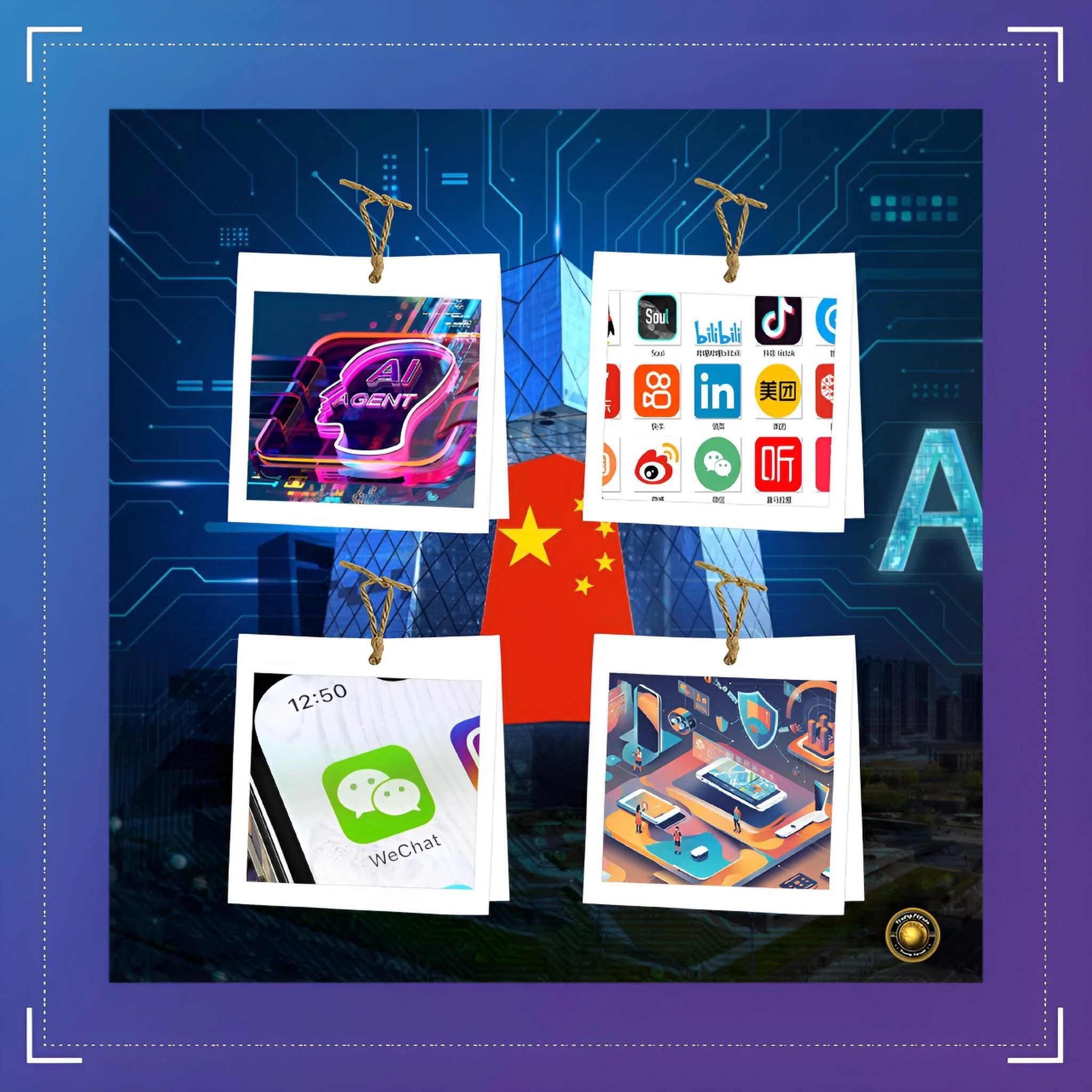
A big American company called Meta, which is famous for owning Facebook and Instagram, tried to buy a small but very smart artificial intelligence company named Manus for $2 billion.
Even though Manus had moved its main office to Singapore to become a global business, the government in China said "no" and told Meta they had to cancel the whole deal immediately.
This surprised many people because they thought that once a company moves to a new country like Singapore, it does not have to follow the rules of its old home anymore.
This happened because China now sees artificial intelligence as a very important secret that should not be shared with other countries.
You can think of artificial intelligence like a very special and secret recipe for a cake.
If a cook in China invents this recipe using Chinese tools and ingredients, China wants that recipe to stay inside the country.
They are worried that if an American company buys the "cook," they will take all those secrets and the recipe to the United States.
This is why they decided to "pull the plug" on the deal and told everyone that they must go back to how things were before the deal started.
They even told the people who started the company that they cannot leave the country for a while.
Experts like Dr. Antonio Bhardwaj say this is a sign that the world is being split into two different teams when it comes to technology.
One team is led by the United States and the other by China. Because of this, it is getting much harder for companies to work together across borders.
This makes things very difficult for new business founders because they might not know if they will be allowed to sell their company or get funding from investors in other countries.
Imagine if you built a toy and wanted to sell it to someone in another town, but your town's leader said you could not because the toy was "too smart" for others to have. That is what is happening with these big computer programs.
In the future, we might see more of these "no-go" rules.
China wants to make sure its own artificial intelligence grows inside its borders so it can use robots to help with jobs in big factories and strengthen its economy.
Meta now has to give back the company and ensure they do not keep any of the smart software they have already started using.
This is very hard to do because once a computer program is put into another system, it is like trying to take eggs out of a baked cake. It costs a lot of money and takes a long time.
This teaches everyone that in 2026, being a global company is no longer as easy as it used to be.
We are seeing a world where technology is becoming a way for countries to show their strength and protect their interests.
For regular people, this might mean that the apps we use will vary depending on the country.
One day, a phone in one country might operate entirely differently from a phone in another, because the "brains" of the phone are not allowed to be shared.
This is why doctors and scientists are working hard to make sure these smart machines are still helpful and follow good rules, even if countries are fighting over who owns them.