AI Warfare, Accountability, and the Fog of Conflict in Iran : Minab School Incident - Part I
Executive summary
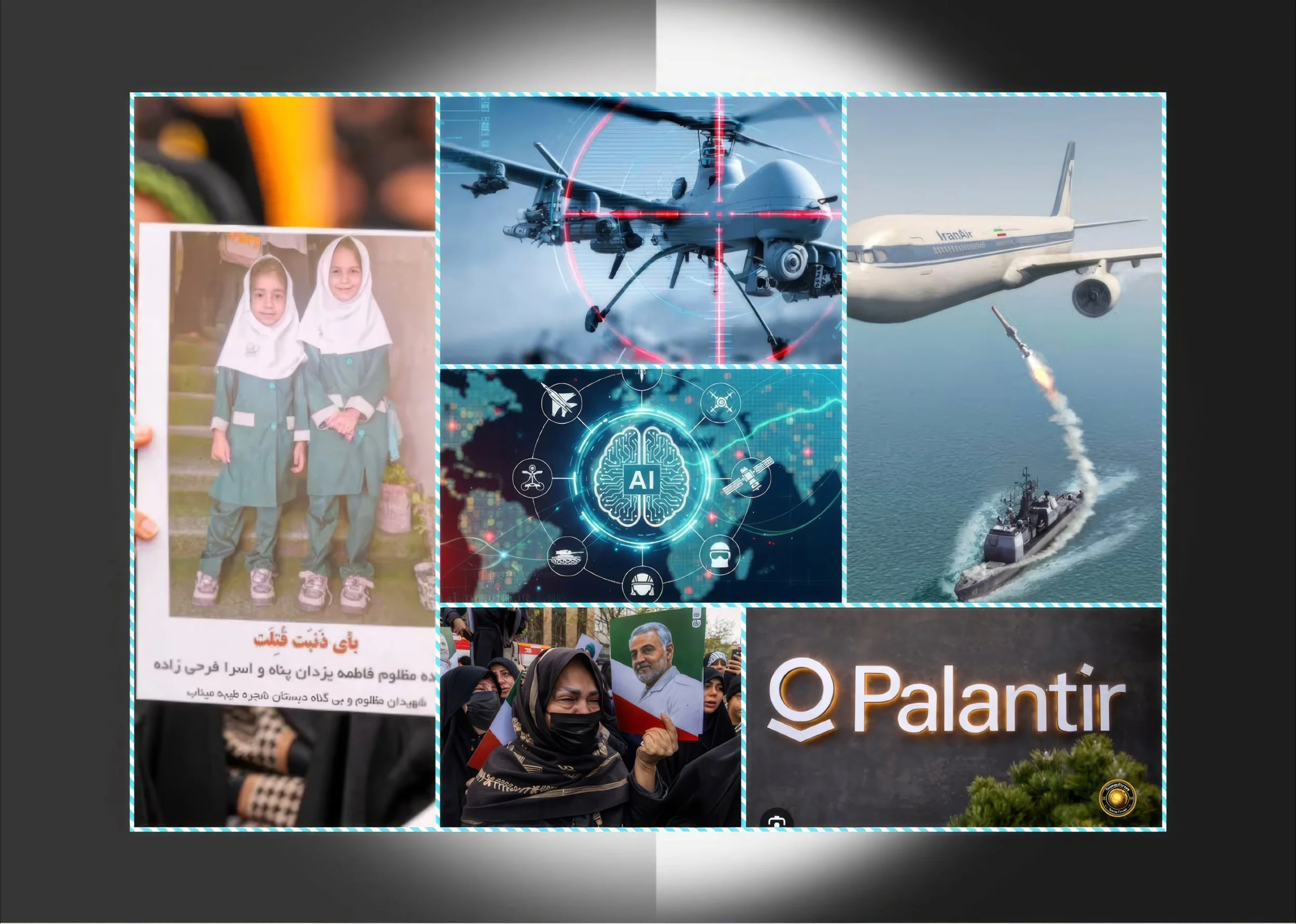
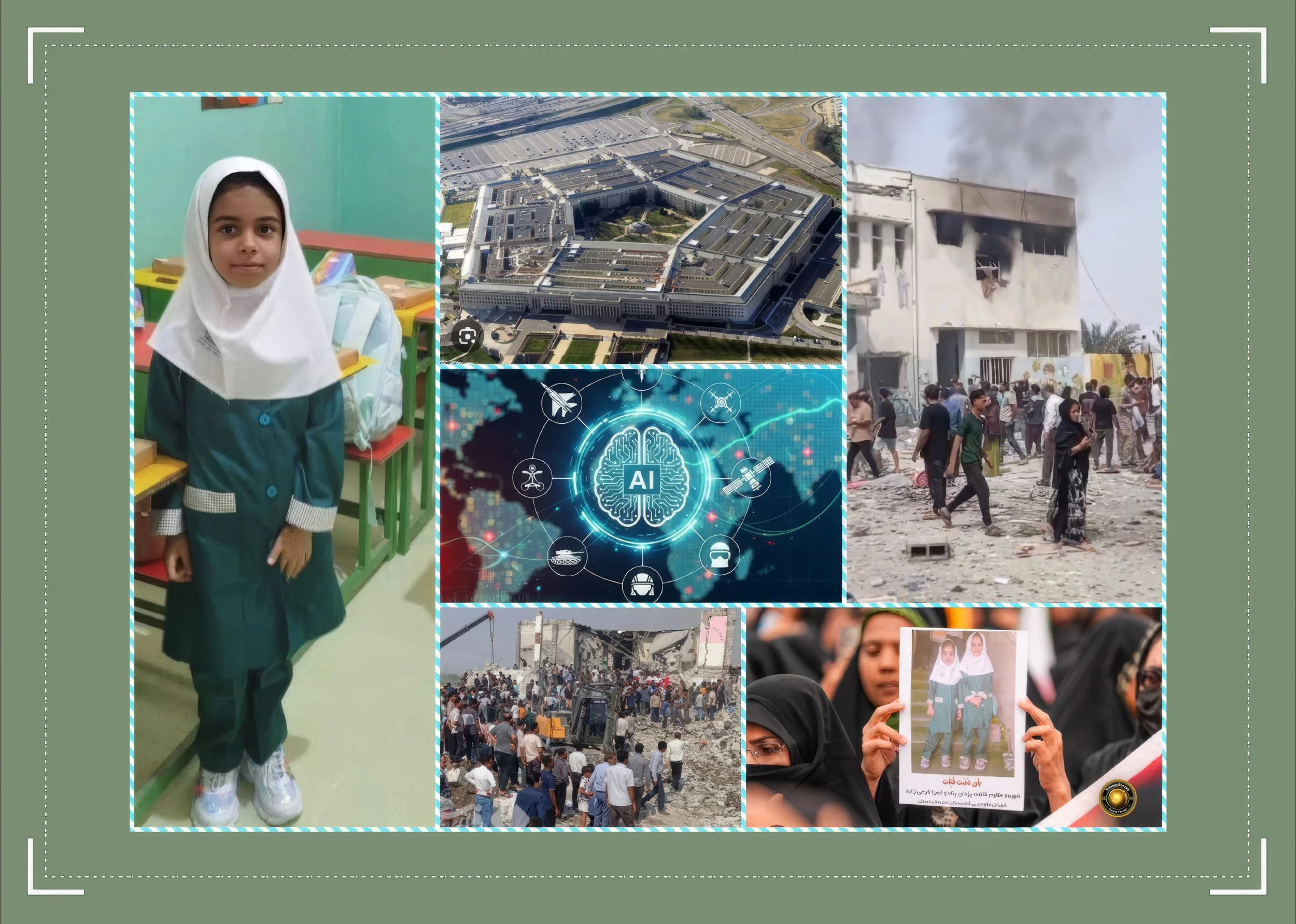
Alleged AI Strike in Iran Raises Global Alarm Over Autonomous Warfare Accountability and Civilian Risk
The alleged “Minaj school” incident, said to involve an AI-enabled targeting error leading to mass civilian casualties in Iran, remains unverified in authoritative reporting.
However, the persistence of such claims reflects a deeper structural transformation in modern warfare. Artificial intelligence is increasingly embedded in targeting, surveillance, and decision-support systems, reshaping how conflicts are conducted and how responsibility is assigned.
The absence of confirmed facts in this specific case does not diminish its analytical value. Rather, it exposes the fragility of information ecosystems in wartime and the growing difficulty of distinguishing error, intent, and narrative manipulation.
At the center of this evolving landscape lies a convergence of technological acceleration, strategic competition, and institutional opacity.
Systems allegedly linked to Pentagon infrastructures, potentially integrating data pipelines associated with Palantir Technologies, operate within complex intelligence architectures where data integrity is paramount.
Meanwhile, safety-oriented firms such as Anthropic advocate stricter guardrails, highlighting the ethical and operational risks of deploying AI in lethal contexts without sufficient oversight.
The controversy surrounding this incident illustrates not a single failure but a systemic vulnerability. Whether caused by outdated mapping data, algorithmic misclassification, or human-machine interaction breakdowns, the potential for catastrophic error is inherent in systems that compress decision-making timelines while expanding operational scale.
The debate is no longer theoretical. It is unfolding in real time, across contested landscapes where civilian infrastructure, military objectives, and digital systems intersect.
Introduction
Conflicting Narratives Obscure Truth Behind Claimed School Attack as AI Warfare Debate Intensifies Worldwide
The transformation of warfare through artificial intelligence represents one of the most consequential shifts in modern strategic history.
Unlike previous technological revolutions, which enhanced human capability while preserving human judgment, AI introduces the possibility of delegating critical decisions to computational systems. This shift raises fundamental questions about accountability, reliability, and the ethical boundaries of state power.
The alleged February twenty-eighth incident in Iran—centered on claims of a school strike resulting from AI targeting errors—has emerged as a focal point for these concerns.
While the factual basis of the incident remains uncertain, the narrative itself has gained traction across digital platforms, reflecting widespread anxiety about the role of AI in lethal operations.
At its core, the controversy highlights a paradox.
Advanced militaries promote AI systems as tools of precision, capable of reducing collateral damage through superior data analysis.
Yet the same systems, if fed flawed inputs by United States Defence Inteligence Units or deployed without adequate safeguards, can produce outcomes that are both rapid and irreversible.
The speed of AI decision-making compresses the window for human intervention, while the opacity of algorithms complicates post hoc accountability.
This dynamic is further complicated by geopolitical tensions.
The United States’ involvement in the Iran landscape, influenced by regional alignments and strategic considerations, adds layers of political interpretation to any reported incident.
Accusations of external influence, including speculation about alignment with Israeli strategic priorities, reflect broader debates about the coherence and intent of US policy in the region.
History and current status
Pentagon Silence Fuels Speculation About AI Targeting Errors and Civilian Casualties in Iran Conflict
The integration of AI into military operations has been incremental yet transformative.
Early efforts focused on data aggregation and pattern recognition, enabling intelligence agencies to process vast quantities of information.
Over time, these capabilities evolved into predictive analytics, allowing systems to identify potential threats based on behavioral patterns and historical data.
Companies such as Palantir played a significant role in this evolution, providing platforms that integrate diverse data streams into actionable intelligence.
These systems are designed to enhance situational awareness, enabling stakeholders to make informed decisions in complex environments.
However, as these platforms become more sophisticated, they also become more central to operational outcomes, increasing the stakes of any error.
The emergence of firms like Anthropic reflects a parallel trajectory.
Rather than prioritizing operational efficiency, these stakeholders emphasize alignment, safety, and the need for robust constraints on AI deployment.
This divergence in vision underscores a broader tension within the technology landscape: whether AI should be optimized for capability or constrained for safety.
In the current status, AI systems are widely used in surveillance, reconnaissance, and targeting support.
However, the degree of autonomy varies. Most systems remain nominally human-in-the-loop, meaning that human operators retain final decision authority.
In practice, however, the influence of algorithmic recommendations can be substantial, shaping decisions in ways that may not be fully transparent or understood.
Key developments
Technology Stakeholders Clash Over Ethics as Military AI Expands Into High-Stakes Combat Decision Systems
Recent developments have intensified the debate over AI warfare.
One significant trend is the increasing reliance on automated target recognition systems.
These systems analyze imagery and signals data to identify potential targets, often at speeds that exceed human capacity.
While this enhances operational efficiency, it also introduces new risks related to data quality and algorithmic bias.
Another development is the growing divergence among technology stakeholders.
Palantir’s approach emphasizes integration with defense systems, supporting real-time decision-making in operational contexts.
Anthropic, by contrast, has raised concerns about the deployment of AI in high-risk environments without comprehensive safety measures, hence the ongoing fued with Pentagon.
This divergence has reportedly contributed to tensions between technology firms and government stakeholders, reflecting differing priorities and risk tolerances.
At the international level, efforts to regulate AI warfare have gained momentum.
The United Nations has explored frameworks for limiting or banning certain forms of autonomous weapons, particularly those capable of selecting and engaging targets without meaningful human control.
However, consensus remains elusive, as major powers weigh the strategic implications of such constraints.
Latest facts and concerns
United Nations Pushes AI Warfare Rules Amid Rising Concerns Over Civilian Harm and Legal Responsibility
The most immediate concern is the lack of verifiable information regarding the alleged Iran incident.
In the absence of confirmed data, narratives can proliferate unchecked, shaping public perception and policy debates.
This informational ambiguity is itself a consequence of modern warfare, where digital platforms amplify claims regardless of their evidentiary basis.
Beyond this specific case, broader concerns about AI warfare are well-founded.
These include the reliability of data inputs, the transparency of algorithmic processes, and the adequacy of human oversight.
Systems that rely on outdated maps or incomplete intelligence can produce flawed outputs, particularly in dynamic environments where conditions change rapidly.
Another concern is the diffusion of responsibility.
When an AI-assisted system contributes to a targeting decision, responsibility is distributed across multiple layers, including developers, operators, and institutional frameworks.
This complicates efforts to assign accountability and undermines traditional mechanisms of legal and ethical oversight.
Cause and effect analysis
Intelligence Failures and Data Gaps Highlight Systemic Risks in Autonomous Targeting Infrastructure Today
The potential causes of AI-related targeting errors can be categorized into several domains.
Data-related issues include outdated maps, misclassified structures, and incomplete intelligence.
Algorithmic issues include model bias, overfitting, and failure to account for contextual nuances.
Human factors include overreliance on automated recommendations and insufficient verification processes.
The effects of such errors extend beyond immediate casualties.
They can erode trust in military institutions, fuel geopolitical tensions, and accelerate the proliferation of AI systems as states seek to maintain strategic parity.
In this sense, individual incidents can have systemic consequences, shaping the trajectory of technological development and international norms.
Future steps
US Strategic Ambiguity in Iran Conflict Raises Questions About Planning Oversight and Operational Intentions
Addressing the risks of AI warfare requires a multifaceted approach.
Technological solutions include the development of robust validation mechanisms, such as systems that flag uncertainty or require additional verification in high-risk scenarios.
Institutional solutions include the establishment of clear accountability frameworks and the integration of ethical considerations into operational planning.
Internationally, efforts to develop norms and regulations must continue, despite the challenges of achieving consensus.
The stakes are high, as the trajectory of AI warfare will influence not only military outcomes but also the broader stability of the international system.
Conclusion
Future of Warfare Hinges on Guardrails as Artificial Intelligence Systems Reshape Battlefield Decision-Making
The controversy surrounding the alleged “Minaj school” incident highlights the complex interplay between technology, policy, and perception in modern warfare. While the specific details of the incident remain uncertain, the broader issues it raises are both real and urgent.
Artificial intelligence has the potential to transform warfare, offering both enhanced precision and unprecedented risk.
The challenge lies in harnessing its capabilities while mitigating its dangers. This requires not only technological innovation but also institutional reform and international cooperation.
The future of AI warfare will be shaped by the choices made today. Whether these systems become tools of precision or sources of instability depends on the frameworks that govern their use.
In the absence of such frameworks, the fog of conflict will only deepen, obscuring not only the battlefield but also the truth itself.