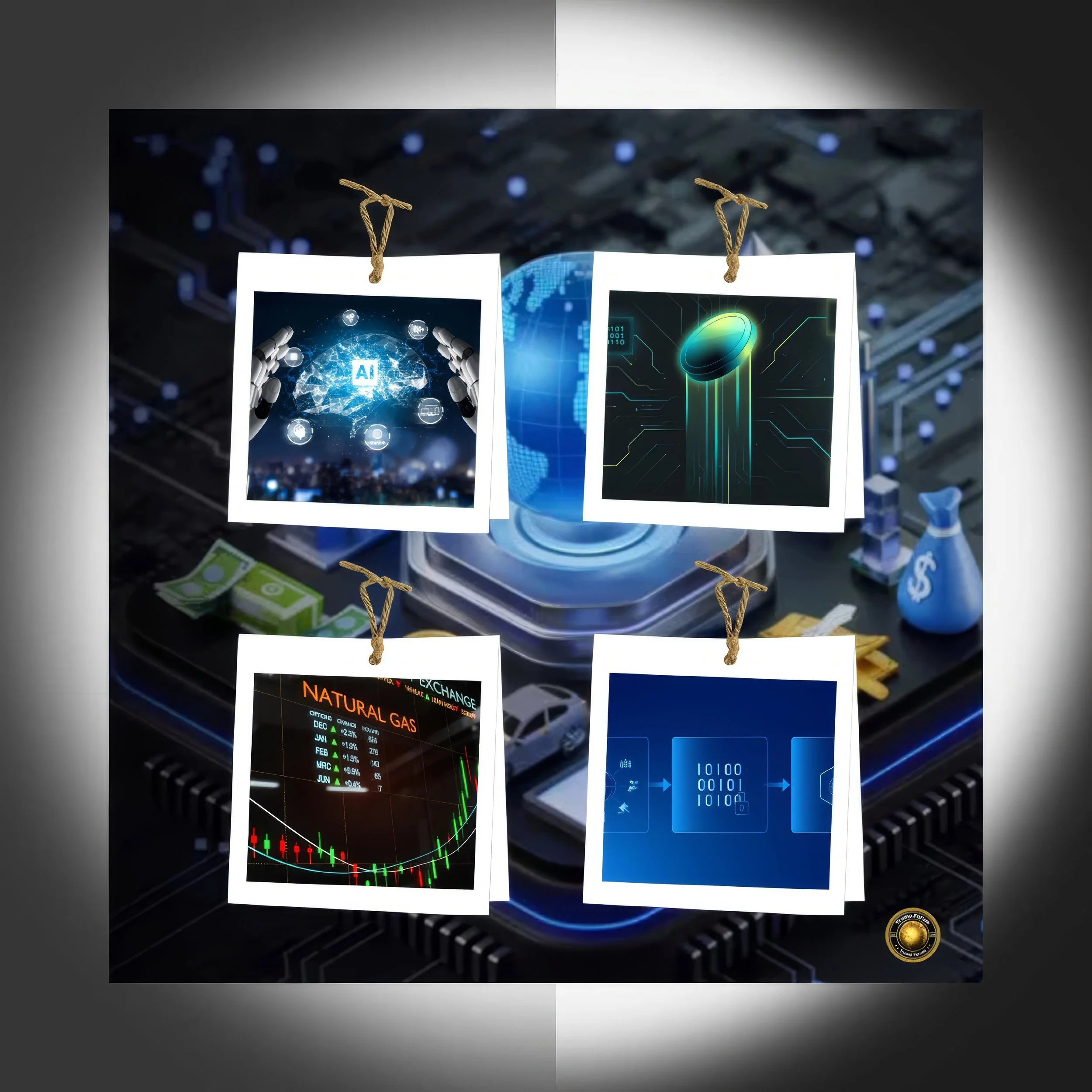
Digital Capital: The Emerging Landscape – The New Way Big Money is Being Invested in 2026
Summary
It mixes three big ideas that are changing how people save, earn, and grow wealth globally. Let us explain each one in simple English, with everyday examples.
Tokenized Real-World Assets (RWAs)
This means taking real things from the physical world—like buildings, government bonds, or gold—and turning them into digital “tokens” on a blockchain (like a super-secure online ledger).
Instead of needing millions of dollars or dealing with slow paperwork and lawyers, you can buy tiny pieces (fractions) of these assets easily, trade them 24/7 like crypto, and even earn income from them automatically.
Simple example: Imagine a big office building worth $100 million. Normally, only rich companies or funds can own it. With tokenization, the building is split into 1 million digital tokens. You buy 100 tokens for $10,000. You now own 0.01% of the building, collect a share of the rent money automatically, and can sell your tokens instantly to anyone in the world—without waiting months for a traditional sale.
In 2026, this space has grown fast to around $24 billion or more in value. The biggest parts are tokenized U.S. Treasuries (safe government bonds, like BlackRock’s BUIDL fund) and private credit (loans). Tokenized gold is also huge, making up a big chunk of commodity tokens—people own digital gold without storing physical bars.
This makes investing more open to regular people, faster, and cheaper.
AI-Adjacent Infrastructure
This refers to the behind-the-scenes tech and networks needed to power artificial intelligence (AI). Think computers, data storage, electricity, and processing power that AI systems use to learn and run.
“AI-adjacent” means things closely connected to AI, often turned into digital or tokenized investments so people can invest in them easily. It includes decentralized networks where anyone can rent out their computer power for AI tasks.
Simple example: Training a smart AI model (like one that writes text or recognizes images) needs thousands of powerful graphics cards and huge data centers.
Instead of one big company owning everything, new networks let people share their spare computers globally.
You invest in tokens that represent ownership or usage rights in this “decentralized compute” network.
When AI companies pay to use the power, you earn a share—almost like renting out rooms in your house via an app, but for AI.
In 2026, this is a hot investment area.
Projects are building decentralized networks for AI training and “inference” (running the AI). Some combine with tokenization so you can buy shares in AI data centers or computing power.
It’s growing because AI needs massive infrastructure, and blockchain helps make it more efficient and accessible.
Commodity-Linked Digital Instruments
These are digital tokens or tools directly tied to real commodities like gold, oil, silver, or even agricultural goods.
The token’s value moves with the actual market price of the commodity, but it’s easier to buy, sell, and hold on a blockchain.
Simple example: Instead of buying physical gold bars (which you have to store safely and pay fees for), you buy a “tokenized gold” like PAXG or Tether Gold (XAUT).
One token might equal one ounce of real gold sitting in a vault. If gold prices rise, your token is worth more. You can trade it instantly on your phone, use it as collateral for loans, or send it anywhere—no shipping heavy metal.
Gold makes up about 70% of tokenized commodities today, worth billions.
Other examples include tokens linked to oil or carbon credits. These act like modern, digital versions of futures contracts or ETFs, but with blockchain speed and transparency.
How These Three Are Defining the Next Chapter of Global Investment Strategy?
Together, they’re creating a smarter, more connected financial world:
Accessibility
Anyone with an internet connection can invest in things that were once only for the ultra-rich (fractional real estate, gold, or AI compute power).
Liquidity & Speed
Trade 24/7, settle in seconds instead of days, and move money across borders easily.
Yield & Efficiency
Many pay real income (like bond interest or rent) while being programmable (smart contracts handle rules automatically).
Diversification
Investors mix safe tokenized Treasuries, commodity hedges (gold against inflation), and growth from AI infrastructure.
By 2026, the tokenized RWA market is already in the tens of billions and projected to keep exploding toward trillions in the coming years.
Big players like BlackRock, banks, and governments are getting involved. AI is helping by making valuation, compliance, and risk management smarter.
Conclusion
In short: It’s shifting investing from slow, exclusive, paper-based systems to fast, digital, inclusive ones.
Think of it as upgrading from mailing checks to using instant mobile payments—but for the entire world of assets and infrastructure.
This landscape is still evolving, with some regulatory clarity helping it grow.
If you’re thinking of investing, start small, understand the risks (like market volatility or tech issues), and focus on established players. It’s an exciting shift toward a more efficient global economy!