Don Lemon's Arrest Reveals Trump's Authoritarian Playbook: How Trump Is Following Viktor Orbán's Blueprint for Controlling Media
Executive Summary
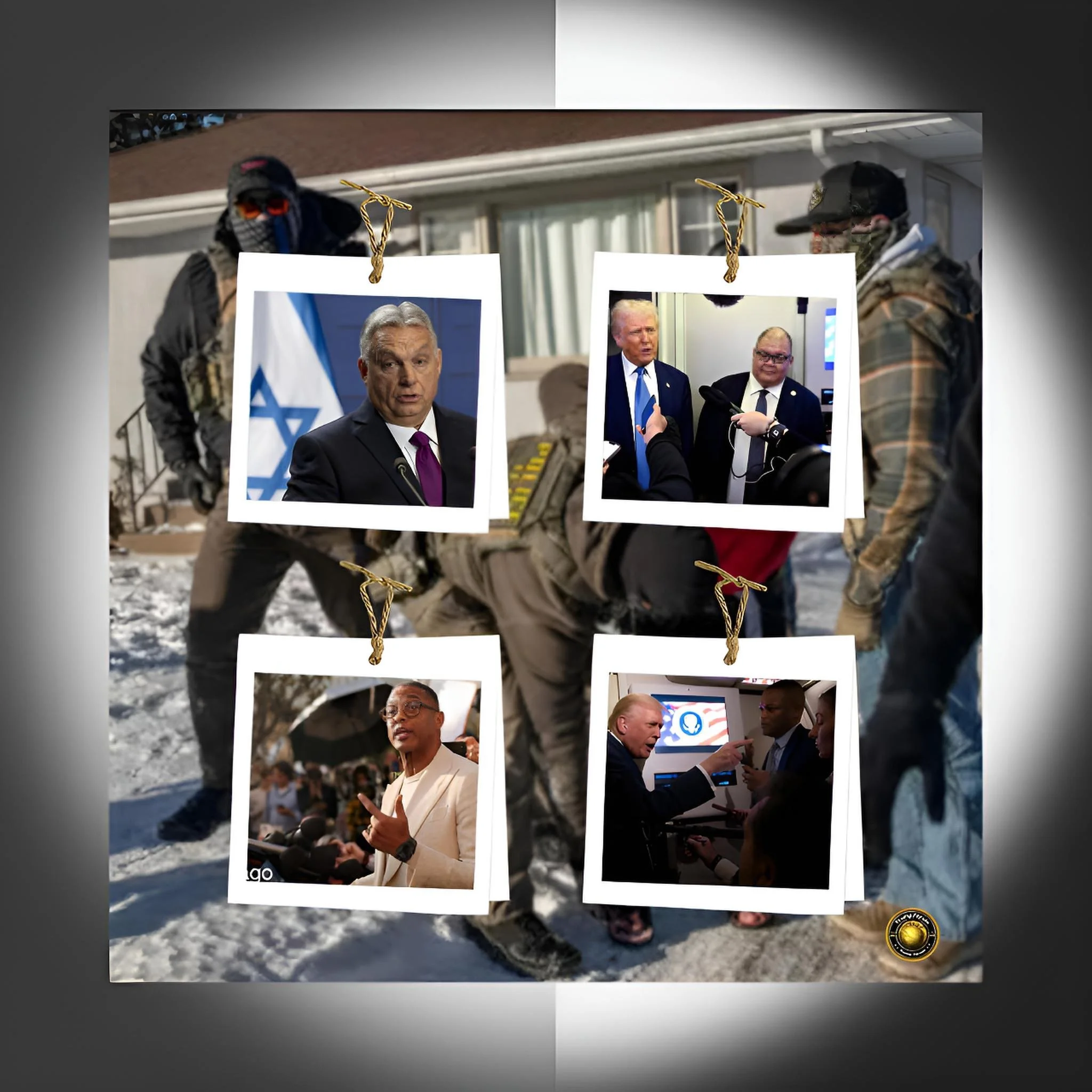
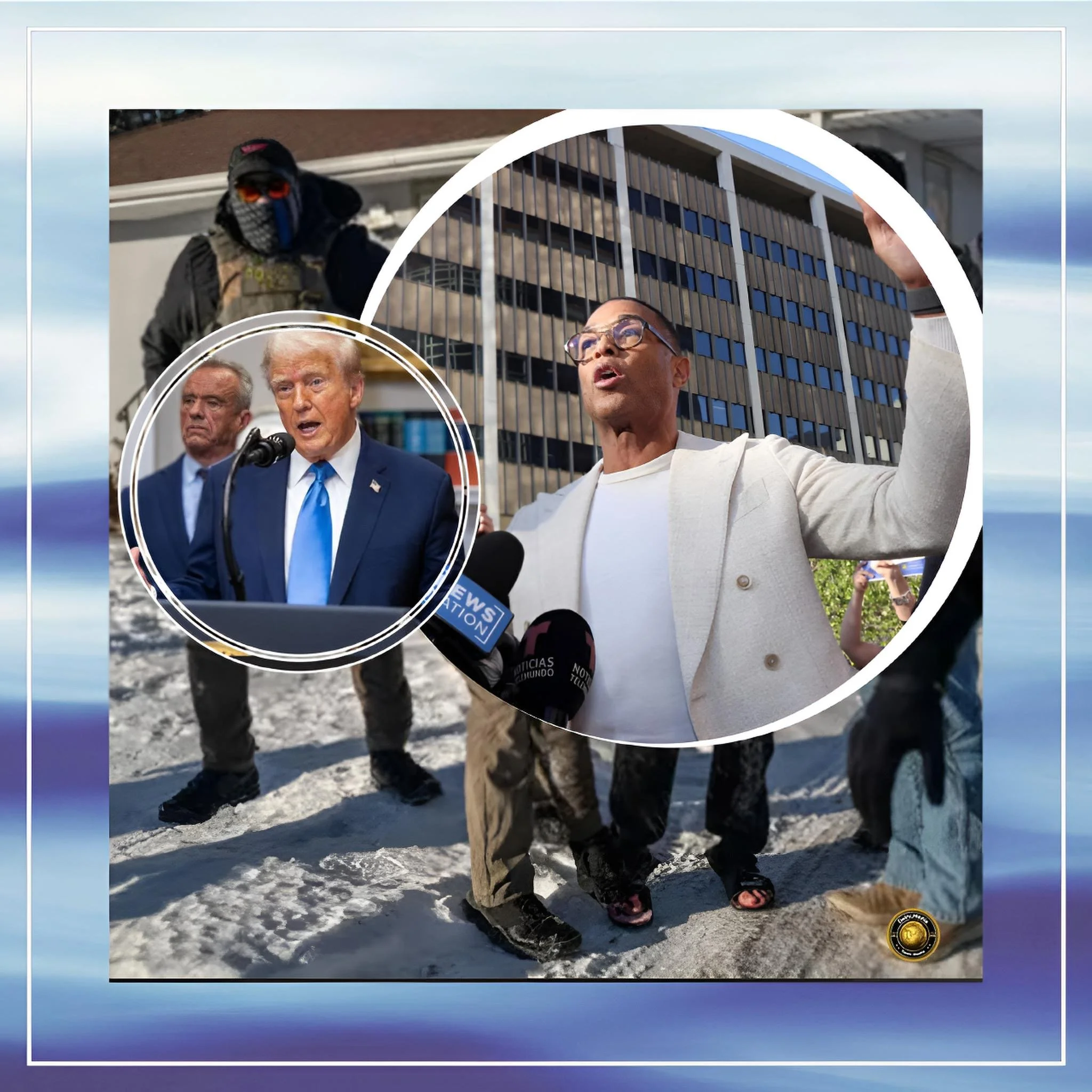
On 29 January 2026, federal agents arrested Don Lemon, a veteran journalist who has worked in television news for 30 years. Lemon was arrested in Los Angeles while covering the Grammy Awards. The charges relate to his coverage of a church protest in Minneapolis on 18 January. However, here is what is alarming: a federal judge had already examined the evidence and said there was not enough to charge Lemon.
The Trump Justice Department did not accept that decision. Instead, it went to a higher court and pushed to override the judge's decision. Now Lemon faces federal charges for doing journalism—reporting on a protest.
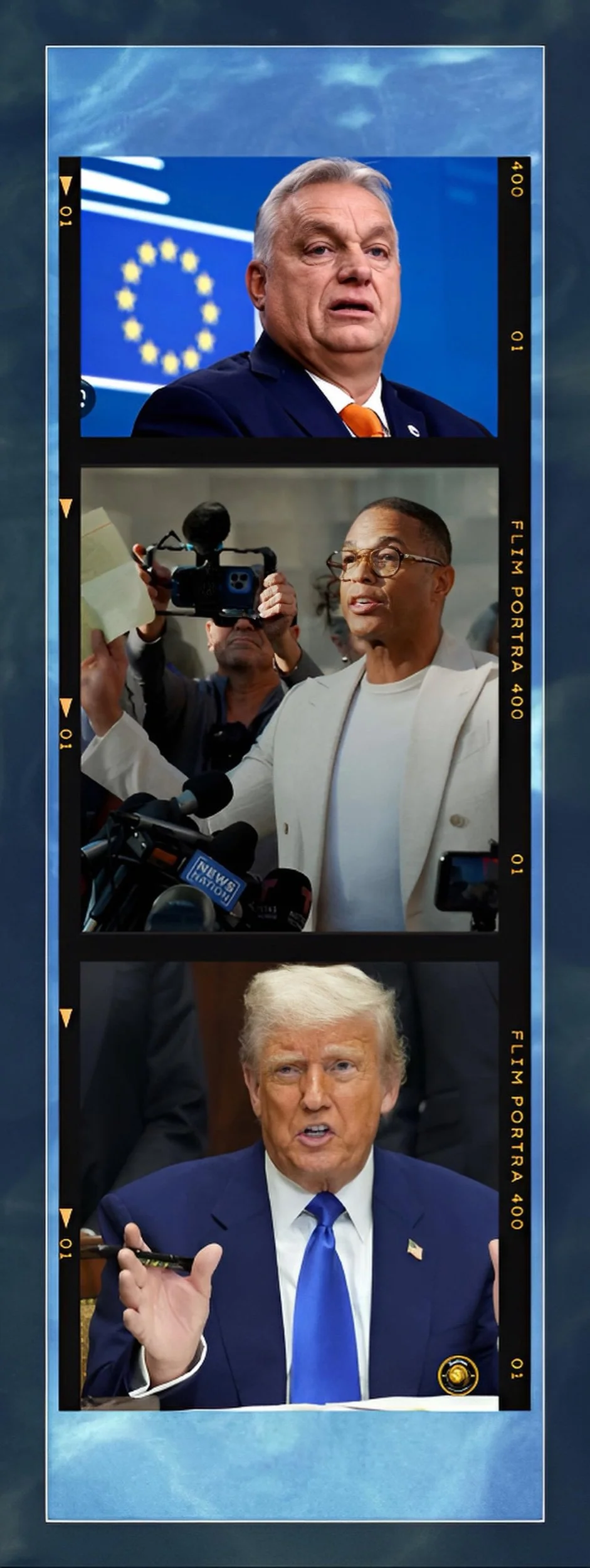
Why does this matter? Because Lemon's arrest demonstrates how the Trump administration is using the criminal justice system as a weapon against journalists. And the playbook being used looks remarkably similar to tactics perfected by Viktor Orbán, the Prime Minister of Hungary who has systematically dismantled press freedom in his country.
What is happening is not a one-off incident. It is part of a larger, coordinated campaign to control the media and suppress criticism. Trump admires Orbán and has said so publicly. "There is nobody that is better, smarter or a better leader than Viktor Orbán. He is fantastic," Trump stated.
Given that Orbán has transformed Hungary from a democracy into what scholars call an "electoral autocracy"—a system where elections still happen but information is controlled so thoroughly that citizens cannot make genuinely informed choices—Trump's admiration should be alarming.
Introduction
How Authoritarian Leaders Control Information
In democracies, the press is supposed to act as a watchdog. Journalists investigate government actions, expose corruption, and report on the activities of those in power. Citizens read or watch these reports and use that information to decide how to vote. Free speech and a free press are considered the foundation of democracy.
But authoritarian leaders have learned that they do not need to shut down all newspapers or put all journalists in jail. That approach is too obvious and often creates international backlash. Instead, they use more subtle tactics. They use the legal system to threaten journalists. They use regulatory power to punish news organizations. They use financial pressure to force media outlets to stop criticizing the government. They control which journalists get access to officials. They create alternative state-aligned media that floods the information environment with pro-government messages.
The result is that people see primarily government-approved information. Opposition politicians have no platform to reach voters. Citizens lack the information they need to make meaningful choices in elections. Formally, democracy still exists—elections happen, the constitution is still there, people technically can speak freely. But the substance of democracy is hollowed out.
Viktor Orbán in Hungary has perfected this approach. Over the last 15 years, he has systematically consolidated control of Hungarian media. By 2018, his government and allied oligarchs controlled approximately 80 percent of all Hungarian media outlets. In 2018, nearly 500 media outlets were simultaneously donated to a foundation controlled by Orbán's allies. This was not an accident. It was a coordinated strategy to consolidate pro-government media under a single entity, KESMA. That foundation now oversees over 400 media organizations—television stations, radio stations, newspapers, online news portals, everything.
Donald Trump is using very similar tactics in the United States.
History: How Trump Has Attacked the Press
During his first term as president and in the early months of his second term, Trump has waged a relentless campaign against the press. Let me walk through the key developments.
In 2017, Trump threatened to revoke broadcast licenses for NBC, saying the network was dishonest and should lose access to the public airwaves. These threats continued through his first term and intensified in his second term. Trump has attacked ABC News, CBS News, NBC News, and CNN repeatedly.
In 2024, after CBS News edited an interview with Kamala Harris, Trump sued the network and threatened to revoke its broadcast license. CBS, facing potential legal and regulatory jeopardy, settled the lawsuit and made editorial concessions.
In 2025, when ABC suspended the late-night show hosted by Jimmy Kimmel after Kimmel made critical remarks about Trump, the network acted after explicit pressure from Trump and threats from the FCC chair, Brendan Carr.
Trump appointed Brendan Carr as the chair of the Federal Communications Commission (FCC), the agency that oversees broadcast television and radio. In February 2025, Carr told broadcasters that if they did not serve the "public interest," they were "welcome to surrender your license." This was a thinly veiled threat.
Trump's administration also excluded the Associated Press from White House events because the AP continued to use the term "Gulf of Mexico" instead of Trump's preferred term "Gulf of America."
The Pentagon under Trump's administration established new press access guidelines that prohibit journalists from publishing unauthorized information—even information that is not classified and causes no national security harm.
This effectively turns journalists into government mouthpieces. Nearly every major news organization—the Associated Press, Reuters, NPR, the New York Times, the Washington Post, and major broadcasters—surrendered their Pentagon press credentials in protest.
Trump's administration has cut funding for public broadcasting. NPR, PBS, and Voice of America—institutions created specifically to provide information independent of government control—have all had their budgets slashed.
Trump has publicly attacked individual journalists. He called Bloomberg reporter Catherine Lucey "piggy." He called ABC News reporter Mary Bruce "a terrible person and a terrible reporter." He has repeatedly called entire newsrooms "enemies of the people," "sick," or "fake news."
Key Developments
The Weaponization of Criminal Law Against Journalists
But Trump's campaign against the press has now escalated from threatening, attacking, and coercing. It has moved into direct criminal prosecution.
In January 2026, a federal agent raided the home of a Washington Post reporter as part of a leak investigation, confiscating his electronic devices. This violated longstanding guidelines that protect journalists from such intrusions.
Then came the arrest of Don Lemon and Georgia Fort. Both are independent journalists who have been reporting on federal law enforcement actions in Minnesota. Lemon, 59, is a former CNN anchor who is now an independent journalist with his own YouTube show. He was arrested on 29 January while in Los Angeles. Fort was also arrested.
Here is what makes this case remarkable: A federal magistrate judge in Minnesota examined the charges on 22 January and rejected them, saying the evidence was insufficient. But the Trump Justice Department did not accept that. It petitioned a higher court to override the judge's decision. When that petition was denied, the DOJ obtained an indictment from a federal grand jury and arrested Lemon anyway.
The charges against Lemon are under a federal law called the FACE Act—the Freedom of Access to Clinic Entrances Act. That law was written to protect access to medical clinics against extremist violence. The Trump administration is using it to criminalize journalism.
The federal indictment admits that Lemon did not chant anti-ICE slogans and did not disrupt the service. Instead, it says Lemon was live-streaming, taking interviews, asking questions, and filming. These are the core activities of journalism. The Trump administration is literally criminalizing the practice of journalism.
Latest Facts and Concerns
Several concerning facts have emerged from the Lemon case.
First, the charges appear politically motivated. A federal judge said the evidence was insufficient. The DOJ overrode that decision. This shows that prosecution is not based on evidentiary merit but on political will.
Second, federal prosecutors are characterizing journalistic activity—interviewing, filming, live-streaming—as criminal conspiracy. This is an attempt to criminalize the practice of journalism itself.
Third, the case involves prosecutions of Black journalists and media figures who have been critical of Trump. Lemon has hosted a YouTube show on which he has criticized Trump. This pattern of targeting Black independent journalists sends a message: critical coverage, especially from Black journalists documenting federal law enforcement abuse, will be prosecuted.
Fourth, Lemon was reporting on federal law enforcement conduct that the Trump administration wants to suppress. The church in Minneapolis is a sanctuary site for undocumented immigrants. ICE and Border Patrol agents have been conducting operations there. Lemon was documenting federal conduct. By prosecuting the journalist, the administration is suppressing documentation of potential governmental abuses.
Fifth, the White House mocked Lemon's arrest. The White House posted a photo of Lemon on social media with the caption "When life gives you lemons..." followed by a picture of chains. This is not the behavior of a government that respects press freedom. This is mockery of arrested journalists.
Cause and Effect
How Authoritarian Control Emerges
To understand how Lemon's arrest fits into a broader pattern, let me explain how authoritarian media control works.
When a government prosecutes journalists, other journalists observe what happened. They see that critical reporting can result in criminal charges. They see that the justice system can be weaponized against them. So, they become more cautious. Some avoid covering sensitive topics. Some remove criticism from their reporting. Some leave journalism entirely. The result is a press corps that is less adversarial and more deferential to government.
When the FCC threatens to revoke broadcast licenses for unfavorable coverage, media proprietors take those threats seriously. They depend on federal permission to operate broadcast networks. So, they make editorial decisions based on regulatory jeopardy, not based on newsworthiness. Networks suspend or cancel shows featuring Trump critics. They avoid coverage that might annoy the administration.
When the government cuts funding for public media like NPR and PBS, these outlets become weaker and less able to compete with commercial networks that depend on federal regulatory approval. The result is a shrinking of the independent media ecosystem.
When the government excludes journalists from press access and establishes guidelines that criminalize unauthorized reporting, journalists cannot do their jobs. They cannot investigate. They cannot interview sources. They cannot report. The government becomes the only source of information, and journalists become stenographers for government statements.
When journalists are arrested and prosecuted, the message is clear: do not cover this. Do not report on this. The fear is palpable.
When the government controls the majority of media outlets, as Orbán does in Hungary (80 percent), citizens see primarily pro-government narratives. They do not see opposition viewpoints. They do not see criticism of the government. They see only pro-government messages, repeated constantly across all channels. Over time, people's views shift. They come to believe government narratives simply because that is all they hear.
This is how democracies die. Not with coups or tanks in the streets, but with prosecutions of journalists, regulatory threats against broadcasters, financial starvation of independent media, and arrests of those who dare to report truthfully on governmental conduct.
The Orbán Model
What Hungary Looks Like After 15 Years of Media Control
In Hungary, Viktor Orbán has consolidated power through control of media. Here is what has happened.
In 2010, when Orbán returned to power, he began starving critical media outlets of government advertising revenue. Government advertising is a major source of income for newspapers and other media outlets. By cutting off that revenue, he forced critical outlets to close or to become financially weakened.
From 2012 to 2018, Orbán-allied businessmen purchased critical media outlets and either closed them or turned them into propaganda organs. A newspaper called Népszabadság, one of Hungary's most important critical voices, was shut down after being purchased by an Orbán ally.
In 2018, the consolidation was completed when nearly 500 media outlets were simultaneously "donated" to a foundation called KESMA, controlled by Orbán loyalists. No money changed hands. Media owners simply transferred their outlets. The result: a massive media conglomerate under Orbán's control.
Today, Orbán controls approximately 80 percent of Hungary's media market. The government spends enormous sums on advertising that goes to pro-government outlets, keeping them afloat. Independent media struggle to survive because they do not receive government advertising.
Opposition politicians receive very little air time on Hungarian television. The legal minimum is 5 minutes every 4 years. That is it. Government-friendly content dominates all channels.
The result is that most Hungarians see primarily pro-government messaging. They do not see opposition viewpoints. They do not see criticism of the government. When they vote, they are voting on the basis of information that has been heavily filtered through a pro-government lens.
Hungary was once a democracy. Now it is what scholars call an "electoral autocracy"—a system where elections happen but are essentially meaningless because the information environment has been so thoroughly controlled that meaningful opposition is marginalized.
Is Trump Following This Playbook in America?
The parallels are striking. Trump has expressed admiration for Orbán. Trump is using similar tactics: prosecuting journalists, threatening broadcast licenses, cutting funding for public media, excluding journalists from access, controlling information. The Lemon arrest demonstrates that Trump is willing to deploy the criminal justice system against journalists.
There are some differences. The U.S. has stronger constitutional protections, an independent judiciary, and a more decentralized media landscape than Hungary. So, Trump cannot consolidate as much control as Orbán has achieved. But the trajectory is clear. Trump is following Orbán's playbook, adapted to the American context.
Future Steps
What Happens Next
Several things are likely to happen.
First, more journalists will face prosecution and harassment. Having arrested Lemon, the administration will likely arrest others. The message will be clear: critical coverage results in prosecution.
Second, media outlets will increasingly capitulate to administration pressure. Having seen that ABC and CBS faced regulatory jeopardy for airing content critical of Trump, other networks will self-censor.
Third, funding for public media will be cut further. NPR, PBS, and Voice of America will be weakened, reducing alternatives to government-influenced outlets.
Fourth, the FCC will continue to threaten broadcast licenses for unfavorable coverage. This threat, credible enough that networks will take it seriously, will shape editorial decisions.
The end result, if this trajectory continues unchecked, is an American version of Orbán's Hungary: a system where formal democracy persists but the information environment is so thoroughly controlled that meaningful opposition and critical journalism are marginalized.
Conclusion
The Choice Before America
America faces a choice. Will it remain a genuine democracy with a free press? Or will it follow the Hungarian path toward an electoral autocracy where the form of democracy persists but the substance is hollowed out by control of information?
The arrest of Don Lemon is a test case. If courts uphold the charges, other prosecutors will use the same tactics against other journalists. If media outlets continue to capitulate, the landscape will become increasingly hostile to critical coverage. If Congress does not act to protect press freedom and to constrain the FCC's politicization, regulatory threats will succeed in shaping editorial decisions.
The First Amendment was written to protect journalists who hold power accountable. It was written to protect the public's right to know the truth. Prosecuting journalists for reporting on government conduct is a direct assault on that amendment and on the foundations of democracy itself.
The coming weeks and months will determine whether American institutions can withstand this assault or whether the country will slide toward a model of authoritarian information control that would have been unimaginable just a few years ago.