Will Your Smartphone Survive the Age of Artificial Intelligence?

Smart Meta Glasses
Executive Summary
Your smartphone is not going anywhere soon. In 2025, about 1.26 billion smartphones were sold worldwide. Even though big tech companies are working on new AI devices—like smart glasses and voice assistants—your phone will likely stay as your main device for many years. Companies tried to replace smartphones with special AI devices in 2024 and 2025, but these products failed because they did not work well enough.
Meanwhile, smart glasses like Meta's Ray-Ban are actually selling really well, but they work alongside phones, not instead of them. This article explains why your phone is here to stay, what new devices are coming, and how technology is changing but not replacing what you already use.
Introduction
The Smartphone Has Been King for Eighteen Years
When Steve Jobs showed the first iPhone in 2007, it changed everything. People could call, send messages, take pictures, use maps, and watch videos all on one small device you could carry in your pocket. Before that, you needed a phone, a camera, a map, and a music player—four separate devices. The smartphone brought all of these together.
Now, in 2026, the smartphone is facing a challenge. Companies like OpenAI, Meta, Amazon, and Google are building new devices powered by artificial intelligence.
Sam Altman, the leader of OpenAI, says using a smartphone is like walking through Times Square in New York—too much flashing light, too much noise, and constant distraction. He wants to create something different. His company bought Jony Ive's design company for $6.5 billion in May 2025. Jony Ive was the person who designed the original iPhone.
Together, they are building a new AI device that might launch in late 2026.
This raises an important question: Will the smartphone disappear? Or will it stay but work alongside these new AI devices?
After looking at what is happening right now, the answer is clear: your smartphone is not going anywhere. Instead, new devices will join it.
A Brief History
How Technology Always Adds Things Rather Than Replacing Them
Technology does not usually work by replacing one device with a completely different one overnight. Instead, new devices usually join old ones, creating a whole ecosystem of different devices working together.
Think about it this way: When computers were invented in the 1950s and 1960s, people thought they would replace everything. But they did not. When personal computers became popular in the 1980s, many people thought computers would destroy big machines called mainframes. But mainframes still exist today in banks and government buildings. When smartphones were invented, people thought they would replace computers. But your computer is still in your office or home.
The same thing is happening now with AI. Instead of one AI device replacing your phone, we will probably have phones that work with smart glasses, with health watches, with earbuds, and with other smart devices. Each device will do something specific, but they will all work together.
Right Now
What AI Devices Actually Exist and How Well They Work
Let's look at what companies have actually tried to build. In 2024, two companies launched devices meant to replace smartphones. One was called the Humane AI Pin, and the other was called the Rabbit R1. Both failed. Here is why:
The Humane AI Pin cost $699, plus $24 every month. It was a small square that you pinned to your chest. It had a camera and a laser that would show text on your hand like a tiny projector. But it had serious problems. The battery died very fast—you had to charge it multiple times per day. It got so hot that it hurt your skin when you wore it. Sometimes it would freeze and stop working. The laser was so dim that you could not read it in sunlight. If it froze, you had to restart it using a paperclip. People who reviewed it said it simply did not work.
The Rabbit R1 was similar. It cost $199 and looked like a small walkie-talkie. It also did not work well. The battery was bad. The camera was not good enough to take nice photos. It could do fewer things than your phone. One expert called it "a worse and less useful version of your smartphone."
Both of these devices were supposed to replace phones. They did not. Companies stopped supporting them. Jony Ive, the designer helping OpenAI build a new device, said these products were "subpar offerings." This tells us that just because a device is small or voice-controlled does not mean it will replace your phone.
Apple also tried something similar. They launched the Vision Pro, a device you wear on your face like goggles. It costs $3,499. It is supposed to let you see computer images floating in the air around you. But sales were terrible. In the whole year of 2024, Apple sold only 390,000 of them. In the last three months of 2025, Apple sold only 45,000. That is a huge drop. Apple even stopped making them. The device was too heavy, the battery did not last long enough, and there were not many programs you could use on it.
These failures teach us something important: it is very hard to make a device that is better than a smartphone.
Smartphones are really good at what they do. They have been improving for 18 years. Millions of apps work on them. Everyone knows how to use them. Replacing that is extremely difficult.
What is Actually Working: Smart Glasses
However, one new device is actually succeeding: smart glasses made by Meta and Ray-Ban.
Meta and Ray-Ban smart glasses are not trying to replace your phone. Instead, they add new things you can do while keeping your phone. They look like normal sunglasses, but they have tiny cameras and speakers inside. You can wear them and talk to an AI assistant. The AI can tell you what you are looking at. It can translate languages. It can help you remember things. But you still have your phone in your pocket. The glasses work together with your phone.
These glasses sold 1 million units in 2024. That is a real success. In 2025, sales grew by 300%.
Meta thinks they will sell 2 to 5 million by the end of 2025. This is huge. These are the only AI devices that people are actually buying and keeping.
Why are they working? Because they do not ask you to change your behavior. You still use your phone to do important things like paying for things, calling people, and using apps. The glasses just add something extra.
Google is also working on smart glasses.
Their project is called Project Astra. In demonstrations, it can see what you are looking at and help you understand it. You can ask it questions about things you see. It can read information from papers and websites. It can even do things on your phone for you, like send emails or find phone numbers. But Google says these will not be ready for people to buy until 2026 or 2027 at the earliest.
Amazon is making smart glasses too, but for special purposes. They created glasses for delivery drivers that help them find addresses and scan packages. These are not for regular people to buy yet.
What OpenAI Is Building: A New Type of Device
Now let's talk about what OpenAI is building with Jony Ive's company. In January 2026, OpenAI said they are still on track to show a new device in late 2026. This is the most interesting project happening right now.
Here is what we know about it:
First, it will not have a screen. That is very different from a smartphone. You will not be looking at a display. Instead, you will talk to it.
Second, it will be small and you can carry it in your pocket or wear it on your clothes.
Third, Sam Altman says using it will feel "tranquil" compared to using a phone. A phone is like Times Square—busy, loud, and confusing. This new device should be calm and peaceful.
Fourth, it is supposed to focus on emotional well-being and helping you live a better life, not just getting things done faster. Most productivity devices ask "How can we make you more efficient?" This device is asking "How can we make you feel better?"
Fifth, it will work using voice and maybe showing text on your hand using a tiny projector, like the failed Humane AI Pin but hopefully better.
This is a very different idea from replacing a phone. OpenAI is not trying to make a better phone. They are trying to make a completely different type of device for a completely different purpose. If this works, it would not replace your phone. You would use your phone for things you do now—paying bills, sending messages, using apps.
You would use OpenAI's device for making decisions and handling your schedule and thinking through problems.
Why Your Phone is Not Going Away
Let's be clear about why your phone will stay your main device for years to come. There are several reasons.
First, money. Companies have spent hundreds of billions of dollars building the infrastructure around phones. Banks work with phones for payments.
Governments use phones for identification. Hospitals use phones for patient records. Schools use phones for learning. Companies use phones for work. All of this would have to change to move to a new device. That is not going to happen quickly. It could take 20 years to change everything.
Second, apps. There are about 3 million apps in the Apple App Store and the Google Play Store. All of these apps work on your phone. They do not work on most other devices. People use these apps every day. Moving everything to a new device would mean building 3 million new apps, or finding a way to run old apps on new devices. That would take decades.
Third, habit. People have been using phones the same way for 18 years. Your parents probably have a phone. Your children probably have a phone. Everyone you know knows how to use a phone. Changing to a new device would mean everyone has to learn something completely new. Most people do not want to do that.
Fourth, practical limits. Devices you wear on your glasses or your ear have problems that phones do not have. A phone battery can hold a lot of power because it is big. A device you wear has to be tiny so it does not hurt or get heavy. So the battery is small and does not last long. A phone screen is easy to read. A tiny display on glasses is hard to read. A phone can have a powerful computer inside. A tiny device cannot because it gets too hot. These are not problems we can easily solve with better engineering. Some are actually limits of physics.
Fifth, phones are really good. Your smartphone can do amazing things. It has a great camera. It has a big screen. It is reliable. It runs thousands of programs. It connects to the internet. It is hard to make something that is better in all of these ways while being smaller and lighter.
What Will Actually Change: The Smartphone Gets Smarter While Other Devices Add Features
So what will happen instead? The phone will not be replaced, but it will change. And new devices will help it.
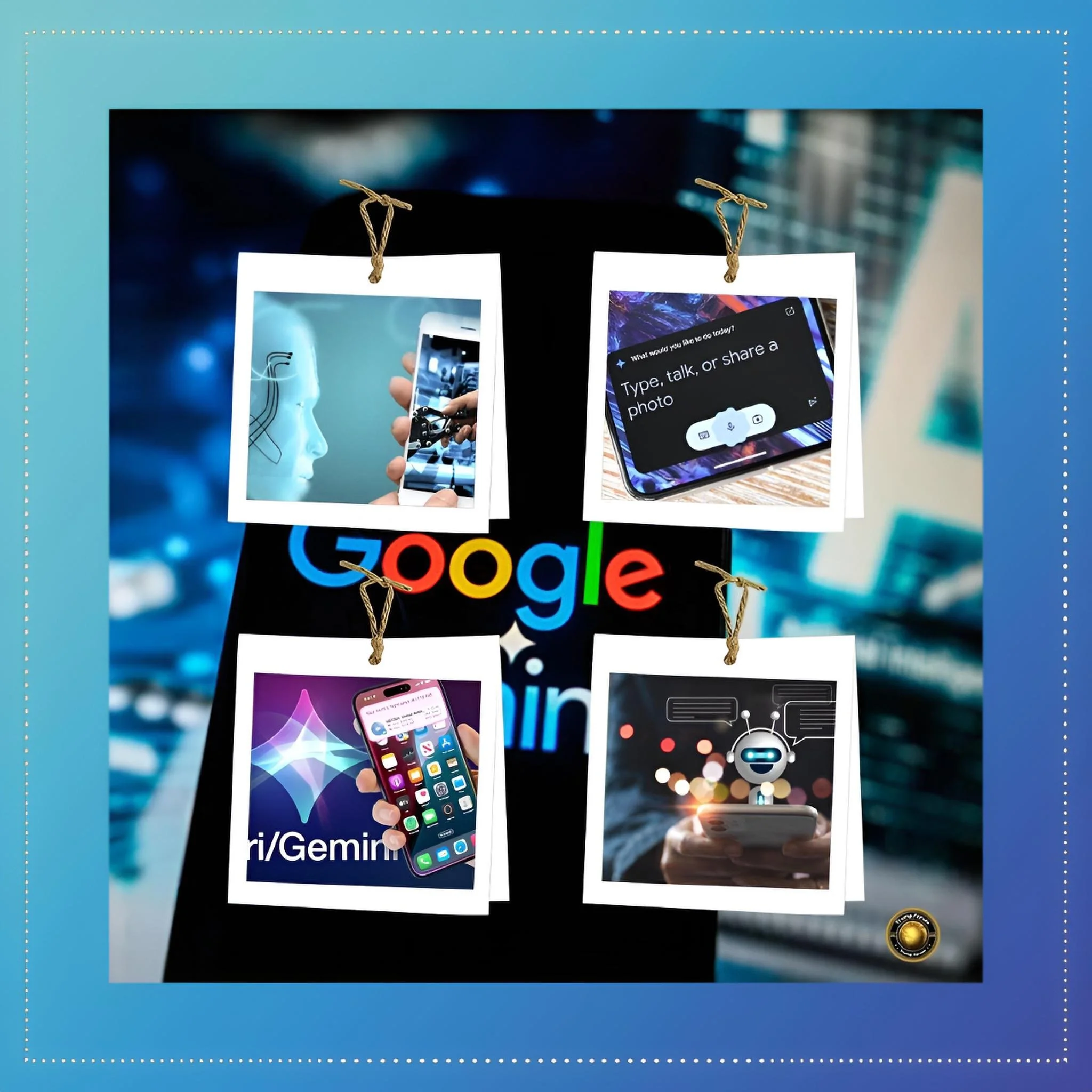
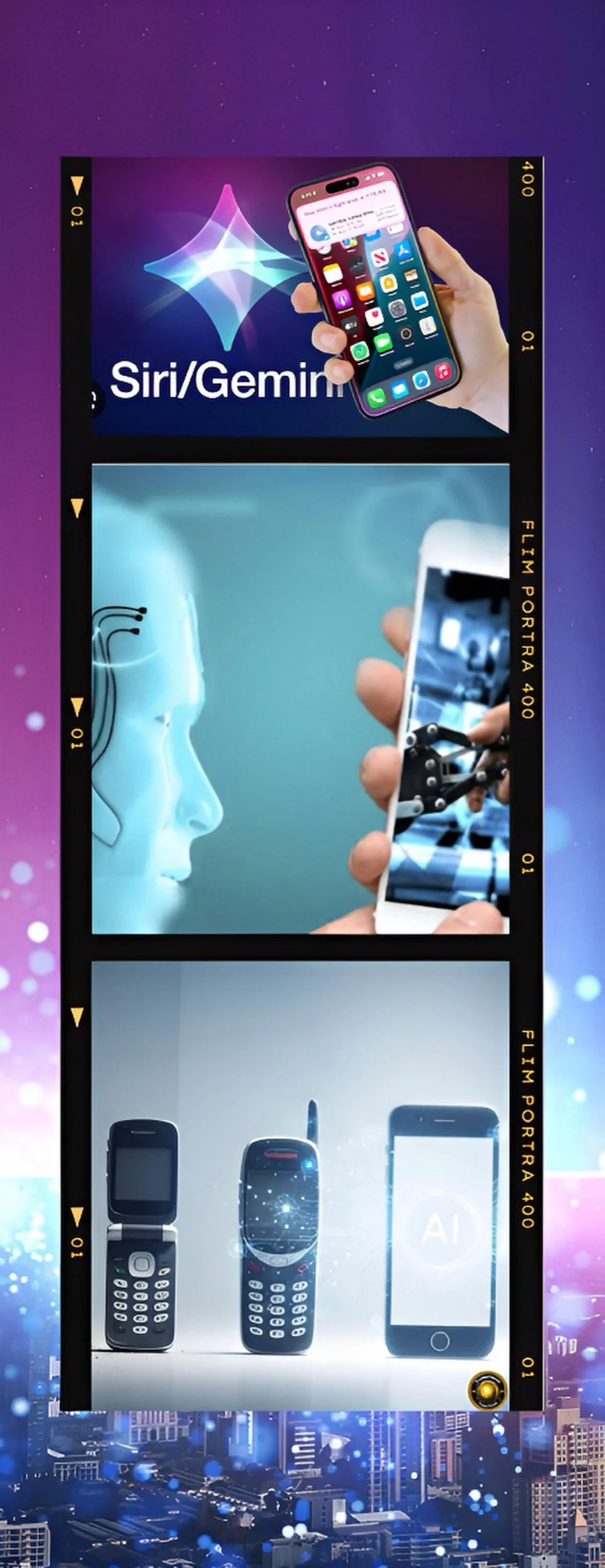
Your phone will add more AI. Samsung phones now have Google's AI called Gemini built in. Apple will add more AI to Siri, their voice assistant. These AI assistants will run on your phone itself, not just in the cloud. This means they will be faster and will not need the internet to work. They will understand more about what you are doing and help you in smarter ways.
Other devices will become more common. Smart glasses like Ray-Ban will get better. Health watches will do more things. Earbuds will become smarter. Smart home devices will work better together. But none of these will replace your phone. They will just add new ways to do things.
The real change might not be about devices at all. It might be about how you talk to technology. Instead of opening an app and clicking things, you might just ask an AI to do something. The AI will open apps for you in the background. You will just talk to your AI assistant and it will figure out what you need. This is called an "agentic operating system." It works on top of your phone's operating system, but it acts like a smart helper.
Nothing, a phone company, said they want to build a phone operating system that works this way. They said in late 2025 that the future will have "a billion different operating systems for a billion different people." Each one will be customized just for you. But it will still run on a phone (or a watch, or glasses). So the device stays the same. The way you use it changes.
Data: Numbers That Show What is Really Happening
Let's look at the numbers to understand what the market is actually doing.
Smartphone shipments are expected to drop 2.1 percent in 2026. But this is not because people are buying new AI devices instead. It is because memory chips—the tiny computer parts inside phones—are expensive right now. Companies that make chips for AI are buying up the memory supply, so there is not enough for phones. This is a supply problem, not a technology problem.
Even with this drop, 1.25 billion phones will be sold in 2026. That is still a huge number. There are about 8 billion people on Earth. That means one-sixth of all people will buy a new phone in 2026. This is not the sign of a dying device.
Wearable devices—like watches and glasses—are growing fast. The market for wearables was $84.53 billion in 2025. It is expected to reach $176.77 billion by 2030. That is impressive growth. But it is still much smaller than phones. Even in 2030, wearables will be less than one-third the size of the phone market.
Smart glasses specifically are growing very fast. Only 510,000 smart glasses were sold in 2023. By 2027, analysts predict 5 million will be sold per year. That is growth of 77% per year. But even at 5 million per year, it would take 250 years to sell as many smart glasses as phones are sold in a single year.
So smart glasses are a small market that is growing very fast, but it is still much smaller than phones.
What this tells us is that new devices are being added to the ecosystem, not replacing phones. When new devices grow fast but phones stay huge, it means people are buying phones AND new devices, not one instead of the other.
Concerns and Risks
Things That Could Go Wrong
Not everything is guaranteed to work out perfectly. There are some real concerns about new AI devices.
First, privacy. Always-on cameras and microphones on your glasses or earbuds could record things you do not want recorded. Imagine wearing glasses that are always watching.
What if they record you in your home without your permission?
What if they record other people without their permission?
These are serious questions that companies have not answered yet.
Second, battery life. Current smart glasses run out of battery after a few hours. Phones run all day. Until someone invents a much better battery, phones will stay more practical for daily use.
Third, it is not clear that people want to replace phones. Companies asked people what they think, and most people said they like their phones. They do not say "I really want to replace my phone with smart glasses." They say "Smart glasses sound interesting as an extra thing."
Fourth, AI devices might not work well. OpenAI, Meta, and Google all believe their new devices will work. But so did Humane and Rabbit. And those products were terrible. Just because smart people think something is a good idea does not mean it will work when they actually build it.
Fifth, regulators might not allow it. Governments are starting to think about rules for always-on cameras and microphones. If they decide these are too dangerous, they might not allow smart glasses or AI pins to be sold.
What Will Happen in the Next Few Years
Let's think about what is most likely to happen between 2026 and 2030.
In 2026, OpenAI will probably show its new device. If it works and people like it, more companies will invest in similar devices. If it does not work and it is like Humane and Rabbit, people will lose faith in AI devices and be patient with phones.
In 2026 and 2027, Apple will probably come out with smart glasses. Samsung and Google will release better smart glasses. Amazon might sell smart glasses to regular people, not just to delivery drivers.
In 2027 and 2028, phones will become smarter with better AI. They will do more things for you without you asking. Your AI assistant will know your schedule and your preferences. It will help you make decisions.
By 2030, many people will probably own a phone, a pair of smart glasses, a smart watch, and maybe smart earbuds. These devices will all talk to each other. But the phone will still be the main device that handles important things like payments and messaging and storage of your data.
Conclusion
Your Phone is Evolving, Not Dying
Your smartphone is not going to disappear. It will not be replaced by a magic new AI device. Instead, it will change. It will become smarter. It will understand you better. It will help you make better decisions. But it will still be a smartphone.
New devices will join your phone. Smart glasses will let you see things without holding a screen. Smart watches will show you information on your wrist. Smart earbuds will let you talk to your AI without anyone seeing. But none of these will replace your phone because your phone does too much and works too well.
The real change will be in how you use these devices. You will talk to them more and tap them less. You will interact with them in more places. They will anticipate what you need. But the fundamental idea will be the same: technology helping you live your life better.
So do not worry that your phone is going to become useless. Worry instead that you will have too many devices and not know which one to use for what.
By 2030, the challenge will not be that phones are obsolete. It will be that you have phones, glasses, watches, earbuds, and home devices all competing for your attention.
The smartphone will still be there, more powerful than ever, sitting alongside a whole ecosystem of AI-powered devices designed to help you live a smarter life.