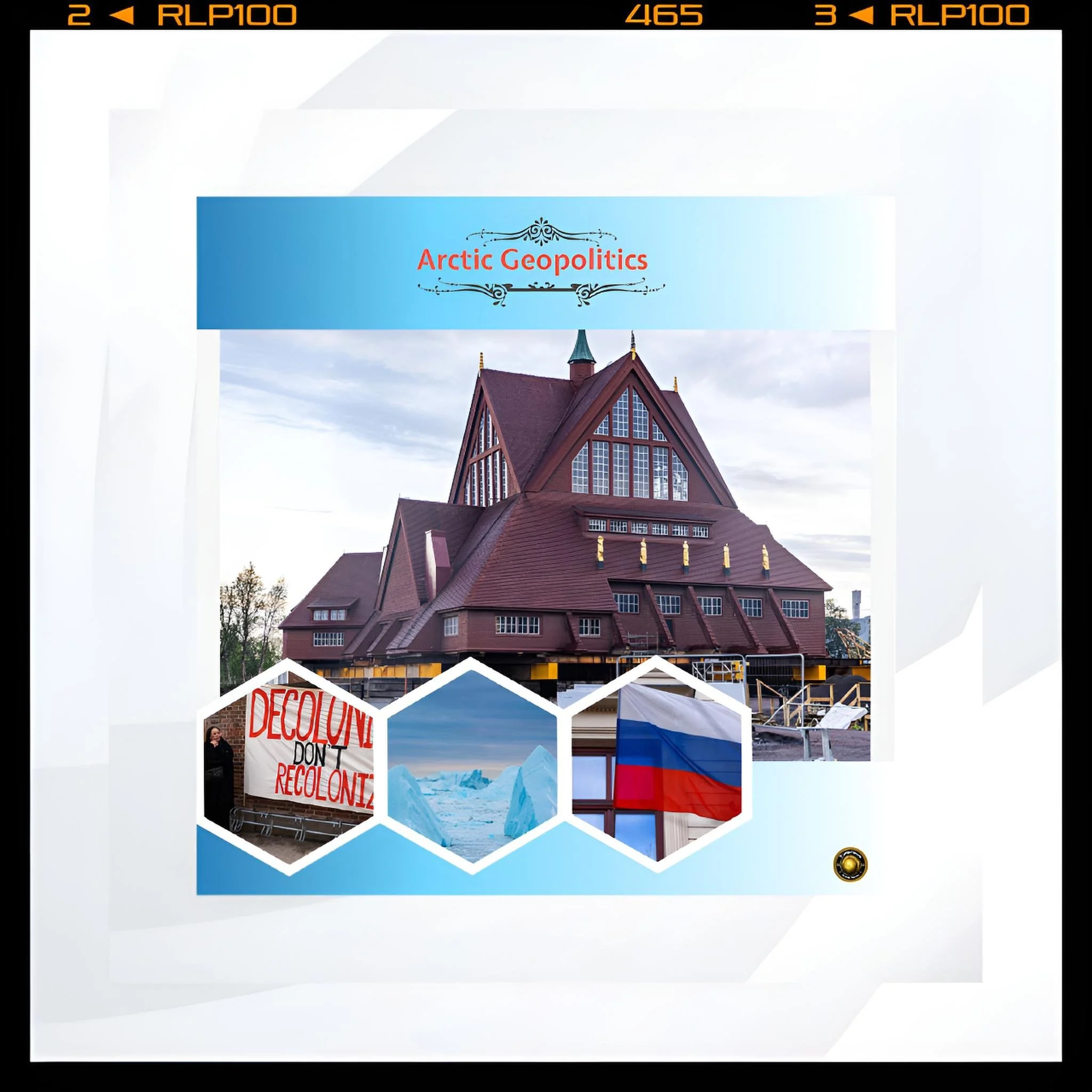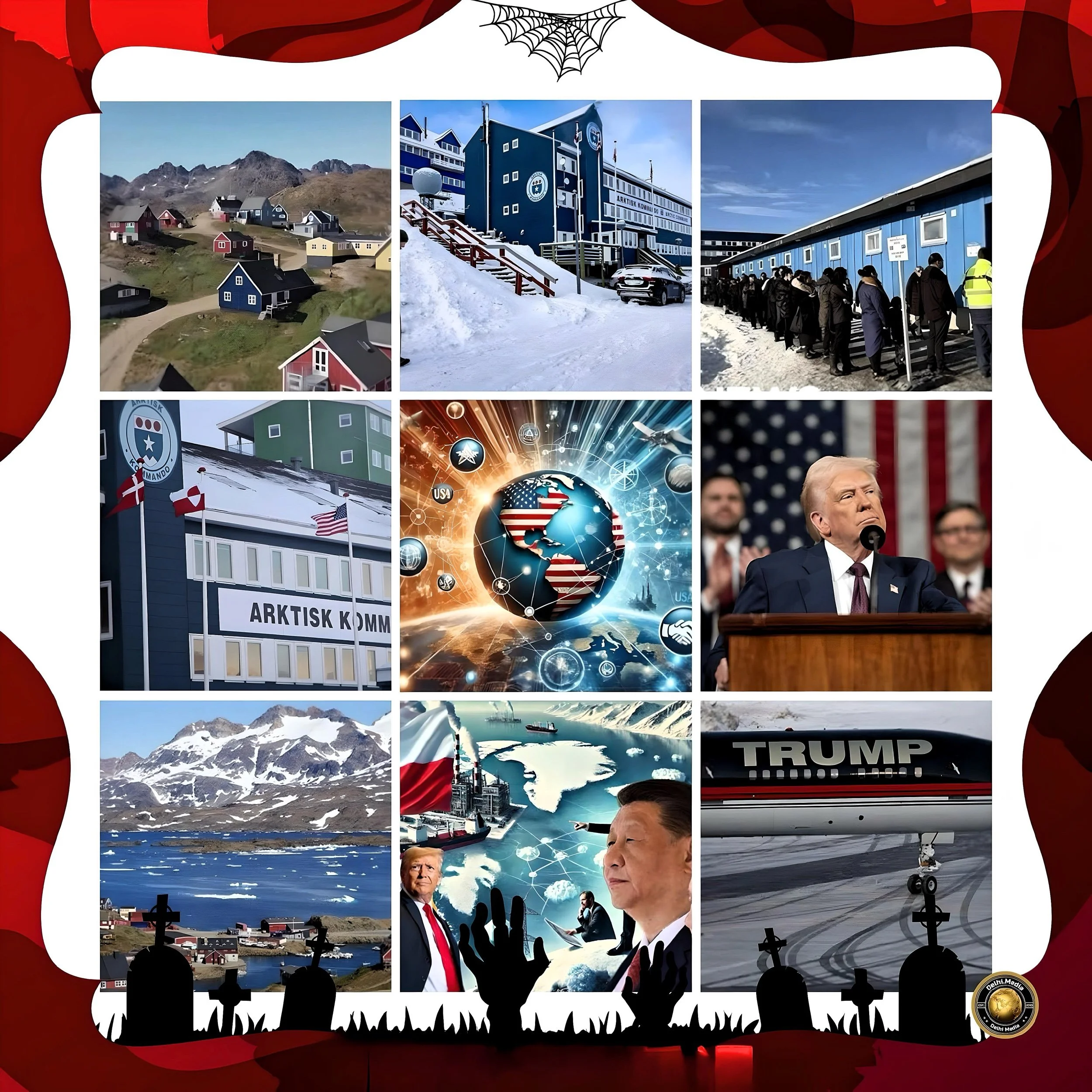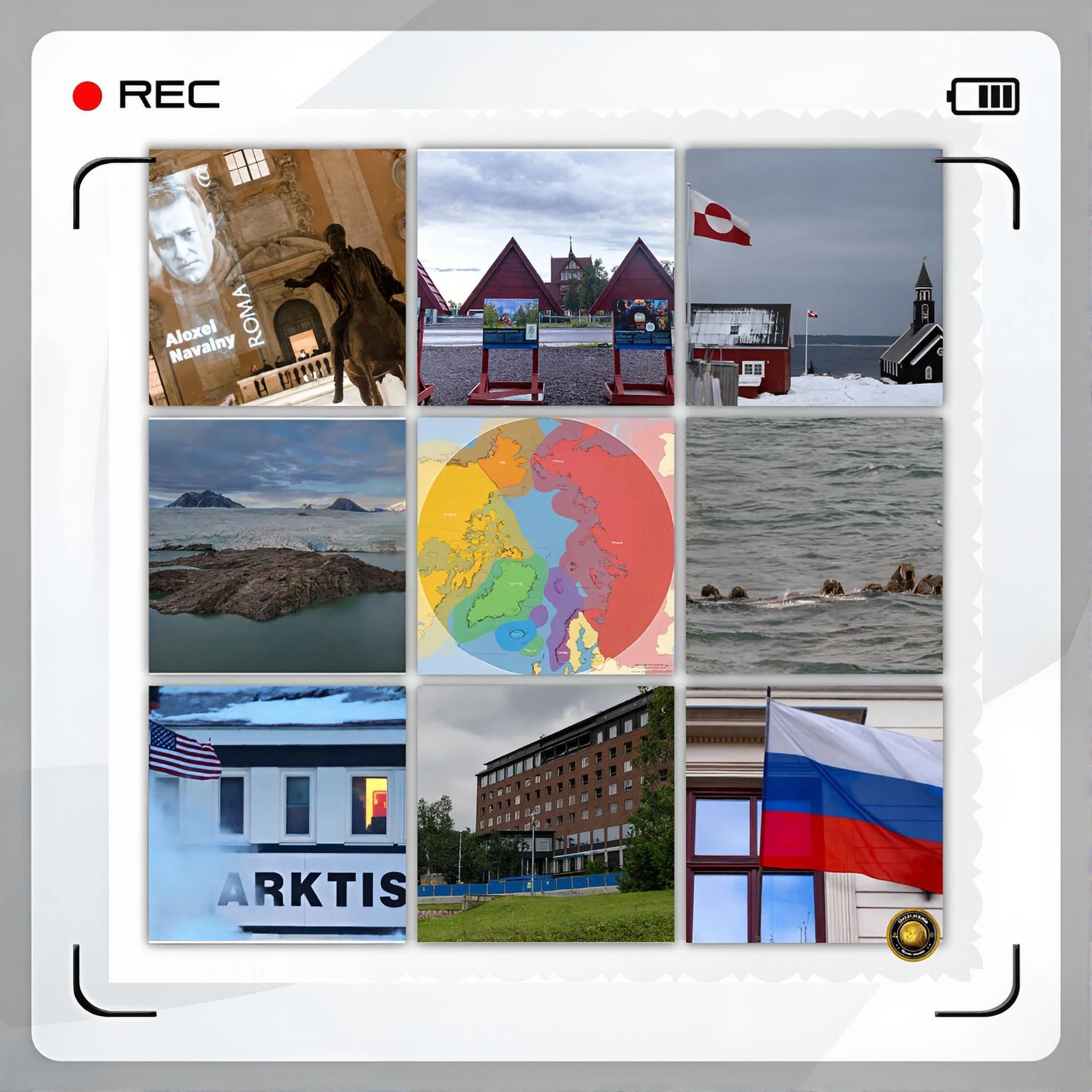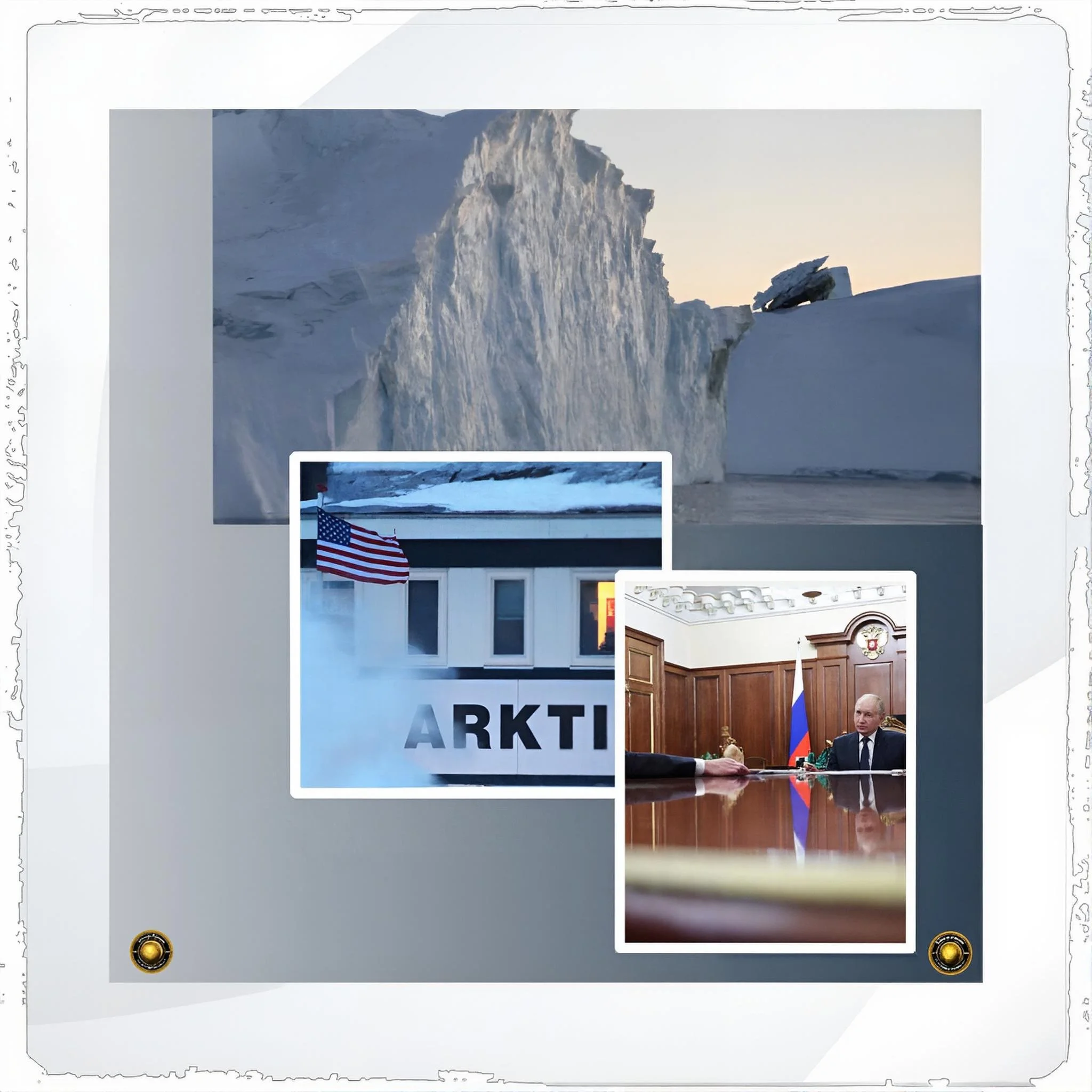
The Arctic Crisis: The Importance of the Cold North Today
Introduction
The Arctic is melting. Ice that has been frozen for thousands of years is vanishing.
This transformation is reshaping global power, sparking competition between nations, and threatening Indigenous communities whose cultures depend on ice and snow.
Understanding Arctic geopolitics is essential for understanding the world's future.
Why the Arctic Suddenly Matters
The Arctic was always frozen, expensive, and inaccessible. Nations rarely fought over it. Today everything has changed. Climate change is warming the Arctic faster than anywhere else on Earth.
The ice is disappearing, opening shipping routes and making oil and gas extraction possible. Suddenly, the Arctic contains resources and opportunities that major nations desperately want to control.
Russia has built military bases throughout the Arctic and positioned submarines carrying nuclear weapons in Arctic waters.
The United States, Canada, and European countries are racing to build military capabilities to match Russia's presence.
China wants to participate in Arctic development despite being thousands of kilometres away.
India is also asserting interests.
The peaceful Arctic is becoming a zone of great power competition.
The stakes are enormous. The Arctic holds roughly thirteen percent of the world's undiscovered oil and thirty percent of its natural gas.
Arctic shipping routes could eventually carry thousands of ships annually, dramatically reducing travel times between Asia and Europe.
Control of these resources and routes means economic power and geopolitical influence.
This is why Russia, China, the United States, and Europe are all competing intensely.
The Power Play: Who Is Strongest Now
Russia dominates the Arctic militarily. Russia possesses more than forty icebreaker ships and numerous military bases. Russia's submarines patrol Arctic waters constantly.
Russia produces more than 90% of Arctic oil and gas. Russia has invested massive resources into Arctic infrastructure and military capabilities. President Putin has declared the Arctic absolutely vital to Russia's future.
The United States has only two icebreakers and far less Arctic experience than Russia. The US military is building Arctic capabilities but lags far behind.
However, the US is working with Canada and Finland to build seventy to ninety new icebreakers over the next decade, attempting to compete with Russia's capabilities. With Trump’s foreign policy we have to access viability of these programs.
NATO has dramatically expanded Arctic presence by incorporating Finland and Sweden.
These countries now integrate their militaries into NATO's command structure. NATO conducts large military exercises in the Arctic annually. However, NATO's overall Arctic capabilities still remain inferior to Russia's established dominance.
China and Russia have formed a strategic partnership. China is investing in Arctic research facilities in Greenland and Iceland. China wants to use Arctic shipping routes for trade with Europe.
The Russia-China partnership threatens to exclude Western countries from Arctic development and commerce.
The Rules That Are Supposed to Apply
International law says countries cannot seize territory through force.
The UN Charter, signed after the Second World War, makes this principle absolute. If one nation invades another's territory, the international community considers the invasion illegal and invalid.
For Arctic ocean territory, countries must follow specific procedures. They must prove scientifically that underwater mountains or ridges are extensions of their continental shelves.
The UN Commission evaluates these claims. When multiple countries claim the same area, they must negotiate to resolve the dispute. No country can simply declare ownership.
Russia, Canada, and Denmark all claim the same underwater mountain called the Lomonosov Ridge.
Russia claims it extends from Siberia. Denmark claims it extends from Greenland. Canada makes a similar assertion.
These claims overlap significantly and remain unresolved. The countries agree to negotiate, but progress is slow.
Russia has submitted large claims for extended continental shelf territory.
The UN Commission has evaluated some claims and rejected others. Russia continues pushing for additional territorial recognition.
The United States cannot file official claims because it has not signed the UN Convention on the Law of the Sea, though it released coordinates defining its continental shelf in 2023.
Dangers Ahead
The Arctic is becoming increasingly militarised, creating risks of accidents and miscalculation. Russian and NATO military aircraft fly near each other over Arctic waters.
Military ships operate in close proximity. The Arctic's extreme weather and darkness make operations dangerous. If an accident occurs—a collision between aircraft or ships—poor communication channels could allow the situation to escalate into conflict.
The Arctic Council, which has managed Arctic affairs for decades, is partially paralysed. Russia participated in this council before the Ukraine invasion. Other Arctic nations suspended Russia's participation after the invasion.
The council requires unanimous agreement, so major decisions are now impossible.
Non-Arctic countries want greater roles in Arctic governance. China and India claim Arctic interests affect their security and economy. Yet the institutional frameworks were designed only for Arctic nations. This mismatch between who wants to participate and who is allowed to participate creates tension.
Climate change is transforming Arctic geography faster than expected. International law assumes borders and geography remain relatively stable. But the Arctic's geography is changing dramatically.
The relevance of historical territorial claims becomes questionable when the physical reality shifts so fundamentally.
What Happens Next
No one knows the Arctic's future with certainty. In an optimistic outcome, nations resolve territorial disputes diplomatically, establish military rules to prevent accidents, and rebuild cooperative governance. This requires improved Russia-Western relations.
In a more troubling outcome, militarisation intensifies without producing conflict, with the Arctic becoming a zone of intense competition but not open warfare.
Countries establish separate spheres of influence, with Russia and China dominating the Siberian Arctic and Western countries controlling the Canadian Arctic. Territorial disputes remain unresolved but managed informally.
In the most dangerous scenario, military competition continues escalating until an accident or miscalculation sparks armed conflict. The absence of robust crisis communication mechanisms could allow a minor incident to escalate quickly.
Conclusion
The Arctic's future will shape global power dynamics for decades. The region epitomises contemporary great power competition: multiple nations pursuing competing objectives within a legal system increasingly strained by escalating stakes and intensifying militarisation.
The Arctic's fate will reveal whether international law can constrain great power competition in regions of critical strategic importance, or whether competition will ultimately overwhelm legal constraints and governance frameworks.