Swastika.Media- Strategies Employed by High-Safety Nations to Mitigate Violence Against Women: Lessons for Policy Implementation - WPS index - Part 2
Introduction
WPS index - A macro-level view
The WPS Index (Women, Peace and Security Index) is a global index that assesses and ranks countries worldwide on women’s inclusion, justice, and security.
The 2023 edition ranks 177 countries, making it one of the most comprehensive global indices focused on gender and peace.
Headquarters
The WPS Index is developed and maintained by the Georgetown Institute for Women, Peace and Security (GIWPS), which is housed within the Walsh School of Foreign Service at Georgetown University in Washington, D.C., USA. GIWPS collaborates with the Peace Research Institute Oslo (PRIO) for data and analysis.
Primary Focus
The WPS Index does not focus primarily on any single nation. Instead, it provides a global perspective, tracking progress and challenges for women in all countries included in the index.
Although the institute leading the project is based in the United States, the index is international in scope and intent.
Founder/Leadership
The WPS Index was developed by the Georgetown Institute for Women, Peace, and Security.
During the index's early development, key leadership roles were held by figures such as Jeni Klugman, managing director at GIWPS and a fellow at Harvard Kennedy School’s Women and Public Policy Program.
Melanne Verveer, a former U.S. Ambassador for Global Women’s Issues, is currently the head of GIWPS.
The public documentation does not credit a single “founder”; rather, it is a collaborative initiative led by GIWPS and PRIO, with support from organizations such as the government of Norway and the Bank of America Charitable Foundation.
Looking ahead
Countries that score highest on the Women, Peace & Security (WPS) Index—Denmark, Switzerland, Sweden, Finland, Iceland and Luxembourg—have reduced violence against women (VAW) through a standard policy recipe: comprehensive laws, multi-sector coordination, early-stage prevention, male engagement, survivor-centred services, rigorous data and sustained public funding.
Low- and medium-safety nations can accelerate progress by transplanting these proven elements while dismantling entrenched patriarchal and cultural norms that normalise abuse.
What the High-Safety Leaders Do
Comprehensive, enforceable legislation
All Nordic states ratified the Istanbul Convention, which criminalised every form of VAW and obligated prevention, protection, and prosecution.
Sweden’s 10-year national strategy (2017-2026) assigns clear budgets and targets across ministries.
Laws seamlessly link civil remedies (protection orders, housing rights) with criminal sanctions, closing impunity gaps.
Whole-of-government coordination
Dedicated institutional mechanisms (gender-equality ministries or cross-government “coordinating bodies”) drive policy, track budgets, and audit results.
Early detection through the health system
All Nordic countries now screen every pregnancy and post-partum visit for domestic or honour-related violence, following Swedish pilots begun in 2008.
Health worker protocols connect positive screens to shelters, police, and counselling in under 24 hours.
Mandatory training of key professions
Finland educates its 21,000 annual military conscripts on VAW prevention, anger management, and respectful relationships.
Police, prosecutors, and judges receive gender-sensitive training, and restraining-order decisions are issued within one week in Sweden.
Evidence-based prevention programmes
Governments fund community-mobilisation models such as SASA! and Stepping Stones, shown to cut intimate-partner violence by 30-52 per cent in trials.
Programmes blend participatory gender sessions, skills building, and local activism, and always include men and boys.
Economic & social empowerment of women
Combined micro-finance + gender training (e.g., South Africa’s IMAGE model) reduced VAW by 55 per cent and is now embedded in several high-index nations’ aid strategies
Robust data and public accountability
Annual VAW prevalence surveys and justice-sector dashboards are mandated by law, enabling course-correction and public scrutiny.
Lessons and Concrete Recommendations for Low/Medium-Safety Countries
Societal Norms Blocking Progress in Low/Medium-Index Settings
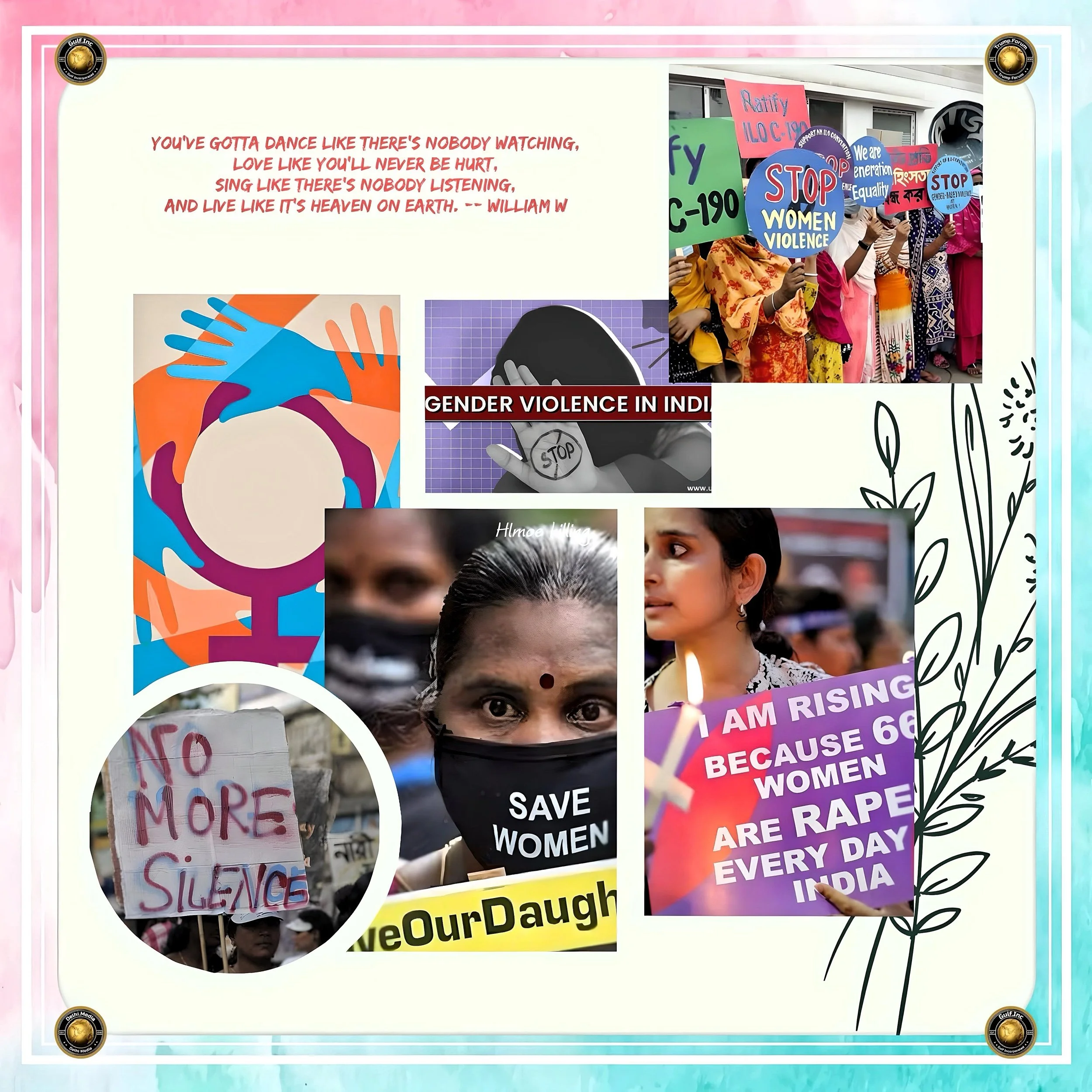
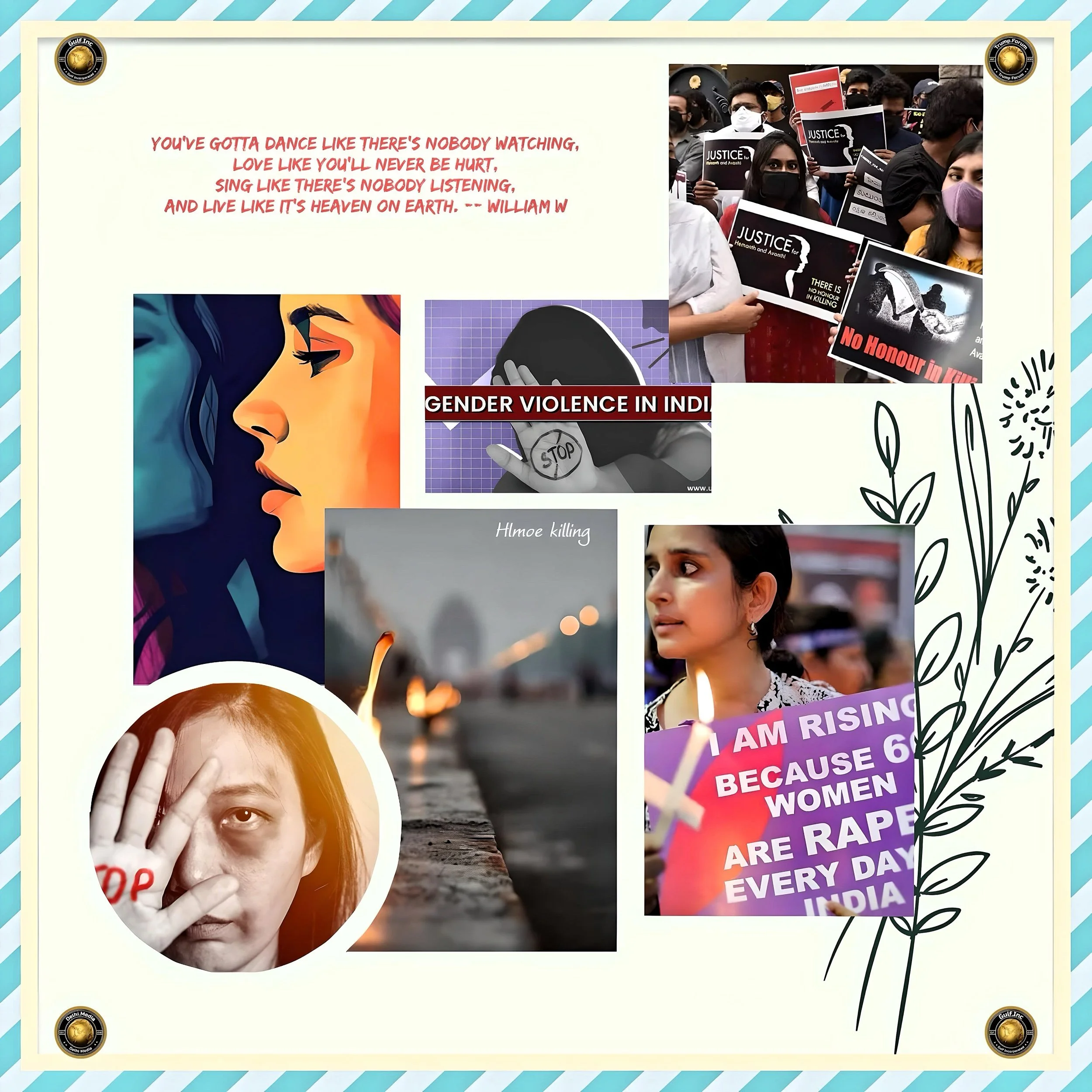
Patriarchal gender roles that encode male dominance and female submission, restricting women’s mobility, property rights, and economic agency.
Cultural acceptance of violence as “family discipline.” Surveys in some LMICs show that up to half of women themselves justify wife-beating in specific scenarios.
Harmful traditional practice
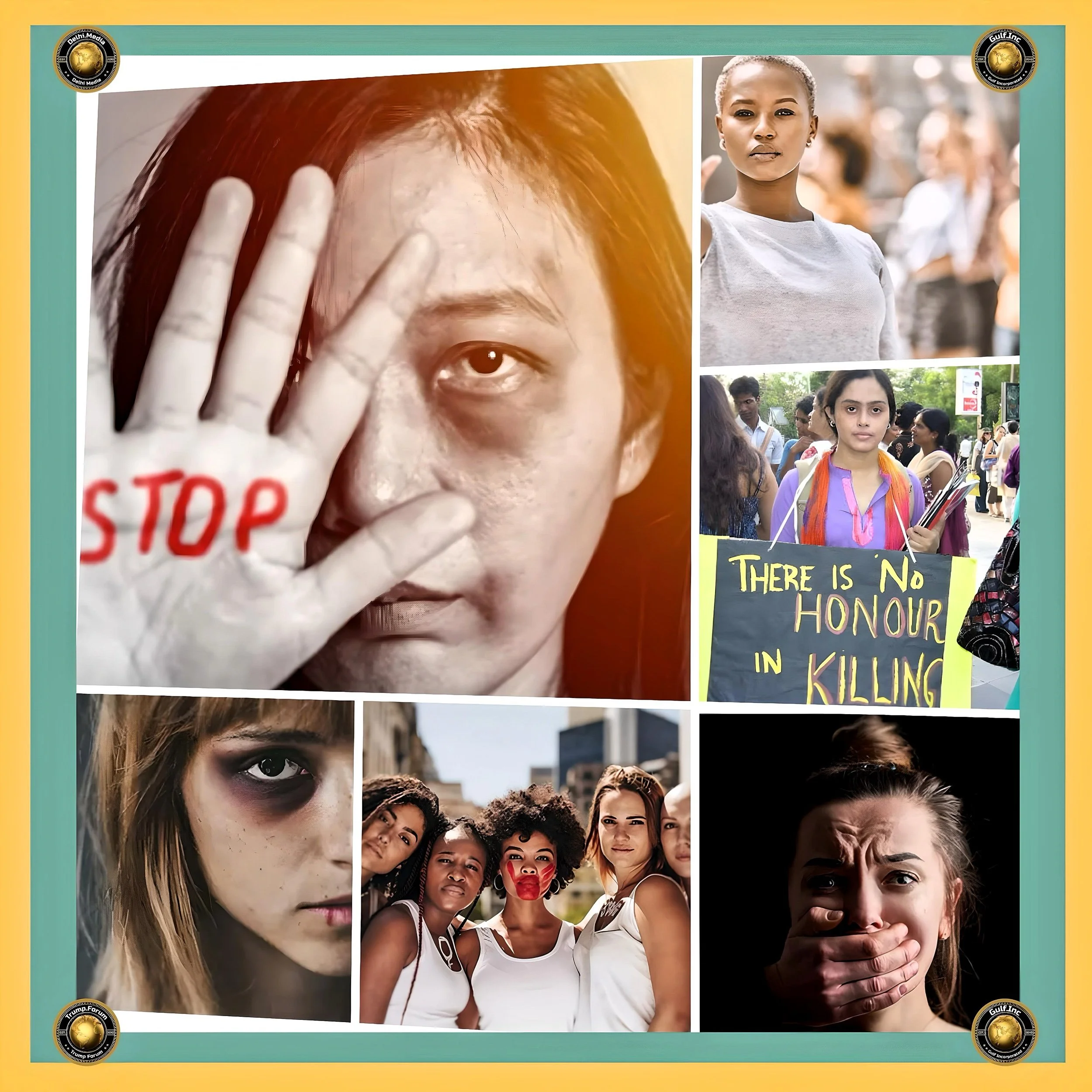
Child marriage, dowry, and female genital mutilation reinforce women’s subordinate status and normalise abuse.
Religious or customary interpretations used to limit women’s rights or block legal reform when freedom of belief is not balanced with gender equality.
Victim-blaming stigma and under-reporting are amplified by media portrayals and a lack of confidential complaint channels.
Chronic under-investment in women’s ministries, shelters, and data systems leaves laws unfunded and unenforced.
Tackling the Norm Barrier
Strategic partnerships (“triangles of empowerment”) between state mechanisms, women’s movements, and reform-minded religious/community leaders have shifted norms in multiple contexts.
Social-norms campaigns such as India’s Bell Bajao! And Rwanda’s faith-leader initiatives frame non-violence as a community value and have documented attitude change at scale.
Conclusion
Putting It All Together
Governments in low—and medium-safety tiers should consider implementing various reforms to replicate the success of high-index countries.
Legislate, budget, and enforce, making VAW prevention a top-tier national security and development priority.
Institutional coordination should be established so that health, police, justice, education, and social welfare actors can share data and joint targets.
Invest in prevention and empowerment, not only response. Evidence shows violence can be prevented within a few years when programmes are intensive, theory-driven, and community-owned.
Confront and transform norms by challenging patriarchal beliefs, engaging religious and traditional authorities, and amplifying women’s voices in policy design.
Adopting these measures is neither quick nor cheap, but the experiences of the world’s safest countries for women prove they are both achievable and cost-effective. They yield not only safer lives for women and girls but also more peaceful, prosperous societies for all.