NATO Summit 2025: Trump’s Defense Spending Victory and Summit Analysis
Introduction
Trump’s “Big Win” at The Hague
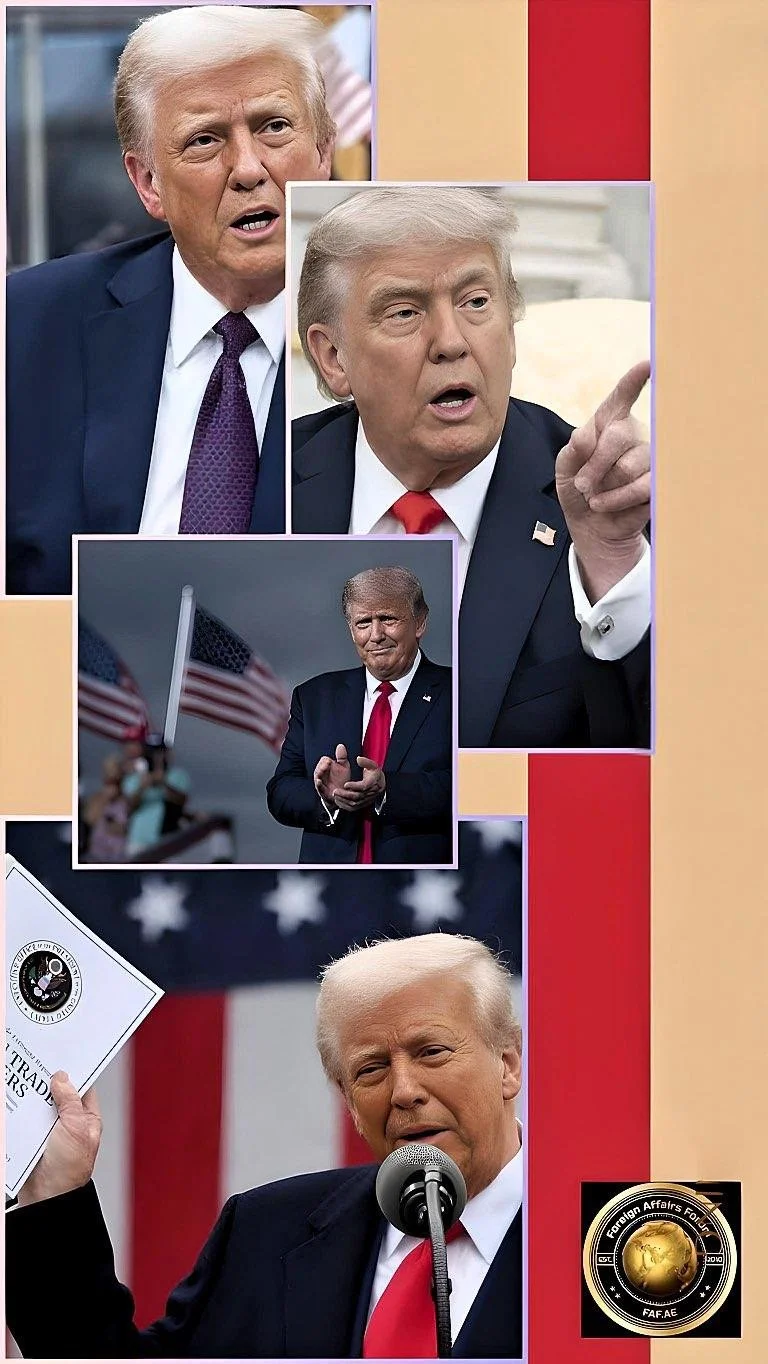
President Donald Trump achieved a significant diplomatic victory at the 2025 NATO Summit in The Hague, Netherlands, on June 24-25, 2025, securing a commitment from NATO allies to dramatically increase defense spending to 5% of GDP by 2035.
This represents more than double the previous target of 2% and marks one of the most substantial changes to NATO spending commitments in over a decade.
Trump’s Victory Declaration
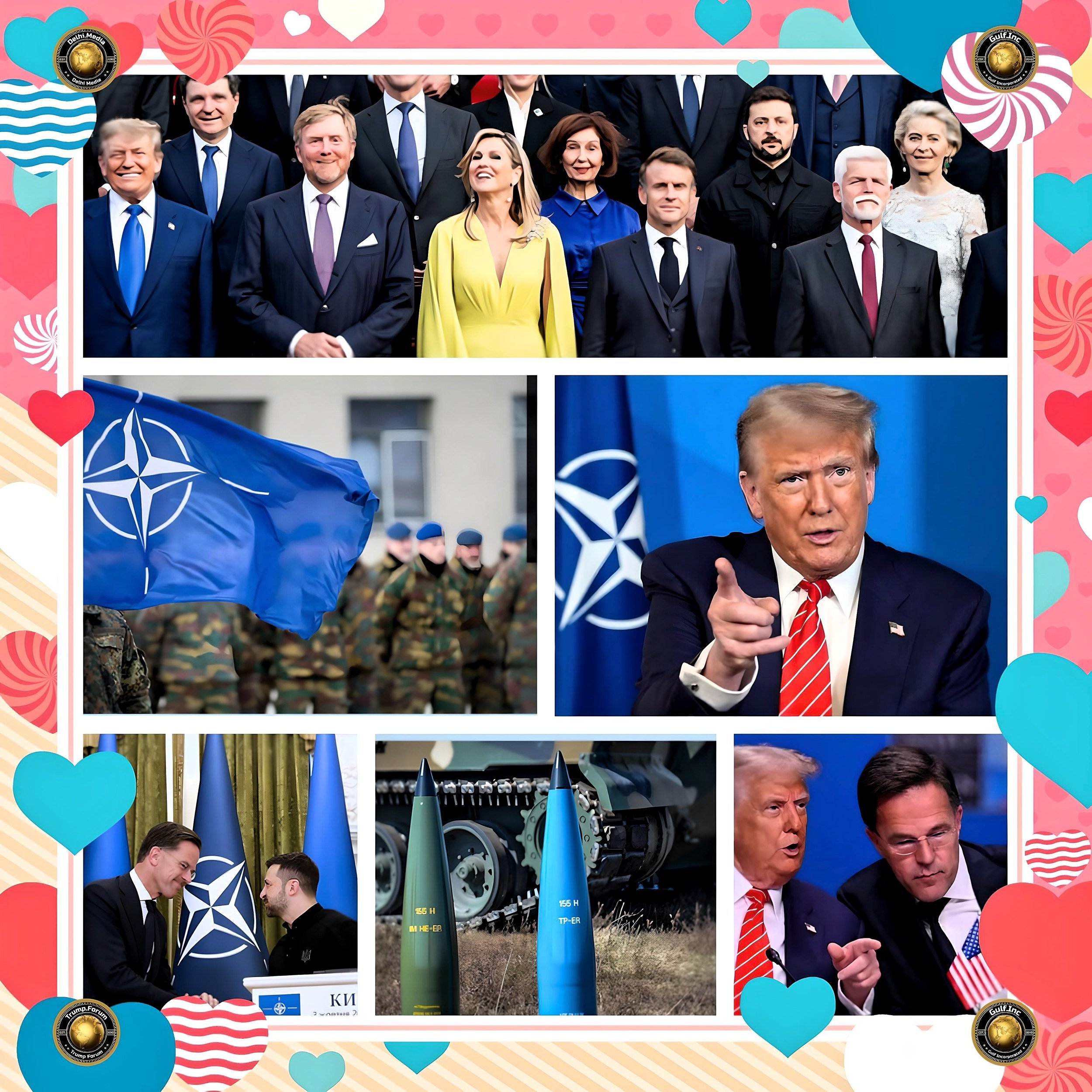
During his meeting with NATO Secretary-General Mark Rutte, Trump explicitly declared the outcome a triumph, stating: “Well thank you very much it’s a great victory for everybody I think and uh we will be equalized very shortly and that’s the way it has to be and it’s going to be a lot of money too a lot of defense trillions”.
This statement came after NATO allies unanimously agreed to the new spending targets, representing a personal vindication for Trump’s long-standing demands for increased European military contributions.
The Historic Defense Spending Agreement
Key Details of the Agreement
NATO’s 32 member states agreed to commit 5% of their GDP annually to defense spending by 2035, with the breakdown structured as follows:
At least 3.5% of GDP for “core defense requirements,” including traditional military spending on tanks, warplanes, and air defense
The remaining 1.5% allocated to defense-related “critical infrastructure,” cybersecurity, and civil preparedness initiatives
This agreement represents “the most significant action the alliance took over ten years”. It will result in what NATO officials describe as “trillions” of additional defense spending across the alliance.
Spain’s Notable Resistance
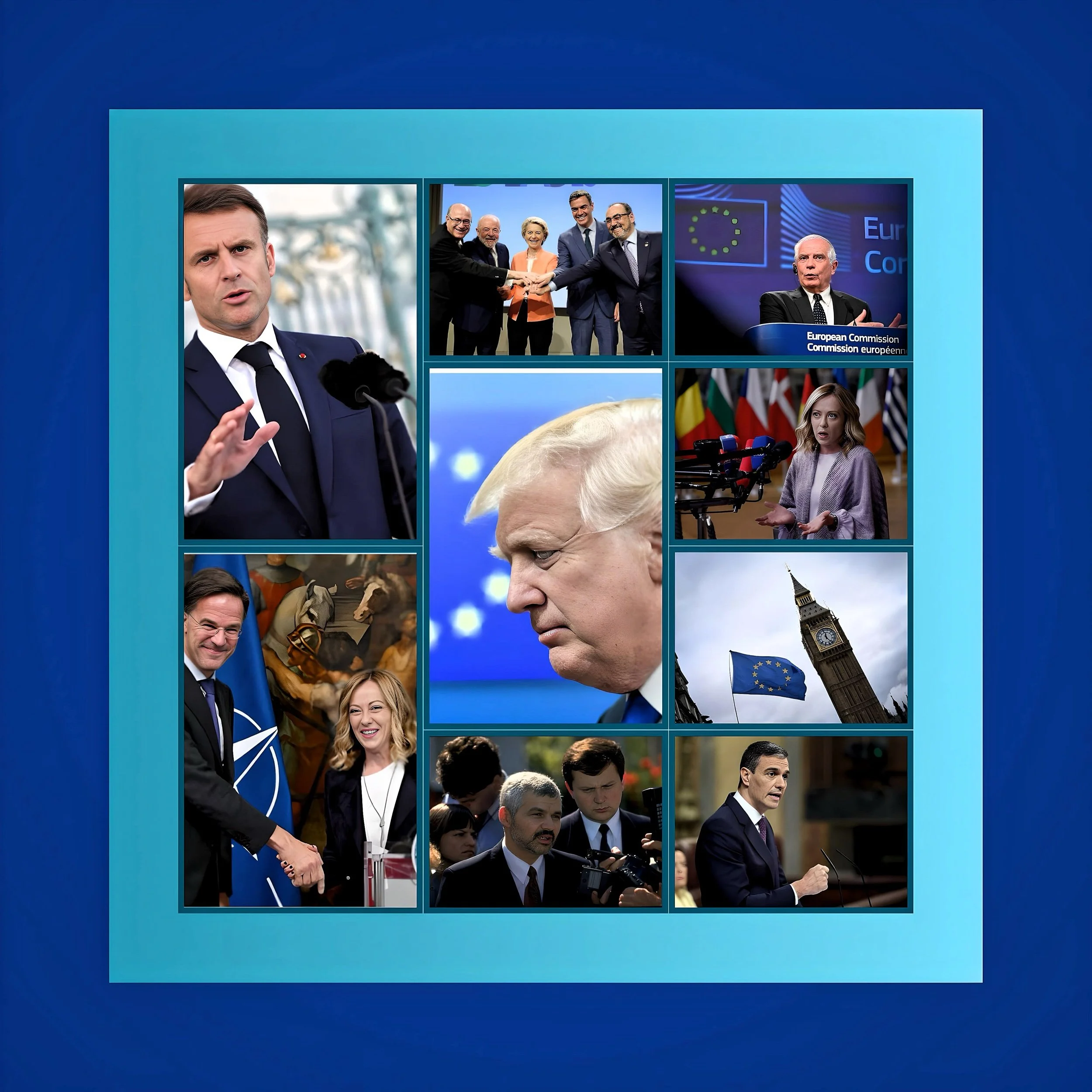
Spain emerged as the primary holdout, with the government calling the 5% target “unreasonable”.
Prime Minister Pedro Sánchez’s rejection of the new target led to criticism from Trump, who stated: “There’s a problem with Spain. Spain is not agreeing, which is very unfair to the rest of them, frankly”.
Belgium and Slovakia also signaled reservations about meeting the timeline, though all members endorsed the final communique.
NATO Secretary-General’s Praise for Trump
Mark Rutte unprecedentedly acknowledged Trump’s role in achieving this outcome in private messages and public statements.
In a text message that Trump later shared on social media, Rutte wrote: “You will achieve something NO American president in decades could get done.
Europe will pay in a BIG way, as they should, and it will be your win”.
During the summit’s opening session, Rutte emphasized Trump’s instrumental role, stating: “Without President Trump, this would not have happened… I want to state here, without President Trump, this would not have happened in three stages”.
He credited Trump’s leadership with already producing “$1 trillion in extra spending from European allies since 2016” and predicted the new agreement would generate “trillions more for our common defense”.
Concerns Over Article 5 Commitment
Trump’s Ambiguous Statements
Despite the defense spending victory, Trump’s comments regarding NATO’s Article 5 mutual defense guarantee raised significant concerns among allies.
En route to the summit, Trump told reporters that his commitment to Article 5 “depends on your definition” and that there are “numerous definitions of Article 5”. This departed from the unequivocal support that NATO allies hoped to receive.
However, during the summit, Trump appeared to provide stronger assurance, stating: “We’re with them all the way” when asked about NATO’s mutual defense commitment.
The final NATO communique included language reaffirming the alliance’s “ironclad commitment to collective defense as enshrined in Article 5”.
Middle East Context and Iran
Iran Nuclear Strikes Impact
The summit took place against the backdrop of recent U.S. and Israeli strikes on Iranian nuclear facilities, which Trump claimed had achieved “total obliteration” of Iran’s nuclear program.
Trump compared the strikes to the atomic bombings of Hiroshima and Nagasaki, stating: “That hit ended the war… this ended this war”.
NATO Secretary-General Rutte praised Trump’s actions in Iran, “Congratulations and thank you for your decisive action in Iran. That was truly extraordinary, and something no one else dared to do. It makes us all safer.”
Ceasefire Achievement
Trump also announced a “complete and total ceasefire” between Israel and Iran, which he credited with helping to stabilize the Middle East situation during the summit period.
This diplomatic achievement increased leverage for Trump’s position at the NATO gathering.
Historical Significance and Evaluation
Unprecedented Spending Increases
Secretary-General Rutte described the 5% GDP target as a quantum leap in NATO defense capabilities.
The agreement effectively addresses Trump’s longstanding criticism that European allies were not paying their “fair share” for collective defense. As Trump noted: “NATO was in a dire financial situation, and I insisted, ‘You will need to contribute more’”.
Alliance Dynamics
The summit demonstrated Trump’s influence over NATO decision-making and the alliance’s willingness to accommodate his demands to maintain the U.S. commitment.
European leaders crafted the summit specifically to appeal to Trump, with a shortened agenda and concise final communique to minimize potential friction points.
Long-term Implications
This agreement fundamentally reshapes NATO’s financial structure and represents what Rutte called a “transformational” summit.
The new spending commitments will require member states to submit annual plans showing credible progress toward the 2035 target, creating ongoing accountability mechanisms that extend well beyond Trump’s current presidency.
Thus, the 2025 NATO Summit in The Hague is a defining moment in the alliance’s history.
It delivered to Trump his most significant multilateral diplomatic victory while raising questions about the future of transatlantic security cooperation.
The defense spending agreement represents a tactical win for Trump’s “America First” approach and a strategic investment in collective Western security capabilities for the decade ahead.