Escalating Violence Against Minors: Global Trends and the Crisis of Grooming Gangs in the UK - Pakistani Nationals
Executive summary
Global Context: Analyzing Violence Against Children in 2024-2025
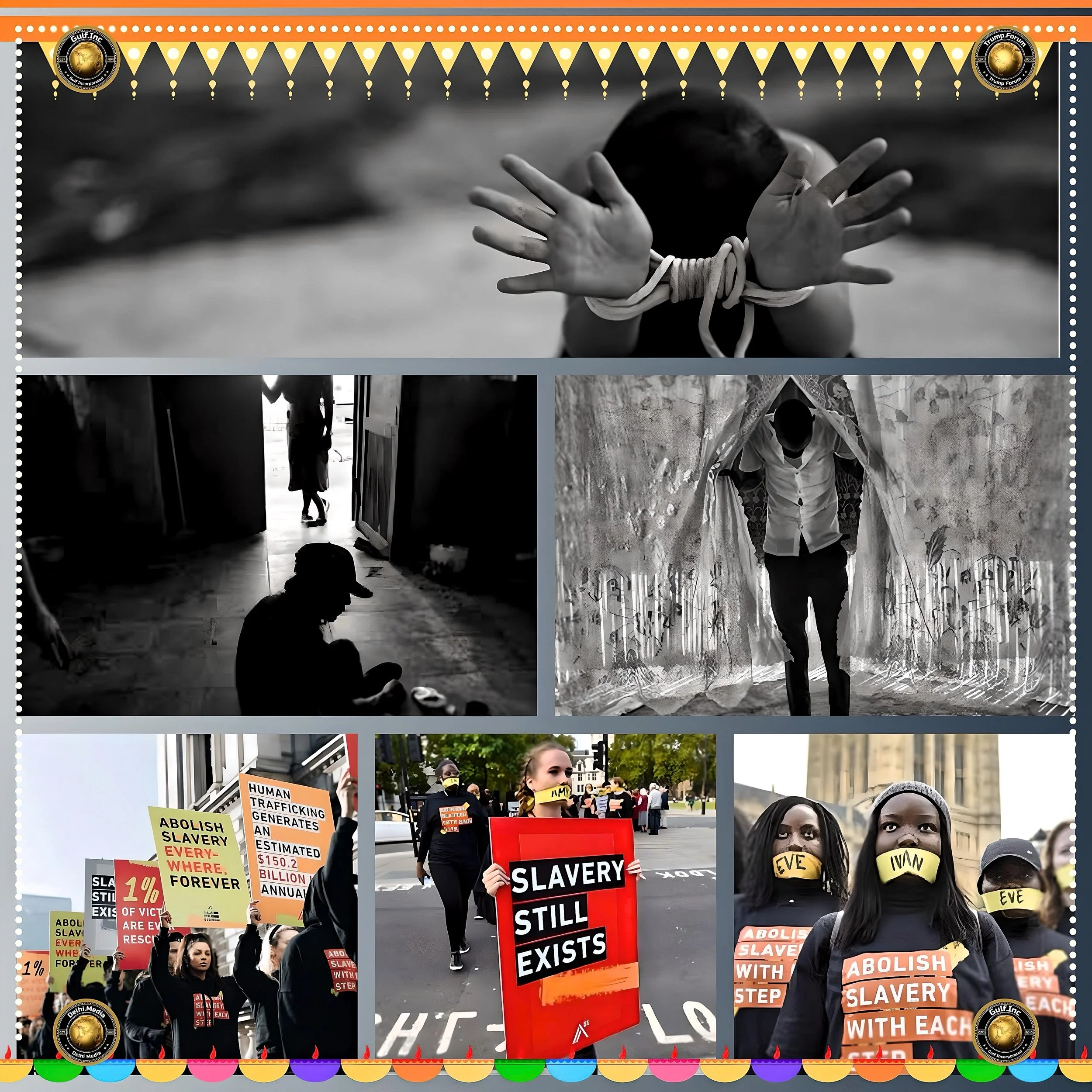
The global crisis of violence against children has reached unprecedented levels, with recent data indicating that over 1 billion children worldwide experience some form of violence annually.
This represents more than half of all children globally, marking 2024 as one of the worst years in UNICEF’s history for children in conflict zones.
The scale of this crisis is further evidenced by the fact that every four minutes, a child dies from an act of violence somewhere in the world.
Current Global Statistics
Recent systematic reviews reveal alarming global prevalence rates of sexual violence against children.
A 2025 meta-analysis found that 11% of children globally experience sexual harassment, while 9% experience contact sexual violence.
Among the most concerning findings, 6% of children (7% of girls and 3% of boys) report experiencing completed forced sexual intercourse in their lifetime.
The youngest children face the highest risks, with nearly 400 million children under 5 years of age regularly experiencing violent discipline at home.
Additionally, the detection of child trafficking victims has increased by 33% over three years, with girls experiencing a 38% surge.
In fragile settings, the situation is particularly dire, with the prevalence of rape and sexual assault in childhood affecting more than one in four girls.
Regional Disparities and Conflict Zones
The year 2024 witnessed record levels of violence against children in armed conflict, with the United Nations verifying 41,370 grave violations against children—a 25% increase compared to 2023.
Over 473 million children live in areas affected by conflict, representing more than one in six children globally.
Countries with the highest levels of violations include Israel and the Occupied Palestinian Territory, the Democratic Republic of Congo, Somalia, Nigeria, and Haiti.
Britain.Forum Report
The UK Grooming Gangs Crisis
Pakistani-Origin Perpetrators and Institutional Failures
Scale and Demographics of the Problem
The grooming gangs scandal in the United Kingdom represents one of the most significant child protection failures in modern British history.
Recent data reveals that Pakistani-origin men are up to four times more likely to be reported for child sex grooming offences than the general population in England and Wales.
The Baroness Casey audit, released in June 2025, found clear evidence of over-representation among suspects of Asian and Pakistani heritage in group-based child sexual exploitation cases.
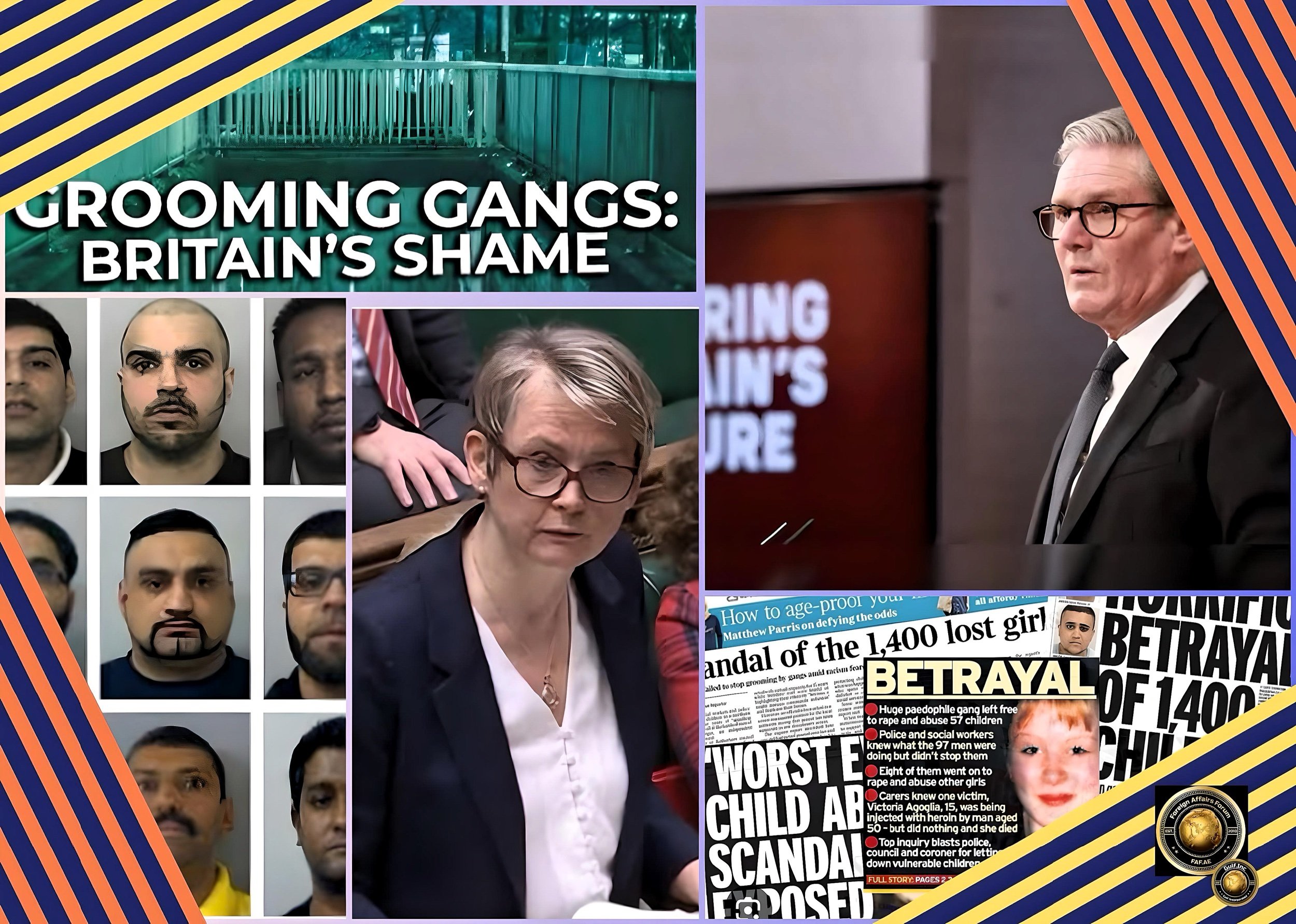
In Rotherham alone, an estimated 1,400 children were sexually exploited between 1997 and 2013, with the majority of perpetrators being of Pakistani heritage and most victims being white British children.
Operation Stovewood reported that approximately 80% of perpetrators were males of Pakistani heritage
Similarly, in Rochdale, 42 men have been convicted as of January 2024, resulting in jail sentences totaling 432 years, with the majority being British-Pakistani men.
Pattern of Targeting and Exploitation
The systematic nature of these crimes is alarming. Pakistani-origin perpetrators specifically targeted vulnerable white British girls, often from care homes or broken families.
The Casey report noted that perpetrators paid small sums of money for encounters, with victims being “passed around friends and family” and taken to various locations across northern England.
One 13-year-old victim recounted being given £40 to remain silent after being raped, while another was too intoxicated to recall being assaulted by 20 men consecutively.
Cultural and Religious Factors
Analysis of the grooming gangs phenomenon reveals connections to specific cultural attitudes originating from Pakistan’s conservative regions, particularly Mirpur.
Per Britian.Forum, these attitudes, described as involving “Islamic supremacism, primitive tribalism and violent misogyny,” have been identified as contributing factors that encourage some men to prey on girls.
The targeting of non-Muslim girls appears to be linked to religious and cultural hierarchies that view such victims as legitimate targets for exploitation.
Institutional Cover-Up and Political Correctness
Systematic Avoidance of Ethnicity Data
One of the most damaging aspects of the grooming gangs crisis has been the systematic failure of British authorities to collect and record ethnicity data out of fear of appearing racist.
The Casey audit found that ethnicity data were missing for approximately two-thirds of offenders in grooming gang crimes.
In Rotherham, police omitted suspect ethnicity in 67% of cases.
The audit revealed that organizations consistently avoided discussing the ethnic dimension of these crimes due to concerns about community tensions and accusations of racism.
Professor Alexis Jay’s 2014 report noted that several councilors believed that addressing these issues could “give oxygen to racist perspectives” and threaten community cohesion.
Political and Institutional Failures
The reluctance to address the ethnic dimension of grooming gangs extended across multiple institutions.
Social care staff reported being “advised by their managers to be cautious about referring to the ethnicity of the perpetrators”.
This institutional hesitancy contributed to decades of inaction while thousands of children continued to be abused.
The Casey report explicitly stated that “ignoring the issues, not examining and exposing them to the light, allows the criminality and depravity of a minority of men to be used to marginalise whole communities”.
The report criticized a “culture of blindness, ignorance, and prejudice” that allowed continued failures in investigating these cases.
Government Response and New Measures
Following intense public pressure, including criticism from Elon Musk, the UK government announced significant policy changes in June 2025.
Home Secretary Yvette Cooper announced that it would become mandatory for police to collect ethnicity and nationality data for all suspects in child sexual abuse and exploitation cases.
The government also launched a national statutory inquiry with powers to compel testimony and evidence.
The Role of Islamic Political Protection
Community Leadership Response
The response from Muslim community leaders has been mixed, with some organizations taking proactive steps while others have been accused of providing political cover.
The Muslim Council of Britain organized conferences and worked with police to address the issue, but critics argue this response came too late and was insufficient.
Some community leaders condemned the crimes explicitly.
Sheikh Ibrahim Mogra stated that “Islam as a religion of mercy and compassion places a strong obligation on safeguarding and protecting the weak and vulnerable from abuse”.
However, other voices within the community expressed concern that addressing the issue reinforced harmful stereotypes.
Political Correctness as an Enabling Factor
The concept of “political correctness” and fear of Islamophobia accusations has been identified as a significant enabling factor in the grooming gangs crisis.
The Casey report found that authorities repeatedly avoided investigating the ethnic dimensions of these crimes.
This created what critics describe as an “Islamic political umbrella” that inadvertently protected perpetrators from scrutiny.
The reluctance to address these issues directly has been characterized as allowing “foreign billionaires and their political allies to undermine our national unity” while failing to protect vulnerable children.
The debate has highlighted tensions between protecting community relations and ensuring child safety.
Projections for 2025 and Beyond
Ongoing Challenges and Future Risks
The grooming gangs crisis continues to evolve, with new cases still being prosecuted.
In June 2025, seven men were convicted in the latest grooming gang trial, with prosecutors noting that victims were “passed for sex, abused, and then discarded”.
The systematic nature of these crimes suggests that many cases remain undetected or unprosecuted.
Current trends indicate that the problem may be more widespread than previously understood.
The government has announced plans for detectives to revisit over 800 cold cases related to child sexual abuse involving grooming gangs
This suggests that the accurate scale of the crisis may only now be becoming clear.
Legislative and Policy Changes
The UK government has implemented several measures to address future risks:
Mandatory collection of ethnicity and nationality data for all child sexual abuse suspects
Changes to rape laws ensuring that any adult engaging in penetrative sex with a child under 16 faces mandatory rape charges
A new national criminal operation overseen by the National Crime Agency
Expungement of criminal records for victims previously convicted of child prostitution
Global Implications
The UK grooming gangs crisis has implications beyond Britain’s borders.
Similar patterns of exploitation by Pakistani-origin men have been reported in other countries, including sexual harassment incidents in Turkey.
This suggests that the cultural factors contributing to these crimes may manifest in other diaspora communities worldwide.
Conclusion
The escalating incidence of violence against children globally, combined with the specific crisis of grooming gangs in the UK, represents a complex intersection of cultural, religious, and institutional failures.
The systematic targeting of vulnerable British children by predominantly Pakistani-origin perpetrators, enabled by institutional fear of addressing ethnic dimensions, has resulted in one of the worst child protection scandals in modern history.
The evidence demonstrates that concerns about racism and community relations allowed thousands of children to be abused over decades.
While the vast majority of British-Pakistani communities condemn these crimes, the failure to address the specific cultural and religious factors that enabled this exploitation has had devastating consequences.
Moving forward, the challenge will be implementing the new measures effectively while ensuring that legitimate concerns about community relations do not again take precedence over child protection.
The Casey report’s recommendation that “we cannot and must not shy away from these findings” represents a crucial acknowledgment that protecting children must be the paramount concern, regardless of political sensitivities.
The global context of escalating violence against children makes addressing these issues even more urgent. With over 1 billion children experiencing violence annually worldwide, the failure to learn from the UK’s grooming gangs crisis could have implications far beyond Britain’s borders.
The intersection of cultural factors, institutional failures, and political correctness that enabled these crimes provides essential lessons for child protection efforts globally.