Sheikh Hasina Faces Historic Trial for Crimes Against Humanity in Bangladesh
Introduction
Bangladesh’s International Crimes Tribunal (ICT) has commenced formal proceedings against former Prime Minister Sheikh Hasina, marking the first trial of a Bangladeshi head of state for crimes against humanity.
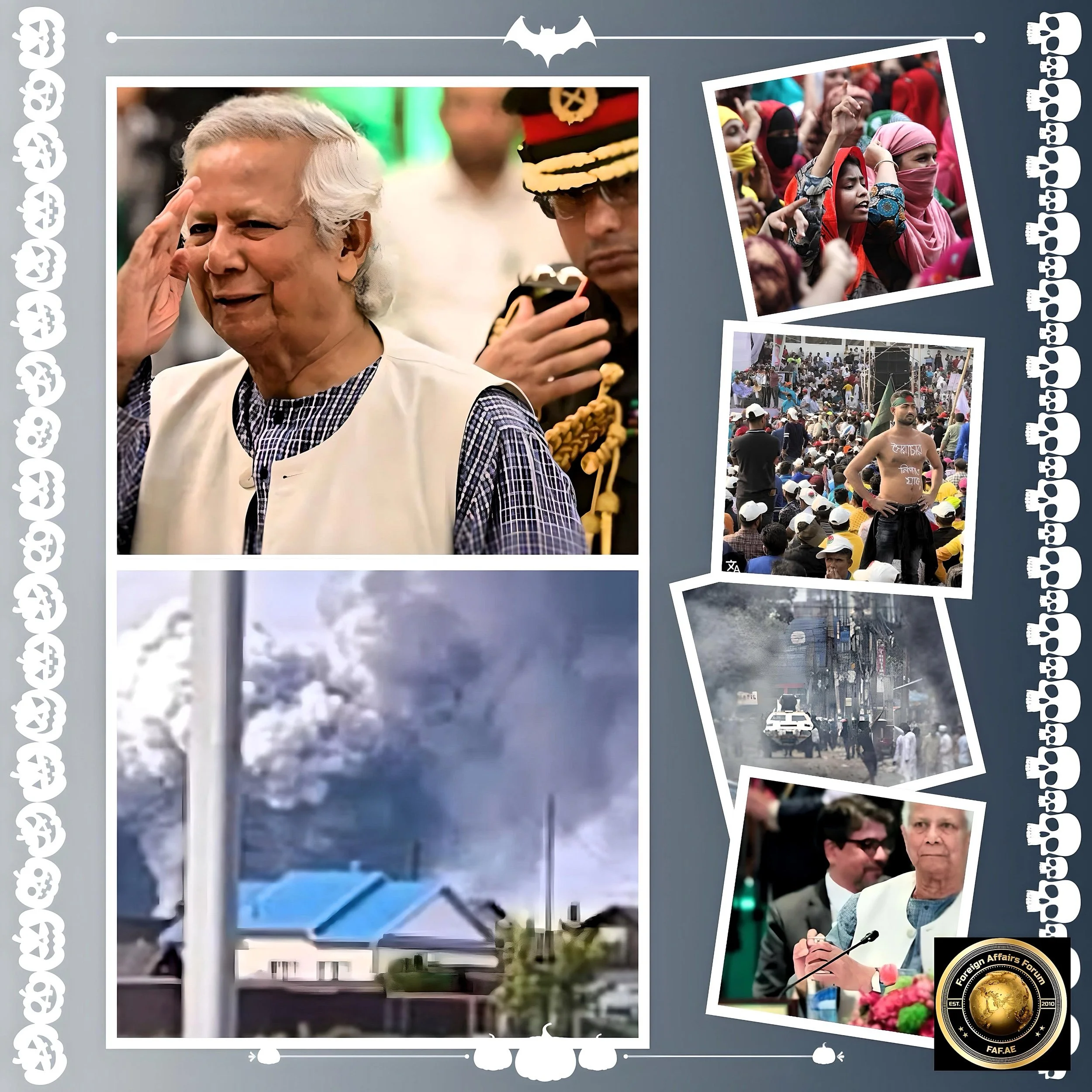
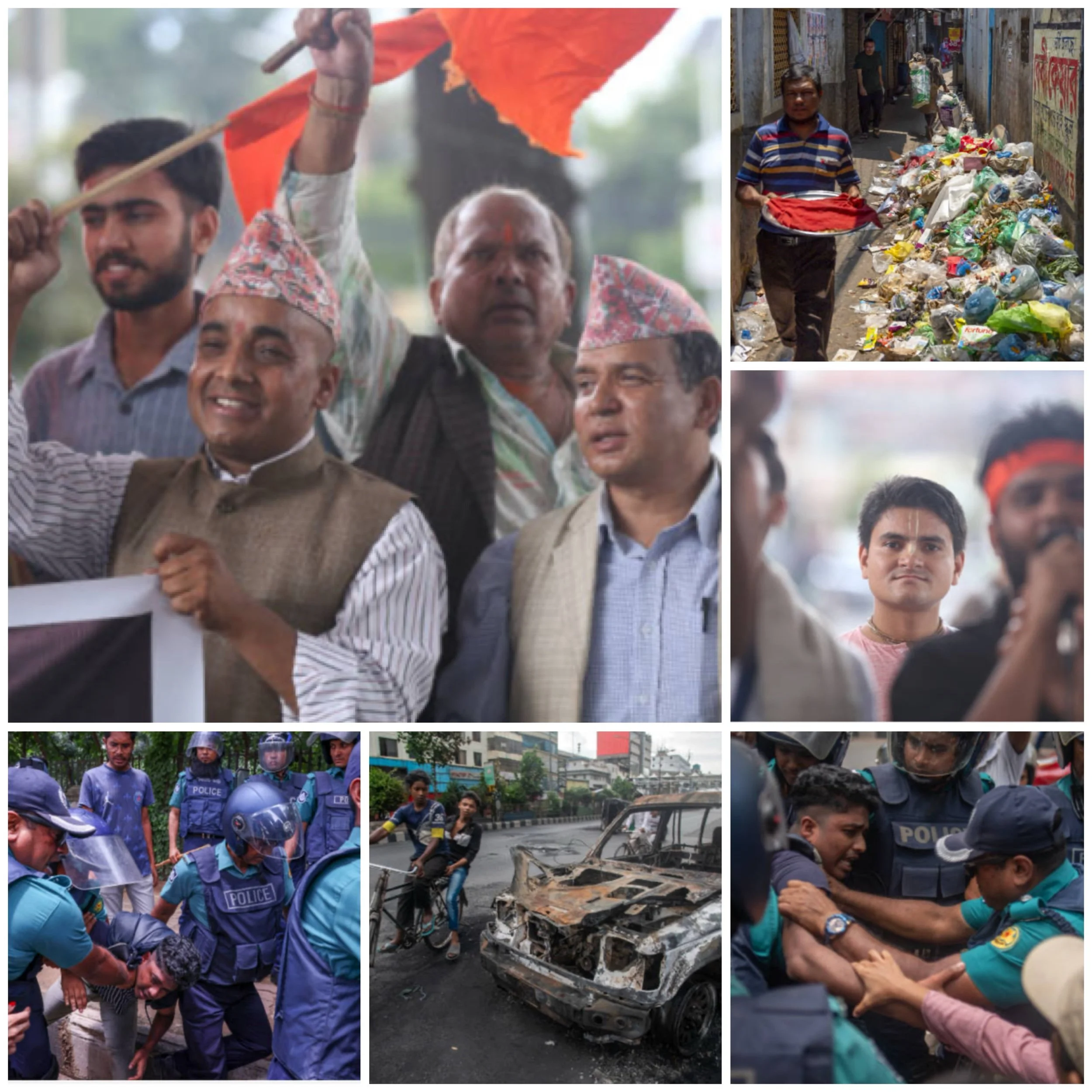
The charges stem from her government’s violent suppression of the 2024 student-led uprising, which left approximately 1 Four hundred dead and 25,000 injured.
FAF analysis shares this unprecedented case, broadcast live nationwide, represents a pivotal moment in Bangladesh’s struggle to reconcile its democratic aspirations with a history of political vendettas.
Legal Framework and Tribunal Background
Evolution of the International Crimes Tribunal
The ICT, established under the International Crimes (Tribunals) Act of 1973, was initially designed to prosecute war crimes from Bangladesh’s 1971 Liberation War.
Sheikh Hasina herself revived the tribunal in 2009 to target political opponents, including leaders of the Jamaat-e-Islami party.
Ironically, the same institution now tries Hasina under amended provisions that allow prosecution for crimes beyond 1971, including her alleged role in the 2024 crackdown.
The tribunal’s procedural rules permit trials in absentia, a controversial feature critics argue violates international standards.
Despite this, the ICT has accepted five charges against Hasina, including
Murder and attempted murder of protesters.
Torture and inhumane acts during crackdowns.
Command responsibility for systematic attacks.
Prosecution’s Case
Evidence and Allegations
Coordination of State-Sponsored Violence
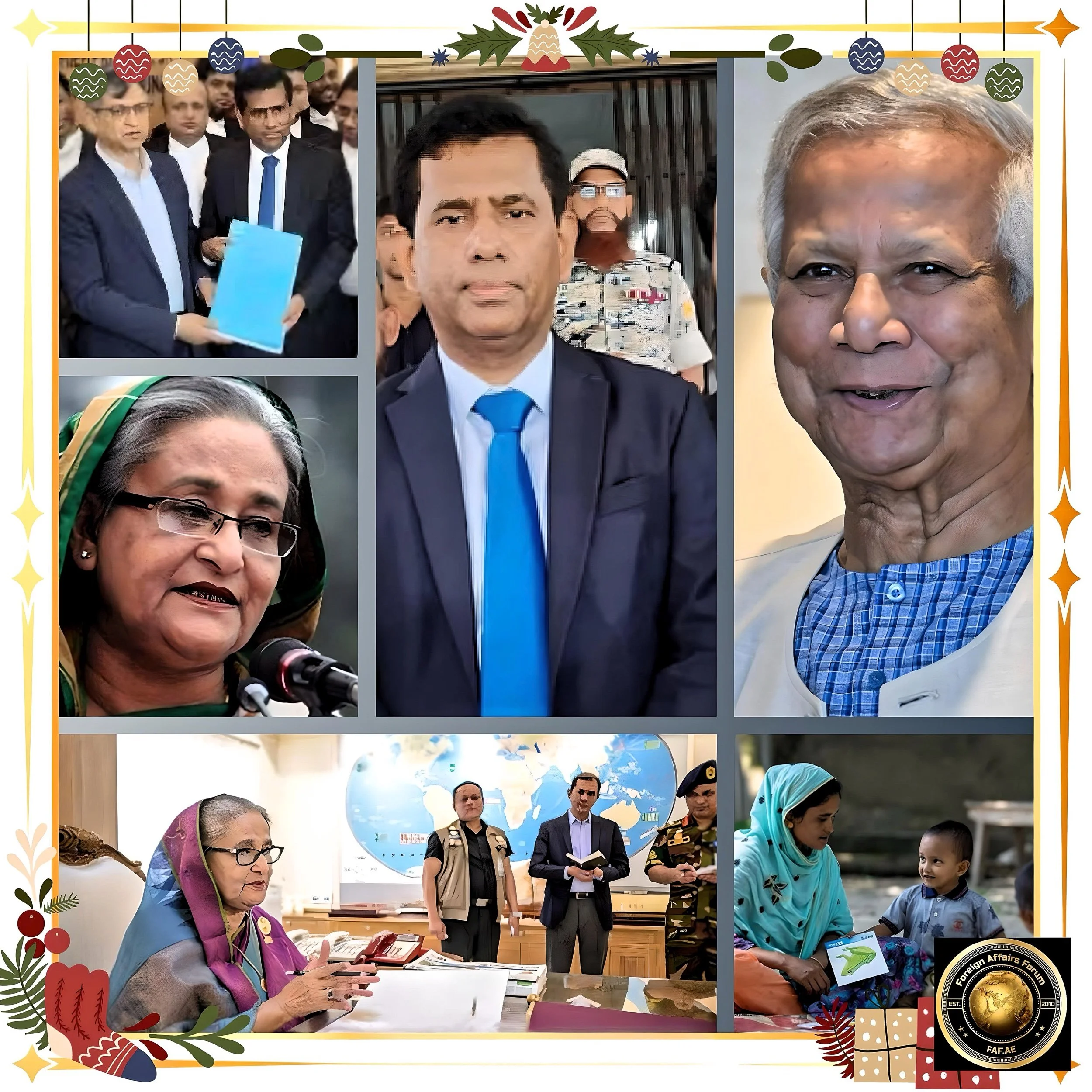
Chief Prosecutor Mohammad Tajul Islam presented evidence alleging Hasina orchestrated a “widespread and systematic attack” using security forces, Awami League cadres, and aerial assets like helicopters and drones.
Encrypted communications and video footage reportedly show Hasina ordering the “extermination” of protesters, including the killing of student activist Abu Sayed near Begum Rokeya University.
Key elements of the prosecution’s case include:
Weaponized state infrastructure: Military-grade 7.62mm rifles (unused by police) were deployed against civilians.
Destruction of evidence
Autopsies were allegedly blocked, and bodies were incinerated to conceal fatalities.
Media suppression
A communications blackout during peak violence.
Command Responsibility Doctrine
The prosecution argues Hasina bears liability under the ICT Act’s Article 4, which holds leaders accountable for crimes committed by subordinates.
Investigators cited her direct orders to former Home Minister Asaduzzaman Khan Kamal and ex-police chief Chowdhury Abdullah Al-Mamun, both co-accused.
Defense Strategy and Political Context
Allegations of a “Mock Trial”
Hasina’s Awami League has dismissed the proceedings as a “farcical drama” orchestrated by interim leader Muhammad Yunus, whom they accuse of colluding with “anti-independence forces.” Defense claims highlight:
Procedural irregularities
No autopsies were conducted, and evidence was allegedly fabricated.
Political motivation
Yunus’s interim government banned the Awami League in 2024 under anti-terrorism laws, consolidating power ahead of the 2026 elections.
Regional Diplomacy Challenges
Bangladesh’s extradition requests to India, where Hasina has resided since August 2024, remain unanswered, straining bilateral ties. Given Hasina’s historical alignment with New Delhi and concerns over destabilizing a neighbor, India's silence reflects strategic caution.
International Reactions and Human Rights Concerns
UN Documentation of Atrocities
A February 2025 UN report concluded that Hasina’s government engaged in “systematic human rights violations,” including targeted killings of children (13% of fatalities).
The findings provided evidentiary support for the ICT’s charges, though the UN did not endorse the tribunal’s legitimacy.
Divergent Global Perspectives
Western governments
Cautiously welcomed accountability efforts but raised concerns over due process.
Regional stakeholders
China and Pakistan have tacitly supported Yunus’s administration, viewing it as a counterbalance to India’s influence.
Implications for Bangladesh’s Democracy
Precedent for Accountability
The trial tests Bangladesh’s ability to hold leaders accountable without descending into political retaliation. Success could legitimize ICT; failure may deepen vendetta cycles.
Electoral Ramifications
With elections slated for 2026, the proceedings aim to dismantle Awami League’s remnants. However, Hasina retains rural support, and her absence could fracture the opposition, benefiting Yunus’s technocratic bloc.
Conclusion
A Nation at a Crossroads
Bangladesh’s pursuit of justice for the 2024 atrocities intersects with fraught geopolitics and unresolved democratic deficits.
While the ICT’s live broadcasts signal transparency, the trial’s credibility hinges on balancing legal rigor against perceptions of bias.
As Hasina’s fate hangs in the balance, the case underscores the fragile interplay between accountability and power struggles in South Asia’s most densely populated nation.