Trump-Meloni Trade Discussions: More Rhetoric Than Specifics
Introduction
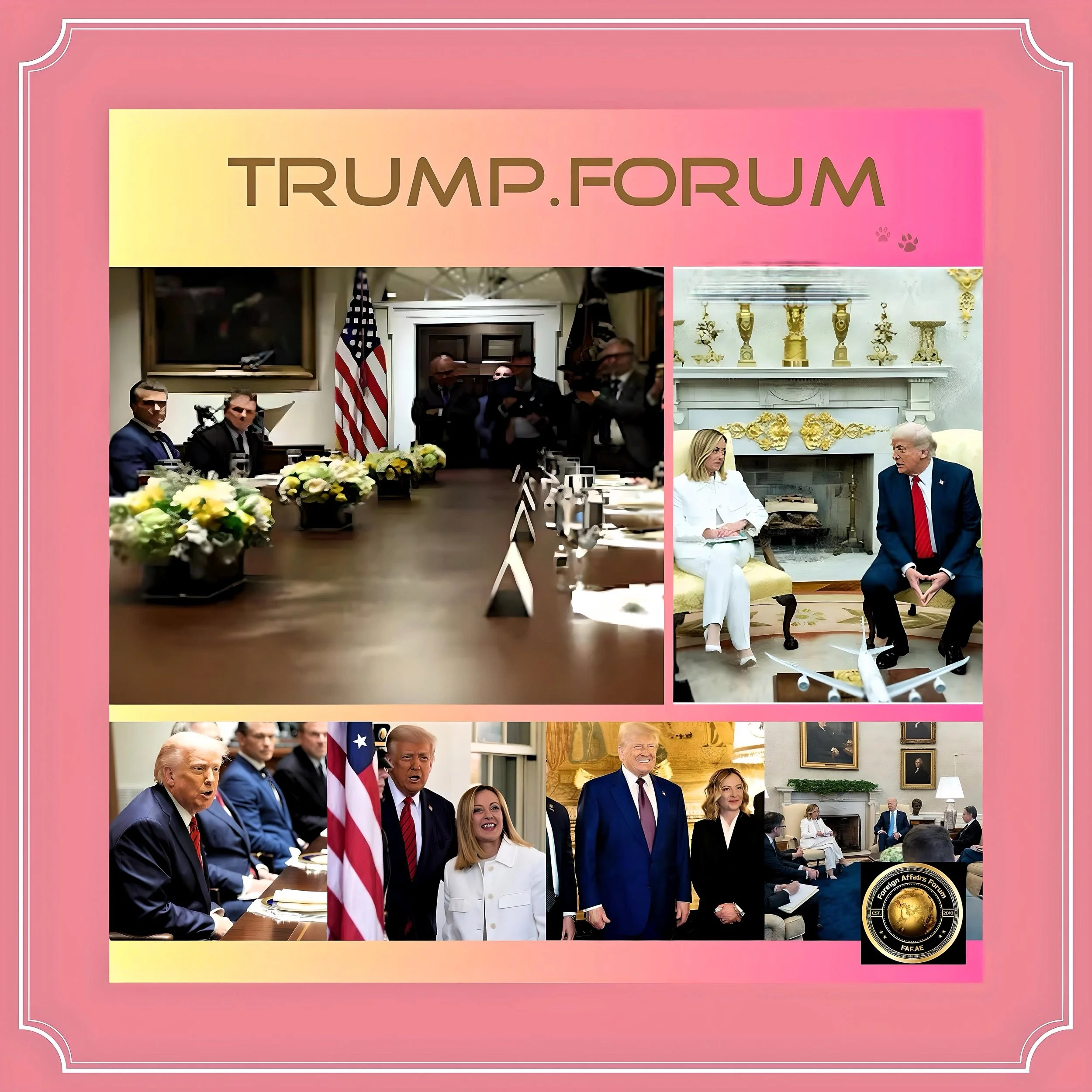
During their April 17, 2025, meeting at the White House, U.S. President Donald Trump and Italian Prime Minister Giorgia Meloni expressed optimism about future trade relations, but their discussions yielded few specific agreements.
Despite confident statements from both leaders about the inevitability of a U.S.-EU trade deal, the talks appeared to focus more on general principles and posturing rather than concrete trade provisions or sector-specific arrangements.
The Context of U.S.-EU Trade Tensions
The meeting between Trump and Meloni occurred against a backdrop of escalating trade tensions following Trump’s implementation of sweeping tariffs on global imports. The European Union currently faces significant trade pressure from the U.S., including:
Current Tariff Structure
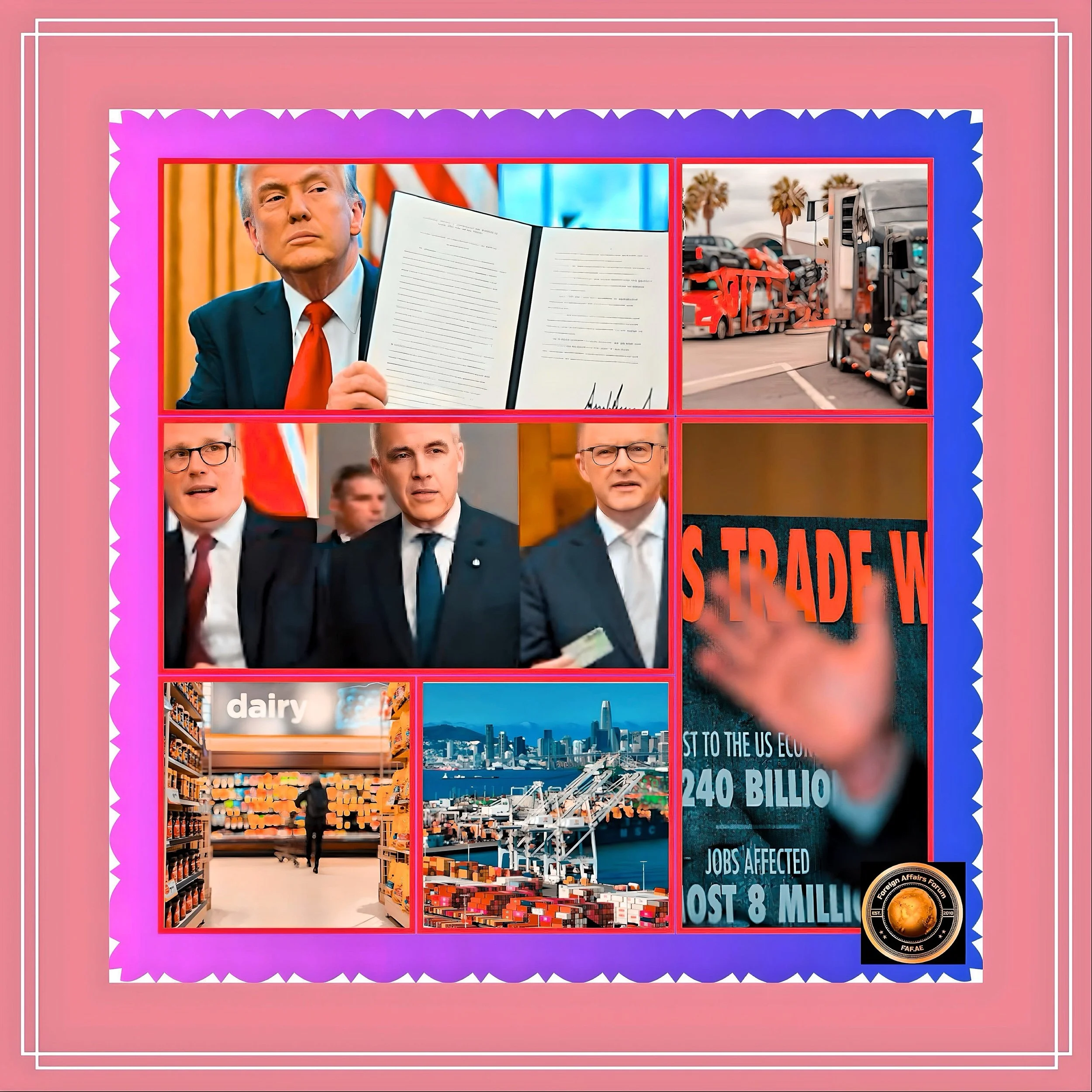
The 27-nation European Union faces a complex array of U.S. tariffs, including 25% import tariffs on steel, aluminum, and automobiles and broader tariffs affecting nearly all other goods.
This tariff regime represents part of Trump’s strategy aimed at countries he claims maintain high barriers to American imports.
The administration had initially announced a 20% tariff on EU imports, which was paused for a 90-day negotiation period ending in July 2025.
During this pause, a baseline 10% tariff remains in effect on nearly all goods entering the United States.
Negotiation Posture
Trump has positioned these tariffs as leverage in trade negotiations, repeatedly emphasizing that he believes they are economically beneficial for the United States. “Tariffs are making us rich.
We were losing a lot of money under Biden,” Trump stated during the meeting with Meloni. This hardline stance has complicated diplomatic efforts, as Trump explicitly stated he is “in no rush” to reach trade deals, saying other countries “want to make deals more than I do.”
The Meloni-Trump Discussions
Meloni’s visit marked the first by a European leader to Washington since Trump imposed his sweeping tariff policy, positioning her as a potential intermediary between the U.S. and the European Union.
Expressions of Optimism Without Specifics
Both leaders expressed confidence about future trade relations without detailing specific agreements. “There will be a trade deal, 100 percent,” Trump declared, adding that “it will be a fair deal”.
Meloni echoed this sentiment, saying she was “sure” a deal could be reached, though she acknowledged she could not secure commitments for the entire EU bloc.
Despite these positive statements, no concrete trade agreements emerged from their discussions.
The Italian leader “ended up without anything to show for her visit, beyond a possible Trump visit to Italy to negotiate with the EU.”
This potential visit remains uncertain, as the announcement “did not spark her host’s enthusiasm, nor did he even begin to confirm the trip.”
Broader Economic Vision
Rather than focusing on specific trade provisions, both leaders emphasized ideological alignment and broader visions for Western economic cooperation. “The goal for me is to make the West great again, and I think we can do it together,” Meloni stated. This rhetoric reflects their conservative outlook rather than indicating progress on specific trade issues.
The Challenges Ahead
Several factors complicate the path toward a substantive U.S.-EU trade agreement:
Divergent Priorities
While Trump insists that “tariffs are making us rich,” economic indicators suggest a more complex reality.
The stock market has dropped, interest on U.S. debt has risen, and CEOs are warning of price increases and job losses. Trump’s approach increasingly “looks like a threat to the existing structure of the world economy.”
Negotiation Status
Despite Trump’s optimism, reports indicate that U.S.-EU trade negotiations have broken down.
It remains “unclear, based on Meloni’s public interactions with Trump, whether the premier has a clear understanding of what Trump wants as part of an agreement.”
European Concerns
The European Union is defending “the most important commercial relationship in the world,” with annual trade with the U.S. totaling 1.6 trillion euros ($1.8 trillion).
European Commissioner for Trade and Economic Security Maroš Šefčovič has indicated that reaching zero tariffs and addressing non-tariff barriers would “require a significant joint effort on both sides.”
Meloni’s Diplomatic Balancing Act
As the leader of Italy’s far-right government, Meloni finds herself in a delicate position. She must attempt to leverage her ideological alignment with Trump while still representing European interests.
Personal Rapport
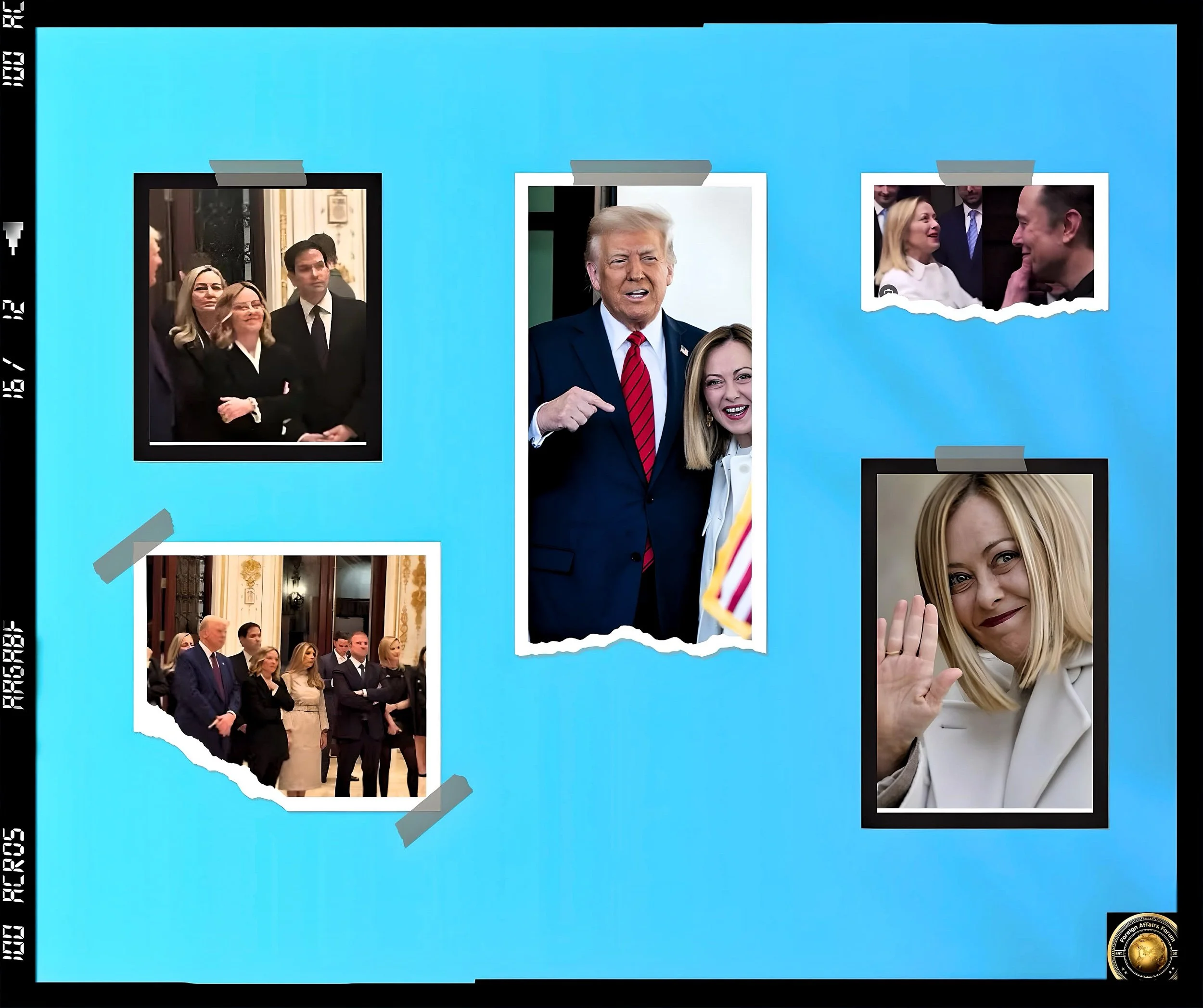
Trump and Meloni have developed what appears to be a warm relationship. Trump praises her as a “fantastic” leader and “one of the world’s key voices.”
This personal connection is notable given Trump’s often contentious relationships with other European leaders.
Italy’s Economic Stakes
Italy has significant economic interests at stake in these negotiations. Last year, the country ran a 40 billion euro ($45.4 billion) trade surplus with the U.S., and its export-driven economy could be severely impacted by American tariffs.
This creates pressure on Meloni to progress on trade issues while maintaining her alignment with Trump’s broader political agenda.
Conclusion
The Trump-Meloni meeting expressed optimism about future trade relations but yielded no specific agreements or concrete progress toward resolving U.S.-EU trade tensions.
While both leaders confidently predicted an eventual trade deal, the substance of such an agreement remains undefined, with fundamental differences in approach still apparent.
As the 90-day tariff pause continues, the European Union faces significant uncertainty about its future economic relationship with the United States.
Despite Meloni’s efforts to position herself as a bridge between the two sides, the path to a comprehensive trade agreement remains unclear. Trump is maintaining his leverage through tariffs and expressing no urgency to reach a deal.